

Выбор неправильного поставщика услуг центра обработки вызовов обычно обходится в $150 000-$500 000 издержек на переключение, включая набор персонала, переобучение и перебои в обслуживании в течение 6-12 месяцев. Первопричина? Нечеткие запросы предложений, которые приводят к появлению несопоставимых предложений, завышенным расценкам и несоответствующим ожиданиям от обслуживания.
Структурированный RFP исключает догадки. Он заставляет поставщиков отвечать на вопросы по идентичным критериям - масштабу, объему, SLA и цене - что позволяет объективно сравнить предложения и выбрать партнера, соответствующего вашим операционным потребностям и бюджетным ограничениям.
📄 Скачать бесплатно
Шаблон RFP для аутсорсинга колл-центра (DOCX)
Готовый к редактированию документ Word с 8 разделами, 40+ вопросами к поставщикам и матрицей оценок. Бесплатно, регистрация не требуется.
38 КБ - Формат Microsoft Word - Редактируемый
Основные выводы
- Структурированный запрос предложений от колл-центра поможет вам сравнить поставщиков по справедливости и избежать дорогостоящих несоответствий.
- Четкое определение масштаба, объема и SLA приводит к более точным результатам. ценообразование и предложения.
- Готовый шаблон экономит время и повышает качество ответов поставщиков.
- Простая модель оценки снижает предвзятость и ускоряет принятие решений.
Что такое RFP для колл-центра?
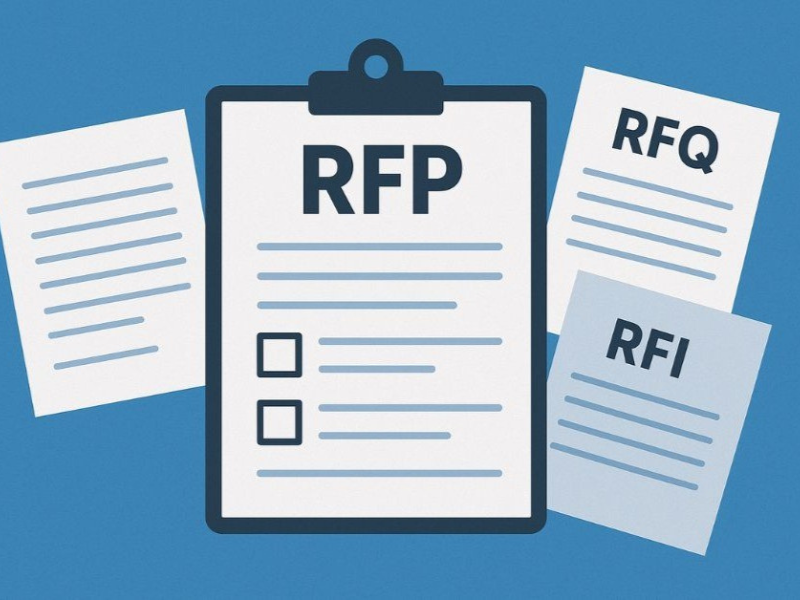
RFP (Request for Proposal) - это структурированный документ о закупках, который стандартизирует представление поставщиками своих решений, цен и обязательств по обслуживанию. Вместо того чтобы получать предложения в разных форматах, что делает сравнение практически невозможным, RFP гарантирует, что каждый поставщик ответит на одни и те же вопросы в одном и том же порядке.
Почему официальные запросы предложений имеют значение:
Для контрактов на сумму менее $50 000 в год с простыми требованиями (например, поддержка 10 агентов при входящих звонках) может быть достаточно неофициальных предложений. Но для операций, включающих более 50 агентов, множество каналов или требования к соответствию (HIPAA, PCI-DSS), RFP защитит вас, создав проверяемый процесс выбора и обязательные для исполнения обязательства по предоставлению услуг.
Call-центр RFP и контакт-центр RFP:
Прежде чем окончательно сформулировать требования к RFP, необходимо разобраться в текущем положении дел в этой области. решения для корпоративных контакт-центров. Это позволит вам получить более четкое представление о доступных платформах, ключевых возможностях и о том, как различные поставщики соответствуют вашим операционным потребностям и целям масштабирования.
- Call-центр RFP: Поддержка только голосовой связи
- Контактный центр RFP: Omnichannel (голос + электронная почта + чат + социальные сети)
Используйте терминологию “контакт-центр”, если вам нужна интегрированная отчетность по всем каналам - это очень важно для отслеживания пути клиента, который начинается в чате и перерастает в телефон.
Когда следует использовать шаблон RFP для колл-центра

В таких ситуациях используйте структурированный шаблон RFP:
1. Первый аутсорсинг
Не имея опыта управления поставщиками, вы можете столкнуться с увеличением объема работ и скрытыми платежами. RFP заставляет поставщиков заранее объявить все расходы - стоимость установки, обучения, накладные расходы на управление - и взять на себя обязательства по уровню обслуживания до подписания договора. Первые покупатели, которые пропускают RFP, обычно обнаруживают превышение расходов на 20-30% в течение 90 дней.
2. Неудовлетворительная работа поставщика
Если ваш текущий поставщик постоянно нарушает SLA (например,
3. Сравнение нескольких поставщиков
Сравнение 3-5 поставщиков без стандартизированных вопросов приводит к появлению предложений по принципу “яблоко от яблони”. Один поставщик указывает стоимость часа, другой - минуты, третий - стоимость обучения. RFP устраняет этот хаос, требуя идентичных форматов ответов, что очень важно, когда закупщику нужны обоснованные критерии отбора.
4. Растущая сложность
Когда объем звонков превышает 10 000 в месяц или добавляются каналы (чат, электронная почта), требования к соответствию (HIPAA, PCI-DSS) или специализированные рабочие процессы (техническая эскалация, проверка на мошенничество), неформальные беседы с поставщиками перестают точно отражать требования. RFP расширяется в зависимости от сложности.
5. Соблюдение правил закупок
Многие предприятия требуют проведения официальных конкурсных торгов для контрактов, превышающих $100 000/год. Запрос предложений удовлетворяет требованиям внутреннего аудита и создает бумажный след, свидетельствующий о справедливой оценке.
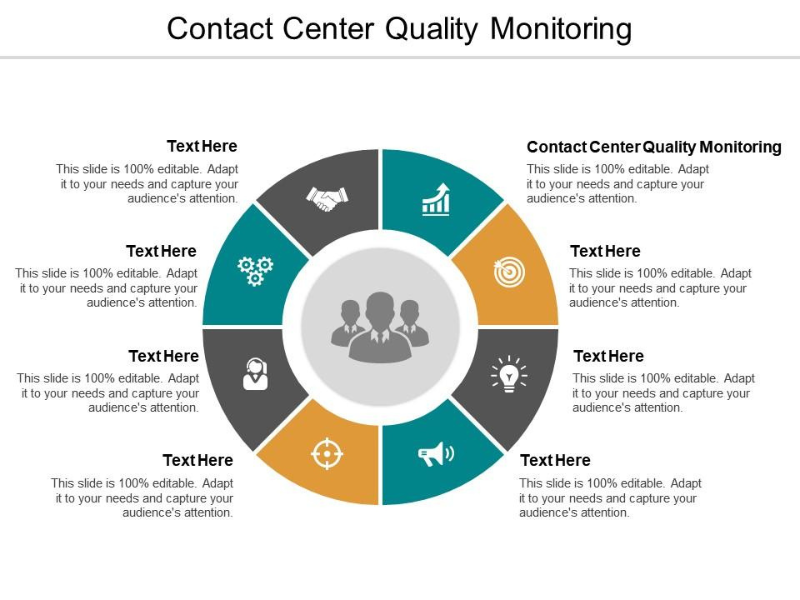
Что включить в предложение о продаже услуг центра обработки вызовов (краткий обзор)
- История компании
Помогает продавцам понять ваш бизнес, клиентов и цели. - Объем услуг
Определяет требования к входящим, исходящим потокам и каналам связи, чтобы избежать увеличения объема работ. - Объем вызовов и укомплектованность кадрами
Обеспечивает точное ценообразование и планирование мощностей. - Операционные стандарты и стандарты качества
Устанавливает требования к обучению, контролю качества и надзору. - Технологии и безопасность
Обеспечивает совместимость систем и защиту данных. - Структура ценообразования
Обеспечение прозрачности тарифов, сборов и допущений. - SLA и KPIs
Определяет измеримые стандарты эффективности, связанные с результатами. - Инструкции по составлению предложений
Стандартизация ответов поставщиков для облегчения сравнения. - Процесс и сроки оценки
Объясняет, как и когда будут приниматься решения.
Готовый шаблон RFP для колл-центра
Раздел 1 - Общие сведения о компании
Предоставьте поставщикам достаточно контекста, чтобы они могли адаптировать свое предложение.
Включая:
- Отрасль и бизнес-модель
- Размер компании и профиль клиентов
- Причина аутсорсинга
- Цели программы (снижение затрат, повышение качества, масштабируемость)
Пример:
Наша компания - американский розничный интернет-магазин, обслуживающий клиентов B2C.
Мы ищем партнера для колл-центра, который будет заниматься обслуживанием входящих клиентов
и поддержки заказов с акцентом на решение проблем по первому звонку и CSAT.
Раздел 2 - Объем услуг центра обработки вызовов
Будьте конкретны, чтобы избежать недоразумений в дальнейшем.
Обложка:
- Входящие услуги (обслуживание клиентов, выставление счетов, техническая поддержка)
- Исходящие услуги (продажи, продление, опросы)
- Необходимые языки
- Часы работы
- Обработка эскалации
Совет: Четко определите, что именно вне сферы действия чтобы предотвратить перерасход средств.
| Тип услуги | Требуется | Примечания |
|---|---|---|
| Входящая поддержка | Да | Только по телефону |
| Исходящие продажи | Нет | Не в фазе 1 |
| Многоязычный | Да | Английский + испанский |
Раздел 3 - Объем вызовов и требования к персоналу
Поставщики устанавливают цены в зависимости от точности объема.
Включая:
- Среднемесячный объем вызовов
- Пиковые и внепиковые режимы
- Среднее время обработки (AHT)
- Сезонные всплески
- Предпочтительная модель укомплектования штата
| Метрика | Смета |
|---|---|
| Ежемесячные звонки | 25,000 |
| Пиковые месяцы | Ноябрь-дека |
| Среднее время обработки | 6 минут |
Варианты расположения:
- На суше: Более высокая стоимость, сильное культурное соответствие.
- Ближний берег: Сбалансированная стоимость и качество.
- Оффшор: Самая низкая стоимость, требуется строгий контроль качества.
Раздел 4 - Операционные требования и требования к качеству
Недостатки качества приводят к оттоку клиентов и разрушению бренда.
Определите:
- Продолжительность обучения и циклы обновления
- Процесс оценки качества
- Частота мониторинга вызовов
- Соотношение числа руководителей и агентов
- Процесс эскалации проблем
Из собственного опыта: Поставщики, не имеющие структурированной системы контроля качества, часто не достигают целевых показателей обслуживания в течение 90 дней.
Раздел 5 - Требования к технологиям и безопасности
Перечислите обязательные системы и стандарты.
Включая:
- Интеграция с CRM (например, Salesforce)
- Маршрутизация IVR (интерактивный голосовой ответ)
- Запись разговоров и отчетность
- Информационные панели в реальном времени
- Шифрование данных и контроль доступа
Укажите соответствие только в том случае, если это имеет значение:
- HIPAA (защита данных в здравоохранении)
- GDPR (защита персональных данных в ЕС)
Раздел 6 - Структура ценообразования и коммерческие условия
Попросите полной прозрачности.
Распространенные модели:
- В час
- В минуту
- На одного агента (ЭПЗ)
Запросите у продавцов детализацию:
- Плата за установку
- Расходы на обучение
- Комиссионные за управление
- Сверхурочные или повышенные цены
| Модель | Плюсы | Cons |
|---|---|---|
| В час | Предсказуемый | Менее гибкий |
| В минуту | Хорошо масштабируется | Сложнее прогнозировать |
Раздел 7 - Соглашения об уровне обслуживания (SLA) и KPIs
SLA делают производительность измеримой.
Общие ориентиры:
- Уровень обслуживания: 80% отвечает на звонки за 20 секунд
- Доля бросивших:
- Оценка QA: ≥90%
- CSAT: ≥85%
Привяжите SLA к:
- Штрафы за неудовлетворительную работу
- Бонусы за превышение целевых показателей
| KPI | Цель | Измерение |
|---|---|---|
| Уровень обслуживания | 80/20 | Ежемесячно |
| Оценка качества | ≥90% | Еженедельник |
Раздел 8 - Руководство по подаче предложений
Стандартизируйте ответы.
Требуется:
- Обзор компании
- Соответствующие тематические исследования
- Предлагаемое решение
- Разбивка цен
- Подтверждение SLA
- Ссылки
Комплект:
- Формат представления (PDF)
- Крайний срок
- Контактное лицо по вопросам
Раздел 9 - Процесс оценки и сроки
Объясните, как принимаются решения.
Пример скоринговой модели:
| Критерии | Вес |
|---|---|
| Опыт и соответствие | 30% |
| Операции и контроль качества | 25% |
| Технология | 20% |
| Ценообразование | 25% |
Включая:
- Дата составления короткого списка
- Презентации поставщиков
- Дата принятия окончательного решения
Как адаптировать этот шаблон RFP для колл-центра для вашего бизнеса
- Малым и средним предприятиям следует упростить соглашения об уровне обслуживания и сосредоточиться на гибкости.
- Предприятиям следует добавить требования к соответствию, управлению и избыточности.
- Регулируемые отрасли должны расширить разделы безопасности и аудита.
Как справедливо оценить ответы на запрос предложений от колл-центра
Матрица оценки ответов на запрос предложений
Оцените каждый критерий от 1 до 5 баллов (5 = отлично). Умножьте на вес, чтобы получить итоговый балл. Побеждает поставщик, набравший наибольшее количество баллов, но если какой-либо поставщик получает 1 или 2 балла за соответствие требованиям или безопасность, он автоматически терпит поражение независимо от общего количества баллов.
| Критерий | Вес | Почему это важно |
|---|---|---|
| Соответствие нормативным требованиям и безопасность | 20% | PCI DSS, HIPAA, SOC 2, GDPR - неотъемлемые требования. Провал здесь = дисквалификация. |
| Технические возможности | 15% | Интеграция с CRM, доступ к API, глубокая отчетность, поддержка омниканальности. |
| Качество и обучение агентов | 15% | Процесс найма, знание языка, текущее обучение, уровень отсева. |
| Обязательства по SLA | 15% | Время безотказной работы ≥99,9%, AHT, FCR, CSAT - письменные штрафы за промах. |
| Прозрачность ценообразования | 15% | Понятная модель (за минуту / за место / гибридная), отсутствие скрытых платежей, уровни объема. |
| Масштабируемость | 10% | Возможность увеличения в 3 раза за 30 дней? Сезонная гибкость? Минимальный срок контракта. |
| География / местонахождение данных | 5% | Доступны регионы, охват часовых поясов, данные остаются в регионе для соблюдения требований. |
| Культурное / языковое соответствие | 3% | Нейтральность акцента, понимание местного рынка, работа с праздниками. |
| Ссылки и тематические исследования | 2% | 3+ клиентов схожего размера, готовых ответить на звонок. |
Общий вес = 100%. Поставщик, набравший 4,2/5 весовых баллов, является надежным. Ниже 3,5 = отказ.
Используйте взвешенный подход к оценке.
Шаги:
- Оцените каждый раздел независимо.
- Нормализуйте ценовые допущения.
- Подтвердите утверждения ссылками.
- Избегайте выбора, основываясь только на цене.
Почему самое дешевое - не самое лучшее: В исследовании COPC 2023 года, посвященном 200 контрактам на аутсорсинговые центры обработки вызовов, покупатели, выбравшие поставщика с самой низкой ценой, столкнулись с увеличением общей стоимости владения на 35% из-за заказов на изменения и устранения недостатков, снижением показателей CSAT на 18% в течение 6-12 месяцев и увеличением коэффициента оттока (замена поставщика в течение 24 месяцев) в 2,3 раза.
| Поставщик | Общий балл |
|---|---|
| Продавец A | 82 |
| Продавец B | 76 |
50+ образцов вопросов для запроса предложений, которые можно скопировать в свой шаблон
Ниже приведены наиболее важные вопросы, сгруппированные по категориям. Скопируйте те из них, которые относятся к вашей сфере деятельности.
Технические возможности (10 вопросов)
- На какой платформе для центров обработки вызовов или CCaaS вы работаете?
- Поддерживаете ли вы омниканальную маршрутизацию (голос, чат, электронная почта, SMS, социальные сети)?
- С какими CRM вы интегрируетесь нативно? (Salesforce, HubSpot, Zoho, Pipedrive, Zendesk)
- Предоставляете ли вы REST API-доступ к данным о вызовах, записям и распоряжениям?
- Каково среднее время безотказной работы вашей платформы за последние 12 месяцев? Предоставьте отчеты об инцидентах.
- Как осуществляется аварийное восстановление - цели RPO и RTO?
- Какое программное обеспечение для рабочего стола используют агенты? Есть ли в нем дозвон, всплывающий экран, отслеживание диспозиции?
- Предоставляете ли вы панели отчетности в режиме реального времени? Кто может получить к ним доступ?
- Какими языками владеют ваши агенты? Можете ли вы предоставить результаты проверки уровня владения языком?
- Как управлять идентификатором вызывающего абонента локального присутствия и динамической ротацией DID?
Соответствие нормативным требованиям и безопасность (10 вопросов)
- Соответствуете ли вы требованиям стандарта PCI DSS? Предоставьте последнюю версию сертификата соответствия (AOC).
- Соответствуете ли вы требованиям HIPAA? Предоставьте свой стандартный шаблон BAA для ознакомления.
- Соответствуете ли вы требованиям GDPR? Какие варианты сохранения данных вы предлагаете?
- Имеете ли вы сертификат SOC 2 Type II? Предоставьте полный отчет.
- Для исходящих кампаний: соблюдаете ли вы TCPA (США), PECR (Великобритания) и другие аналогичные правила?
- Каковы SLA и политика уведомления об утечке данных?
- Как маскируются данные PII и PCI в записях разговоров?
- Проходят ли агенты проверку? На каком уровне?
- Опишите средства контроля физической безопасности на объектах ваших агентов.
- Разрешаете ли вы проводить аудиты безопасности или тесты на проникновение?
Ценообразование и контракты (10 вопросов)
- Какова ваша модель ценообразования - поминутная, за место, за транзакцию или гибридная?
- Есть ли плата за ввод в эксплуатацию или настройку? Что они покрывают?
- Каков минимальный срок действия договора и период уведомления об аннулировании?
- Предлагаете ли вы уровни скидок за объем? При каких пороговых значениях?
- Есть ли пункт об увеличении цены? Предельное ежегодное увеличение?
- В каких валютах вы выставляете счета?
- Какая плата взимается за работу, не входящую в сферу охвата (например, обучение агентов новым навыкам, пользовательские интеграции)?
- Является ли стоимость услуг "все включено" или мониторинг, контроль качества и отчетность оплачиваются отдельно?
- Предлагаете ли вы пилотный или краткосрочный контракт (30-90 дней), прежде чем взять на себя обязательства?
- Каковы ваши стандартные условия оплаты (нетто 30, нетто 45 и т. д.)?
Качество услуг и SLA (10 вопросов)
- Каковы ваши обязательства по соблюдению SLA о времени безотказной работы? Штрафы за нарушение?
- Какова ваша средняя скорость ответа (ASA)? Текущие показатели?
- Каков целевой и текущий базовый уровень разрешения первого звонка (FCR)?
- Как вы измеряете удовлетворенность клиентов (CSAT, NPS, CES)? Поделитесь последними результатами.
- Каков ваш коэффициент отсева агентов за 12 месяцев?
- Как контролируется производительность и качество работы агентов? Ручной контроль качества, оценка ИИ или и то, и другое?
- Записываете ли вы 100% звонков? Период хранения?
- Каков путь эскалации для критических инцидентов?
- Как быстро вы сможете найти замену агенту в случае его увольнения?
- Проводите ли вы регулярные сеансы калибровки с нашей командой?
Операции и масштабируемость (10 вопросов)
- Как быстро вы сможете запустить 20, 50 или 100 дополнительных агентов?
- Сможете ли вы справиться с 3-кратными скачками объема во время сезонных пиков? Как?
- Каково ваше типичное время выполнения SLA для новых кампаний?
- Поддерживаете ли вы круглосуточную работу? В скольких часовых поясах?
- Как вы относитесь к государственным праздникам в местах расположения агентов и клиентов?
- Какое резервирование существует на сайтах ваших агентов?
- Кто назначен нашим менеджером по работе с клиентами? Единый контактный центр или команда?
- Выделяете ли вы специальных агентов или общий пул? Для наших объемов это компромисс.
- Какую программу обучения проходят новые агенты, прежде чем начать принимать звонки?
- Можем ли мы проводить собеседования и утверждать агентов до того, как они присоединятся к нашей программе?
Общие ошибки, которых следует избегать при написании запроса предложений для центра обработки вызовов
- Общие ошибки, которых следует избегать при написании запроса предложений для центра обработки вызововОшибка #1: Расплывчатые прогнозы объема
Пример: Компания электронной коммерции оценила “около 20 000 звонков в месяц” без разбивки на пиковые и непиковые периоды. Во время праздничного всплеска в 4 квартале фактический объем составил 45 000 звонков - на 25% больше расчетного. Поставщик применил ценообразование в условиях всплеска (+40% за минуту разговора) и все равно не выполнил SLA из-за нехватки персонала.
Фикс: Предоставьте месячные диапазоны объемов (минимальный/средний/максимальный), а также почасовые схемы распределения. Если исторические данные ограничены, предусмотрите буфер 20-30% на случай непредсказуемого роста.
Ошибка #2: игнорирование контроля качества и обучения
Пример: SaaS-компания сосредоточила требования RFP на ценах и технологиях, уделив всего два предложения QA. Победивший поставщик предоставил минимальное обучение (3 дня против стандартных для отрасли 2 недель) и не обеспечил постоянной программы контроля качества. В течение 60 дней CSAT упал с 82% до 64%, что привело к необходимости проведения дорогостоящей программы по исправлению ситуации.
Фикс: Выделите целый раздел в RFP, посвященный продолжительности обучения, методологии контроля качества, соотношению руководителей и постоянному инструктажу. Требуйте, чтобы поставщики указывали их:
- Часы первоначального обучения на одного агента
- Система оценки QA (количество отслеживаемых звонков, критерии оценки)
- Соотношение между руководителем и агентом (стандартно 1:10 - 1:15)
- Процесс корректирующего обучения для отстающих
Ошибка #3: выбор только по цене
Почему это не работает: В исследовании 200 контрактов аутсорсинговых колл-центров, проведенном в 2023 году, покупатели, выбравшие поставщика с самой низкой ценой, столкнулись с такими проблемами:
- 35% более высокая совокупная стоимость владения из-за заказов на изменения и устранения недостатков
- 18% более низкие показатели CSAT в месяцы 6-12
- В 2,3 раза выше коэффициент оттока (замена поставщика в течение 24 месяцев)
Узор: Поставщики с низким предложением занижают цены, чтобы выиграть контракты, а затем возмещают маржу за счет платы за расширение объема работ ($5 000-$15 000 за запрос на изменение), минимального обучения (что увеличивает AHT и количество ошибок) и высокой текучести кадров (60-80% в год против 40-50% в соответствии с отраслевым стандартом).
Фикс: Используйте взвешенную оценку (см. раздел 9). Выделите на ценообразование только 25-30% от общего количества баллов. Приоритет отдавайте опыту работы, процессам контроля качества и культурному соответствию.
Ошибка #4: Пропуск проверки ссылок
Что спросить у рекомендателей:
- “Постоянно ли поставщик выполнял обязательства по SLA?” (а не просто “были ли вы удовлетворены”)
- “Каковы были 3 главные операционные задачи в течение 3-6 месяцев?”
- “Как они справляются со скачками объема или изменениями масштаба?”
- “Стали бы вы продлевать с ними контракт, и почему или почему нет?”
Красный флаг: Если поставщик предоставляет только 1-2 рекомендации для 100 с лишним агентов, скорее всего, у него мало успешных внедрений в вашей отрасли.
Ошибка #5: сжатые сроки оценки
Реалистичные сроки:
- Распространение ПДО: Неделя 1
- Период вопросов и ответов от поставщиков: Недели 2-3
- Представление предложений: Неделя 4
- Внутренний зачет: Неделя 5
- Презентации финалистов: Неделя 6
- Контрольные проверки: Неделя 7
- Переговоры по контракту: Недели 8-9
Спешка в этом процессе (например, выбор поставщика за 2-3 недели) приводит к упущению красных флажков и плохим условиям контракта.
ЧАСТО ЗАДАВАЕМЫЕ ВОПРОСЫ

Что такое шаблон RFP для колл-центра?
Шаблон RFP для колл-центра - это стандартизированный документ, который поможет вам запросить предложения у поставщиков колл-центров, используя единые критерии.
Каким должен быть срок действия RFP для колл-центра?
Наиболее эффективные RFP состоят из 10-20 страниц, в зависимости от сложности.
Могу ли я использовать одно и то же RFP для всех поставщиков?
Да, но незначительная настройка улучшает качество предложений.
Сколько поставщиков должны получить RFP?
Три-пять поставщиков - идеальный вариант для полноценного сравнения.
Начните запрос предложений уже сегодня

Четкое RFP для колл-центра экономит время, снижает риски и приводит к лучшим результатам работы с поставщиками. В этом шаблоне вы найдете все необходимое для определения требований, сравнения предложений и уверенного выбора подходящего партнера.
Используйте этот шаблон RFP для колл-центра как есть или адаптируйте его под свой бизнес. Начните работу с поставщиками уже сегодня и возьмите под контроль процесс поиска поставщиков услуг центра обработки вызовов.
Часто задаваемые вопросы

Что такое шаблон RFP для колл-центра?
Шаблон RFP для колл-центра - это структурированный документ, который используется компаниями для запроса предложений от поставщиков колл-центров. Он включает такие разделы, как информация о компании, требования к услугам, цены, соглашения об уровне обслуживания и критерии оценки, которые помогают выбрать лучшего поставщика.
Почему мне стоит воспользоваться услугами колл-центра RFP?
Использование RFP для колл-центра обеспечивает ясность в общении, определяет ожидания и помогает сравнивать поставщиков на основе измеримых критериев. Это сводит к минимуму недопонимание и упрощает процесс выбора поставщика, в конечном итоге экономя время и ресурсы.
Каковы ключевые компоненты RFP для колл-центра?
RFP для колл-центра должно включать в себя:
- Обзор компании
- Объем услуг
- Объем вызовов и потребности в персонале
- Технологии и требования к соблюдению норм
- Структура ценообразования
- SLA и KPIs
- Инструкции по составлению предложений
- Процесс оценки
Как оценивать ответы на RFP от колл-центров?
Оценивайте ответы с помощью взвешенной системы баллов, основанной на таких ключевых факторах, как опыт поставщика, цены, соответствие требованиям, масштабируемость и гарантии SLA. Учитывайте реальные рекомендации и проводите последующие интервью с лучшими кандидатами.
Можно ли настроить шаблон RFP для колл-центра?
Да, вы можете и должны изменить шаблон RFP в соответствии с уникальными потребностями вашей организации. Настройте разделы с учетом объема работ, количества звонков, бюджета и показателей эффективности, чтобы убедиться, что они отражают ваши бизнес-цели.
Каких ошибок следует избегать при составлении RFP?
Избегайте этих распространенных ошибок:
- Нечеткие требования.
- Использование типовых шаблонов без адаптации.
- Упускать из виду такие важные факторы, как соответствие нормативным требованиям или безопасность.
- Ориентация исключительно на стоимость, а не на ценность.
- Спешка в процессе оценки без надлежащей проверки.
Как соглашения об уровне обслуживания влияют на работу поставщика?
Соглашения об уровне обслуживания (SLA) устанавливают измеримые контрольные показатели производительности (например, время отклика, скорость разрешения проблем) и возлагают ответственность на поставщиков. Хорошо сформулированные SLA повышают согласованность обслуживания и позволяют применять штрафные санкции или бонусы в зависимости от производительности.
Необходимо ли включать в запрос предложений подробную информацию о структуре цен?
Да. Подробная структура цен в вашем RFP обеспечивает прозрачность. Запрашивайте детализированные расходы, такие как агентское вознаграждение, стоимость установки и скрытые платежи, чтобы избежать неожиданностей в дальнейшем сотрудничестве.
Где найти поставщиков, которые отвечают на запросы о предоставлении услуг центра обработки вызовов?
Вы можете найти квалифицированных поставщиков колл-центров в отраслевых справочниках, на профессиональных сетевых платформах, таких как LinkedIn, или обратившись в консультационные фирмы по BPO. Также полезно попросить рекомендации в вашей профессиональной сети.
Как обеспечить соответствие требованиям таких нормативных актов, как GDPR или HIPAA, в моем RFP?
Укажите в RFP требования к соответствию требованиям конкретной отрасли, например GDPR для защиты данных или HIPAA для здравоохранения. Оцените сертификаты, протоколы безопасности и процедуры аудита поставщика, чтобы убедиться в соответствии нормативным требованиям.
Читать далее
- Контрольный список соответствия колл-центров требованиям 2026 года: TCPA, PCI, HIPAA, DNC
- Прогнозирование в колл-центре: Методы, метрики, лучшие практики
- Топ-10 решений для корпоративных контакт-центров на 2026 год
- Лучшая аутсорсинговая служба поддержки клиентов: Сравнение 23 лучших провайдеров
Подробнее Оптимизация операций и CX
Смотреть все →
Трансформация клиентского опыта: концептуальная основа и этапы
Клиент телекоммуникационной компании звонит в службу поддержки по поводу ошибки при выставлении счета. Он объясняет проблему системе IVR. Затем первому агенту. Затем их переводят и снова объясняют. Затем их перевели и объяснили в третий раз. Через сорок минут они выдохлись, а проблема так и не была решена. Вот как выглядит некачественное обслуживание клиентов. И это стоит вам клиентов. Клиентский опыт...


Значение термина «Web Caller»: вызывающая сторона в JavaScript, инструменты или порталы для совершения вызовов
“Web caller” — это одно из тех выражений, при поиске которых результаты и запрос часто не совпадают. Им пользуются три не связанные между собой группы пользователей: разработчики, сталкивающиеся с ошибкой, связанной с устаревшим свойством caller в JavaScript; покупатели, оценивающие программное обеспечение для звонков через браузер; а также люди, пытающиеся перейти на конкретный портал или страницу с учебными материалами, точное название которых они не могут вспомнить. Такая фрагментация….

Стратегия клиентского опыта: как разработать эффективную стратегию
Качество обслуживания клиентов ухудшается, а не улучшается. Согласно данным «Глобального индекса клиентского опыта» (Global CX Index) компании Forrester за 2025 год, качество клиентского опыта у 21% брендов ухудшилось, тогда как улучшилось лишь у 6% — при этом в США показатели ухудшились у 25% брендов, а улучшились — у 7%, и такая тенденция наблюдается уже второй год подряд. Большинство этих брендов не пренебрегали качеством обслуживания клиентов. Они работали над этим, но без четкой стратегии...



 English
  Russian
  Chinese