
Every customer service team deals with angry customers. The difference between high-performing teams and struggling ones isn’t avoiding conflict—it’s how quickly agents can de-escalate tense conversations and move toward resolution.
De-escalation techniques help agents calm emotional customers, regain control of difficult calls, and solve problems efficiently. This guide gives you practical, step-by-step methods you can apply immediately across phone, chat, and email support—with specific language patterns, real examples, and clear frameworks your team can start using today.
Основные выводы
-
Recognize escalation triggers early – Understand what causes customers to escalate so you can address emotions before they spiral.
Follow a simple 5-step framework – Apply repeatable steps that work across phone, chat, and email to regain control of tense conversations.
Use proven de-escalation language – Replace phrases that trigger defensiveness with language patterns that reduce conflict and build cooperation.
Balance resolution speed with agent wellbeing – Improve handle time and CSAT without burning out your team on difficult calls.
What De-Escalation Means in Customer Service
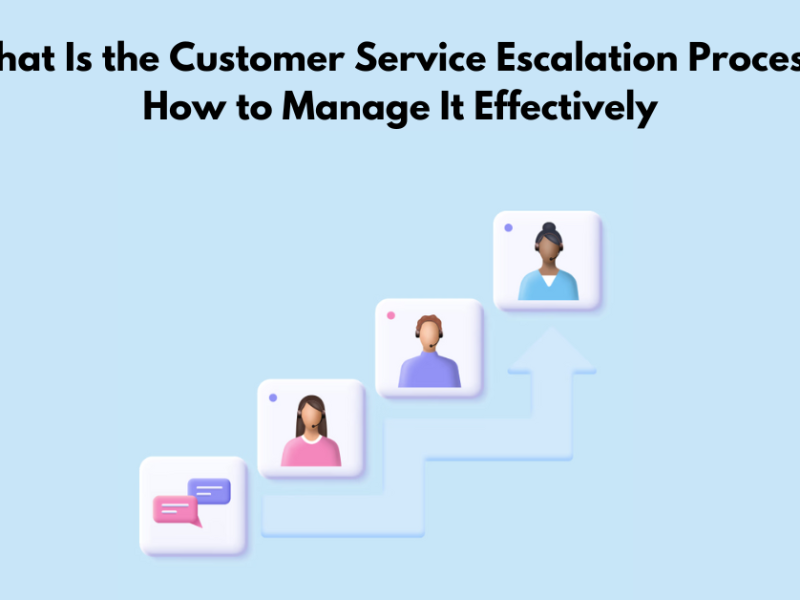
De-escalation in customer service means intentionally reducing emotional intensity so a conversation can move forward.
The goal is not to “win” an argument, but to create enough calm to resolve the issue.
De-escalation in customer service means intentionally reducing emotional intensity so a conversation can move forward productively. The goal isn’t to ‘win’ an argument—it’s to create enough calm to solve the actual problem.
Here’s the key distinction: De-escalation focuses on calming emotions first. Conflict resolution focuses on solving the issue. You can’t skip to resolution when someone is angry—emotions must come down before logic can work.
Think of it as two phases:
Phase 1 – De-escalation (0-90 seconds): Acknowledge emotion, show control, lower tension. Customer moves from anger to willingness to engage.
Phase 2 – Resolution (remainder of call): Clarify issue, offer solutions, reach agreement. Customer leaves satisfied or at least understood.
Most failed calls skip Phase 1 and jump straight to troubleshooting—which triggers more frustration because the customer doesn’t feel heard.
Emotions must come down before logic can work.
Why Customer Interactions Escalate So Quickly
Escalations rarely start as emergencies—they build when small frustrations compound without resolution. Understanding common triggers helps agents recognize warning signs early.
1. Repeat contact without progress The customer called twice before. Each time, they explained the problem. Each time, nothing changed. By the third call, frustration has turned into anger—not about the original issue, but about being ignored.
2. Broken or unclear expectations The agent said ‘someone will call you back soon.’ Three days pass. No call. When the customer reaches out again, trust is gone. They expect another runaround.
3. High-stakes situations Money is missing from an account. A service is down during a critical moment. Access to something important is blocked. Every minute without resolution feels like loss. Emotional intensity starts high and climbs fast.
4. Feeling dismissed or rushed The agent sounds distracted. Responses feel scripted. The customer can tell they’re just another ticket. When people don’t feel heard, they escalate to force attention.
The pattern: When customers lose a sense of control over their situation, emotions spike. Anger becomes a way to regain power—to make someone finally pay attention and take action.
Почему это важно:
High emotional calls increase handle time, lower CSAT, and accelerate agent burnout.
Core Principles of Effective De-Escalation
- Emotions Drive Behavior
When customers feel threatened or unheard, the brain shifts into a defensive mode. Logic drops. Emotion leads.
What works:
Acknowledge feelings before fixing anything.
What fails:
Jumping straight to policy, troubleshooting, or explanations.
Пример:
Customer: “This is ridiculous. I’ve been charged twice.”
Agent: “I can hear how frustrating that is. Let’s look at the charge together.”
-
Calm Is Contagious—So Is Panic
Your tone, pace, and volume directly shape the customer’s emotional state. When you stay calm, you give them permission to calm down. When you mirror their intensity, you confirm that the situation is out of control.
What works:
- Slower speech – Signals you’re not rushed, you have time for them
- Lower volume – Invites them to match your energy level
- Steady pace – Creates predictability and safety
What makes things worse:
- Talking faster – Signals stress or wanting to end the call quickly
- Matching their volume – Confirms their anger is justified and escalates conflict
- Sounding defensive – Makes them feel blamed for being upset
Example in action:
Customer (loud, fast): ‘I’ve been on hold forever and nobody is helping me!’
Agent (matching energy): ‘I’m sorry, but our wait times are longer than usual today—’
→ Customer hears: You’re making excuses.
Agent (calm, slower pace): ‘Thanks for waiting. I’m here now, and I’ll stay with you until we solve this.’
→ Customer hears: Someone is finally in control and helping me.
Notice the agent doesn’t apologize for hold time or explain why it happened. They simply redirect attention to resolution. Calm, forward-focused language de-escalates faster than defensive explanations.
Пример:
Customer: “I’ve been on hold forever!”
Agent: “Thanks for waiting. I’m here now, and I’ll stay with you.”
-
Validation Is Not Agreement
Many agents hesitate to validate customer emotions because they worry it means admitting the company did something wrong. This fear causes them to skip empathy entirely—which escalates tension.
Here’s the distinction:
- Validation = recognizing someone’s feelings are real to them
- Agreement = confirming their interpretation is factually correct
You can validate emotion without agreeing with conclusions.
What works: ‘I understand why this feels frustrating.’ → Acknowledges emotion, makes no claim about who’s right.
‘That would upset me too if it happened to me.’ → Shows empathy, doesn’t assign blame.
What creates problems: ‘You’re absolutely right, this is unacceptable.’ → If the situation is actually policy-compliant, you just contradicted your company and set wrong expectations.
‘I see why you’d be angry about being overcharged.’ → If they weren’t actually overcharged, you just validated an incorrect assumption.
Почему это важно: Validation lowers emotional resistance without creating disputes later. When customers feel heard, they’re more willing to listen to explanations—even if those explanations don’t give them what they want.
- People Calm Down When They Feel Heard
Interrupting or defending too early escalates tension.
What works:
Let the customer vent briefly. Then summarize.
Пример:
“So you were charged twice, and no one explained why. Did I get that right?”
This signals attention and control.
- Clarity Reduces Fear
Uncertainty keeps emotions high.
What works:
Clear next steps, timelines, and ownership.
What fails:
Vague promises or over-reassurance.
Пример:
“I’ll submit this now. You’ll see the refund in 3–5 business days.”
A Simple Step-by-Step De-Escalation Process Agents Can Follow
Step 1 – Stay Calm and Create Emotional Safety
Your tone sets the ceiling for the conversation.
Контрольный список:
- Take one slow breath before responding.
- Sit upright to stabilize your voice.
- Pause instead of reacting.
Wrong:
“Please calm down so I can help.”
Right:
“I’m here to help. Let’s take this one step at a time.”
Step 2 – Acknowledge the Customer’s Frustration
Validation lowers defensiveness.
Formula:
- Name the emotion
- Tie it to the situation
Example: “I can hear how frustrating the delay has been.”
This shows understanding without blame.
Step 3 – Clarify the Real Issue
Step 3 – Clarify the Real Issue
Strong emotions often mask the actual problem. A customer says they’re angry about being charged incorrectly—but the real frustration is that no one explained why. Another complains about a long hold time when the deeper issue is urgency they haven’t expressed yet.
Your job is to let emotion vent briefly, then redirect toward the solvable problem underneath.
Three-part framework:
1. Let them vent (30-60 seconds) Don’t interrupt. Don’t defend. Let them release initial frustration. Use short verbal cues: ‘I hear you,’ ‘Mm-hmm,’ ‘I understand.’
2. Ask clarifying questions (neutral tone) Move from emotion to facts. What specifically happened? When? What were they trying to do?
Good questions:
- ‘Walk me through what happened when you tried to [action].’
- ‘What were you expecting to happen?’
- ‘What would resolve this for you?’
3. Confirm understanding (restate in your words) Summarize what you heard. This shows attention and gives them a chance to correct misunderstandings.
Example interaction:
Customer: ‘This is ridiculous. I’ve been waiting for days and nobody knows anything!’
Agent: [Lets them finish, doesn’t interrupt]
Agent: ‘I hear how frustrating that’s been. Help me understand—what specifically are you waiting for, and when did this start?’
Customer: ‘I was told my refund would come in 3-5 days. It’s been 7 days. I called yesterday and the person didn’t even know about my case.’
Agent: ‘Okay, so you were promised a refund within 3-5 days, it’s now day 7, and when you followed up yesterday, the agent couldn’t find your request. Did I get that right?’
Customer: ‘Yes. Exactly.’
Agent: ‘Let me pull that up right now and see where it is.’
Notice how the agent moved from venting to facts to confirmation—then immediately into problem-solving. The customer calmed down because they felt heard and saw forward progress.
Step 4 – Offer Clear, Actionable Solutions
Control returns when customers see options.
Лучшие практики:
- Offer 1–2 realistic choices
- Avoid promises you can’t keep
- Set expectations clearly
Example: “I can issue a refund today or apply a credit. Which works better for you?”
Step 5 – Close the Interaction Calmly
How you end the call shapes how the customer remembers the entire interaction. A rushed or uncertain close undermines everything you built during de-escalation.
End with certainty, not relief.
Weak closes sound like the agent wants to escape: ‘Okay, so you should be all set now. Anything else I can help with?’ The customer hears uncertainty and feels dismissed.
Strong closes confirm resolution and ownership: ‘Here’s what happens next.’ The customer leaves confident the issue is handled.
Three elements of a strong close:
1. Confirm the solution clearly State exactly what you did and what the customer should expect.
2. Set specific next steps Include timing and who owns what. Avoid vague language like ‘soon’ or ‘we’ll get back to you.’
3. Reassure availability without creating doubt Let them know you’re available if needed—but don’t plant worry where none exists.
Примеры:
Weak close: ‘Okay, I submitted the refund request. It should process pretty soon. Let me know if you don’t see it.’
→ Customer hears: ‘Should’? ‘Pretty soon’? What if it doesn’t work?
Strong close: ‘I’ve processed your refund. You’ll see it in your account by Friday, March 15th. If anything changes, we’ll notify you immediately. Is there anything else I can help with today?’
→ Customer hears: Done. Specific date. They’ll tell me if something’s wrong. I can move on.
Почему это важно: Customers who leave calls with clear expectations are 40% less likely to call back. Strong closes protect both customer satisfaction and operational efficiency.
Top 10 De-Escalation Techniques for Customer Service

- Активное слушание
Use short verbal cues to show attention. It prevents repetition and builds trust. - Lowering Your Pace
Slower speech signals control and safety. - Empathy Statements
Name emotions to reduce intensity. - Mirroring Key Phrases
Repeat important words to show understanding without parroting. - Neutral Language
Replace blame-triggering words with process-focused language. - Offering Choices
Choice restores a sense of control. - Boundary Setting
Calmly state acceptable behavior without threats. - Summarizing Often
Summaries reduce confusion and reset tone. - Expectation Management
Clear timelines prevent follow-up anger. - Knowing When to Pause
Silence can slow emotional momentum.
What to Say vs. What to Avoid Saying to Angry Customers
Phrases That Help De-Escalate Situations
- “I understand why this is frustrating.”
- “Thanks for explaining that.”
- “Let’s look at the next step together.”
These phrases reduce defensiveness and invite collaboration.
Phrases That Escalate Conflict
| Avoid Saying | Say Instead |
|---|---|
| “Calm down.” | “I’m here to help.” |
| “That’s our policy.” | “Here’s what I can do.” |
| “You misunderstood.” | “Let me clarify.” |
Handling Extreme or High-Risk Customer Situations
Dealing With Verbally Abusive Customers
Set boundaries early and calmly.
Script: “I want to help, but I can’t continue if the language continues.”
If it persists, escalate per policy. Agent safety comes first.
Managing Repeated Complaints or Chronic Issues
Stay consistent.
- Acknowledge history
- Avoid sounding scripted
- Focus on resolution, not defense
Consistency builds credibility.
When and How to Escalate to a Supervisor
Escalate when:
- Abuse continues
- Authority limits block resolution
- Emotions stay high despite effort
Warm handoff checklist:
- Summarize the issue
- Transfer with context
- Stay present until connected
Using De-Escalation Across Different Support Channels
- Телефон: Tone and pacing matter most.
- Чат: Word choice and response timing matter.
- Электронная почта: Structure and clarity prevent misinterpretation.
Benefits of Strong De-Escalation Skills for Teams and Businesses
- Higher CSAT and retention through calmer resolutions.
- Shorter handle times once emotions stabilize.
- Reduced agent burnout and turnover.
- Fewer escalations to supervisors.
FAQ – De-Escalation Techniques in Customer Service

What should I do if a customer won’t calm down?
Stay consistent, set boundaries, and escalate if behavior remains abusive.
Does apologizing always help?
Apologies help when paired with action and clarity, not excuses.
How long should I let a customer vent?
Usually 30–60 seconds. Then summarize and redirect.
Can de-escalation work in chat or email?
Yes. Clear language, validation, and structure are key.
Заключение
De-escalation is not a soft skill you hope agents figure out naturally. It’s a core customer service competency that directly impacts handle time, CSAT, repeat contacts, and agent retention.
Here’s what separates high-performing teams from struggling ones:
High-performing teams treat de-escalation like any other technical skill—they train it systematically, measure it consistently, and coach it with specific feedback.
Struggling teams assume agents will learn through experience. They don’t. Bad habits compound instead.
Key principles to remember:
- Emotions must stabilize before logic works. Acknowledge feelings first, solve second.
- Calm is contagious. Your tone and pace set the ceiling for the conversation.
- Validation isn’t agreement. You can recognize emotion without admitting fault.
- Clarity reduces fear. Specific next steps and timelines prevent follow-up escalations.
- Strong closes matter. How you end the call shapes how customers remember the entire interaction.
Start applying this today:
Для агентов: Pick 3 techniques from this guide and practice them on your next 5 calls. Focus on lowering your pace, using empathy statements, and confirming understanding.
For team leaders: Review escalated calls with agents using the 5-step framework. Identify which step broke down and role-play alternative approaches.
For QA teams: Track de-escalation success rate as a metric. How many high-emotion calls are resolved without supervisor escalation? What language patterns correlate with successful outcomes?
De-escalation becomes automatic when you train it deliberately. Start with the framework, practice the techniques, and measure what works.
Часто задаваемые вопросы
What are de-escalation techniques in customer service?
De-escalation techniques in customer service are strategies used to calm angry customers, reduce tension, and address their issues constructively. They focus on resolving conflicts effectively and maintaining customer satisfaction.
Why is active listening important in de-escalation?
Active listening helps in de-escalation by showing customers that their concerns are valued. It allows agents to understand the issue fully and respond appropriately, diffusing anger and frustration.
How can I stay calm when a customer is angry?
To stay calm, focus on controlling your breathing, maintain a steady tone, and remember to separate personal emotions from the situation. This helps create an environment of emotional safety for both the agent and the customer.
What is the HEARD method in conflict resolution?
The HEARD method includes: Hear the customer, Empathize with their situation, Apologize for the inconvenience, Resolve the issue, and Diagnose the problem to prevent future occurrences. This method promotes effective de-escalation.
How should I handle verbally abusive customers?
Politely set clear boundaries and inform the customer that abusive behavior is unacceptable. If needed, involve a supervisor to assist, ensuring the conversation remains professional and productive.
Читать далее:
Customer Privacy Compliance Checklist for Small US Businesses
Customer Service Best Practices: 12 Proven Ways to Improve CX



 English
  Russian
  Chinese