

Клиент телекоммуникационной компании звонит в службу поддержки по поводу ошибки при выставлении счета. Он объясняет проблему системе IVR. Затем первому агенту. Затем их переводят и снова объясняют. Затем их перевели и объяснили в третий раз. Через сорок минут они выдохлись, а проблема так и не была решена.
Вот как выглядит некачественный клиентский опыт. И это стоит вам клиентов.
Преобразование клиентского опыта позволяет устранить проблему в корне - не за счет обучения лучших агентов, а за счет изменения методов предоставления услуг всей вашей организацией. Если все сделано правильно, тот же клиент никогда не позвонит, потому что ошибка в биллинге будет поймана и исправлена автоматически. Когда они звонят, агент уже имеет полный контекст и решает проблему за три минуты.
Влияние на бизнес поддается количественной оценке, а текущая динамика развития делает этот аргумент ещё более убедительным, чем несколько лет назад. Согласно результатам исследования «Глобальный индекс клиентского опыта (CX) на 2025 год», проведённого компанией Forrester, было установлено, что Качество обслуживания клиентов у 21% брендов ухудшилось, тогда как у 6% — улучшилось — В США показатель 25% снизился, в то время как показатель 7% улучшился; такая динамика наблюдается второй год подряд. С другой стороны, по оценкам McKinsey, доходность программ по улучшению качества обслуживания клиентов составляет Рост выручки на 5–10% и сокращение затрат на 15–25% в течение двух–трех лет. Большинство компаний не пренебрегают вопросами клиентского опыта (CX); они работают над этим, но при этом отсутствует комплексная трансформация, которая бы объединяла все эти усилия.
Это руководство покажет вам, как планировать, осуществлять и масштабировать трансформацию клиентского опыта без чрезмерного усложнения - с четкими рамками, реальными цифрами и практическими шагами, которые вы можете начать уже в этом квартале.
Основные выводы
- Трансформация клиентского опыта - это изменение в масштабах всего бизнеса, а не инициатива команды CX.
- Трансформация CX сосредоточена на долгосрочной ценности, в то время как оптимизация CX улучшает отдельные точки соприкосновения.
- Культура, данные, технологии и процессы должны быть единым целым, чтобы создать эффект.
- Последовательность Omnichannel важнее, чем добавление новых каналов.
- ИИ улучшает CX только в том случае, если он основан на четких потребностях клиентов и качественных данных.
- Измерение CX без увязки с доходами приводит к остановке преобразований.
- Если начать с малого и четко расставить приоритеты, результаты будут быстрее, чем при реализации масштабных программ.
Что такое трансформация клиентского опыта?
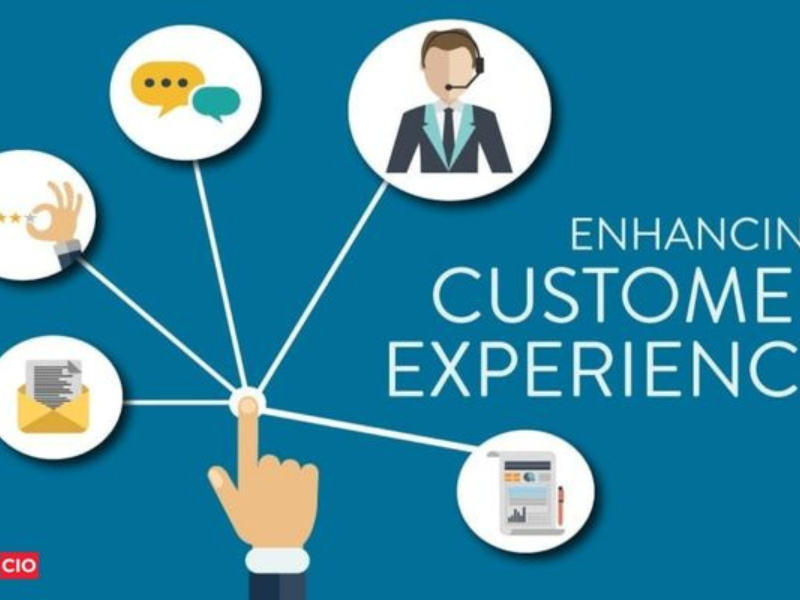
Трансформация клиентского опыта - это изменения в масштабах всего бизнеса, которые меняют представление клиентов о вашем бренде во всех сферах взаимодействия - маркетинге, продажах, внедрении, поддержке, продлении отношений.
Это разница между:
- Клиент пять раз повторяет номер своего счета в трех отделах.
- против. Мгновенное узнавание по всем каналам с полным контекстом
Или:
- Узнайте о проблеме продукта из гневных постов в социальных сетях
- против. Выявление моделей использования, предсказывающих проблемы, и их проактивное устранение
Для этого необходимо, чтобы четыре элемента работали вместе: люди (согласованные стимулы), процессы (рабочие процессы, основанные на путешествиях), данные (единое представление о клиенте) и технологии (платформы, которые соединяют все). Если изменить один из них без остальных, трансформация не удастся.
Речь идет не о добавлении инструментов или улучшении одного канала. Речь идет об изменении того, как организация думает, принимает решения и действует в отношении клиентов, при этом каждая команда использует одни и те же данные о клиентах для обеспечения согласованного опыта.
Различие, определяющее сферу применения:
| Аспект | Оптимизация CX | Трансформация CX |
|---|---|---|
| Область применения | Индивидуальные точки соприкосновения | Сплошной путь клиента |
| Временной горизонт | Краткосрочные улучшения | Долгосрочные изменения в бизнесе |
| Собственность | Команды CX или службы поддержки | Исполнительное руководство |
| Воздействие | Увеличение прибыли | Доходы, лояльность, дифференциация |
Оптимизация устраняет трение. Трансформация меняет результаты.
И вот различие, которое люди путают чаще всего:
| Область | Трансформация обслуживания клиентов | Трансформация CX |
|---|---|---|
| Фокус | Поддержка взаимодействия | Весь жизненный цикл клиента |
| Триггер | Вопросы и жалобы | Потребности, ожидания, эмоции |
| Метрика успеха | Скорость разрешения | Пожизненная ценность и лояльность |
| Роль | Реактивный | Проактивность и прогнозирование |
Обслуживание клиентов - это одна из составляющих CX, а не вся система.
Что на самом деле включает в себя CX-трансформация
-
Успешная трансформация CX требует совместной работы четырех основополагающих элементов:
Люди: Руководство должно моделировать решения, ориентированные на клиента, и согласовывать стимулы с результатами деятельности клиента, а не только с эффективностью работы отдела. Пример: Компания SaaS перевела вознаграждение за продажи с “закрытых сделок” на “активных клиентов через 90 дней”. Результат: Представители начали продавать более подходящим клиентам, сократив отток на 23% в течение шести месяцев.
Процессы: Замените передачу информации по отделам рабочими процессами, основанными на маршрутах. Когда клиент переходит на новый уровень, знает ли об этом маркетинг? Есть ли у службы поддержки контекст? Процессы, основанные на путешествиях, позволяют каждой команде видеть полную историю клиента, что исключает ситуацию “давайте я вас переведу”, которая подрывает доверие.
Данные: Создайте единое представление о клиенте по всем каналам и во времени. Это означает, что агент службы поддержки видит последнюю покупку клиента, его недавнюю активность на сайте и предыдущие тикеты на одном экране, а не в пяти разных инструментах. Без этого персонализация невозможна, и клиенты постоянно повторяют друг друга.
Технология: Платформы обеспечивают персонализацию, автоматизацию и инсайты, но только в том случае, если они руководствуются четкой стратегией. Правильный технологический стек объединяет данные, организует путешествия и автоматизирует рутинные взаимодействия, сохраняя людей для решения сложных задач. Начните с возможностей интеграции, а не со списка функций.
Как это вписывается в процесс трансформации бизнеса.
Трансформация CX находится на пересечении цифровой трансформации и стратегии роста. Она превращает инвестиции в технологии в потребительскую ценность и делает стратегию видимой для клиентов.
Пример:
B2B SaaS-компания переходит от разрозненных команд по продажам, внедрению и поддержке к модели совместного путешествия. Клиенты быстрее осваивают процесс, получают проактивные рекомендации и последовательные сообщения. Отток снижается. Доходы от расширения растут.
Почему трансформация клиентского опыта важна сегодня
Этот коммерческий аргумент хорошо обоснован, и самое неприятное заключается в том, что большинство организаций уже признают его, но по-прежнему движутся в обратном направлении. Компания Forrester связывает многолетний спад с четырьмя причинами: ухудшением качества работы сотрудников, ослаблением ориентации на клиента, неудовлетворительным внедрением технологий и экономической нестабильностью. Три из этих четырёх причин носят организационный, а не технический характер, и именно поэтому постепенные исправления перестают работать, а структурные изменения становятся единственным оставшимся вариантом.
В трёх разделах ниже рассматривается, чего сейчас ожидают клиенты, почему пользовательский опыт стал тем фактором, который позволяет компании удержать конкурентное преимущество в условиях, когда функциональные возможности и ценовая политика копируются в течение нескольких месяцев, а также как на самом деле устроена механика получения дохода, если отбросить цифры, которые циркулируют без указания источника.

Клиенты ожидают большего, быстрее
Клиенты ожидают большего, быстрее - и они сравнивают вас со всеми
Покупатели, ориентированные на цифровые технологии, не сравнивают ваш опыт оформления заказа с конкурентами. Они сравнивают его с заказом в один клик от Amazon, отслеживанием в реальном времени от Uber и мгновенной персонализацией от Netflix.
Это создает невыполнимые стандарты для традиционного бизнеса. Покупатель программного обеспечения B2B, ожидающий мгновенной поддержки в чате в 11 часов вечера, не будет ждать, пока ваша служба поддержки не начнет работу с 9 до 17 часов. Покупатель розничной торговли, который получает доставку в тот же день от одного бренда, откажется от корзины в другом, если доставка займет неделю.
Цифры доказывают это:
- 32% потребителей отказались бы от любимого бренда после всего одного неудачного опыта — PwC, Опыт — это всё, 15 000 респондентов
- 73% отмечают, что положительный опыт является ключевым фактором, влияющим на их лояльность к бренду (то же исследование)
- Ценовая надбавка, которую потребители готовы заплатить за высокое качество обслуживания, составляет до 16%, и Институт Qualtrics XM выяснил, что 72% американских потребителей готовы платить больше для получения первоклассного опыта
Асимметрия этих цифр свидетельствует в пользу радикальных преобразований, а не постепенных исправлений: опыт приобретается постепенно, а теряется в одно мгновение. Программа, которая улучшает девять точек взаимодействия, но оставляет десятую в нерабочем состоянии, не приносит девять десятых ожидаемой выгоды.
Скорость, ясность и актуальность больше не являются конкурентными преимуществами - это требования выживания. Когда опыт кажется медленным или фрагментированным, клиенты не жалуются. Они молча переключаются.
Опыт — вот что действительно выделяет нас среди других.
Продукты копируются. Цены сближаются. Опыт становится сложнее воспроизвести.
Сильные CX создают эмоциональное доверие, снижают количество переключений и оправдывают премиальные цены.
CX напрямую влияет на доходы
-
Сильный клиентский опыт создает три взаимодополняющих эффекта на прибыль:
1. Удержание умножает ценность клиента Хорошо известная модель компании Bain — рост прибыли на 25–95% за счет увеличения уровня удержания клиентов на 5%, которая получила широкую известность благодаря Harvard Business Review — восходит к исследованию Райххельда и Сассера 1990 года, в ходе которого был измерен показатель 25-85% в исследуемых компаниях. Рассматривайте его скорее как ориентир порядка величины, а не как прогноз для вашего бизнеса. Механизм прост: удержание клиента не требует затрат на его привлечение, поэтому при тех же доходах маржа оказывается иной.
Реальный пример: Бизнес по подписке с годовым удержанием 80% и средней стоимостью клиента $100 генерирует пожизненную стоимость $500. Повысьте уровень удержания до 85%, и пожизненная ценность подскочит до $667 - рост на 33% всего с 5 процентных пунктов.
2. Снижение трения сокращает эксплуатационные расходы Каждый клиент, который решает проблемы с помощью самообслуживания, а не звонит в службу поддержки, экономит $6-8 на каждом взаимодействии. Для компании, ежегодно обращающейся в службу поддержки со 100 000 запросов, улучшение CX-дизайна может устранить 30 000 контактов, которых можно было бы избежать, что позволит сэкономить $180 000-$240 000 в год и повысить уровень удовлетворенности.
3. Удобство использования стимулирует повторные покупки Наиболее убедительные данные в данном случае касаются не удовлетворенности, а затраченных усилий. Исследование CEB, которое в настоящее время входит в состав компании Gartner, показало, что 94% клиентов, которые оценили процесс покупки как «не требующий больших усилий», намеревались совершить повторную покупку, а 88% заявили, что увеличат свои расходы, при этом 96% клиентов, столкнувшихся с ситуацией, требующей значительных усилий, стали менее лояльными — в то время как среди клиентов, которым не пришлось прилагать особых усилий, таких было всего 9%. Это самый наглядный пример того, что лучше упрощать процесс, а не усложнять его.
Кумулятивный эффект: Эти три механизма взаимодействуют друг с другом, а не просто суммируются. Речь идет не просто о корреляции. Повышение качества обслуживания приводит к ощутимым бизнес-результатам.
Что происходит, когда игнорируется качество обслуживания клиентов (CX):
Обычный сценарий:
- Команды оптимизируют свои собственные KPI.
- Клиенты повторяют информацию по всем каналам.
- Проблемы решаются поздно, а не предотвращаются.
- Маркетинг обещает больше, чем может обеспечить доставка.
Результат - потеря доверия и рост расходов.
Основные составляющие успешной трансформации CX
Четыре столпа несут на себе всю нагрузку, и причина, по которой они перечислены вместе, заключается в том, что изменение одного из них в отрыве от остальных — это наиболее распространенная причина, по которой трансформация заходит в тупик. Культура без данных порождает убеждения, не подкрепленные фактами. Данные без технологий дают аналитические выводы, на основе которых никто не может действовать в широком масштабе. Технологии без культуры приводят к созданию дорогостоящей платформы, которая каждый квартал фиксирует одни и те же проблемы.
Кроме того, они терпят неудачу в предсказуемом порядке. Изменение корпоративной культуры происходит медленнее всего и от него отказываются в первую очередь, когда возникает давление со стороны квартальных отчетов; работа с данными не привлекает внимания и откладывается на потом; закупку технологий одобрить проще всего, поэтому так много программ состоят исключительно из этого компонента. Распланируйте работу таким образом, чтобы недорогие и требующие времени компоненты начинались в самом начале, а не в конце.
Мышление и культура, ориентированные на клиента
Культура, ориентированная на клиента, означает, что решения принимаются на основе влияния на клиента, а не внутреннего удобства. Это звучит просто, но требует целенаправленных организационных изменений.
Лидеры должны моделировать поведение, ориентированное на клиента: Когда руководитель отдает приоритет своевременной доставке функции, а не устранению известной болевой точки клиента, команды это замечают. Когда руководство анализирует отзывы клиентов на каждом стратегическом совещании, команды расставляют приоритеты соответствующим образом. Культура формируется благодаря последовательным действиям, а не ценностным плакатам.
Стимулы должны поощрять не только эффективность, но и результаты работы с клиентами: Контакт-центр, оценивающий работу агентов исключительно по времени обработки звонка, будет создавать поспешные и неудовлетворительные ситуации. Если переключить метрики на скорость решения проблем и удовлетворенность клиентов, поведение сразу же изменится.
Команды должны понимать, как их работа влияет на реальных клиентов: Инженеры должны слушать звонки в службу поддержки. Менеджеры по продуктам должны наблюдать за работой команд по работе с клиентами. Маркетинг должен видеть, какие кампании приводят к счастливым клиентам, а какие - к тем, кто уходит через 30 дней. Такая наглядность способствует сопереживанию и принятию лучших решений.
Почему это важно: Клиенты запоминают не только то, что им доставили, но и то, как с ними общались. Задержка груза при активном общении и искренней заботе вызывает большую лояльность, чем своевременная доставка с нулевой индивидуальностью. Эмоциональный резонанс способствует повторному бизнесу.
Пример неудачи:
Ритейлер вкладывает значительные средства в инструменты персонализации, но при этом персонал магазина нацелен только на скорость. Ощущение спешки и обезличенности. Удовлетворенность падает.
Данные, инсайты и понимание клиентов
Трансформация требует единого представления о клиенте, а не новых приборных панелей.
Трансформация требует единого представления о клиенте, а не новых приборных панелей. Вот что это означает на самом деле:
Платформы данных о клиентах (CDP) объединить данные из всех источников - поведение на сайте, история покупок, обращения в службу поддержки, взаимодействие по электронной почте - в единый профиль клиента. Это устраняет фрагментарное представление, когда маркетинг видит одного клиента, продажи - другого, а служба поддержки - третьего. Без CDP или аналогичной интеграции персонализация - это догадки.
Предиктивная аналитика поведения использует исторические данные для прогнозирования будущих действий. Пример: Если использование клиента упало на 40% и он не заходил в систему в течение 15 дней, прогнозирующие модели помечают его для вмешательства в процесс удержания до того, как он откажется от услуг. Таким образом, вы переходите от реактивного (реагирующего на отказ от услуг) к проактивному (предотвращающему его).
Петли обратной связи постоянно фиксировать мнение клиентов с помощью опросов, отзывов, взаимодействия со службой поддержки и социальных сетей. Главное - не просто собрать отзывы, а показать клиентам, как их мнение способствует изменениям. Это укрепляет доверие и увеличивает количество откликов в будущем.
Начните с простого: Определите ключевые вопросы клиентов, на которые вам нужно получить ответы (кто, скорее всего, будет отторгаться? Кто готов к обновлению? Где прерываются маршруты?), а затем определите источники данных, которые имеют значение. Улучшите качество данных, прежде чем увеличивать их объем - чистые данные о 1 000 клиентов победят беспорядочные данные о 100 000.
Начните с простого:
- Определите ключевые вопросы клиентов, на которые вам нужно получить ответы.
- Определите источники данных, которые имеют значение.
- Улучшите качество данных, прежде чем добавлять их объем.
Делайте:
- Приведите данные в соответствие с маршрутами.
- Обменивайтесь информацией между командами.
Не надо:
- Сбор данных без планов действий.
- Создавайте отчеты, которые никто не использует.
Внедрение технологий без излишнего усложнения
Технологии обеспечивают трансформацию CX, но не создают стратегию. Инструменты без четких потребностей клиентов создают дорогостоящий шум.
Эффективные примеры использования ИИ с реальным возвратом инвестиций:
Персонализация контента и предложений: Вместо того чтобы показывать каждому покупателю одну и ту же домашнюю страницу, искусственный интеллект анализирует его поведение, чтобы вывести на экран соответствующие продукты. Пример: На сайте электронной коммерции, использующем персонализацию с помощью искусственного интеллекта, конверсия в рекомендуемые товары была на 35% выше по сравнению с общим мерчендайзингом.
Автоматизация рутинной поддержки: Чат-боты с искусственным интеллектом решают вопросы сброса пароля, отслеживания заказов и ответов на часто задаваемые вопросы, освобождая агентов для решения сложных проблем. Одна телекоммуникационная компания сократила объем технической поддержки на 40%, повысив при этом уровень удовлетворенности, поскольку клиенты получали мгновенные ответы на простые вопросы и более быструю человеческую помощь при решении сложных вопросов.
Помощь агентам в виде рекомендаций в режиме реального времени: ИИ отслеживает звонки и предлагает ответы, соответствующие статьи знаний или следующие оптимальные действия. Это особенно полезно для новых агентов - в некоторых контакт-центрах время перехода на новый уровень сократилось с 12 до 6 недель.
Генеративный ИИ (ИИ, создающий оригинальные ответы, а не заранее написанные сценарии) лучше всего работает, когда руководствуется четкими правилами и контекстом бренда. Без управления он может создавать ответы, которые звучат полезно, но противоречат политике компании или мнению бренда. Относитесь к нему как к умному стажеру: он способен, но нуждается в контроле.
Распространенные ошибки:
- Покупка инструментов до определения маршрутов.
- Добавление ИИ без управления.
- Замена человеческого сопереживания автоматизацией.
Бесшовный многоканальный опыт
Omnichannel означает, что клиенты перемещаются по каналам, не теряя контекста и не повторяясь.
Как это выглядит на практике: Покупатель просматривает товары в вашем мобильном приложении, добавляет их в корзину, а затем переходит на настольный компьютер, чтобы завершить покупку. В омниканальном опыте корзина уже находится там, а персонализированные рекомендации основаны на мобильном просмотре. После покупки покупатели получают обновления заказа по SMS со ссылками, которые открывают приложение. Когда они звонят в службу поддержки по поводу доставки, агент видит весь путь - просмотр приложения, покупку на настольном компьютере, нажатия на SMS - и не задает вопросов.
Ключевые принципы, благодаря которым это работает:
Совместное использование истории клиентов в разных точках контакта: Все системы - веб-сайт, мобильные устройства, служба поддержки, магазины - записывают и считывают данные из одного и того же профиля клиента в режиме реального времени. Никаких информационных силосов.
Последовательный тон и политика: Правила возврата, ценообразование, Взаимодействие с клиентами по электронной почте, в чате, по телефону или при личной встрече, а также рекламные акции и голос бренда остаются неизменными. Непоследовательность разрушает доверие быстрее, чем что-либо другое.
Персонализация в реальном времени на основе поведения: Если покупатель оставил корзину в 14:00, в письме от 18:00 следует упомянуть именно эти товары, а не общие рекламные акции. Если клиент пожаловался в социальных сетях, в следующем взаимодействии со службой поддержки это должно быть проактивно отмечено.
Большинство неудач omnichannel происходит при передаче данных. Составьте карту переключения каналов (с веб-сайта на телефон, с электронной почты на чат, из интернет-магазина в магазин) и обеспечьте полную передачу контекста в эти моменты.
Этапы составления карты путешествия:
- Определите ключевые моменты, которые имеют значение.
- Картографируйте каналы, используемые на каждом этапе.
- Устраните трение между переходами.
Пример:
Покупатель начинает возврат онлайн и завершает его в магазине, не повторяя информацию.
Такие платформы, как унифицированные системы CX, поддерживают эту последовательность.
Пошаговая схема трансформации CX
Пять шагов, выполненных по порядку, причем порядок имеет большее значение, чем сложность любого отдельного шага. Большинство провалившихся программ успешно выполнили третий шаг, так и не завершив первый, а затем не смогли объяснить финансовому директору, почему эта работа заслуживает еще одного года.
Следует ожидать, что первый цикл будет меньше, чем предполагает сама концепция: один проект, один ответственный сотрудник, два заранее согласованных показателя и дата проведения обзора. Это позволяет получить измеримый результат в течение квартала. При запуске полномасштабной программы сразу же в течение квартала формируется руководящий комитет, а это уже совсем другое дело.
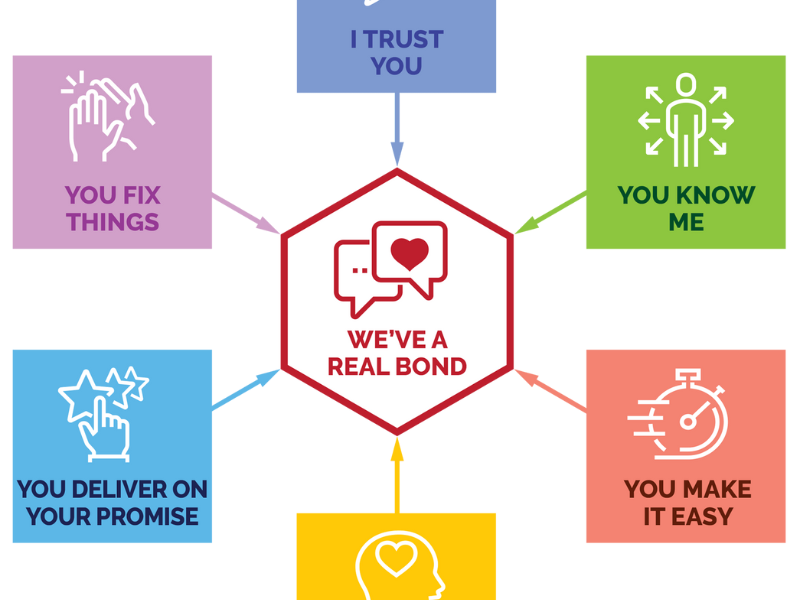
Шаг 1 - Оцените текущий опыт клиентов
-
Начните с понимания того, что на самом деле испытывают клиенты сегодня, а не того, что вы думаете, что они испытывают.
Составьте карту основных маршрутов с точки зрения клиента: Выберите 2-3 пути с высокой степенью воздействия (например, первая покупка, ввод в курс дела, запрос в службу поддержки, продление договора). Пройдитесь по каждому этапу так, как это сделал бы клиент. Где они ждут? Где они повторяют информацию? Где они путаются или расстраиваются?
Выявите трения, задержки и эмоциональные болевые точки: Трудности = лишние шаги, неясные инструкции, медленная загрузка. Задержки = ожидание ответов, узкие места в утверждении, неясные сроки. Эмоциональные болевые точки = ощущение, что вас игнорируют, не ценят или относятся как к числу. Эти эмоциональные моменты имеют большее значение, чем рабочие.
Сочетайте количественные показатели с качественными: Метрики показывают, где клиенты отпадают. Опросы и отзывы объясняют, почему. Вам нужно и то, и другое. Показатель отказа от корзины в 60% - это метрика. Узнать, что покупатели отказываются от корзины, потому что стоимость доставки появляется слишком поздно, - это инсайт.
Практический подход: Проведите 5-10 клиентов через путешествие. Записывайте каждый шаг, каждое ожидание, каждую передачу. Попросите их рассказать о своих мыслях. За 2 часа наблюдения вы найдете больше проблем, чем за 20 часов просмотра приборных панелей.
Избегайте чрезмерного анализа. Ищите закономерности, а не идеалы. Если 7 из 10 клиентов жалуются на одно и то же место трения, это ваш приоритет - даже если ваша карта процесса говорит, что все должно работать нормально.
Шаг 2 - Перепроектируйте путешествия клиентов в соответствии с реальными потребностями
-
Не пытайтесь исправить все сразу. Безжалостно расставляйте приоритеты.
Определите приоритеты путешествий, оказывающих наибольшее влияние на бизнес: Используйте эту схему:
- Какие поездки затрагивают больше всего клиентов? (объем)
- Какие путешествия приносят наибольший доход? (стоимость)
- Какие путешествия вызывают наибольшее трение? (возможность)
Пример: Компания SaaS выделила три критических пути - введение в должность, обновление, продление. В процессе регистрации был самый большой объем (100% клиентов), в процессе обновления - самая большая ценность ($50K ARR на успех), а в процессе продления - самое большое трение (40% коэффициент оттока). Они начали с онбординга, потому что его исправление повысило успешность обновления и продления.
Сосредоточьтесь на моментах, которые влияют на доверие и решения: Не каждый шаг имеет одинаковое значение. Момент, когда клиент понимает, что ваш продукт решает его проблему? Критически важно. Момент, когда они решают, стоит ли продлевать контракт? Критический. Момент, когда они заполняют второстепенное поле профиля? Менее важно. Вкладывайте усилия в разработку пропорционально.
Дизайн в первую очередь прост, а персонализация - во вторую: Устраните ненужные шаги, прежде чем добавлять интеллектуальные функции. Если процесс регистрации состоит из 12 этапов, можно ли полностью исключить 4? Можно ли предварительно заполнить поля, используя существующие данные? Простота всегда побеждает умную сложность.
Проверка на реальность: Гиперперперсонализация работает только тогда, когда все основы надежны. Если ваш сайт работает медленно, навигация запутанная, а формы не работают, рекомендации продуктов на основе искусственного интеллекта вас не спасут. Сначала исправьте основы.
Шаг 3 - Обеспечение с помощью правильных инструментов и платформ
Сосредоточьтесь на категориях, а не на брендах:
- Унификация данных
- Оркестровка путешествия
- Аналитика и аналитические данные
- Автоматизация и искусственный интеллект
Интеграция имеет большее значение, чем количество функций.
Правило последовательности действий — это то, что большинство программ нарушают: сначала наладьте процесс, а потом приобретайте то, что позволит его масштабировать. Если поменять этот порядок на противоположный, внедрение технологии окажется в списке причин снижения показателей клиентского опыта. Перед любой покупкой нужно четко сформулировать вопрос, на который вы в данный момент не можете ответить — “мы не можем просматривать историю взаимодействия с клиентом по всем каналам” является реальным требованием, тогда как “нам нужна более совершенная технология для улучшения клиентского опыта” — это покупка, которая обречена на разочарование.
Два критерия позволяют определить, помогает ли инструмент или, напротив, усугубляет разрозненность данных. Во-первых, какие данные он записывает обратно в вашу собственную базу данных о клиентах? Любой инструмент, который выводит отчеты только внутри своего интерфейса, вновь создает ту разрозненность, для устранения которой его и приобрели. Во-вторых, можно ли экспортировать исходные данные в стандартном формате? Ответ на этот вопрос определяет, насколько дорого обойдётся вам передумать, и гораздо дешевле спросить об этом до подписания договора, чем после.
Шаг 4 - Согласование команд, процессов и управления
Разрушайте силосы:
- Назначение владельцев путешествий.
- Создание общих KPI.
- Установление четких прав на принятие решений.
Управление обеспечивает постоянство CX при масштабировании бизнеса.
Общие показатели результативности играют здесь более важную роль, чем любая реорганизация. Когда отделы маркетинга, продукта и поддержки оцениваются по своим собственным показателям — количеству регистраций, времени безотказной работы, времени обработки запросов — общее качество обслуживания ухудшается, хотя все отчетные панели выглядят благополучно и никто не несет ответственности за общий результат. Оценка всех трех подразделений по одному и тому же конечному результату — единственный механизм, который надежно выдерживает испытание следующим кварталом.
Права принятия решений имеют такое же значение, как и показатели. Необходимо заранее определить, кто принимает окончательное решение в случае разногласий между командами, и сделать это до возникновения первого спора, а не во время него. Система управления, которая сводится лишь к регулярным совещаниям, не является настоящей системой управления; критерием является то, может ли кто-либо принять решение, которое повлечет за собой определенные издержки для другого подразделения, и обеспечить его выполнение.
Шаг 5 - измеряйте, изучайте и постоянно совершенствуйте
Трансформация CX не заканчивается на этапе запуска. Постройте замкнутый цикл, который постоянно совершенствуется:
1. Измерьте результаты на уровне путешествия: Отслеживайте показатели по каждой поездке, а не только общую удовлетворенность. Примеры показателей:
- Ввод в эксплуатацию: Время до получения первой ценности, коэффициент активации, удержание D30
- Покупки: Доля отказов от корзины, время оформления заказа, точность оформления заказа
- Поддержка: Решение проблемы при первом обращении, время обработки, количество повторных обращений
2. Учитесь на обратной связи и поведении: Объедините то, что говорят покупатели (опросы, интервью), с тем, что они делают (аналитика, точки падения). Часто они рассказывают разные истории. Клиенты могут говорить, что им нужно больше функций, но данные показывают, что они не используют существующие.
3. Корректировка маршрутов на основе полученных данных: Проведите небольшие тесты, измерьте эффект, выведите на рынок победителей. Пример: Один ритейлер обнаружил, что покупатели отказываются от корзины, когда стоимость доставки появляется при оформлении заказа. Они протестировали показ оценки стоимости доставки в начале просмотра. Число отказов от корзины снизилось на 18%.
4. Повторяйте цикл еженедельно или ежемесячно: Установите регулярный график для анализа эффективности поездок, обсуждения полученных результатов и внедрения улучшений. Это позволит предотвратить превращение CX в разовый проект.
Критический фактор успеха: Свяжите показатели CX с доходами и удержанием персонала, чтобы заручиться поддержкой руководства. Покажите, что повышение активации при приеме на работу с 40% до 55% увеличило годовой доход на $2M. Одни лишь показатели удовлетворенности не помогут сохранить динамику преобразований, а повлияют на бизнес.
Общие проблемы, которые приводят к неудаче преобразований CX
- Отсутствие руководящего состава: CX становится побочным проектом.
- Мышление, ориентированное на технологии: Инструменты без стратегии создают шум.
- Замкнутые команды: Путешествия обрываются на передаче.
- Слишком много метрик: Нет фокуса на том, что способствует росту.
- Игнорирование культуры: Поведение остается неизменным.
- Завышенные требования: Крупные программы пробуксовывают без ранних побед.
Смягчение последствий начинается с четкого определения приоритетов и согласования действий руководства.
Две из шести ошибок стоит рассмотреть подробнее, поскольку они приводят к сбоям, которые внешне похожи на другие проблемы. Отсутствие ответственности со стороны руководства редко позиционирует себя как оппозицию — она выступает в роли спонсора, который в принципе согласен со всем и никогда не выступает в роли арбитра, когда отделы маркетинга, разработки продукта и технической поддержки преследуют разные цели. Для трансформации, охватывающей несколько отделов, нужен человек, способный урегулировать эти противоречия; без такого человека программа незаметно возвращается к тому, чем каждая команда занималась ранее.
Чрезмерная амбициозность — это тот вариант провала, который больше всего напоминает усердие. Программу, охватывающую все направления, все каналы и все команды, утвердить проще, чем узконаправленную, потому что никому не приходится ни в чём отказывать. Кроме того, именно такая программа не приносит никаких измеримых результатов в рамках бюджетного года, а программы, результаты которых невозможно измерить, первыми попадают под сокращение. Противоядие неудобно и просто: выберите два приоритета, расставьте их по важности и запишите, от чего вы решили отказаться в этом году.
Общая черта всех шести проблем заключается в том, что ни одна из них не связана с технологическими ограничениями. Приобретение более совершенной платформы не решает ни одну из них, и именно поэтому трансформации, ориентированные в первую очередь на технологии, как правило, вновь появляются в этом списке спустя два года.
Ключевые показатели для оценки успеха CX-трансформации
Четыре показателя охватывают большую часть информации, необходимой для проведения трансформации, и ошибкой является восприятие их как системы оценки, в которой более высокие показатели во всех случаях означают улучшение. Каждый из них отвечает на свой вопрос в разных временных рамках, и анализ только одного из них может ввести вас в заблуждение.
| Метрика | Что он измеряет | Почему это важно |
|---|---|---|
| NPS | Лояльность и пропаганда | Прогнозирует рост |
| CSAT | Удовлетворенность взаимодействием | Качество сигнала |
| CES | Требуются усилия | Ссылки на удержание |
| CLV | Долгосрочная стоимость | Связь между CX и доходами |
Тенденции в области трансформации клиентского опыта, на которые стоит обратить внимание в 2026 году
- Персонализация на основе искусственного интеллекта в масштабе.
- Проактивная поддержка с использованием предиктивных сигналов.
- Более глубокая интеграция цифровых и физических путешествий.
- Аналитика CX в режиме реального времени для принятия более быстрых решений.
Тенденции должны поддерживать стратегию, а не заменять ее.
Предупреждение по всем четырём пунктам: списки трендов составляют поставщики, которые продают эти тренды, поэтому воспринимайте их как описание направлений инвестиций, а не источников доходности. Критерием для любой из них является то, устраняет ли она какой-либо этап из уже наметившегося вами пути. Персонализация на основе ИИ, примененная к пути, который никто еще не наметил, приводит к более быстрой доставке неверного сообщения; аналитика в реальном времени на основе данных, которыми никто не владеет, приводит к появлению панели инструментов, которая обновляется чаще, но ничего не меняет.
Наиболее важная тенденция — это та, о которой говорят меньше всего: переход от оценки удовлетворенности к оценке затраченных усилий. Для этого не требуются никакие новые технологии, и этот подход влияет на расстановку приоритетов при устранении неполадок в большей степени, чем любая платформа из приведенного списка.
Реальные примеры успешной трансформации CX
Стоит рассмотреть два примера, и оба они показывают, что проблема заключается скорее в координации, чем в намерениях. Ни один из них не представляется в качестве шаблона — универсальной частью является механизм, а не конкретные инструменты или отрасль.
Рассматривайте их с точки зрения того, что необходимо было изменить внутри компании, а не с точки зрения конечного результата. В обоих случаях функции, связанные с взаимодействием с клиентами, было легко описать, но сложно реализовать, поскольку для этого требовалось, чтобы системы, которые ранее никогда не обменивались данными, начали делать это надежно, а команды, чья эффективность оценивалась по разным показателям, пришли к единому мнению. Такова типичная картина работы по трансформации, и именно поэтому программы, которые начинаются с решения о технологии, а не о распределении ответственности, как правило, застревают на этапе интеграции.
Hugo Boss - ускорение Omnichannel
Hugo Boss объединил опыт работы в магазине и в цифровом пространстве благодаря унифицированным профилям клиентов и видимости товарных запасов по всем каналам.
Что они сделали:
- Интеграция устаревших POS-систем с современными платформами электронной коммерции
- Обучение 14 000 сотрудников розничной торговли новым рабочим процессам omnichannel
- Перепроектируйте физические магазины для поддержки цифровых продаж (покупайте онлайн, забирайте в магазине; возвращайте в любом месте).
- Создано единое представление о клиенте, доступное как сотрудникам магазинов, так и цифровым командам
Результаты бизнеса:
- 40% сокращение циклов запуска продуктов
- Увеличение цифрового взаимодействия в 2,5 раза
- 18% увеличение количества кросс-канальных покупок (клиенты покупают как онлайн, так и в магазине)
- Повышение эффективности инвентаризации - меньше запасов и меньше перегрузок
Временные рамки: 18 месяцев для полного внедрения по всему миру.
Ключевой момент: Технология была важна, но более сложная работа заключалась в управлении изменениями - в обеспечении комфортной работы сотрудников магазинов с планшетами, в согласовании показателей между командами цифровых и розничных продаж и в перестройке процессов для создания действительно единого опыта.
Проактивная поддержка в рамках установленных ограничений
Второй подход заключается в том, чтобы связаться с клиентом до того, как он заметит проблему — например, предстоящий сбой платежа, ухудшение качества обслуживания или истечение срока действия документа. Это укрепляет доверие быстрее, чем любые меры по устранению неполадок, поскольку клиент вообще не сталкивается с этой проблемой.
Сложность заключается не в обнаружении, а в получении разрешения. В регулируемых секторах существуют ограничения на то, что можно говорить, через какие каналы и с каким учетом, поэтому проактивные программы необходимо разрабатывать с учетом требований нормативных актов с самого начала, а не адаптировать их задним числом. Команды, которые рассматривают это как препятствие, ничего не создают; команды, которые рассматривают это как один из элементов проектирования, обычно находят более узкую версию, которую всё же стоит реализовать.
Вывод, который можно сделать из обоих примеров, один и тот же: ограничивающим фактором редко является сама возможность. Им является координация между системами и командами.
Как начать трансформацию клиентского опыта
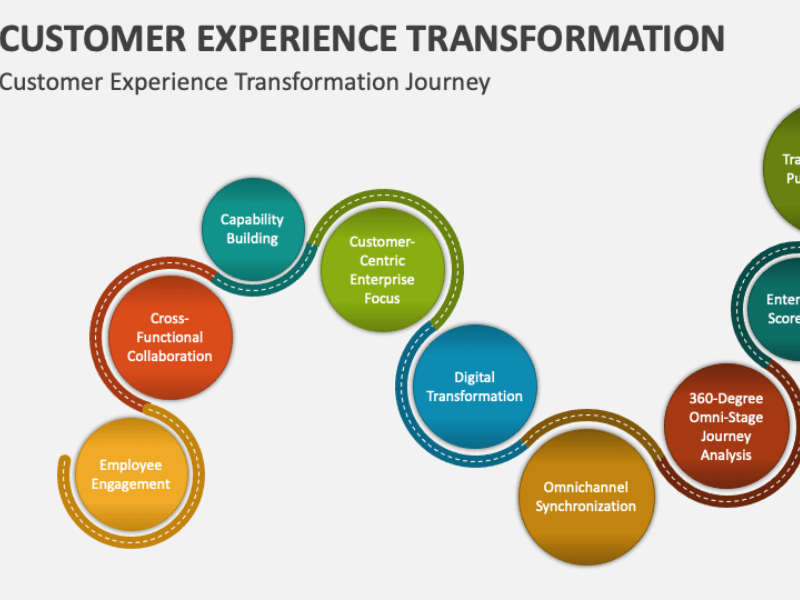
Начинайте с фокуса, а не с масштаба. Самым надежным показателем того, переживет ли трансформация первый год, является не бюджет и не инструментарий, а то, был ли первый цикл достаточно небольшим, чтобы его можно было завершить, и достаточно конкретным, чтобы его результаты можно было измерить.
Первые практические шаги:
- Добиться единого понимания среди руководства относительно того, что именно подлежит преобразованию. Не “улучшить клиентский опыт”, а конкретный путь взаимодействия и конкретный результат. Без этого каждая команда будет оптимизировать именно ту часть, которая наиболее близка к её собственным целям.
- Выберите одно или два путешествия с высокой отдачей. В большинстве компаний процессы адаптации новых сотрудников и устранения проблем имеют непропорционально большое значение, поскольку возникающие в этой сфере проблемы редко приводят к жалобам — вместо этого через несколько месяцев они незаметно приводят к отказу от продления контракта.
- Определите показатели успеха, связанные с выручкой, а не к среднему показателю удовлетворённости. Показатель удержания клиентов на второй месяц или коэффициент повторных обращений выдержат проверку бюджета; а вот изменение показателя CSAT на два пункта — нет.
- Исправьте основы данных, прежде чем добавлять инструменты. Если в настоящее время вы не можете привязать заявку в службу поддержки к клиенту, который её оформил, то никакая платформа, даже самая дорогая, не обеспечит обещанного единого представления данных.
- Пилотируйте, учитесь, затем расширяйтесь. От шестидесяти до девяноста дней по определенному сегменту, причем оценка проводится на основе ваших собственных исходных показателей, а не данных из панели управления поставщика.
Прежде чем сделать первый шаг, стоит определиться с двумя моментами. Решите, кто будет выступать в роли арбитра: решения о трансформации предполагают компромиссы между целями отделов, и назначение арбитра уже после первого разногласия никогда не приносит результата. Затем согласуйте временные рамки — исправления точек взаимодействия дают результат в течение одного квартала, тогда как эффект удержания клиентов проявляется через два или три квартала, поэтому программа, оцениваемая по неверным временным критериям, может быть отменена до того, как будут получены основные результаты.
Быстрый контрольный список:
- Четкое видение CX
- Исполнительный спонсор
- Приоритетные поездки
- Единый план передачи данных
- Система измерений
Заключение

Трансформация клиентского опыта - это двигатель роста, если она проводится целенаправленно и дисциплинированно. Начните с реальных потребностей клиентов. Согласуйте лидерство и команды. Используйте технологии, чтобы они помогали, а не отвлекали.
Проанализируйте свои клиентские пути, определите, в каких областях следует принять меры, и уверенно двигайтесь вперед. Именно так трансформация клиентского опыта (CX) обеспечивает устойчивое преимущество. Чтобы узнать о методах оценки, позволяющих определить, принесла ли трансформация ожидаемые результаты, ознакомьтесь с нашим руководством по аналитика клиентского опыта; об операционной модели, которая преобразует результаты исследований в конкретные задания, см. управление клиентским опытом.
Часто задаваемые вопросы
При определении масштабов трансформации клиентского опыта (CX), обосновании проекта на совещании по бюджету или возобновлении работы над ним после того, как первая попытка зашла в тупик, чаще всего возникают приведенные ниже вопросы. Цифры, указанные здесь, взяты из соответствующих разделов выше и не повторяются в тексте.
Что такое трансформация клиентского опыта?
Трансформация клиентского опыта — это структурное изменение подхода компании к разработке и предоставлению клиентского опыта на протяжении всего жизненного цикла взаимодействия с клиентом, а не набор мер по исправлению отдельных точек взаимодействия. Обычно она включает в себя сразу три компонента: переработку наиболее важных клиентских путей, изменение структуры ответственности за них и внедрение системы оценки, позволяющей определить, принесли ли изменения ожидаемый результат. Отличительной чертой является масштаб. Если работу может выполнить один отдел, при этом никому другому не придется менять свои рабочие процессы, то речь идет скорее об улучшении, чем о трансформации.
В чем разница между трансформацией CX и улучшением CX?
Усовершенствование решает конкретную проблему в рамках существующей структуры: медленное время отклика, запутанная форма, статья справки, которую никто не мог найти. Трансформация меняет саму структуру — те процессы, в которые инвестирует компания, кто несет ответственность за работу между отделами и как измеряется успех. Усовершенствование происходит быстрее, обходится дешевле и, как правило, должно быть первым шагом. Трансформация становится необходимой, когда повторяющиеся попытки усовершенствования терпят неудачу по одной и той же причине, которая обычно заключается в том, что опыт создается несколькими командами, но ни одна из них не несет за него ответственности.
Чем трансформация CX отличается от традиционного обслуживания клиентов?
Обслуживание клиентов по своей сути носит реактивный характер и в основном находится в ведении службы поддержки: возникает проблема — и команда её устраняет. Трансформация клиентского опыта (CX) же носит проактивный и межфункциональный характер: она охватывает ясность вашего маркетинга, честность разговоров с клиентами в процессе продаж, скорость получения пользы от адаптации к продукту, а также соответствие продукта заявленным характеристикам. На практике это приводит к тому, что служба поддержки может демонстрировать отличные показатели удовлетворенности, в то время как уровень оттока клиентов остается неизменным, поскольку причины, по которым клиенты уходят, изначально не приводили к созданию заявок в службу поддержки.
Сколько времени занимает трансформация клиентского опыта?
Пилотные проекты, ориентированные на отдельный этап пути клиента, обычно демонстрируют результаты в течение трех–шести месяцев — объем обращений по конкретному поводу снижается, либо количество отказов сокращается. Показатели, связанные с взаимоотношениями с клиентами, такие как удержание и привлечение новых клиентов, проявляются в течение нескольких кварталов, поскольку клиенты принимают такие решения не сразу. McKinsey определяет полную коммерческую отдачу как результат, достигаемый в течение двух–трех лет, поэтому так важно согласовать временные рамки перед началом работы: программа, оцениваемая по неверным временным критериям, может быть отменена до того, как будут получены основные результаты.
Почему CX-трансформация так важна для бизнеса сегодня?
Дело в том, что сегодня качество обслуживания имеет измеримое коммерческое значение, и при этом его становится всё сложнее обеспечить. По данным PwC, потребители готовы заплатить надбавку до 16% за высокое качество обслуживания, а 32% готовы отказаться от любимого бренда после одного неудачного взаимодействия. Между тем, согласно индексу Forrester на 2025 год, качество клиентского опыта у 21% брендов ухудшилось, тогда как у 6% — улучшилось. Большинство из этих брендов не пренебрегали клиентским опытом — они работали над ним, но не имели структуры, которая бы объединяла все эти усилия.
Каковы ключевые шаги для начала трансформации CX?
Пятый шаг: оцените текущий пользовательский опыт, опираясь на данные о поведении и отметки причин обращения, а не на субъективные мнения. Переработайте два или три пути взаимодействия, которые больше всего влияют на то, останутся ли клиенты. Обеспечьте реализацию этих путей с помощью инструментов, выбранных с учетом конкретной проблемы, а не списка функций. Скоординируйте работу команд и систему управления так, чтобы за каждый путь взаимодействия конкретно отвечал кто-то по имени. Затем измеряйте, анализируйте и повторяйте с фиксированной периодичностью. Выполнение третьего шага в первую очередь — самая распространенная и самая дорогостоящая ошибка в последовательности действий.
Требует ли трансформация CX искусственного интеллекта?
Нет. ИИ ускоряет персонализацию, анализ и некоторые рабочие процессы поддержки, но высокое качество обслуживания клиентов возникло задолго до появления ИИ и не зависит от него. Четкие пути взаимодействия, контекст, который сопровождает клиента при переходе между каналами, и согласованные стимулы для команды имеют большее значение, чем любая модель. Компания Forrester называет неудачные внедрения технологий одной из причин снижения показателей качества обслуживания клиентов (CX), что является точным способом сказать, что большинство технологий CX терпит неудачу на этапе процессов, а не на этапе продукта. Сначала исправьте процесс, а затем приобретите то, что позволит его масштабировать.
Какие технологии необходимы для трансформации CX?
Практический стек охватывает четыре категории: CRM или единую базу данных клиентов, благодаря которой все каналы имеют доступ к одной и той же истории взаимодействия; инструменты обратной связи для сбора запрошенных отзывов в определённые моменты; платформу службы поддержки или контакт-центра, которая генерирует большую часть значимых данных о поведении пользователей; а также аналитику, связывающую показатели качества обслуживания с финансовыми результатами. Платформа данных о клиентах становится достойной рассмотрения только в том случае, если несколько систем содержат разные идентификаторы для одного и того же человека, а их ручная сверка превратилась в узкое место.
Какие показатели помогают оценить успех CX-трансформации?
Показатель «Усилия клиента» (Customer Effort Score) является самым ранним сигналом тревоги из всего набора, поскольку рост уровня усилий предшествует снижению удержания клиентов примерно на четверть. Показатель CSAT позволяет проанализировать конкретное взаимодействие и достаточно оперативен, чтобы принять меры. Показатель NPS отражает квартальную динамику отношений, но при типичном объеме ответов не является надежным показателем от месяца к месяцу. Показатели удержания клиентов и пожизненной ценности клиента (LTV) являются наиболее неоспоримыми и медленно изменяются, поэтому они скорее служат подтверждением, чем предупреждением. Анализируйте их в паре — стабильный уровень удовлетворенности на фоне ухудшения показателя усилий является классической предвестниковой картиной оттока клиентов.
Какие проблемы возникают в процессе CX-трансформации и как их можно решить?
Четыре проблемы повторяются: разрозненность данных, не позволяющая сформировать единое представление о клиенте; сопротивление изменениям со стороны команд, чьи показатели не затрагиваются программой; согласованность действий руководства, выражающаяся скорее на словах, чем в бюджете; а также внедрение технологий в обход процессов. Меры по снижению рисков носят скорее структурный, чем культурный характер: один исполнительный спонсор, уполномоченный решать вопросы компромиссов между командами; общие показатели результативности, чтобы отделы оценивались по одним и тем же критериям; несовершенное и преждевременное объединение данных; а также приобретение инструментов для решения конкретной проблемы.
Читать далее:
KPI Call-центра для повышения качества обслуживания клиентов: Что отслеживать
Тенденции рынка BPO в Великобритании: Рост, искусственный интеллект и изменения в аутсорсинге
Подробнее Оптимизация операций и CX
Смотреть все →
Значение термина «Web Caller»: вызывающая сторона в JavaScript, инструменты или порталы для совершения вызовов
“Web caller” — это одно из тех выражений, при поиске которых результаты и запрос часто не совпадают. Им пользуются три не связанные между собой группы пользователей: разработчики, сталкивающиеся с ошибкой, связанной с устаревшим свойством caller в JavaScript; покупатели, оценивающие программное обеспечение для звонков через браузер; а также люди, пытающиеся перейти на конкретный портал или страницу с учебными материалами, точное название которых они не могут вспомнить. Такая фрагментация….


Стратегия клиентского опыта: как разработать эффективную стратегию
Качество обслуживания клиентов ухудшается, а не улучшается. Согласно данным «Глобального индекса клиентского опыта» (Global CX Index) компании Forrester за 2025 год, качество клиентского опыта у 21% брендов ухудшилось, тогда как улучшилось лишь у 6% — при этом в США показатели ухудшились у 25% брендов, а улучшились — у 7%, и такая тенденция наблюдается уже второй год подряд. Большинство этих брендов не пренебрегали качеством обслуживания клиентов. Они работали над этим, но без четкой стратегии...

Прогнозирующий автодозвон vs автоматический автодозвон: ключевые различия и как выбрать
Если вам нужен более быстрый исходящий набор, но вы не уверены, какая система автоматического набора подойдет лучше всего, этот гайд быстро даст вам четкий ответ. Мы с вами сравним предиктивный и автоматический набор на простом английском языке: рассмотрим принцип работы каждой системы, области их наилучшего применения, компромиссы в части объема звонков, персонализации и соответствия требованиям TCPA, а также представим простую методику выбора…



 English
  Russian
  Chinese