

Руководители контакт-центров сталкиваются с парадоксом подбора персонала: нужно быстро нанимать сотрудников, чтобы заполнить места, но слишком быстрый наем приводит к ежегодной текучести кадров в 30-60%, которая в первую очередь и создала кадровый дефицит.
Замена каждого неудачного сотрудника обходится в 6-9 месяцев его зарплаты. Скрытые расходы еще больше: снижается уровень обслуживания (процент звонков, на которые отвечают в установленное время), падает удовлетворенность клиентов, а оставшиеся агенты выгорают из-за нехватки покрытия.
Это руководство показывает контактным центрам малого и среднего бизнеса в США, как разорвать этот замкнутый круг - нанимать сотрудников быстрее, не жертвуя качеством, сократить ранний отсев и построить процесс найма так, чтобы он поддерживал удержание, а не подрывал его.
Чем отличается рекрутинг в контакт-центрах
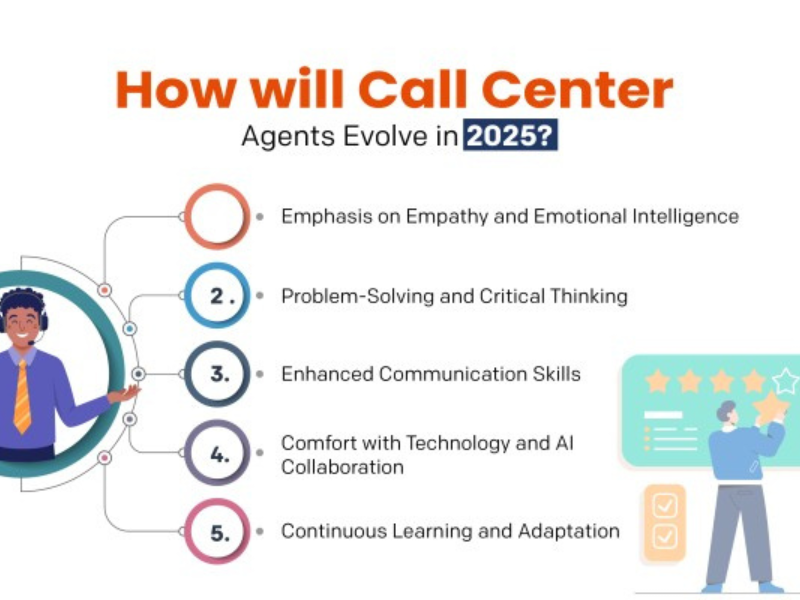
Большой объем найма и постоянный риск текучести кадров
Контактные центры нанимают сотрудников в масштабе. Это меняет все.
- Большой объем найма увеличивает количество ошибокНабор персонала в контакт-центрах работает в таких масштабах, что мелкие ошибки превращаются в дорогостоящие схемы. Центр на 200 мест с годовым оборотом 40% должен набирать и принимать на работу 80 агентов в год - примерно 1-2 новых сотрудника каждую неделю, круглый год.
Такой объем создает опасный компромисс:
- Нанимайте быстро: Заполняйте места быстро, чтобы поддерживать уровень обслуживания, но принимайте кандидатов, не имеющих достаточной квалификации, которые, скорее всего, отсеются в течение 90 дней.
- Нанимайте медленно: Проводите тщательный отбор на предмет качества, но страдаете от пробелов в покрытии и ухудшения качества обслуживания, пока вакансии остаются открытыми
Большинство центров выбирают скорость. Результат: 30-60% новых сотрудников уходят в течение первого года работы, возобновляя цикл и расходуя ресурсы на подбор персонала, которые можно было бы направить на удержание.
Эффект усугубляется: если каждый плохой сотрудник стоит $3,000-6,000 на замену (рекрутинг, обучение, потеря производительности), то центр на 200 мест с текучестью 40% тратит $240,000-480,000 в год только на циклическое перемещение агентов.
Когда агенты уходят, уровень обслуживания падает (уровень обслуживания = процент звонков, отвеченных в течение заданного времени). Нехватка персонала приводит к увеличению времени ожидания, снижению CSAT и выгоранию оставшихся агентов.
Судя по опыту работы, настоящая проблема заключается не только в скорости найма. Это скорость найма без качества.
Почему отношение и мягкие навыки важнее опыта
Многие центры по-прежнему отдают предпочтение “опытным агентам”. Это часто приводит к обратному результату.
Наем с большим опытом работы
- Более быстрое наращивание инструментов.
- Завышенные ожидания и быстрое выгорание.
- Агенты быстро уходят, если реальность не соответствует их прошлым ролям.
Наем с учетом отношения к делу
- Сильная эмпатия и эмоциональный контроль.
- Лучшая тренируемость во время занятий.
- Более высокий уровень долгосрочного удержания.
В реальном взаимодействии с клиентами эмпатия и самообладание в условиях давления имеют гораздо большее значение, чем предыдущий опыт работы с CRM. Инструментам можно обучить за несколько дней. На изменение отношения к работе уходят месяцы - если это вообще возможно.
Переход от найма сотрудников, ориентированных на опыт, к найму сотрудников, ориентированных на отношение:
Традиционный подход: “Должен иметь опыт работы в контакт-центре от 2 лет”.”
- Предположение: Опыт = более высокая производительность
- Реальность: Опытные агенты часто приносят с собой вредные привычки с предыдущих мест работы, имеют более высокие ожидания по зарплате и быстрее уходят, если ваша обстановка не соответствует их предыдущему месту работы.
Современный подход: “Опыт работы в сфере обслуживания клиентов + сильные soft skills”
- Нанять для: Эмпатия, способность к обучению, эмоциональная устойчивость, умение решать проблемы
- Поезд для: Ваши специфические инструменты, процессы и рабочие процессы
- Результат: Более длительный срок работы, потому что кандидаты выбирают эту роль из-за самой работы, а не только из-за соответствия предыдущему названию должности.
Практическое изменение требований к работе:
Вместо:
- “2+ года работы в контакт-центре”
- “Опыт работы с Salesforce или аналогичной CRM”.”
- “Доказанный опыт выполнения показателей эффективности”.”
Попробуйте:
- “Опыт работы с клиентами в любой отрасли (розничная торговля, гостиничный бизнес, техподдержка и т. д.)”.”
- “Легко осваивать новое программное обеспечение и следовать структурированным процессам”.”
- “Терпеливый и сочувствующий, когда помогает людям решать проблемы”.”
Расширение кадрового резерва сокращает время заполнения вакансий и часто повышает уровень удержания персонала, поскольку вы нанимаете сотрудников по их внутренним качествам, а не по графам в резюме.
Связь между качеством рекрутинга и долгосрочным удержанием персонала
Ошибки рекрутинга не приводят к провалу сразу. Они терпят неудачу позже.
- Плохая физическая форма приводит к стрессу и эмоциональному истощению.
- Стресс превращается в нежелание работать и прогулы.
- Разъединение заканчивается отставкой.
Каждый неудачный наем приводит к повторному найму, переобучению и снижению производительности. В среднем замена одного агента обходится в несколько месяцев его зарплаты.
Известным примером является компания Arvato, которая значительно сократила нежелательную текучесть кадров, установив реалистичные ожидания и нанимая сотрудников с учетом их культурных особенностей.
Определение идеального кандидата в контакт-центр
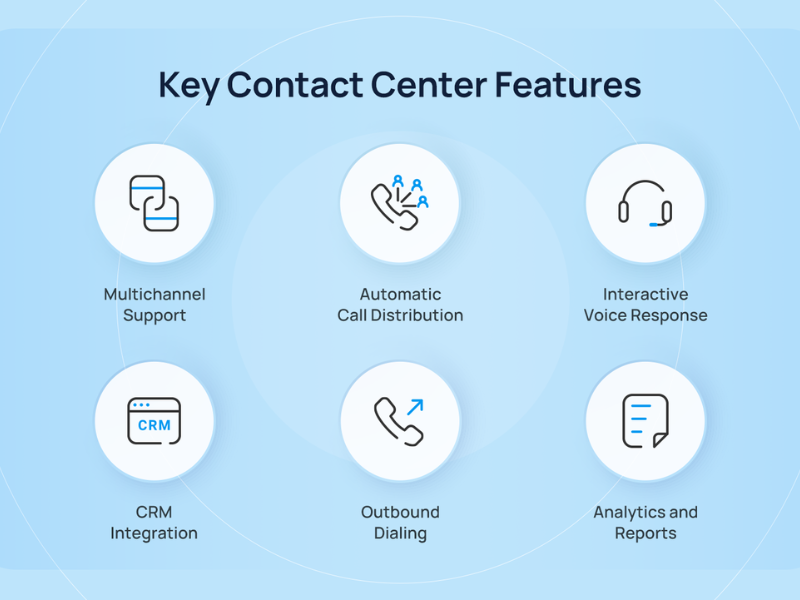
Необходимые "мягкие" навыки для агентов контакт-центров
Сильные агенты демонстрируют одинаковые основные модели поведения во всех каналах.
- Основные "мягкие" навыки - и почему они способствуют достижению бизнес-результатовСильные агенты контакт-центра демонстрируют такое поведение независимо от канала связи (телефон, чат, электронная почта):
1. Четкая коммуникация
Объясняет решения простым языком, без отраслевого жаргона и технических терминов, которые сбивают клиентов с толку.Пример: Вместо того чтобы сказать: “Я переведу ваш билет на уровень 2”, сильный агент говорит: “Я соединю вас со специалистом, который занимается спорами по выставлению счетов - он перезвонит вам в течение 2 часов”.”
Почему это важно: Сокращение числа повторных обращений. Когда клиенты четко понимают суть решения, они не перезванивают, спрашивая “что случилось?”. Это напрямую повышает уровень разрешения первого звонка (FCR) - как правило, 70-75% у сильных коммуникаторов по сравнению с 50-60% у агентов, использующих непонятные формулировки.
2. Эмоциональная устойчивость
Сохраняйте спокойствие, когда клиенты расстроены, рассержены или требуют. Не принимает жалобы близко к сердцу и не отвечает защитой.Пример: Клиент кричит: “Это просто смешно! Я жду уже 3 дня!” Устойчивый агент отвечает: “Я понимаю, как вас расстраивает эта задержка. Позвольте мне прямо сейчас поднять ваш счет и все исправить”.”
Почему это важно: Предотвращает спирали эскалации. Клиенты часто начинают расстраиваться, но если агент сохраняет спокойствие, эскалация спадает. Агенты, которые отражают гнев клиента, провоцируют эскалацию ситуации со стороны руководителя, увеличивают время обработки и получают отрицательные показатели CSAT.
3. Активное слушание
Прежде чем переходить к решениям, дождитесь полного раскрытия проблемы. Задает уточняющие вопросы. Перефразирует, чтобы подтвердить понимание.Пример: Клиент говорит: “Мой платеж не прошел”. Слабый агент сразу же говорит: “Я обработаю его вручную”. Сильный агент спрашивает: “Когда вы пытались провести платеж и какое сообщение об ошибке вы увидели?” - и выясняется, что на самом деле проблема была в отклонении кредитной карты, а не в системе.
Почему это важно: Парадоксальным образом сокращает время обработки. Агенты, которые прерывают звонок и решают его неправильно, тратят 8-12 минут на устранение ошибки, а затем повторно обрабатывают звонок. Агенты, которые сначала слушают, решают проблему правильно за 4-6 минут.
4. Владение проблемами
Берет на себя ответственность за поиск решения, вместо того чтобы перекладывать ответственность на другие команды, политику или “это не мой отдел”.”Пример: У клиента сложный вопрос, охватывающий биллинг и техническую поддержку. Слабый агент говорит: “Вам нужно позвонить в нашу службу технической поддержки”. Сильный агент говорит: “Я вижу, что это касается и биллинга, и технической поддержки - давайте я согласую это с нашей технической службой, пока вы на линии, и мы решим проблему вместе”.”
Почему это важно: Повышает удовлетворенность клиентов. Клиенты оценивают “кто-то взял на себя ответственность” как фактор #1 в положительном опыте - даже если фактическое решение проблемы было частичным или отложенным.
Пример:
Сильный агент сначала признает разочарование, а затем решает проблему.
Слабый агент не спешит выполнять сценарии и слишком быстро переходит к эскалации.
Технические навыки в сравнении с обучаемыми навыками
Не все навыки заслуживают одинакового веса.
| Категория | Навыки |
|---|---|
| Must-have | Базовая компьютерная грамотность, точность набора текста, четкое владение разговорным английским языком |
| Обучаемый | Навигация по CRM, знание продуктов, скрипты обработки звонков |
В тренинговых командах можно проследить одну закономерность: научить системе легко. Научить эмпатии - нет.
Культурное соответствие и совместимость графиков
Несоответствие графику - одна из главных причин раннего увольнения агентов.
- Ночные и выходные смены должны быть четко указаны.
- Обязательные сверхурочные никогда не должны быть сюрпризом.
- Командная культура должна соответствовать тому, как руководители ведут себя на самом деле.
Во время собеседования спросите кандидатов, как они справляются с рутиной, повторениями и обратной связью. Ответы на эти вопросы помогают быстрее, чем резюме.
Создание простого шаблона профиля кандидата
Прежде чем размещать вакансию, четко определите цель.
| Критерии | Must-Have | Обучаемый |
|---|---|---|
| Общение | Понятный разговорный английский | Усовершенствованная обработка возражений |
| Доступность | Необходимые смены | Гибкость между командами |
| Опыт | Роль в работе с клиентами | Инструменты для контакт-центров |
Этот шаблон помогает рекрутерам и менеджерам по подбору персонала держать себя в руках.
Где и как привлекать кандидатов в контакт-центры

Лучшие каналы для рекрутинга в контакт-центрах
Каждый канал служит разным целям.
- Подбор каналов рекрутинга в соответствии с вашими потребностями в персоналеРазные каналы служат разным стратегическим целям. Оптимальное сочетание зависит от того, насколько быстро вы расширяетесь, заменяете постоянный отток кадров или нанимаете сотрудников на специализированные должности.
Рекомендации сотрудников
Лучшее для: Качество важнее скорости, культурное соответствие, роли, требующие особых "мягких" навыков
Стоимость: Как правило, не более $500-2 000 реферальных бонусов за прием на работу
Время до заполнения: В среднем 2-3 недели
Качество: Кандидаты, получившие наибольшее количество рекомендаций, остаются в компании на 40-50% дольше, чем те, кто нанимается на работу с помощью доски объявленийПочему они работают: Действующие агенты сами выбирают кандидатов, которые соответствуют реальной культуре работы. Сотрудники не будут направлять друзей в токсичную среду или на работу, которую они не рекомендуют, поэтому высокий уровень участия рефералов сигнализирует о здоровых условиях удержания.
Совет по внедрению: Премии зависят от удержания сотрудников в течение 90 дней. Выплачивайте $500 при приеме на работу, $1 000 - через 90 дней. Это гарантирует, что агенты будут рекомендовать кандидатов, которые останутся, а не просто тех, кому нужна работа.
Когда расставлять приоритеты: Вам нужно 5-10 качественных сотрудников, и вы можете подождать 3-4 недели. Вы создаете долгосрочную командную культуру.
Общие доски объявлений (Indeed, LinkedIn, ZipRecruiter)
Лучшее для: Большой объем работы, быстрое заполнение вакансий, должности начального уровня
Стоимость: Средний-$200-500 за наем в рекламных расходах
Время до заполнения: В среднем 3-5 недель
Качество: Смешанное ожидание 30-50% отсева первого года обученияКомпромисс: Большое количество кандидатов, но значительное время на отбор. На каждые 100 соискателей приходится 15-20 квалифицированных кандидатов и 3-5 фактически принятых на работу.
Когда это имеет смысл: Вы открываете новый сайт, запускаете крупную кампанию или восполняете непредвиденный отток кадров. Вам нужно 20+ агентов в течение 6-8 недель. Скорость имеет большее значение, чем идеальное культурное соответствие.
Лучшая практика: Используйте целевые названия вакансий и четкие требования, чтобы сократить количество неквалифицированных заявок. “Агент по работе с клиентами - должен работать по вечерам/выходным” фильтрует лучше, чем общее название “Представитель по работе с клиентами”.”
Нишевые платформы (CallCenterJobs.com, FlexJobs, Remote.co)
Лучшее для: Опытные агенты, специализированные навыки (двуязычие, отраслевая специфика), команды, работающие в удаленном режиме
Стоимость: Средний-высокий-$300-800 за прокат
Время до заполнения: 4-6 недель
Качество: Более высокий уровень для удовлетворения специфических потребностей, но гораздо меньший кадровый резервПримеры использования:
- Вам нужны двуязычные агенты на испанском и английском языках для оказания медицинской помощи
- Вы принимаете на работу агентов, ориентированных на соблюдение нормативных требований в сфере финансовых услуг
- Вы создаете полностью удаленную команду, и вам нужны кандидаты, имеющие опыт удаленной работы
Компромисс: Более высокое качество подбора, но в 5-10 раз меньше соискателей, чем на обычных досках объявлений. Стоит того, если специфические навыки не являются обязательными.
Местные общественные группы (Страницы сообществ в Facebook, центры развития трудовых ресурсов, общественные колледжи)
Лучшее для: Роли начального уровня, местный найм, многопрофильный рекрутинг
Стоимость: Очень низкий уровень - часто бесплатно или <$100 в аутрич
Время до заполнения: 4-6 недель
Качество: Непостоянный - требует тщательного отбораПочему это работает: Охватывает кандидатов, которые, возможно, не занимаются активным поиском работы в Интернете, но ищут стабильную работу. Часто взаимодействует с недопредставленными группами (меняющими профессию, вновь приходящими на работу, пожилыми работниками).
Лучшая практика: Сотрудничайте с местными программами развития трудовых ресурсов. Они проводят предварительный отбор на предмет базовой пригодности к работе (биография, транспорт, обязательность) и часто субсидируют расходы на обучение.
Пример стратегического сочетания каналов
Для контакт-центра на 100 мест, нанимающего 40 агентов в год:
- 60% от рефералов (24 сотрудника) - самый высокий уровень удержания, формирует культуру
- 30% с досок объявлений о работе (12 сотрудников) - восполняет потребности в объемах в период расширения производства
- 10% с нишевых сайтов (4 сотрудника) - специализированные роли (двуязычные, ориентированные на соблюдение нормативных требований)
Такое сочетание позволяет сбалансировать качество, скорость и стоимость, а также снизить зависимость от какого-либо одного источника.
Используйте рефералов для качества. Для объема используйте доски объявлений. Сбалансируйте оба варианта.
Составление четких, реалистичных описаний должностей
Завышенные ожидания приводят к раннему отсеву.
Сделать
- Перечислите реальные графики и показатели эффективности.
- Объясните объем звонков и типы клиентов.
- Уточните структуру оплаты труда и стимулы.
Не
- Спрячьте стрессовые факторы.
- Используйте расплывчатые обещания роста.
- Раздувайте свои обязанности.
Прозрачные описания вакансий привлекают меньше кандидатов, но лучше.
Брендинг работодателя без излишнего усложнения
Брендинг работодателя - это просто то, как вас воспринимают кандидаты.
- Показывайте реальные команды, а не стоковые фотографии.
- Поделитесь честными отзывами сотрудников.
- Сделайте страницу карьеры удобной для мобильных устройств.
Простое, достоверное сообщение побеждает отполированные, но нереалистичные заявления.
Использование реалистичного предварительного просмотра вакансий для снижения раннего отсева
Реалистичные предварительные просмотры вакансий - малозатратная тактика, позволяющая сократить ранний отсев на 15-20%
Реалистичные предварительные просмотры вакансий (RJP) работают, позволяя кандидатам ощутить реальность работы до того, как они примут предложение. Вместо того чтобы обнаруживать стрессовые факторы на третьей неделе обучения, кандидаты сами выбирают во время собеседования, если роль им не подходит.
Три практических метода РЖП (ранжированы по эффективности):
Метод 1: сеанс прослушивания звонков (15-20 минут во время интервью)
Как это работает:
Во время интервью воспроизведите 2-3 записанных разговора с клиентами - один легкий, один сложный, один типичный.
Образец реализации:
- “Прежде чем мы продолжим, я хочу, чтобы вы услышали, как звучит типичный день. Я воспроизведу три реальных звонка клиентов”.”
- Воспроизводите звонки (используйте анонимизированные записи с разрешения клиента)
- Спросите: “Как бы вы справились с разгневанным клиентом в звонке #2?” и “Соответствует ли это тому, что вы ожидали от работы?”.”
Что вы проверяете:
- Смогут ли они выдержать грубость или требовательность клиента?
- Проявляют ли они эмпатию или оборону, когда слушают?
- Соответствуют ли их ожидания реальности? (Красный флаг: “Я думал, будет легче”)
Стоимость: Ноль (используйте существующие записанные звонки)
Требуется время: 15 минут на одного кандидата
Сокращение отсева: ~10-15%
Метод 2: Прогулка по панели производительности (10 минут во время интервью)
Как это работает:
Покажите кандидатам реальную приборную панель, которую они будут видеть ежедневно, с реальными показателями эффективности.
Образец сценария:
“Это приборная панель, которую вы будете видеть каждый день. Вот что означает каждая метрика:
- Обработка вызовов: Вы будете принимать 40-60 звонков в день
- Среднее время обработки: Цель - 6 минут; ваша будет отображаться в режиме реального времени
- Оценка CSAT: Оценки клиентов - цель 4,2/5,0 или выше
- Приверженность: Процент времени, в течение которого вы доступны, когда запланированная цель составляет 95%+
Ваш руководитель будет еженедельно анализировать эти показатели. Вы всегда будете знать, как именно вы работаете”.”
Спрашивайте: “Как вы относитесь к тому, что вас так тщательно измеряют?”
Что вы проверяете:
- Кандидаты, которым неудобно работать с метриками, скажут: “Это очень много отслеживания” или будут колебаться.
- Сильные кандидаты говорят: “Мне нравится знать, как у меня идут дела” или “Это кажется справедливым”.”
Стоимость: Ноль (покажите существующую приборную панель)
Требуется время: 10 минут на одного кандидата
Сокращение отсева: ~10-12%
Способ 3: Оплачиваемая стажировка (1-2 часа, только для кандидатов, прошедших в финальный тур)
Как это работает:
Предложите кандидатам, прошедшим финальный отбор, поработать в качестве помощника действующего агента в течение 1-2 часов (с оплатой по их предполагаемой почасовой ставке).
Образец реализации:
- Кандидат прибывает и садится к высокоэффективному агенту
- Они прослушивают 8-12 звонков в прямом эфире через гарнитуру
- Агент объясняет, чем он занимается в перерывах между звонками
- Кандидат задает вопросы
- Подведение итогов: “Что вас удивило? Это то, чего вы ожидали?”
Что вы проверяете:
- Они кажутся увлеченными или перегруженными?
- Задают ли они вдумчивые вопросы или выглядят неловко?
- Увидев реальность, хотят ли они по-прежнему работать?
Стоимость: $15-25 на одного кандидата (1-2 часа при ожидаемой зарплате)
Польза: Отсеивает ~20-25% кандидатов, которые уволились бы в первые 90 дней
ROI: Экономия на одном неудачном найме ($3,000-6,000 затрат на замену) окупается 120-400 сессиями теневого обучения
Когда использовать: Только для кандидатов последнего тура (2-3 лучших на вакансию). Не предлагайте "тень" всем желающим - это слишком ресурсоемко.
Комбинированный подход для достижения максимального эффекта:
Используйте все три метода последовательно:
- Экран телефона: Устно опишите реалии работы
- Первое интервью: Воспроизведение записей звонков + показ панели управления
- Финальный раунд: Предложите 2-3 лучшим кандидатам оплачиваемую стажировку
Общее сокращение отсева: 15-20% сокращение числа выходов в течение 90 дней
Общая стоимость одного найма: <$50
ROI: Экономия $3,000-6,000 на каждом предотвращенном неудачном найме
Отбор и подбор подходящих кандидатов

Простые методы предварительного скрининга, которые экономят время
Телефонный тест продолжительностью 5-7 минут фильтрует быстро.
- Подтверждение наличия.
- Ясность общения.
- Проверка мотивации.
Один этот шаг избавляет от многих кандидатов, которые плохо подходят.
Поведенческие вопросы для собеседования, которые предсказывают эффективность работы
Используйте метод STAR (Situation, Task, Action, Result).
Вопрос: Расскажите мне о том, как вы справились с разгневанным клиентом.
Хороший ответ: Конкретные действия, спокойный подход, четкий результат.
Слабый ответ: Неясные детали, обвинение клиента.
Задайте 3-5 вопросов. Последовательность важнее количества.
Групповые собеседования и практические оценки
Групповые собеседования хорошо подходят для ролей с большим объемом работы.
- Краткое описание роли.
- Групповое обсуждение или ролевая игра.
- Индивидуальный зачет.
Ролевые игры показывают реальное поведение под давлением.
Распространенные ошибки при найме персонала, которых следует избегать в контакт-центрах
- Нанимают слишком быстро, чтобы заполнить места.
- Игнорирование ограничений расписания.
- Переоценка опыта над отношением.
- Пропускайте реалистичные предварительные просмотры вакансий.
Каждая ошибка увеличивает отток клиентов.
Стратегии рекрутинга, ориентированные на удержание

Установление ожиданий до стадии предложения
Прежде чем сделать предложение, уточните:
- Ежедневные KPI и показатели качества.
- Сменные графики и правила сверхурочной работы.
- Прогрессивная структура оплаты труда и бонусы.
Ясность укрепляет доверие и уменьшает количество ранних уходов.
Согласование рекрутинга с процессом адаптации и обучения
Рекрутинг не должен заканчиваться на предложении.
- Поделитесь информацией о кандидатах с преподавателями.
- Усильте ожидания во время обучения.
- Назначьте коучинговую поддержку на ранней стадии.
Плавная передача дел способствует более раннему вовлечению в работу.
Как плохие решения о найме приводят к текучести кадров
Плохая физическая форма создает постоянный стресс. Стресс приводит к выгоранию. Выгорание приводит к уходу.
Это не просто повторный найм. Это потеря удовлетворенности клиентов и морального духа команды.
Использование результатов выходного собеседования для улучшения будущего найма
Спросите каждого уходящего агента:
- Что вас больше всего удивило в этой работе?
- Что было самым сложным в этой роли?
- Что помогло бы вам задержаться?
Используйте эти данные при составлении описаний вакансий и проведении собеседований.
Использование технологий для улучшения подбора персонала в контакт-центрах
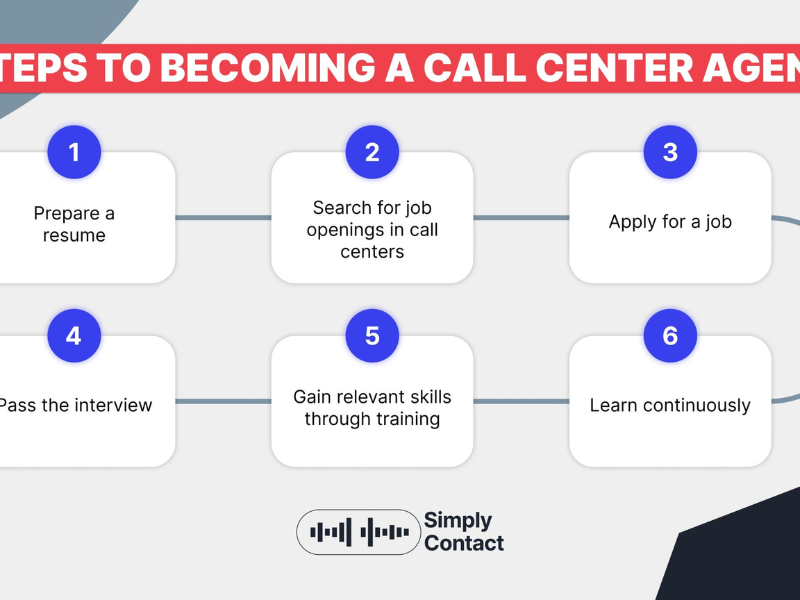
- ATS (система отслеживания кандидатов): Централизованное хранение заявок и статуса.
- Проверка навыков: Проявляет базовую коммуникабельность и печатает на машинке.
- Удаленное интервьюирование: Ускоряет прием на работу большого количества сотрудников.
- Автоматизация: Полезно для составления расписания, рискованно для принятия решений.
Избегайте чрезмерной автоматизации. Человеческое суждение по-прежнему имеет первостепенное значение.
Масштабирование процесса найма персонала в контакт-центре

- Создайте повторяющуюся систему найма.
- Отслеживайте время найма, ранний отсев и показатели качества.
- Прибегайте к услугам агентств, если возможности внутренних команд ограничены.
Масштабирование лучше всего работает, когда стандарты качества остаются неизменными.
Контрольный список для рекрутеров контактных центров
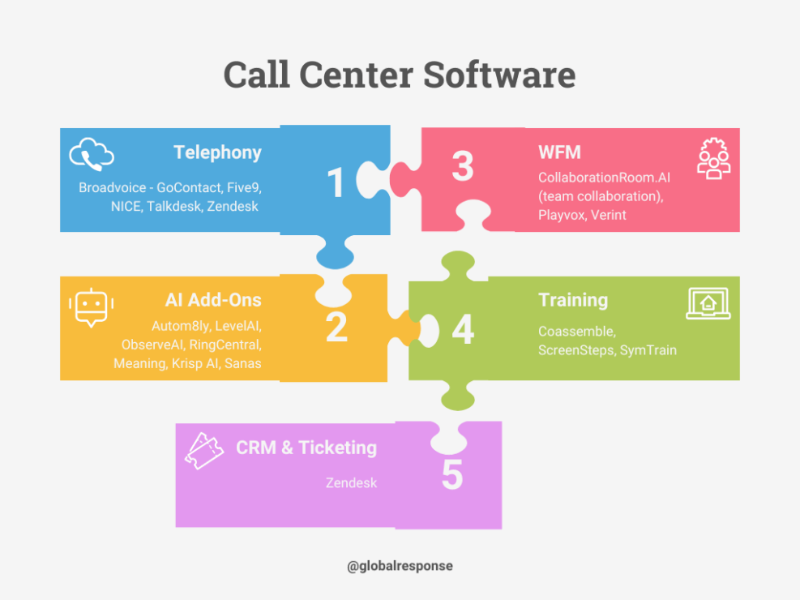
- Определите профиль кандидата перед размещением вакансии.
- Используйте реалистичные описания должностных обязанностей.
- В первую очередь проверьте отношение к себе.
- Заранее проверьте совместимость расписания.
- Согласовывайте подбор персонала с его адаптацией.
- Собирайте отзывы о выходе и принимайте меры.
Этот контрольный список можно использовать повторно в каждом цикле найма.
ЧАСТО ЗАДАВАЕМЫЕ ВОПРОСЫ

Сколько времени должен занимать подбор персонала для контакт-центра?
Большинство контакт-центров для малого и среднего бизнеса стремятся к 2-4 неделям с момента размещения объявления до получения предложения.
Что является основной причиной ранней текучести кадров?
Несоответствие ожиданий по нагрузке, расписанию и стрессу.
Что важнее - опыт или "мягкие" навыки?
Мягкие навыки должны быть на первом месте. Опыту легче обучить.
Эффективны ли групповые интервью?
Да, особенно для ролей с большим объемом стандартных задач.
Заключение / CTA

Подбор персонала для контакт-центров - это не просто заполнение вакансий. Это замаскированная стратегия удержания персонала. Когда вы нанимаете сотрудников, ориентируясь на их отношение к делу, устанавливаете четкие ожидания и увязываете подбор персонала с обучением, текучесть кадров снижается естественным образом.
Если ваш центр борется с оттоком кадров, начните с аудита текущего процесса найма. Используйте приведенный выше контрольный список, чтобы найти недостатки, устранить их и создать систему найма, которая будет поддерживать долгосрочную эффективность.
Читать далее:
Руководство по входящим контактным центрам Преимущества и лучшие практики
Типы справочников исходящего набора Преимущества и как выбрать
Подробнее Промышленность
Смотреть все →
Тенденции в сфере клиентского опыта на 2026 год: что изменилось и что делать
Клиентский опыт в 2026 году будет меняться под влиянием трех сходящихся сил: сохраняющейся экономической неопределенности, широкого внедрения искусственного интеллекта и принципиально иных ожиданий клиентов. Сегодняшние клиенты более чувствительны к ценам, чем в предыдущие годы, менее привязаны к брендам, которым когда-то доверяли, и готовы сменить поставщика в тот момент, когда ценность услуг становится неясной. Для компаний это означает, что клиентский опыт больше не является фактором дифференциации - это фактор выживания...


Аналитика клиентского опыта: показатели, данные и инструменты
У большинства компаний проблема не в данных о клиентах. У них проблема с сопоставлением данных о клиентах: отдел маркетинга отслеживает количество кликов по рекламе, служба поддержки — время решения проблем, отдел продуктов — степень использования функций, и никто не может ответить, является ли клиент, который во вторник бросил корзину, тем же самым, кто в четверг звонил по поводу цен. Аналитика клиентского опыта — это подход, который устраняет этот пробел...

Что такое управление клиентским опытом? Практическое руководство
Управление клиентским опытом (CXM) — это практика разработки, оценки и совершенствования каждого взаимодействия клиента с вашей компанией, которое рассматривается как единый непрерывный путь, а не как набор отдельных точек взаимодействия с разными подразделениями. Именно это превращает совокупность команд, руководствующихся благими намерениями, в опыт, который клиент воспринимает как результат работы единой организации. Важное различие заключается в том, что...



 English
  Russian
  Chinese