

Найм команды разработчиков программного обеспечения в странах, расположенных поблизости (nearshore), может сократить ваши расходы на разработку на 40–60 % по сравнению с инженерами из США. Однако экономия быстро исчезает, если вы выбрали неподходящего партнёра: срыв сроков, сбои в коммуникации и проблемы с качеством могут обойтись дороже, чем достигнутая экономия.
В этом руководстве подробно описано, как систематически оценивать партнеров из стран с близким часовым поясом — от технической квалификации и совпадения часовых поясов до ценообразование прозрачность и безопасность — чтобы избежать дорогостоящих ошибок и найти команду, которая действительно выполняет свои обязательства.
Основные выводы

- Партнёры из стран, расположенных в близлежащих часовых поясах (nearshore), обычно стоят на 40–50 % дешевле, чем команды из США ($40–70/час против $100–150/час), при этом сохраняя совпадение часовых поясов на 2–4 часа для совместной работы в режиме реального времени.
- Аутсорсинг в соседние страны идеально подходит, когда вам необходимы ежедневные стендапы, быстрая итерация и частая обратная связь от заинтересованных сторон — в ситуациях, когда 12-часовая разница во времени при аутсорсинге в удалённые страны вызывает задержки.
- Размытые требования — главная причина провала проектов. Команды, у которых чётко определён объём работ (конкретные функции, технологический стек, сроки), сталкиваются с нарушениями графика и превышением бюджета на 60 % реже.
- Правильный партнёр действует как продолжение вашей команды, а не просто поставщик.
- Структурированная оценка снижает типичные риски аутсорсинга.
- Латинская Америка и Восточная Европа — самые популярные регионы для американских компаний.
Что такое партнёр по разработке программного обеспечения в ближнем зарубежье

Партнер по разработке программного обеспечения в ближайшей стране — это команда, расположенная в соседней стране, обычно в аналогичном часовом поясе, которая занимается созданием или поддержкой ваших программных продуктов.
Аутсорсинг в соседние страны находится между аутсорсингом внутри страны и аутсорсингом в удалённые страны. Вы получаете доступ к более широкому пулу талантов, сохраняя при этом чёткую коммуникацию и бесперебойное взаимодействие.
Американские компании обычно привлекают партнеров из стран, расположенных в близлежащих часовых поясах, для выполнения следующих задач:
- Создание минимально жизнеспособных продуктов (MVP) и полнофункциональных решений.
- Расширение внутренних инженерных команд.
- Модернизация устаревших систем.
- Ускорение доставки без долгосрочного найма сотрудников.
Nearshore, onshore и offshore: что действительно важно для лиц, принимающих решения
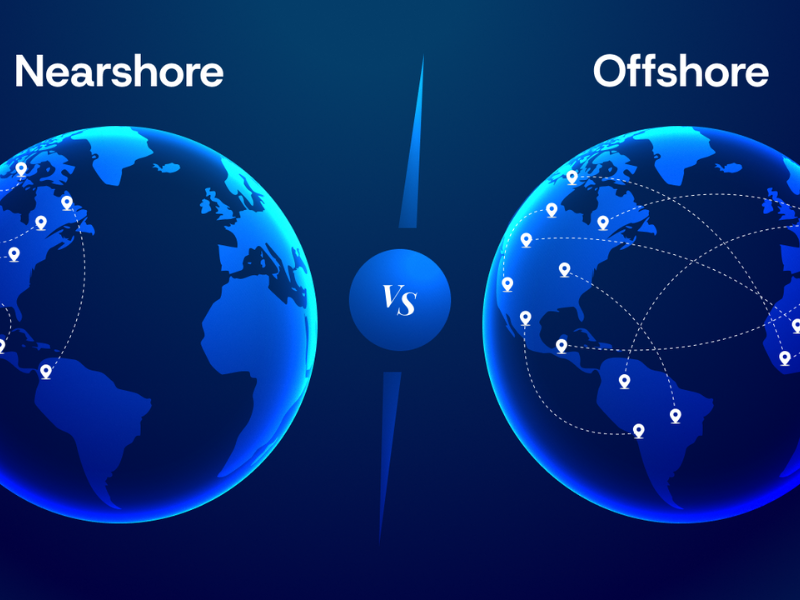
| Фактор | На берегу | Прибрежная зона | Оффшор |
|---|---|---|---|
| Стоимость | Высокий | Средний | Низкий |
| Наложение часовых поясов | Полный | Высокий | Низкий |
| Общение | Легко | Легко | Сложно |
| Соответствие культуре | Высокий | Средний и высокий | Различается |
| Операционные риски | Низкий | Средний | Выше |
Аутсорсинг в соседние страны — это практичный выбор, когда вам нужно:
- Ежедневное взаимодействие без звонков в позднее время.
- Более быстрые циклы обратной связи.
- Меньше культурных и языковых барьеров.
Распространённое заблуждение заключается в том, что офшор всегда дешёв. Это не так. Речь идёт о более высокой ценности за час работы, а не о самой низкой ставке.
Когда аутсорсинг в соседние страны имеет смысл для вашего бизнеса
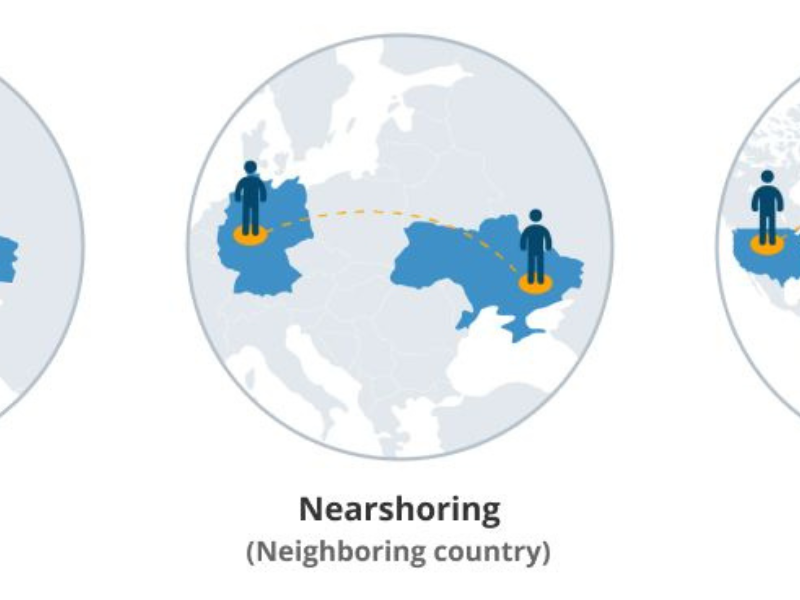
Аутсорсинг в соседние страны наиболее эффективен в определённых ситуациях. В остальных случаях он может оказаться неудачным.
Аутсорсинг в соседние страны — это оптимальное решение, когда:
- Вам необходимы частые синхронизации между отделом продукта, инженерами и заинтересованными сторонами.
- Скорость выхода на рынок важнее абсолютной минимальной стоимости.
- У вас нет внутренних экспертов, но вы хотите, чтобы команда полностью брала на себя ответственность.
- Вы заменяете низкоквалифицированного внештатного поставщика услуг.
Пример стартапа:
Американский стартап, разрабатывающий MVP, часто получает выгоду от команд в странах ближнего зарубежья, которые могут выполнять итерации ежедневно и быстро адаптироваться по мере изменения требований.
Пример для МСП:
Растущие компании используют партнёров из стран, расположенных в близлежащих часовых поясах, чтобы масштабировать команды без риска чрезмерного найма сотрудников на местном уровне.
Пример для корпоративного уровня:
Крупные компании полагаются на ближайших партнеров для долгосрочного расширения команды и модернизации систем.
Аутсорсинг в соседние страны может быть не идеальным, если:
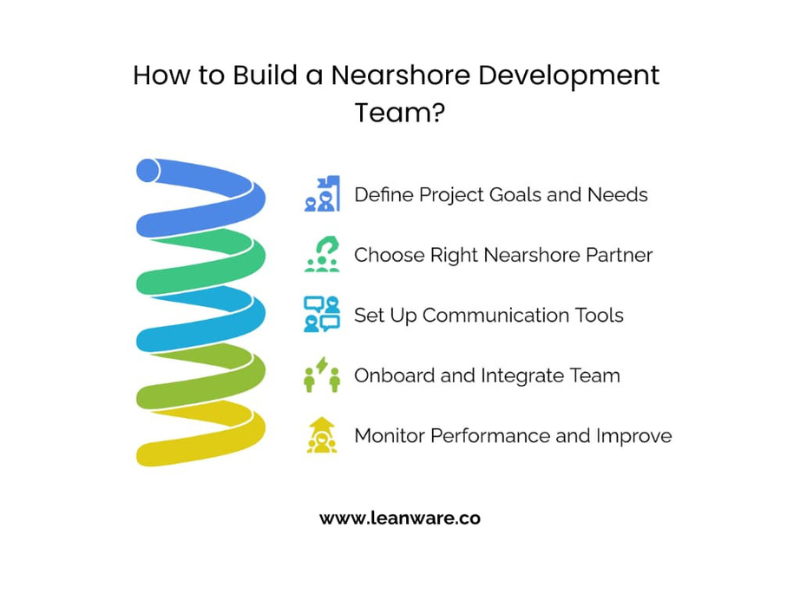
- Ваш проект чрезвычайно хорошо определён и ориентирован на цену.
- Общение может быть полностью асинхронным.
- Вам нужны только краткосрочные, изолированные задачи.
Шаг 1 — Определите цели вашего бизнеса и требования к проекту
Уточните, что вы создаете
Неясные рамки проекта — главная причина провала проектов с привлечением ближайшего офшора.
Уточните следующее:
- Основные функции и обязательные требования.
- Сложность продукта и интеграции.
- MVP по сравнению с долгосрочным планом развития.
Чётко определённый объём работ:
«Создайте панель управления на основе React с поддержкой ролей пользователей, платежами через Stripe и базовой аналитикой.»
Неясный объем работ:
«Создайте современное веб-приложение для нашего бизнеса.»
Чем четче определён объём работ, тем точнее будут оценки и сроки.
Установите ожидания по бюджету и срокам
В программных проектах соблюдается баланс между тремя переменными: стоимостью, скоростью и объёмом работ. Можно оптимизировать две из них, но не все три одновременно.
Подход к бюджету:
- Хорошо: «У нас есть $40 000–60 000 на создание MVP, и мы готовы гибко подойти к вопросу обязательных функций».
- Плохо: «Наш бюджет составляет ровно 45 000 долларов США, исключений нет»
Почему диапазоны работают лучше: они дают командам пространство для предложения вариантов. Возможно, базовые функции укладываются в $40 тыс., но добавление уведомлений в реальном времени требует $50 тыс. При фиксированном бюджете вы пропускаете этот разговор.
Ожидаемые сроки выполнения:
- Реалистично: «Запуск для бета-пользователей в третьем квартале, полноценный релиз — в четвёртом квартале»
- Нереалистично: «Нам нужно запустить это через 4 недели для демонстрации на конференции»
Агрессивные сроки вынуждают идти на компромиссы. Одна компания в сфере электронной коммерции потребовала запуск за 6 недель, получила неработоспособный продукт и потратила 3 месяца на устранение проблем после запуска — дольше, чем заняло бы создание качественного продукта с нуля.
Оставить буфер для изменений: Выделите 15–20 % сроков и бюджета на итерации. Ни один проект не остаётся неизменным после первого контакта с реальными пользователями.
Определите, чего вы ожидаете от партнёра
Не все компании, работающие по модели nearshore, действуют одинаково.
| Менталитет поставщика | Мысль партнёра |
|---|---|
| Выполняет задачи | Отвечает за результат |
| Ожидает инструкций | Активно рекомендует |
| Краткосрочная направленность | Долгосрочное сотрудничество |
На раннем этапе определитесь, какую модель вы хотите использовать. Это повлияет на всё: от ценообразования до структуры команды.
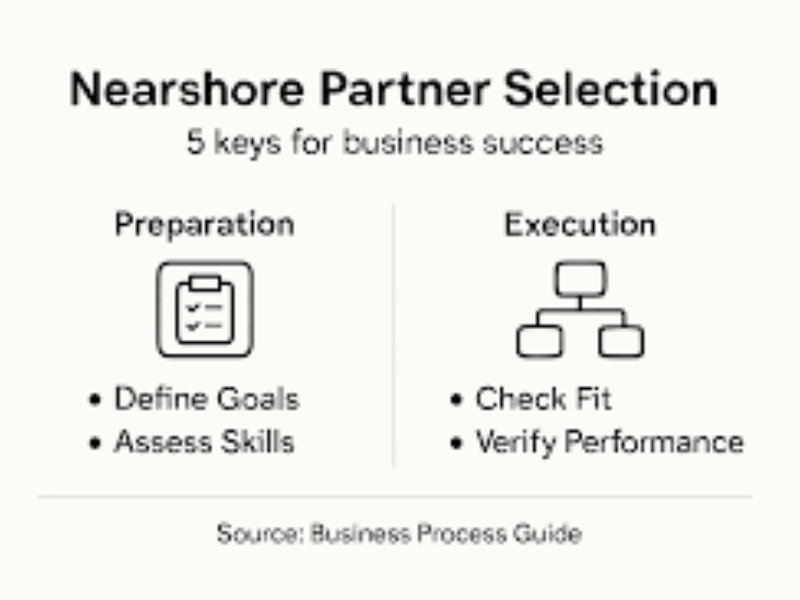
Шаг 2 — Ключевые критерии оценки партнёра в ближайшем зарубежье
Соответствующий опыт и техническая экспертиза
Смотрите глубже, чем общие утверждения.
- Опыт работы в вашей отрасли или с аналогичными продуктами.
- Доказанное использование требуемых технологических стеков.
- Возможность масштабировать команды в большую или меньшую сторону.
Попросите конкретные примеры, а не только логотипы.
Связь и согласование часовых поясов
Аутсорсинг в соседние страны работает только в том случае, если вы можете действительно общаться в режиме реального времени. Совпадение часовых поясов — этого недостаточно: вам нужно совпадение в ВАШИ самые продуктивные часы.
Идеальное перекрытие: минимум 4–6 часов
Примеры часовых поясов:
- Колумбия, Мексика (восточное/центральное поясное время): Полное совпадение с рабочим временем восточного побережья США (с 9:00 до 17:00 совпадает идеально)
- Аргентина (EST +1): Хорошее совпадение рабочих часов, небольшой сдвиг во второй половине дня
- Польша, Румыния (EST +6/+7): Только утреннее перекрытие (их 14:00 = ваше 8:00)
Проверьте качество связи заранее:
На первых звонках оцените:
- Время ответа: Отвечают ли они в течение 2 часов в часы пересечения рабочих графиков?
- Ясность: Понимаете ли вы друг друга без постоянного повторения?
- Проактивные обновления: выявляют ли они проблемы на ранней стадии или ждут, пока вы сами не спросите?
Предупреждающие знаки:
- Команда говорит: «Мы скорректируем свой график», но на самом деле работает с 18:00 до 02:00 по их местному времени (что приводит к выгоранию и текучести кадров).
- Английский технически корректен, но не передаёт нюансы (вызывает недопонимание при расплывчатых требованиях)
- Руководитель проекта владеет языком свободно, а разработчики — нет (это создаёт узкое место: все вопросы проходят через руководителя проекта)
Лучшая практика: Забронируйте двухнедельную платную пробную версию. Вы быстро поймёте, проходит ли общение гладко или требует постоянного уточнения.
Культурная совместимость и стиль работы
Сильное соответствие корпоративной культуре снижает трение.
- Комфорт при получении обратной связи и прозрачности.
- Чувство ответственности и личной заинтересованности.
- Знакомство с методологией Agile (итеративная разработка с частой обратной связью).
Команды, которые уважительно оспаривают идеи, достигают лучших результатов.
Безопасность, соответствие требованиям и защита данных
Защита вашего IP-адреса является обязательной.
Контрольный список:
- Четкое определение прав на интеллектуальную собственность в договорах.
- Контроль доступа и разрешения на основе ролей.
- Осведомлённость о таких стандартах, как ISO 27001, GDPR и HIPAA.
Если ответы на вопросы безопасности носят расплывчатый характер, откажитесь от дальнейших действий.
Прозрачность цен и модели взаимодействия
Распространенные модели включают:
| Модель | Лучшее для | Риск |
|---|---|---|
| Фиксированная цена | Четкий объем работ | Низкая гибкость |
| Время и материалы | Развитие продуктов | Рост бюджета |
| Преданная команда | Долгосрочная работа | Обязательство |
Следите за скрытыми расходами, например, платой за внедрение или обязательным количеством участников команды.
Шаг 3 — Как составить короткий список и сравнить компании-партнеров из стран с близким часовым поясом
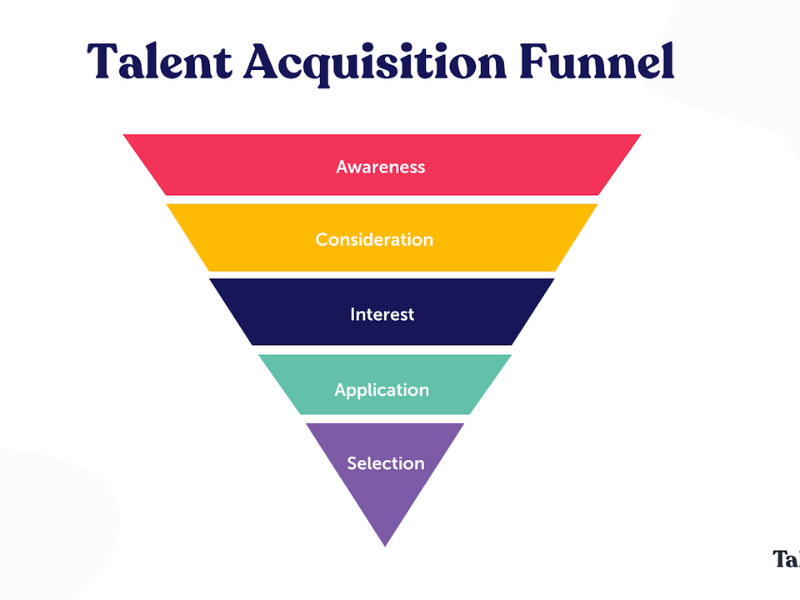
- Начните с 6–8 потенциальных партнёров.
- Ознакомьтесь с примерами кейсов, соответствующими вашим потребностям.
- Ознакомьтесь с независимыми отзывами и рекомендациями.
- Сузьте круг до 3–4 серьёзных кандидатов.
- Сравните их, используя те же критерии и вопросы.
Согласованность в оценке приводит к более обоснованным решениям.
Шаг 4 — Вопросы, которые следует задать партнёру по аутсорсингу программного обеспечения в ближнем зарубежье

Опыт
- Вы уже создавали похожие продукты?
- С какими трудностями вы столкнулись?
Команда
- Кто будет непосредственно работать над моим проектом?
- Каков ваш показатель удержания клиентов?
Общение
- Как часто происходит синхронизация?
- Кто мой основной контактный человек?
Риски и изменения
- Как вы обрабатываете изменения в объёме работ?
- Что произойдет, если кто-то покинет команду?
Чёткие ответы свидетельствуют о зрелости и прозрачности.
Шаг 5 — собеседования, пробные периоды и окончательный отбор
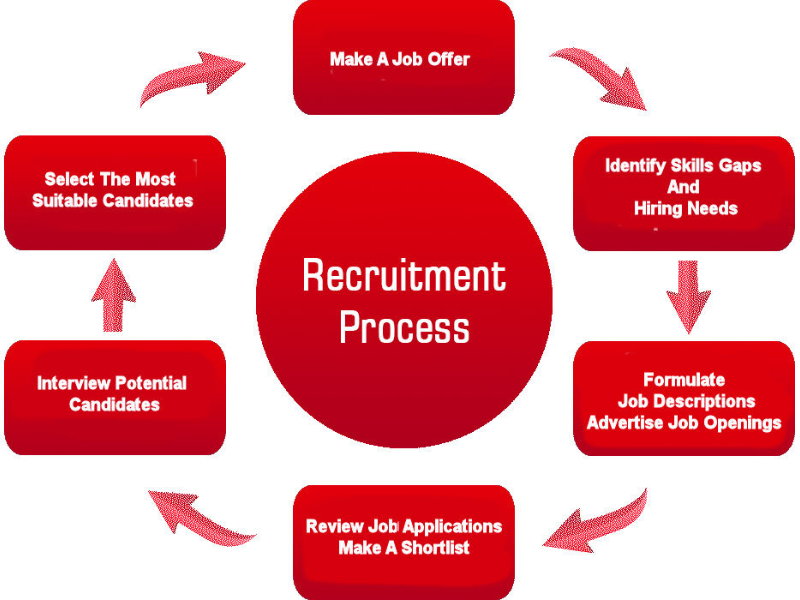
- Проведите интервью с инженерами и руководителями проектов.
- Запустите небольшой платный пробный период, если это возможно.
- Следите за отзывчивостью и решением проблем.
Предупреждающие знаки:
- Завышенные сроки выполнения.
- Избегание сложных вопросов.
- Нет чёткого процесса.
Знаки доверия важнее рекламных обращений.
Распространённые риски при аутсорсинге в соседние страны и способы их предотвращения
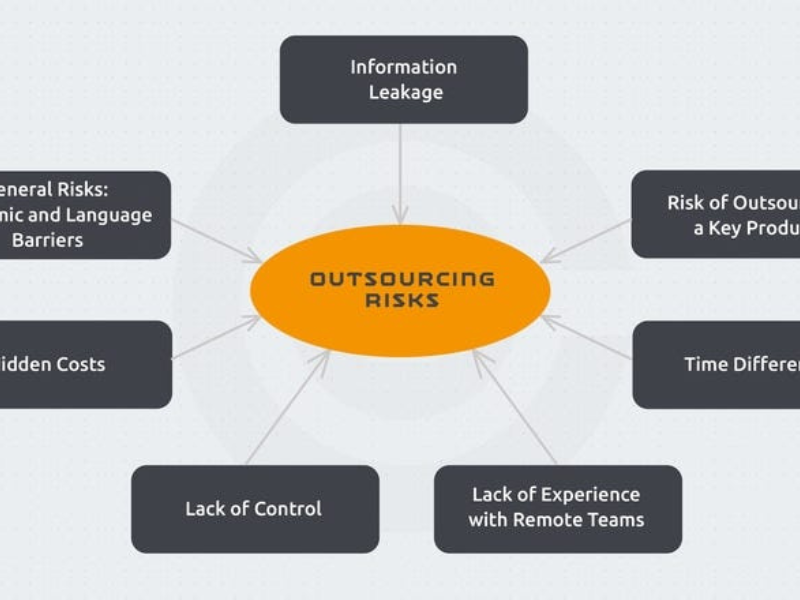
| Риск | Воздействие | Смягчение последствий |
|---|---|---|
| Решение только на основе затрат | Низкое качество | Оценивайте ценность, а не ставку |
| Плохая коммуникация | Задержки | Определите цикл заранее |
| Расширение объема работ | Превышение бюджета | Очистка очереди задач |
| Высокая текучесть кадров | Потеря знаний | Спросить о сохранении клиентов |
Большинство рисков можно предотвратить с помощью структуры и прозрачности.
Популярные регионы ближайшего зарубежья для американских компаний
Латинская Америка
Хорошее совпадение часовых поясов с США.
- Ключевые страны: Мексика, Колумбия, Бразилия.
- Лучше всего подходит для команд, быстро выпускающих продукты, и стартапов.
[Изображение: карта Латинской Америки]
Восточная Европа
Глубокие инженерные знания и сильное техническое образование.
- Ключевые страны: Польша, Румыния, Украина.
- Лучше всего подходит для сложных платформ и долгосрочных проектов.
Как построить долгосрочное и успешное партнерство в формате nearshore

- Установите четкие KPI и регулярно их анализируйте.
- Поддерживайте постоянный ритм коммуникации.
- Считайте команды, расположенные в ближайших странах, частью вашей компании.
Прочные партнёрские отношения превосходят транзакционное аутсорсинговое взаимодействие.
Часто задаваемые вопросы — типичные вопросы при выборе партнёра в ближайшем зарубежье

Дешевле ли аутсорсинг в соседние страны, чем найм сотрудников на местном рынке?
Да, однако реальная выгода заключается в более высокой ценности и гибкости, а не только в более низких тарифах.
Сколько времени занимает запуск команды в ближайшем зарубежном регионе?
Обычно 2–4 недели, в зависимости от размера команды и сложности проекта.
Могут ли команды из стран ближнего зарубежья быстро масштабироваться?
Да, если у партнёра есть надёжный поток кандидатов и стратегия удержания сотрудников.
Заключение

Выбор правильного партнера в ближайшем зарубежье — это стратегическое решение, а не упрощенный способ. При грамотном подходе аутсорсинг в ближайшее зарубежье обеспечивает скорость, качество и контроль без сложностей, связанных с удаленным аутсорсингом.
Четко определите свои цели. Систематически оценивайте партнеров. Делайте акцент на соответствии, а не на шумихе.
Вот так вы строите эффективное партнерство в ближнем зарубежье.
Вопросы и ответы

Что такое партнёр по разработке программного обеспечения в ближнем зарубежье?
Партнёр по разработке программного обеспечения в ближнем зарубежье — это компания, расположенная в соседней стране, которая предлагает выгодное сотрудничество благодаря географической близости, сходству культур и возможности общения в режиме реального времени.
Почему стоит выбрать партнёра из ближайшего зарубежья вместо партнёра из дальнего зарубежья?
Партнеры из стран, расположенных в близлежащих часовых поясах, обеспечивают совпадение часовых поясов и культурную совместимость, что улучшает коммуникацию и снижает вероятность недопонимания. Партнерства с офшорными компаниями, хотя зачастую и более экономичны, могут столкнуться с трудностями, связанными с несовпадением времени и культурными различиями.
Как оценить техническую экспертизу партнёра, работающего по модели nearshore?
Ознакомьтесь с их портфолио, кейсами клиентов и опытом работы в отрасли. Убедитесь, что они владеют технологическими стеками, необходимыми для вашего проекта, чтобы гарантировать соответствие ваших технических требований.
Какие вопросы следует задать партнёру из ближайшего зарубежья перед наймом?
Уточните их опыт, подходы к коммуникации, стабильность команды и стратегии управления рисками проекта. Понимание этих аспектов поможет определить, насколько они соответствуют вашим целям.
Как обеспечить успешное долгосрочное партнёрство?
Поддерживайте чёткую коммуникацию, устанавливайте измеримые KPI и регулярные встречи. Поощряйте совместную работу, чтобы адаптироваться и развиваться в соответствии с меняющимися потребностями вашего бизнеса.
Читать далее:
Как создать лучшую команду по работе с клиентами: Окончательное руководство
Как создать эффективный план успеха для клиентов: Шаг за шагом
Подробнее Промышленность
Смотреть все →
Тенденции в сфере клиентского опыта на 2026 год: что изменилось и что делать
Клиентский опыт в 2026 году будет меняться под влиянием трех сходящихся сил: сохраняющейся экономической неопределенности, широкого внедрения искусственного интеллекта и принципиально иных ожиданий клиентов. Сегодняшние клиенты более чувствительны к ценам, чем в предыдущие годы, менее привязаны к брендам, которым когда-то доверяли, и готовы сменить поставщика в тот момент, когда ценность услуг становится неясной. Для компаний это означает, что клиентский опыт больше не является фактором дифференциации - это фактор выживания...


Аналитика клиентского опыта: показатели, данные и инструменты
У большинства компаний проблема не в данных о клиентах. У них проблема с сопоставлением данных о клиентах: отдел маркетинга отслеживает количество кликов по рекламе, служба поддержки — время решения проблем, отдел продуктов — степень использования функций, и никто не может ответить, является ли клиент, который во вторник бросил корзину, тем же самым, кто в четверг звонил по поводу цен. Аналитика клиентского опыта — это подход, который устраняет этот пробел...

Что такое управление клиентским опытом? Практическое руководство
Управление клиентским опытом (CXM) — это практика разработки, оценки и совершенствования каждого взаимодействия клиента с вашей компанией, которое рассматривается как единый непрерывный путь, а не как набор отдельных точек взаимодействия с разными подразделениями. Именно это превращает совокупность команд, руководствующихся благими намерениями, в опыт, который клиент воспринимает как результат работы единой организации. Важное различие заключается в том, что...



 English
  Russian
  Chinese