
В 2024 году объем поддержки клиентов вырос на 35% в годовом исчислении, однако бюджеты на численность персонала в большинстве отраслей остались на прежнем уровне или сократились. В результате команды поддержки утопают в тикетах, а клиенты часами ждут элементарных ответов.
Чат-боты стали решением этого кризиса масштабируемости. Современные чат-боты, управляемые искусственным интеллектом, теперь обрабатывают 60-80% запросов первого уровня - сброс пароля, отслеживание заказов, поиск учетных записей, освобождая человеческих агентов для сложных случаев, требующих суждения и сопереживания.
Но внедрение чатботов порождает новые вопросы: Когда чатботы улучшают качество обслуживания клиентов, а не расстраивают их? Как предприятиям сбалансировать автоматизацию и человеческий контакт? В этом руководстве рассматривается текущее состояние технологии чатботов, где они преуспевают, а где человеческая поддержка остается обязательной.
Основные выводы
-
1. Чат-боты превратились из жестких скриптов в помощников, управляемых искусственным интеллектом
Ранние чат-боты следовали деревьям решений - если пользователи отклонялись от заданных вариантов, беседа обрывалась. Современные чат-боты используют обработку естественного языка (NLP), чтобы понять намерение, а не просто ключевые слова. Это снижает уровень разочарования и повышает показатели сдерживания с 30-40% (на основе правил) до 60-80% (на основе ИИ).2. Персонализация и последовательность омниканального взаимодействия стали базовыми ожиданиями
Клиенты ожидают, что чатботы будут запоминать их в веб-, мобильных и социальных каналах. Компании, которые не интегрируют данные CRM в потоки чатботов, отмечают 40% более высокий уровень эскалации - пользователи расстраиваются, повторяя информацию.3. Эффективное обслуживание клиентов использует гибридные модели
В лучших реализациях запросы первого уровня (сброс пароля, статус заказа) передаются чат-ботам, а для решения вопросов второго и выше уровней (споры, сложное устранение неполадок, эмоциональные ситуации) остаются люди-агенты. Компании, использующие эту модель, отмечают снижение стоимости одного тикета на 30-40% при сохранении показателей удовлетворенности.4. Чат-боты повышают скорость и масштабируемость, но им не хватает эмпатии
Чат-боты сокращают среднее время ответа на обычные запросы с нескольких часов до нескольких секунд. Однако они с трудом справляются с неоднозначными запросами, эмоциональными ситуациями и сложными решениями - в этих областях человеческие агенты по-прежнему работают в 3-5 раз эффективнее.
Растущая роль чат-ботов в обслуживании клиентов
За последние пять лет чат-боты превратились из экспериментальных в основные. То, что начиналось как простые виджеты часто задаваемых вопросов, теперь обеспечивает работу всей службы поддержки первого уровня.
Почему компании используют чат-ботов в больших масштабах:
Объем поддержки превышает численность персонала
В 2024 году средний объем заявок в службу поддержки вырастет на 35%, но бюджеты на численность персонала увеличатся лишь на 8-12% (Gartner). Нанимать больше агентов было нецелесообразно с финансовой точки зрения. Чат-боты восполнили пробел, автоматизировав запросы первого уровня - сброс пароля, отслеживание заказов, проверка баланса, - которые составляют 60-70% от общего объема, но требуют минимальной оценки.
Ожидания клиентов изменились в сторону мгновенных ответов
Клиенты больше не терпят 24-часового времени ответа на электронную почту. Они ожидают ответов в течение нескольких минут, независимо от канала (веб-сайт, мобильное приложение, социальные сети). Чат-боты обеспечивают время ответа менее 1 минуты, даже во время скачков трафика. Это особенно важно для таких отраслей, как электронная коммерция во время "черной пятницы" или SaaS-платформы во время запуска продуктов.
Доступность 24/7 стала необязательной
Глобальные клиенты работают в разных часовых поясах. Клиент из Сингапура, подающий заявку в 2 часа ночи по местному времени, не может ждать до окончания рабочего дня в США. Чат-боты обеспечивают мгновенный ответ в круглосуточном режиме без затрат на персонал. Однако это также повысило ожидания - компании, внедряющие чат-боты, должны убедиться, что они действительно решают проблемы, а не просто подтверждают их.
Как эволюционировали чат-боты для обслуживания клиентов
Первые чат-боты для обслуживания клиентов были основаны на правилах. Они следовали заранее заданным потокам и триггерам ключевых слов. Если пользователи отклонялись от них, беседа прерывалась.
Современные чат-боты управляются искусственным интеллектом и являются гораздо более гибкими.
Чатботы, основанные на правилах, и чатботы, управляемые искусственным интеллектом
| Аспект | Чат-боты, основанные на правилах | Чат-боты, управляемые искусственным интеллектом |
|---|---|---|
| Обработка входных данных | Исправленные ключевые слова | Понимание естественного языка |
| Разговор | Однооборотный | Многооборотные разговоры |
| Гибкость | Низкий | Высокий |
| Разочарование пользователей | Высокий | Нижний |
Обработка естественного языка (NLP) помогает чатботам определять намерения (то, что хочет пользователь), а не подбирать точные слова. Это позволяет вести многооборотные беседы, в которых чатбот запоминает контекст всех сообщений.
Пример сценария:
- Старый чатбот: Пользователь набирает “Я не могу войти в систему” → Бот просит выбрать из меню.
- Современный чатбот: Пользователь набирает “Я не могу войти в систему” → Бот спрашивает, какой аккаунт, проверяет последние ошибки и направляет на восстановление.
По собственному опыту могу сказать, что одно это изменение снижает разочарование пользователей больше, чем любой визуальный редизайн.
Лучшие тенденции в сфере обслуживания клиентов с помощью чатботов
Помощь с помощью искусственного интеллекта, заменяющая базовую автоматизацию
Чат-боты выходят за рамки жестких потоков и становятся помощниками на основе искусственного интеллекта.
Вместо того чтобы заставлять пользователей нажимать на кнопки, чат-боты интерпретируют сообщения в свободной форме и отвечают на них естественным образом.
Ключевые воздействия:
- Более быстрое разрешение без ручной навигации.
- Сокращение времени реагирования в часы пик.
- Более эффективное решение распространенных проблем при первом обращении.
Пример: Чатбот понимает фразу “Я не могу войти в систему со вчерашнего дня” и пропускает основные вопросы, на которые уже есть ответы.
Персонализация становится основным требованием
Общие приветствия типа “Здравствуйте, чем могу вам помочь?” больше не отвечают ожиданиям клиентов. Пользователи ожидают, что чат-боты будут узнавать их и запоминать предыдущие взаимодействия.
Как выглядит персонализация на практике:
История прошлых разговоров
Клиент трижды обращается в службу поддержки по поводу одной и той же проблемы с выставлением счета. Вместо того чтобы каждый раз заново объяснять проблему, чатбот говорит: “Я вижу, вы дважды обращались к нам по поводу счета $49. Позвольте мне проверить, решила ли наша команда биллинга эту проблему”.”
Влияние: Сокращение недовольства клиентов и среднего времени обработки повторных вопросов на 40-50%.
Информирование о состоянии счета
Премиум-подписчик получает приоритетную маршрутизацию и видит такие сообщения, как: “Как участник премиум-класса, я соединю вас с нашей специализированной службой поддержки”. В то же время пользователи пробных версий сначала видят руководства по самообслуживанию.
Эффект: Премиальные клиенты чувствуют, что их ценят; пользователи пробных версий получают помощь, не дожидаясь агентов.
История покупок и подписок
Вместо того чтобы спросить “О каком продукте вы спрашиваете?”, чатбот отвечает: “Я вижу, что вы приобрели подписку Pro 15 января. Это касается вашего продления на следующей неделе?”.”
Эффект: Более быстрое решение проблемы, меньшее количество уточняющих вопросов, более высокая степень удовлетворенности.
Ловушка персонализации: когда гигиена данных дает сбой
Персонализация работает только в том случае, если данные CRM точны и актуальны. К распространенным ошибкам относятся:
- Устаревший статус счета: Чатбот приветствует отмененного клиента как “Премиум-участник” - неловко и подрывает доверие.
- Разрозненные данные в разных системах: Клиент обновил информацию о счетах на платежном портале, но чатбот по-прежнему показывает старые данные кредитной карты.
- Неправильное имя или данные: Чатбот обращается не к тому человеку из-за слияния учетных записей или ошибок синхронизации данных.
Из собственного опыта: Плохо персонализированный ответ (неправильное имя, устаревшая информация) хуже, чем полное отсутствие персонализации. Это сигнал о том, что компания на самом деле не знает клиента, хотя и утверждает, что знает.
Лучшая практика: Ежемесячно проводите аудит CRM, чтобы убедиться в соответствии данных чатбота реальности. Тестируйте распространенные сценарии (отмена учетной записи, изменение тарифного плана, обновление биллинга), чтобы выявить ошибки до того, как это сделают клиенты.
Использование всеканальных чатботов в точках контакта с клиентами
Клиенты начинают разговор на одном канале, а заканчивают на другом. Они пишут чатботу на сайте компании, затем переходят на мобильное приложение, потом обращаются через Facebook Messenger - и все это по одному и тому же вопросу.
Омниканальные чатботы поддерживают непрерывность разговора в этих точках контакта.
Что на самом деле означает термин “omnichannel”:
Единая история разговоров
Пример: Клиент начинает запрос на возврат товара в чатботе на сайте в 10 утра. В 14:00 он открывает мобильное приложение и продолжает разговор. Чатбот запоминает первоначальный запрос, не предлагая начать разговор сначала.
Без омниканальности: Клиенту приходится объяснять все заново, что приводит к разочарованию и увеличению числа отказов от покупки.
Последовательные ответы по всем каналам
Чат-бот предоставляет идентичную информацию независимо от того, через какой сайт, мобильный или социальный. Если бот на сайте говорит “Возврат принимается в течение 30 дней”, бот в Facebook Messenger говорит то же самое - никаких противоречий.
Без последовательности: Клиенты теряют доверие, когда разные каналы дают разные ответы.
Контекст следует за клиентом
Если клиент переходит от чат-бота к человеческому агенту, агент видит полную расшифровку чата - клиенту не нужно повторяться.
Без контекстной передачи данных: Клиенты говорят: “Я только что все рассказал вашему боту” и в расстройстве бросают трубку.
Почему омниканальные внедрения терпят неудачу:
Самая распространенная ошибка - развертывание отдельных чат-ботов для каждого канала: один для веб-сайта, другой для мобильного, третий для Facebook. У каждого бота своя база знаний и история разговоров.
Реальный сценарий отказа:
- Понедельник, 9 утра (чатбот на сайте): Клиент спрашивает о заказе #12345, бот отвечает: “Отправлен вчера, прибудет в четверг”.”
- Понедельник, 14:00 (чатбот для мобильного приложения): Тот же клиент проверяет снова, мобильный бот не имеет записей о предыдущем разговоре, спрашивает “Какой номер вашего заказа?”.”
- Понедельник, 17:00 (Facebook Messenger): Клиент расстроен, обращается снова, бот FB не распознает его.
Результат: Клиент обращается в службу поддержки, агент видит три отдельных разговора с ботами без связи, клиенту приходится объяснять все с нуля. Удовлетворенность падает.
Как правильно реализовать:
- Используйте единую платформу чатботов для многоканального развертывания (один и тот же мозг, разные интерфейсы)
- Централизованное хранение истории разговоров с пометкой по идентификатору клиента
- Регулярно тестируйте кросс-канальные потоки - начинайте разговор на веб-сайте, продолжайте на мобильном, проверяйте непрерывность.
Доступность 24/7 - это базовый уровень, а не преимущество
Ожидается постоянная поддержка. Клиенты используют чат-боты поздно вечером, в выходные дни и в периоды пиковой нагрузки. Одна лишь доступность больше не впечатляет пользователей.
Чат-боты обрабатывают все большую часть пути клиента
Чат-боты теперь поддерживают несколько этапов путешествия клиента:
- Предпродажные вопросы
- Квалификация лидеров
- Руководство по вводу в должность
- Обычные запросы в службу поддержки
- Последующие действия после взаимодействия
Это уменьшает трение и сокращает время решения проблемы.
Улучшенная человеческая передача и гибридные модели поддержки
Лучшие чатботы знают, когда нужно отойти в сторону.
Эффективные гибридные модели поддержки передают сложные или эмоциональные вопросы человеческим агентам, не заставляя пользователей начинать все сначала.
| Хорошая передача | Плохая передача |
|---|---|
| Контекст, переданный агенту | Пользователь повторяет все |
| Четкое послание о переходе | Внезапная остановка чатбота |
| Быстрая маршрутизация | Долгое ожидание |
С точки зрения пользователя, плавная передача данных важнее интеллекта чатбота.
Расширяются примеры использования чатботов в конкретных отраслях
Типовые чат-боты не работают, потому что отрасли имеют уникальные рабочие процессы, требования к соблюдению норм и ожидания клиентов.
Почему чат-боты для конкретной отрасли имеют значение:
Чатботу для розничной торговли нужна интеграция с каталогом товаров и API для отслеживания заказов. Чатботу для сферы здравоохранения необходимо соответствие требованиям HIPAA и понимание медицинской терминологии. Использование одного и того же универсального бота для обоих случаев приводит к ухудшению опыта.
Глубокое погружение в индустрию:
Розничная торговля и электронная коммерция
Основные варианты использования:
- Отслеживание заказа: “Где моя посылка?” → Бот проверяет номер отслеживания, предоставляет оценку доставки, предлагает связаться с перевозчиком в случае задержки.
- Возврат и обмен: Бот помогает покупателям определить право на возврат, генерирует этикетки для возврата и объясняет сроки возврата.
- Доступность продукта: “Есть ли у вас размер 10 в черном цвете?” → Бот проверяет запасы на складах и в ближайших магазинах.
Отраслевая задача: Пиковый трафик во время "черной пятницы" и "киберпонедельника". Чат-боты справляются с 5-10-кратным обычным объемом без привлечения персонала.
Метрики: Чат-боты для розничной торговли достигают уровня сдерживания 70-80% для запросов первого уровня. Большинство эскалаций связано с поврежденными товарами или сложными возвратами.
Банки и финтех
Основные варианты использования:
- Проверка баланса: “Каков баланс моего расчетного счета?” → Бот аутентифицирует пользователя и предоставляет баланс в режиме реального времени.
- Оповещения о транзакциях: “Почему с меня сняли $49.99?” → Бот показывает детали транзакции, имя продавца, варианты спора.
- Проблемы с картой: “Я потерял свою карту” → Бот немедленно замораживает карту, заказывает замену, объясняет варианты временной виртуальной карты.
Отраслевая задача: Безопасность и соответствие нормативным требованиям. Чат-боты должны подтверждать личность, прежде чем показывать конфиденциальные финансовые данные (многофакторная аутентификация, голосовая биометрия).
Метрики: Банковские чат-боты сокращают объем звонков в колл-центрах на 30-40% при рутинных запросах. Однако предупреждения о мошенничестве и заявки на получение кредита по-прежнему требуют рассмотрения человеком в связи с нормативными требованиями.
Здравоохранение
Основные варианты использования:
- Планирование встреч: “Мне нужно увидеться с доктором Смитом на следующей неделе” → Бот проверяет наличие свободных мест, бронирует слот, отправляет подтверждение.
- Базовая сортировка: “У меня жар и кашель” → Бот задает вопросы о симптомах, рекомендует неотложную помощь по сравнению с домашней, НЕ ставит диагноз.
- Пополнение рецептов: “Мне нужно пополнить запас лекарств” → Бот проверяет соответствие требованиям, отправляет запрос в аптеку, уведомляет о готовности.
Отраслевая задача: Соответствие требованиям HIPAA. Все разговоры должны шифроваться и протоколироваться. Чат-боты не могут ставить медицинские диагнозы - это могут делать только лицензированные специалисты.
Метрики: Чат-боты в сфере здравоохранения сокращают количество неявок на прием к врачу на 15-20% благодаря напоминаниям о приеме. Однако сложные случаи (новые симптомы, взаимодействие лекарств) всегда переходят к медсестрам или врачам.
SaaS и технологии
Основные варианты использования:
- Настройка учетной записи: “Как подключить мою CRM?” → Бот предоставляет пошаговое руководство по интеграции, ссылки на документацию по API.
- Вопросы по выставлению счетов: “Почему с меня сняли $99 вместо $79?” → Бот объясняет изменения плана, пропорциональную оплату, предстоящие даты продления.
- Руководство к действию: “Как экспортировать данные?” → Бот делится справочными статьями, видеоуроками или предлагает агенту сеанс обмена экранами.
Отраслевая задача: Высокотехничные пользователи ожидают глубокого знания продукта. Обобщенные ответы разочаровывают опытных пользователей.
Метрики: Чат-боты SaaS достигают уровня сдерживания 60-70%. Большинство эскалаций связано с ошибками, запросами функций или сложными интеграциями, требующими участия инженеров.
Как чатботы улучшают качество обслуживания клиентов
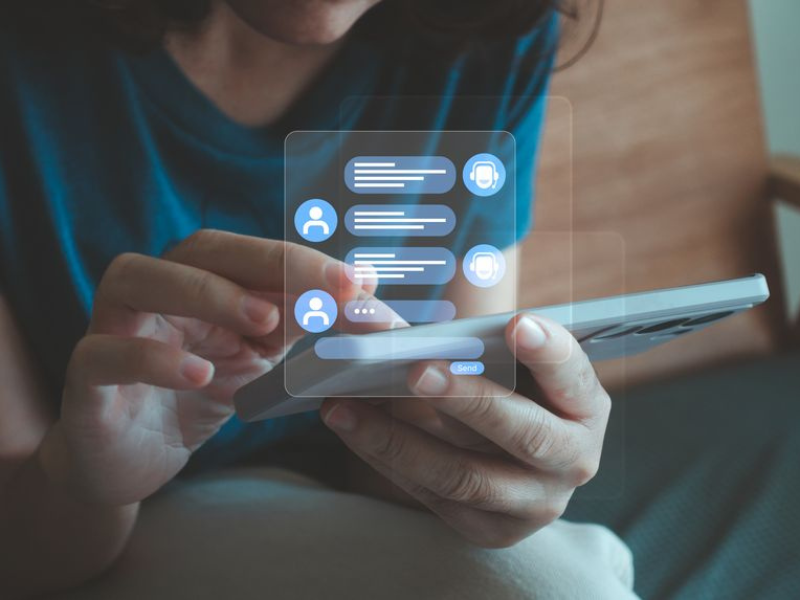
Эти тенденции напрямую влияют на результаты работы с клиентами.
Основные улучшения включают:
- Более быстрые ответы сокращают время ожидания.
- Последовательные ответы повышают доверие и ясность.
- Масштабируемость в часы пик предотвращает перебои в обслуживании.
- Персонализация делает взаимодействие актуальным, а не общим.
Краткий пример: Во время запуска продукта чат-боты мгновенно решают общие вопросы по настройке, в то время как агенты сосредотачиваются на сложных случаях. Удовлетворенность клиентов остается стабильной, несмотря на скачки трафика.
Преимущества для бизнеса, способствующие внедрению чатботов
- Снижение затрат на поддержку за счет автоматизации рутинных задач.
- Повышение операционной эффективности без расширения штата сотрудников.
- Предсказуемое качество обслуживания в разных регионах и часовых поясах.
Окупаемость инвестиций достигается за счет объема работы, а не за счет полной замены человека.
Где чатботы все еще не работают
Чат-боты отлично справляются со структурированными, повторяющимися задачами. Им трудно справиться со сложностью, неоднозначностью и эмоциональными нюансами.
Критические ограничения и когда вместо них следует использовать людей:
Эмоциональные ситуации требуют сопереживания
Сценарий: Клиент обращается в службу поддержки после смерти члена семьи и хочет отменить подписку.
Ответ чатбота: “Мне очень жаль это слышать. Для отмены мне нужен ваш электронный адрес и причина отмены”.”
Почему это не удается: Когда клиент нуждается в сочувствии, его реакция носит транзакционный характер. Они чувствуют, что компании все равно.
Реакция человека: “Я очень сожалею о вашей потере. Позвольте мне немедленно отменить заказ - никаких форм не нужно. Я также позабочусь о том, чтобы с вас не сняли деньги за этот месяц. Могу ли я еще чем-то помочь в это трудное время?”
Урок: Горе, гнев, разочарование требуют человеческого сопереживания. Чатботы не могут достаточно хорошо распознать эмоциональный тон, чтобы адаптироваться к нему.
Двусмысленные запросы требуют разъяснений
Сценарий: Клиент говорит: “Что-то не так с моим счетом”.”
Чатбот: “В чем, по-видимому, проблема?”
Клиент: “Я не знаю, это просто не работает”.”
Чатбот: “Вы можете описать, что именно не работает?”
Клиент: “Все”.”
Цикл продолжается до тех пор, пока клиент не покинет чат.
Человеческий агент: Задает целевые вопросы: “Вы можете войти в систему? Видите ли вы сообщение об ошибке? Когда это началось?” Агент быстро определяет проблему (истек срок действия пароля) и решает ее.
Урок: Неясные проблемы требуют расследования. Чат-боты испытывают трудности без четких исходных данных.
Сложные решения превышают возможности чатбота
Сценарий: Клиент заказал два ноутбука, а получил один. Они утверждают, что с них была взята плата за оба.
Чатбот: “Я вижу одно отправление. Позвольте мне соединить вас с биллингом”.”
Человеческий агент: Просматривает историю заказов и видит, что клиенту был выставлен счет за один ноутбук, а не за два. Четко объясняет это, предлагает проверить, существует ли второй заказ под другой электронной почтой, и устраняет путаницу.
Урок: Многоэтапные расследования с вынесением решений (было ли это мошенничество? системная ошибка? путаница пользователей?) требуют участия человека.
Чат-боты заманивают пользователей в петлю
Сценарий: Клиент пытается обратиться к человеку, но чатбот продолжает предлагать статьи для самообслуживания.
Разговор:
- Клиент: “Мне нужно поговорить с человеком”.”
- Чатбот: “Я здесь, чтобы помочь! В чем вам нужна помощь?”
- Клиент: “Соедините меня с агентом”.”
- Чатбот: “Я могу помочь в решении большинства вопросов. Вы спрашиваете о выставлении счетов, технической поддержке или настройках учетной записи?”
- Клиент: “АГЕНТ. СЕЙЧАС”.”
- Чатбот: “Позвольте мне найти несколько статей, которые могут помочь...”
Клиент закрывает чат в расстройстве и оставляет отзыв на 1 звезду.
Урок: Чат-боты должны немедленно распознавать запросы на эскалацию. Принуждение пользователей к самообслуживанию, когда они явно хотят обратиться к человеку, подрывает доверие.
Лучшая практика: Разрешите эскалацию после 2-3 обращений бота, если проблема не решена. Включите кнопку “Поговорить с человеком” на видном месте.
Чего бизнесу стоит ожидать от чат-ботов для обслуживания клиентов
Краткосрочная перспектива:
- Более интеллектуальное обнаружение намерений и лучшая аналитика поведения клиентов.
- Более глубокая интеграция с данными о поддержке и продуктах.
Долгосрочная перспектива:
- Голосовые ИИ-помощники выходят за рамки чата.
- Аналитика на основе искусственного интеллекта, выявляющая точки трения в CX-путешествиях.
Фокус сместится с ответов на вопросы на улучшение всего опыта поддержки.
FAQ: Общие вопросы о чат-ботах в сфере обслуживания клиентов
Заменят ли чат-боты людей, обслуживающих клиентов?
Нет. Чат-боты выполняют повторяющиеся задачи, в то время как человеческие агенты сосредоточены на сложных и эмоциональных взаимодействиях.
Действительно ли чат-боты повышают удовлетворенность клиентов?
Да, если они используются для скорости и удобства. Плохо продуманные чат-боты могут снизить уровень удовлетворенности.
Подходят ли чат-боты только для крупных компаний?
Нет. Малые и средние предприятия пользуются чат-ботами, чтобы масштабировать поддержку без найма больших команд.
Заключение и CTA
Тенденции в области обслуживания клиентов с помощью чатботов показывают четкое направление. Более быстрая, персонализированная и интегрированная поддержка становится нормой.
Чат-боты не заменяют людей. Они служат инструментом повышения эффективности стратегии обслуживания клиентов.
Если вы рассматриваете возможность внедрения чатботов, начните с малого. Определите сценарии использования с высокой интенсивностью и низкой сложностью. Измерьте влияние на время отклика и удовлетворенность. Начиная с этого, расширяйте масштабы.
Будущее службы поддержки клиентов принадлежит командам, которые балансируют между автоматизацией и человеческим общением.
Чтобы оставаться конкурентоспособными в современной быстро меняющейся сфере поддержки, компаниям необходимо выйти за рамки чат-ботов и учитывать более широкие отраслевые тенденции. Изучение этих глобальных трендов в области контакт-центров поможет организациям эффективнее согласовывать автоматизацию, человеческую поддержку и ожидания клиентов.
Узнайте больше о последних стратегиях, формирующих отрасль, здесь: мировые тенденции развития контактных центров
Читать далее:
Преимущества оффшорного аутсорсинга: Экономия средств, таланты, масштабы
Большие данные Колл-центры Аналитика: Превратите данные о клиенте в акт-чатботы для обслуживания клиентов trendsion
Подробнее ИИ И QA
Смотреть все →
ИИ для обеспечения успеха клиентов: 10 реальных примеров применения, которые действительно работают
Еще никогда успех клиентов не был таким требовательным. Ваши команды обрабатывают горы данных, управляют многоканальными разговорами и встречаются с клиентами, которые ожидают мгновенных персонализированных ответов в каждой точке контакта. Звучит знакомо? Вот хорошая новость: ИИ для успешной работы с клиентами помогает командам грамотно масштабироваться, не теряя при этом человеческой связи, которая способствует лояльности. При правильном применении ИИ обнаруживает сигналы оттока за несколько недель до того, как клиенты исчезнут,...

10 лучших программных инструментов для сбора дебиторской задолженности (2026)
Финансовые отделы тратят 15-20 часов в неделю на борьбу с просроченными платежами. Ручные повторные запросы забываются, клиенты утверждают, что никогда не получали счета, а прогнозы движения денежных средств меняются еженедельно без объяснения причин. Программное обеспечение для сбора дебиторской задолженности устраняет этот хаос. Оно автоматизирует напоминания о платежах, отслеживает состояние каждого счета в режиме реального времени и дает финансовым службам полную картину поступления денежных средств без увеличения численности персонала и усложнения работы. Это руководство...

Программное обеспечение для разрешения первых звонков: быстрое улучшение FCR и CSAT
Для руководителей контакт-центров разрешение первого звонка (FCR) - это не просто еще одна метрика, а самый четкий показатель того, насколько эффективно работает ваш центр. Когда клиентам требуется несколько звонков для решения одной проблемы, они уходят. Когда агенты решают проблему полностью с первого раза, показатели удовлетворенности растут, а затраты снижаются. В этом руководстве объясняется, что определяет FCR в современных контакт-центрах, как первый звонок...

 English
  Russian
  Chinese