
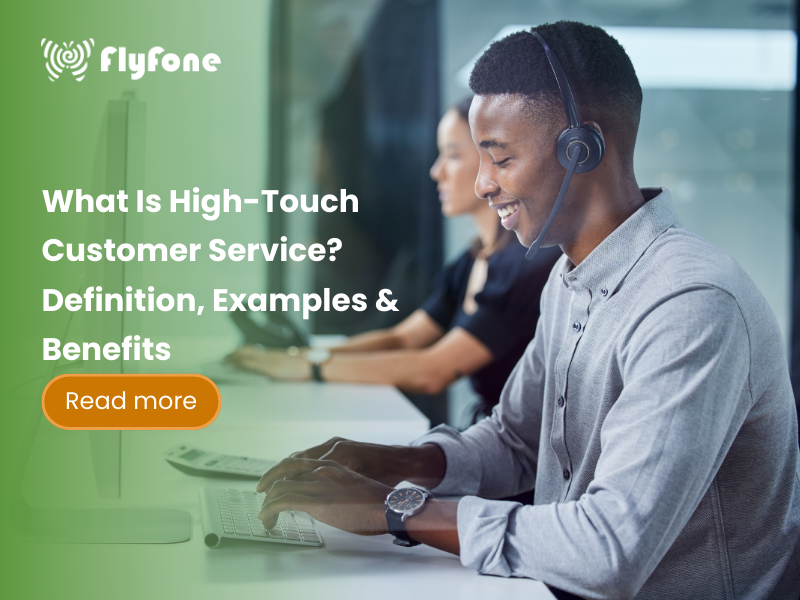
Обслуживание клиентов высокого уровня — это подход, ориентированный в первую очередь на человека и основанный на персонализированной поддержке с прямым участием сотрудников. В этом руководстве вы узнаете, что это такое, как оно работает на практике и когда его применение целесообразно для вашего бизнеса — без сложных терминов и излишней сложности.
Для бизнеса, использующего голосовые каналы — особенно облачные колл-центры — обслуживание клиентов высокого уровня требует соответствующей инфраструктуры. Платформы, такие как FlyFone, обеспечивают такую возможность за счёт выделенных телефонных линий, интеграции с CRM и инструментов анализа качества звонков на основе ИИ, которые помогают операторам оказывать персонализированную поддержку, ориентированную на построение долгосрочных отношений с клиентами, в масштабе.
Основные выводы

- Персонализированное обслуживание клиентов фокусируется на личные отношения и человеческое взаимодействие, а не только скорость.
- Он лучше всего подходит для клиенты с высокой ценностью, сложные продукты и долгосрочные отношения.
- Выделенные сотрудники, проактивная коммуникация и персонализация определяют эту модель.
- Большинство современных компаний используют гибридный подход, сочетающий сервис высокого и низкого уровня вовлеченности.
Что такое персонализированный сервис для клиентов?

Обслуживание клиентов высокого уровня — это модель обслуживания, ориентированная на прямое взаимодействие с человеком и персонализированная поддержка на протяжении всего клиентского пути.
Вместо того чтобы направлять клиентов через автоматизированные меню или инструменты самообслуживания, компании инвестируют в людей — например, менеджеров по работе с клиентами или менеджеров по успеху клиентов, — которые оказывают клиентам персональную поддержку, консультируют и сопровождают их. Цель состоит не только в решении возникающих вопросов, но и в формировании доверия и долгосрочных отношений.
На практике высокий уровень персонализированного обслуживания означает:
- Клиенты взаимодействуют с настоящие люди, а не просто системы.
- Поддержка — это с учетом контекстана основе истории взаимодействия с клиентом, его целей и задач.
- Связь — это проактивный, не ограничиваясь решением проблем.
Инструменты, такие как CRM-системы (программное обеспечение для хранения истории взаимодействия с клиентами), по-прежнему играют важную роль, однако они поддерживают людей, а не заменяют их. Технологии обеспечивают контекст; именно люди создают впечатление.
Облачные колл-центры играют здесь ключевую роль, обеспечивая голосовую инфраструктуру, необходимую для таких взаимодействий с людьми. Такие функции, как отображение информации из CRM при входящем звонке (screen-pop), запись разговоров и интеллектуальная маршрутизация, гарантируют, что операторы получают необходимый контекст и инструменты для оказания по-настоящему персонализированной поддержки.
Простой пример:
Компания B2B SaaS назначает каждому корпоративному клиенту персонального менеджера по работе с клиентами. Этот специалист проводит вводные звонки, ежемесячно связывается с клиентом, анализирует данные об использовании продукта и помогает клиенту получить из продукта измеримую ценность. Такие отношения ощущаются скорее как партнёрство, чем как служба поддержки.
Компании внедряют сервис с высокой степенью персонализации, когда пожизненная ценность клиента высока, проблемы сложны или лояльность важнее скорости.
Ключевые характеристики клиентского сервиса высокого уровня

Взаимодействие «человек-человек»
Прямой контакт — это основа сервиса высокого уровня. Клиенты могут общаться с человеком, который внимательно слушает, проявляет эмпатию и отвечает в режиме реального времени.
Общие каналы включают:
- Телефонные и видеозвонки
- Индивидуальные встречи
- Онлайн-чат с персональными представителями
Это присутствие человека формирует доверие и снижает раздражение, особенно в ситуациях с высокими ставками.
Важно качество голосовой инфраструктуры: Качество таких взаимодействий зависит от надёжных технологий колл-центра. Высококачественный голос, низкая задержка и стабильные соединения — особенно при международных звонках — обеспечивают естественность и профессионализм разговоров. Платформы, такие как Flyfone, размещённые на инфраструктуре AWS, обеспечивают 99,9 % времени безотказной работы и чёткое качество аудио, критически важное для сервиса высокого уровня.
Индивидуальная поддержка клиентов
Персонализация выходит за рамки использования имени клиента. Это означает понимание контекста и адаптацию поддержки в соответствии с ним.
Агенты используют данные CRM для:
- Просмотреть предыдущие диалоги и покупки
- Понять цели и болевые точки
- Настройте рекомендации и решения
Пример:
Два клиента сообщают об одной и той же проблеме, но получают разные решения в зависимости от уровня их использования, отрасли и сроков.
Как колл-центры обеспечивают это: Современные облачные колл-центры интегрируются с CRM-системами (Salesforce, HubSpot, Zendesk), чтобы автоматически отображать историю взаимодействия с клиентом, как только оператор берёт входящий звонок. Эта функция «экранного всплывания» (screen-pop) позволяет операторам не тратить время на поиск информации: они сразу могут обратиться к клиенту по имени, сослаться на предыдущие взаимодействия и предоставить поддержку с учётом контекста. Интеграция CRM в FlyFone обеспечивает эту функциональность бесперебойно, сокращая среднее время обработки обращения и повышая персонализацию.
Проактивная коммуникация
Обслуживание высокого уровня не дожидается появления проблем. Команды связываются с клиентами до того, как проблемы усугубятся.
Распространённые случаи проактивного взаимодействия включают:
- Руководство по запуску для новых клиентов
- Регулярные медицинские осмотры
- Обсуждение продления и расширения
Менеджеры по работе с клиентами часто возглавляют эти инициативы, особенно на этапах внедрения и продления подписки.
Ориентация на построение отношений
Акцент смещается с закрытия тикетов на создание долгосрочной ценности. Диалоги носят консультативный характер и зачастую описываются как обслуживание «белой перчаткой».
Вместо вопроса «Как быстро мы можем это исправить?» команды задают вопрос:
- Помогаем ли мы клиенту добиться успеха?
- Достигаются ли их цели?
Такой подход способствует формированию лояльности, удержанию клиентов и их поддержке с течением времени.
Обслуживание клиентов с высокой и низкой степенью вовлечённости

Что собой представляет обслуживание клиентов высокого уровня
- Выделенные менеджеры по работе с клиентами или менеджеры по успеху
- Частые запланированные взаимодействия
- Глубокое понимание потребностей клиентов
- Лучше всего подходит для сложных или высокодоходных аккаунтов
Как выглядит обслуживание клиентов с низким уровнем вовлеченности
- Поддержка, основанная на автоматизации
- Средства самообслуживания, такие как часто задаваемые вопросы (FAQ) и чат-боты
- Минимальное участие человека
- Создано для масштабирования и эффективности
Сравнение моделей с высокой и низкой степенью вовлечённости
| Аспект | Обслуживание высокого уровня | Обслуживание с минимальным участием сотрудников |
|---|---|---|
| Человеческое взаимодействие | Высокий | Минимум |
| Персонализация | Очень высокий | Ограниченный |
| Масштабируемость | Сложнее масштабировать | Простое масштабирование |
| Стоимость | Выше | Нижний |
| Лучшее для | Сложные клиенты с высокой ценностью | Простые потребности в большом объеме |
Примеры высококачественного обслуживания клиентов

Персональный менеджер по работе с клиентами или менеджер по успеху клиентов
Единая точка контакта повышает преемственность и доверие.
Типичные обязанности включают:
- Онбординг и обучение
- Регулярные проверки и обзоры
- Выступая в качестве внутреннего защитника клиента
- Техническая поддержка колл-центра для менеджеров по работе с клиентами: Менеджеры по работе с клиентами полагаются на инфраструктуру колл-центра для эффективной реализации своей стратегии высокого уровня взаимодействия. Ключевые возможности включают:
- Выделенные телефонные номера для каждого сегмента клиентов — CSM или VIP, обеспечивая, чтобы клиенты всегда попадали к своему закреплённому представителю
- Запись и расшифровка звонков чтобы специалисты по работе с клиентами могли просматривать прошлые диалоги и сохранять контекст при взаимодействии
- Интеграция CRM которая отображает полную историю взаимодействия с клиентом во время звонков — ручной поиск не требуется
- Аналитика звонков измерять качество разговоров, выявлять возможности для обучения сотрудников и отслеживать настроение клиентов
Например, финтех-компания, использующая Flyfone направляет звонки ценным клиентам напрямую старшим менеджерам по работе с клиентами (CSM) с помощью пользовательских правил маршрутизации, полностью обходя очереди IVR. Записи звонков автоматически синхронизируются с их CRM, что позволяет проводить персонализированные последующие действия и обеспечивать стабильное качество обслуживания.
Персонализированный процесс онбординга
Персонализированное онбординг-сопровождение ускоряет получение первых результатов.
Типичный рабочий процесс:
- Приветственный звонок, адаптированный под цели клиента
- Индивидуальный обзор продукта
- Дополнительные ресурсы в зависимости от варианта использования
- Ранняя обратная связь и корректировки
Это снижает путаницу и повышает уверенность с первого дня.
Регулярные персонализированные проверки
Чек-ины — это запланированные точки контакта, а не звонки с целью продаж.
Они часто сосредотачиваются на:
- Прогресс в достижении целей
- Новые вызовы или риски
- Возможности для улучшения результатов
Эти диалоги укрепляют отношения и снижают отток клиентов.
Когда бизнесу следует использовать высококонтактное обслуживание клиентов?

Клиенты с высокой ценностью или долгосрочные клиенты
Подход «высокой вовлеченности» оправдан, когда каждый клиент приносит значительный доход.
Сигналы включают в себя:
- Высокая пожизненная ценность клиента
- Длительные сроки действия договора
- Высокая стоимость оттока клиентов
Сложные товары или услуги
Если для вашего продукта требуется обучение, настройка или стратегическое сопровождение, одной автоматизации недостаточно.
Примеры включают:
- ПО для бизнеса
- Финансовые или юридические услуги
- Корпоративные решения
Бизнес-модели, основанные на отношениях
Некоторые компании добиваются успеха, становясь надёжными партнёрами.
Это часто встречается в:
- Консалтинговые и профессиональные услуги
- Премиальные бренды
- Бизнесы с подпиской, ориентированные на удержание клиентов
Почему важна персонализированная поддержка клиентов

Обслуживание высокого уровня улучшает результаты, а не только впечатления.
Это помогает бизнесу:
- Повышение удовлетворённости и доверия клиентов
- Снижение оттока клиентов и повышение уровня удержания
- Отличайтесь не только ценой и функциями
Когда клиенты чувствуют, что их понимают и поддерживают, они остаются дольше и взаимодействуют более активно.
Роль качества звонков: Однако эффективность обслуживания «с высокой степенью вовлечённости» во многом зависит от качества и надёжности звонков. Обрывы соединения, плохое качество аудио или задержки подрывают доверие — особенно со стороны международных клиентов. Облачные колл-центры с глобальной инфраструктурой (например, платформа Flyfone, размещённая на AWS и оптимизированная для Азиатско-Тихоокеанского региона) обеспечивают стабильную передачу голоса в формате HD при каждом взаимодействии, независимо от местоположения клиента.
Могут ли высококонтактный и низкоконтактный сервисы работать совместно?

Да. Большинство компаний используют гибридную модель.
Обработка с низким уровнем вовлеченности:
- Простые вопросы
- Повторяющиеся задачи
- Запросы в большом объёме
Высокий уровень взаимодействия фокусируется на:
- Стратегические разговоры
- Сложные вопросы
- Отношения с высокой ценностью
Этот баланс позволяет масштабировать сервис, не теряя человеческого элемента.
Преимущество технологии: Облачные колл-центры с гибкими ценовыми моделями делают гибридные подходы более экономически эффективными. Традиционная модель оплаты «за рабочее место» вынуждает компании платить за агентов высокого уровня обслуживания даже в периоды низкой загрузки. Модель оплаты FlyFone «за минуту разговора» означает, что вы платите только за фактическое время разговоров — это идеально подходит для бизнеса, которому требуется высококачественное обслуживание, доступное по требованию, но не постоянно используемое. Например, BPO может обеспечить работу линий поддержки VIP-клиентов в часы пик, не оплачивая простаивающие рабочие места в нерабочее время.
Часто задаваемые вопросы о сервисе высокого уровня обслуживания клиентов

Дорогой ли высококачественный сервис поддержки клиентов?
Это обходится дороже, чем автоматизация, однако зачастую приносит более высокую отдачу за счёт удержания клиентов и их пожизненной ценности.
Масштабируема ли клиентская поддержка высокого уровня?
Нет, самостоятельно. Масштабируемость обычно достигается за счет комбинирования с автоматизацией малозатратных процессов.
Подразумевает ли «высокий уровень взаимодействия с клиентом» исключительно B2B-компании?
Нет. Это распространено в B2B, но также используется в финансовой сфере, здравоохранении и премиальных B2C-брендах.
Всегда ли клиенты хотят поддержки «высокого уровня вовлечённости»?
Не всегда. Многие предпочитают самообслуживание для простых задач и поддержку человека — для сложных.
Как понять, нуждается ли мой бизнес в обслуживании «high-touch»?
Если клиентам требуется поддержка, они представляют высокую ценность или отток клиентов обходится дорого, то для них, скорее всего, подойдет персонализированный сервис.
Обслуживание клиентов «с высокой степенью вовлечённости» означает использование людей там, где их участие имеет наибольшее значение. Однако успех зависит от наличия соответствующей инфраструктуры, поддерживающей эти человеческие взаимодействия. Голосовые каналы по-прежнему играют ключевую роль в построении отношений, решении сложных проблем и предоставлении персонализированной поддержки в масштабе.
Готовы внедрить персонализированное обслуживание клиентов в масштабе? Облачная платформа call-центра Flyfone предоставляет необходимую голосовую инфраструктуру, интеграцию с CRM и аналитику на основе ИИ — без сложности и затрат, характерных для традиционных корпоративных систем. Запустите выделенные линии поддержки менее чем за 1 час, оплачивайте только фактическое время разговоров и масштабируйте сервис по мере роста вашей модели высококачественного обслуживания.
Часто задаваемые вопросы

Что такое персонализированный сервис для клиентов?
Обслуживание клиентов высокой степени вовлеченности — это персонализированный, практический подход, ориентированный на выстраивание прочных отношений с клиентами посредством частого живого общения. Он ставит во главу угла индивидуальные потребности клиента и стремится сделать его чувствующим себя ценным и понятым.
Каковы ключевые характеристики клиентского сервиса высокого уровня?
Ключевые характеристики включают прямое взаимодействие «человек с человеком», высокую персонализацию поддержки с учетом индивидуальных потребностей, проактивную коммуникацию и ориентацию на построение долгосрочных отношений с клиентами. Часто задействуются выделенные менеджеры по работе с клиентами.
Чем отличается персонализированное обслуживание клиентов от автоматизированного?
Обслуживание с высокой степенью вовлечённости подразумевает значительное взаимодействие с людьми и персонализацию, что делает его идеальным для решения сложных задач клиентов или удовлетворения потребностей клиентов с высокой ценностью. Обслуживание с низкой степенью вовлечённости опирается в большей степени на автоматизацию, возможности самообслуживания и минимальный контакт с человеком, делая акцент на эффективности и масштабируемости при решении более простых задач.
Какие примеры высококачественного обслуживания клиентов существуют?
Примеры включают назначение персонального менеджера по работе с клиентами, предоставление индивидуального процесса внедрения с персональным сопровождением и проведение регулярных стратегических встреч с клиентами для обсуждения их потребностей и прогресса.
Когда компаниям следует использовать модель обслуживания клиентов «high-touch»?
Компании должны рассматривать высококачественное обслуживание для клиентов с высокой ценностью или долгосрочными отношениями, при работе со сложными товарами или услугами, а также в бизнес-моделях, в которых ключевую роль играют отношения. Такой подход эффективно повышает лояльность и удержание клиентов.
Дорогой ли высококачественный сервис поддержки клиентов?
Да, обслуживание клиентов высокого уровня может обойтись дороже из-за повышенной потребности в человеческих ресурсах и персонализированного внимания. Однако такие инвестиции могут повысить пожизненную ценность клиента и снизить отток клиентов, что зачастую оправдывает затраты.
Могут ли модели обслуживания «высокого контакта» и «низкого контакта» работать совместно?
Абсолютно верно. Многие компании успешно используют гибридную модель, применяя методы обслуживания с низким уровнем вовлеченности для повышения эффективности при выполнении рутинных задач и методы обслуживания с высоким уровнем вовлеченности — для критически важных взаимодействий с клиентами, сложных вопросов или сегментов высокой ценности.
Какова роль менеджера по работе с клиентами (CSM) в сервисе с высокой степенью вовлечённости?
Специалист по работе с клиентами (CSM) выступает в качестве основного контактного лица, проактивно направляя клиентов, понимая их цели, выявляя потенциальные проблемы и обеспечивая максимальную отдачу от продукта или услуги, тем самым укрепляя прочные долгосрочные отношения.
Как работает персонализация в клиентском сервисе с высоким уровнем взаимодействия?
Персонализация выходит за рамки простого использования имени клиента. Она предполагает использование данных о клиенте из CRM-систем для понимания его конкретного контекста, предыдущих взаимодействий, предпочтений и проблемных точек, что позволяет предлагать персонализированные решения и рекомендации.
Каковы преимущества использования модели обслуживания клиентов с высокой степенью вовлечённости?
Преимущества включают повышение удовлетворенности клиентов, рост показателей удержания, укрепление лояльности клиентов, улучшение процессов онбординга и внедрения продукта, а также формирование четкого конкурентного преимущества. Кроме того, это создает возможности для дополнительных продаж и расширения сотрудничества.
Какие функции колл-центра необходимы для оказания клиентам персонализированного сервиса?
Обязательные функции включают:
- Интеграция CRM для автоматического отображения истории клиента
- Интеллектуальная маршрутизация вызовов направлять клиентов нужному агенту или менеджеру по работе с клиентами (CSM)
- Запись и расшифровка звонков для обеспечения качества и обучения
- Аналитика в реальном времени отслеживать качество обслуживания и настроение клиентов
- Качество HD-звука и надежная инфраструктура для профессиональных разговоров
- Гибкий ценообразование которая поддерживает изменяющиеся высокие объемы звонков
Облачные платформы, такие как FlyFone, предоставляют эти возможности с быстрым развертыванием (менее чем за 1 час) и оплатой по минутам, что делает высококачественное обслуживание более доступным для растущих компаний без бюджета корпоративного уровня.
Читать далее:
- Обслуживание клиентов BPO: Преимущества, определение и руководство по выбору
- Коммуникационный разрыв при удалённой работе Поддержка клиентов
- Аналитика центров обработки вызовов: Ключевые показатели и руководство по производительности
Подробнее Как
Смотреть все →
Аутсорсинг управления дебиторской задолженностью: затраты, преимущества и риски
Задержки платежей губят предприятия быстрее, чем низкие объемы продаж. Средний малый бизнес в США функционирует за счет денежного резерва, рассчитанного на 27 дней — именно столько времени он сможет покрывать расходы при полном отсутствии поступлений, — а у четверти таких предприятий этот резерв составляет менее 13 дней. К таким выводам пришёл Институт JPMorgan Chase на основе анализа данных по 597 000 предприятий и 470 миллионам транзакций,...

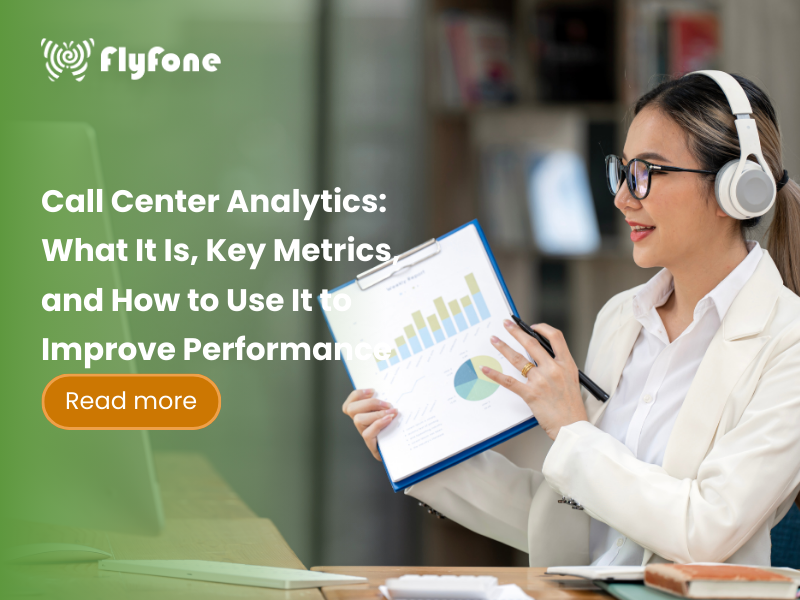
Аналитика колл-центров: 15 ключевых показателей и KPI для отслеживания (2026)
Центры обработки вызовов живут данными: объемы вызовов, время обработки, результаты опросов, отчеты о штатном расписании. Но без четкой системы эти данные превращаются в шум. Аналитика колл-центра - это способ превратить этот шум в действия, которые сократят время ожидания, улучшат работу агентов и заставят клиентов действительно захотеть перезвонить вам. В этом руководстве вы узнаете, что такое аналитика колл-центра...

Программное обеспечение для исходящего дозвона: Типы, особенности и лучшие инструменты (руководство на 2026 год)
Системы исходящего дозвона помогают отделам продаж и контакт-центрам совершать больше звонков за меньшее время без ручного набора номера. Если вы оцениваете программное обеспечение для исходящего дозвона, это руководство объяснит, что это такое, как оно работает, основные типы, преимущества, варианты использования, риски, связанные с соблюдением нормативных требований, и как выбрать подходящую систему для вашей команды. Вы получите практический обзор, ориентированный на принятие решений, без технической перегрузки. Основные выводы Ан...
 English
  Russian
  Chinese