
Стоит ли вам передавать поддержку клиентов на аутсорсинг в Сингапур?
Это руководство предназначено для основателей, операционных менеджеров и руководителей CX, рассматривающих Сингапур в качестве места аутсорсинга. Вы узнаете, сколько на самом деле стоят сингапурские провайдеры, в каких случаях оправдывает себя высокая цена и какие требования к соответствию нормативным требованиям влияют на выбор провайдера.
В отличие от оффшорных рынков, которые конкурируют за счет трудового арбитража, Сингапур конкурирует за качество обслуживания, предсказуемость нормативных актов и региональный охват. Это имеет наибольшее значение, когда качество обслуживания клиентов напрямую влияет на доходы или когда нарушение нормативных требований влечет за собой реальные штрафы.
Мы расскажем о реалиях работы, структуре затрат и факторах риска, которые необходимо оценить перед подписанием контракта.
Основные моменты, которые вы должны знать в первую очередь

-
1. Сингапур выбирают не за дешевизну - его выбирают за предсказуемость. Почасовая ставка составляет $18-40 за агента по сравнению с $8-15 на Филиппинах. За что вы платите: более эффективное управление, снижение регуляторных рисков и жесткий контроль качества.
2. Соблюдение PDPA не подлежит обсуждению и влияет на каждую часть вашего контракта. Сингапурский закон о защите персональных данных регулирует порядок сбора, хранения и доступа к данным клиентов. Провайдеры, не имеющие четких процедур в соответствии с PDPA, несут ответственность, которую нельзя снять с себя.
3. Установка занимает не дни, а 4-8 недель. От подписания контракта до первого звонка в режиме реального времени проходит время, необходимое для подключения поставщика, интеграции системы, обучения агентов и проверки соблюдения требований. Планируйте соответствующим образом, если у вас есть сроки запуска.
4. Аутсорсинг лучше всего работает, когда ваши процессы уже стабильны. Если ваши скрипты меняются еженедельно или потоки вызовов не документированы, вы передаете на аутсорсинг хаос. Сначала стабилизируйте работу, а затем масштабируйте ее с помощью аутсорсинга.
5. Выбор поставщика имеет большее значение, чем цены. Самый дешевый поставщик часто создает самые дорогие проблемы. Прежде чем сравнивать почасовые ставки, обратите внимание на соответствие отрасли, возможность соблюдения нормативных требований и структуру управления.
6. Вы перекладываете исполнение на поставщика, но ответственность остается за вами. Когда клиент жалуется на плохое обслуживание, он обвиняет ваш бренд, а не партнера по BPO. Выбирайте поставщиков, которым вы бы доверили репутацию своей компании.
Что такое аутсорсинг колл-центра в Сингапуре?

Аутсорсинг колл-центра - это привлечение стороннего поставщика услуг для работы с клиентами - голосовыми звонками, электронными письмами, живыми чатами и социальными сообщениями - вместо того, чтобы создавать собственную команду.
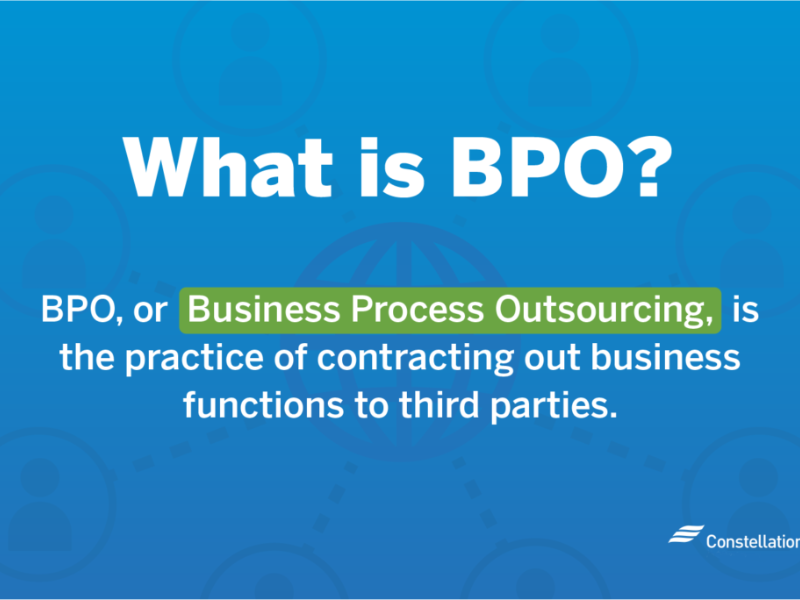
Большинство сингапурских провайдеров работают в рамках более широкой экосистемы BPO (аутсорсинга бизнес-процессов), занимаясь всеми видами деятельности - от поддержки на местах до бэк-офисных операций - для местных, региональных и глобальных клиентов.
Чем это отличается от строительства собственными силами:
При передаче на аутсорсинг поставщик выполняет все необходимые действия:
- Наем и начисление заработной платы: Они нанимают, принимают на работу и управляют работой агентов
- Инфраструктура: Системы маршрутизации вызовов, CRM-платформы и телефония
- Ежедневные операции: Составление графиков сменности, контроль качества и управление производительностью
Вы сохраняете контроль над ним:
- Стратегия и позиционирование: Как должен звучать ваш бренд и какие результаты имеют значение
- Обработка эскалации: Сложные случаи по-прежнему направляются в ваши внутренние команды
- Стандарты производительности: SLA определяют приемлемые уровни обслуживания и штрафные санкции
Общие случаи использования:
- Поддержка клиентов: Устранение технических неполадок, запросы по счетам, состояние заказов
- Последующие продажи: Квалификация свиданий, назначение встреч, кампании по удержанию
- Бэк-офисная обработка: Ввод заказов, поддержка выставления счетов, проверка данных
Аутсорсинг лучше всего работает, когда объемы звонков предсказуемы, а процессы хорошо задокументированы. Если ваш бизнес все еще экспериментирует с обменом сообщениями или рабочие процессы часто меняются, сначала стабилизируйте работу, прежде чем прибегать к аутсорсингу.
По сравнению со штатными сотрудниками, аутсорсинг передает штат, технологии и ежедневные операции специализированному партнеру. Ваш бизнес сохраняет контроль над стратегией, тоном бренда и целевыми показателями эффективности.
К числу распространенных вариантов использования относятся:
- Поддержка клиентов и служба технической поддержки
- Управление заказами и запросы на выставление счетов
- Техническая поддержка и обслуживание счетов
- Последующие продажи и удержание клиентов
Сингапурским аутсорсингом пользуются стартапы, малые и средние предприятия, которым важны соответствие нормам, надежность и региональный охват.
Почему компании выбирают Сингапур для аутсорсинга колл-центров

Сингапур выбирают не за дешевизну. Его выбирают за предсказуемость, соответствие требованиям и ориентированность на клиента - качества, которые имеют наибольшее значение, когда сбои в обслуживании влекут за собой реальные расходы.
За что вы платите:
1. Снижение регуляторного риска В Сингапуре действуют строгие законы о защите данных (PDPA) и трудовые законы. Провайдеры работают под надзором регулирующих органов, что снижает риск нарушения нормативных требований.
Для сравнения: На офшорных рынках законы о конфиденциальности могут существовать на бумаге, но их соблюдение варьируется. Одно нарушение PDPA в Сингапуре может вызвать проверку со стороны MAS (Денежно-кредитного управления Сингапура) - поставщики серьезно относятся к этому.
2. Предсказуемое качество обслуживания Культура обслуживания в Сингапуре подчеркивает профессионализм и последовательность. Уровень оттока агентов составляет 15-25% в год по сравнению с 30-50% на высоконагруженных оффшорных рынках.
Низкая текучесть кадров означает:
- Меньше затрат на переподготовку
- Более эффективное сохранение институциональных знаний
- Более последовательное обслуживание клиентов
3. Культурное и языковое соответствие Сингапурские агенты говорят на нейтральном английском языке с минимальным влиянием акцента. Письменная речь профессиональна и грамматически чиста - это очень важно для поддержки по электронной почте и в чате, где неправильные интонации приводят к эскалации.
Это важно для:
- Австралийские и британские клиенты, для которых ясность важнее скорости
- Американские корпоративные клиенты, озабоченные репутацией бренда
- Регулируемые отрасли (финтех, здравоохранение), где точная коммуникация снижает ответственность
4. Стратегическое покрытие АТР из единого центра Сингапур находится в GMT+8 и пересекается с ним:
- Полный охват: Юго-Восточная Азия, Китай, Австралия
- Частичное совпадение: Индия, Ближний Восток, Западное побережье США
Многие компании используют Сингапур в качестве штаб-квартиры в АТР, что делает логичным совместное размещение операций по поддержке клиентов.
По сравнению с такими оффшорными рынками, как Филиппины или Индия, Сингапур предлагает более эффективное управление, более легкое согласование с западными стандартами ведения бизнеса и более низкие регуляторные риски.
Стратегическое расположение и региональный охват
- Сингапур находится в часовом поясе, который поддерживает рынки АТР и частично пересекается с США и ЕС.
- Многие провайдеры управляют региональными хабами, охватывающими Юго-Восточную Азию с одной базы.
- Он хорошо подходит для компаний, использующих Сингапур в качестве штаб-квартиры в АТР.
Ориентированность на управление клиентским опытом
В культуре обслуживания Сингапура особое внимание уделяется четкости, профессионализму и последовательности.
К основным достоинствам относятся:
- Нейтральный английский акцент и сильная письменная речь.
- Культурное соответствие с клиентами из США, Великобритании и Австралии.
- Структурированные процессы обучения и контроля качества.
Основные преимущества аутсорсинга центров обработки вызовов в Сингапуре

Аутсорсинг в Сингапуре - это снижение операционных рисков при сохранении доверия клиентов.
Преимущества наиболее заметны, когда клиентский опыт напрямую влияет на доходы или соответствие требованиям.
Соотношение стоимости и ценности
Сингапур - не самое дешевое направление. Почасовая оплата составляет $18-40 на одного агента по сравнению с $8-15 на Филиппинах или $6-12 в Индии.
Что оправдывает премию:
1. Снижение риска утечки данных и нарушений нормативных требований
Сингапурские провайдеры действуют в соответствии с Законом о защите персональных данных (PDPA) с реальным правоприменением. Нарушения влекут за собой обязательное уведомление о нарушениях и потенциальные штрафы до $1 миллиона SGD.
Реальный сценарий: Финтех-компания передает проверку KYC на аутсорсинг недорогому офшорному провайдеру. Спустя полгода они обнаруживают, что сканы паспортов клиентов хранились на незашифрованных дисках, доступных 50 с лишним агентам. Компания сталкивается с проблемой:
- Обязательное раскрытие информации о нарушениях для клиентов и регулирующих органов
- Ущерб бренду от освещения в СМИ
- 18 месяцев аудиторской проверки
Сингапурские провайдеры встраивают соблюдение PDPA в стандартные операционные процедуры, а не просто как второстепенную задачу. Вы платите больше, но избегаете существенных рисков соответствия.
2. Улучшенная обработка эскалации для сложных или деликатных случаев
Сингапурских агентов учат справляться с неоднозначностью и принимать решения в определенных рамках. Это важно, когда:
- VIP-клиент требует исключения из стандартной политики
- Техническая проблема требует координации действий нескольких систем
- Спор о выставлении счетов связан с толкованием договора
Сравнение: Оффшорные провайдеры оптимизируют работу для соблюдение сценария и скорость. Сингапурские провайдеры оптимизируют качество решений и удовлетворенность клиентов-Даже если это займет больше времени.
Для транзакционной поддержки (“Где мой заказ?”) оффшорный подход отлично подходит. При работе со сложными B2B-аккаунтами или дорогостоящими клиентами сингапурское обучение, основанное на суждениях, позволяет сократить количество эскалаций для внутренней команды на 30-40%.
3. Меньше жалоб клиентов, вызванных недостатками языка или обслуживания
Сингапурские агенты говорят на нейтральном английском языке с минимальным влиянием акцента. Это снижает:
- “Жалобы ”я не могу понять агента" (часто встречается при сильном региональном акценте)
- Неправильное восприятие тона электронной почты/чата (критически важно для письменного общения)
- Недоразумения, которые приводят к повторным контактам
Когда это важнее всего: Если ваша клиентская база включает клиентов из Великобритании, Австралии или США, которые ожидают полированного общения, качество языка напрямую влияет на NPS и удержание клиентов. Одна вирусная жалоба на “аутсорсинговую поддержку” может испортить восприятие бренда на несколько месяцев.
Реальное сравнение - это не стоимость, а соотношение стоимости и потенциального ущерба бренду.
Сингапурский агент со скоростью $20/час по сравнению с офшорным агентом со скоростью $10/час выглядит дорого. Но если оффшорный подход генерирует на 20% больше жалоб и на 15% ниже CSAT, скрытые затраты (отток, эскалации, ущерб репутации) часто превышают экономию на рабочей силе.
Распространенной ошибкой является прямое сравнение Сингапура с дешевыми оффшорными вариантами. Реальное сравнение - это стоимость в сравнении с потенциальным ущербом для бренда или штрафными санкциями со стороны регулирующих органов.
Гибкость и поддержка роста
- Масштабируйте численность агентов, увеличивая или уменьшая ее, без долгосрочных обязательств по найму.
- Справляйтесь с сезонными всплесками, не перегружая внутренние команды.
- Поддержка регионального расширения с помощью одного централизованного партнера.
Общие проблемы и риски, о которых следует знать

Аутсорсинг не снимает ответственности. Он перекладывает исполнение на партнера, а ответственность остается за вами.
Основные риски можно контролировать, если принять меры на ранней стадии.
Соответствие требованиям PDPA и безопасность данных
PDPA (Закон о защите персональных данных) - это сингапурский закон о конфиденциальности данных. Он регулирует порядок сбора, использования и хранения персональных данных.
Аутсорсинг увеличивает риск, поскольку данные о клиентах уходят за пределы вашей организации.
Основные риски, за которыми следует следить:
- Отсутствие у поставщиков четких процедур обработки данных.
- Неограниченный доступ к системам клиентов.
- Отсутствие прав на аудит или процесса уведомления о нарушениях.
Практические меры предосторожности включают:
- Доступ к данным ограничен ролью и потребностями.
- Письменные положения о PDPA в контрактах и SLA.
- Регулярные проверки безопасности в соответствии с руководством IMDA.
Контроль качества и мониторинг производительности
- Определите SLA и KPI до запуска, а не после.
- Вместо ежедневного микроменеджмента используйте еженедельные или ежемесячные отчеты.
- Сосредоточьтесь на таких результатах, как скорость решения проблем и удовлетворенность клиентов.
Типы моделей аутсорсинга центров обработки вызовов в Сингапуре
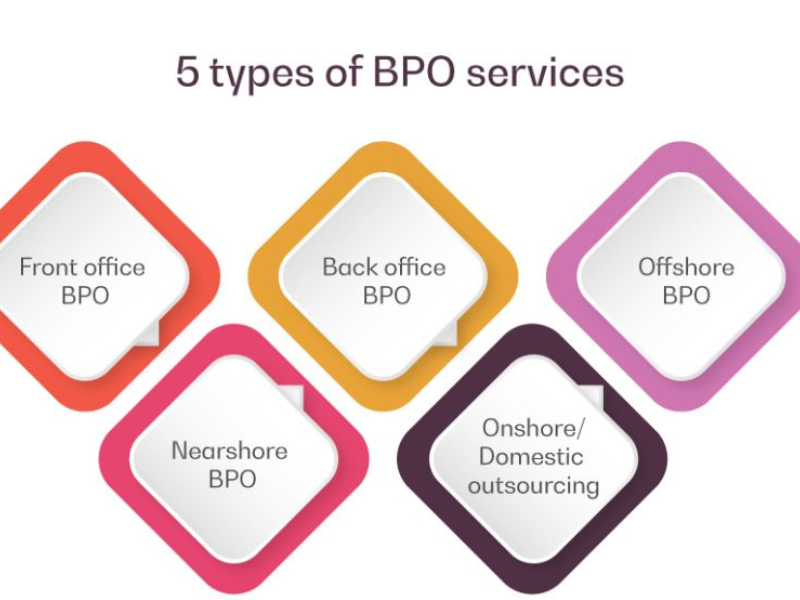
Провайдеры в Сингапуре предлагают несколько моделей работы. Правильный выбор зависит от контроля, стоимости и сложности.
Услуги центра входящих вызовов
- Поддержка клиентов и служба технической поддержки
- Запросы по заказам и счетам
- Техническая помощь
Услуги центра исходящих вызовов
- Работа с продавцами и последующее сопровождение клиентов
- Кампании по удержанию клиентов
- Назначение встреч
Готов ли ваш бизнес к аутсорсингу колл-центров?
Аутсорсинг лучше всего работает, когда ваш бизнес стабилен в операционном плане.
Если вы передаете хаос на аутсорсинг, вы быстрее масштабируете проблемы.
Операционная и финансовая готовность
- Объем ваших звонков предсказуем из месяца в месяц.
- Процессы документированы и повторяемы.
- У вас есть четкий месячный бюджет и целевой показатель ROI.
- Вы знаете, какие взаимодействия должны оставаться внутри компании.
Внутренний управленческий потенциал
- Единый владелец для управления поставщиками.
- Определенный процесс коммуникации и эскалации.
- Способность анализировать отчеты и действовать в соответствии с полученными результатами.
Как правильно выбрать поставщика услуг аутсорсинга колл-центра в Сингапуре

Выбор поставщика - самое важное решение, которое вам предстоит принять.
Цена должна оцениваться в последнюю очередь, а не в первую.
Опыт, соответствие отрасли и репутация
- Ищите поставщиков с опытом работы в вашей отрасли.
- Попросите предоставить соответствующие тематические исследования, а не общие.
- Поговорите напрямую с нынешними или прошлыми клиентами.
Пример: Финтех-компания должна отдавать предпочтение поставщикам с опытом работы в сфере поддержки соблюдения нормативных требований.
Решения для контакт-центров на основе технологий и искусственного интеллекта
- Всеканальная поддержка по голосу, чату и электронной почте.
- Интеграция CRM для обеспечения контекста и непрерывности.
- Инструменты ИИ для маршрутизации, контроля качества и аналитики, а не для замены агентов.
Соответствие нормативным требованиям, безопасность и прозрачность
Контрольный список перед подписанием:
- Политика обработки данных в соответствии с PDPA.
- Четкие SLA со штрафными санкциями и путями эскалации.
- Полная отчетность о производительности и инцидентах.
Типичные затраты на аутсорсинг центра обработки вызовов в Сингапуре

Стоимость варьируется в зависимости от сложности услуги, количества часов и уровня квалификации.
| Компонент затрат | Типичный диапазон (USD/час) |
|---|---|
| Базовая поддержка клиентов | $18-25 |
| Техническая или регламентированная поддержка | $25-40 |
| Настройка и ввод в эксплуатацию | Единовременная плата |
| Контроль качества и отчетность | Часто в комплекте |
Цены в Сингапуре отражают опыт и соответствие требованиям, а не трудовой арбитраж.
Отраслевые примеры использования аутсорсинга колл-центров в Сингапуре

- Электронная коммерция: Поддержка заказов и возвратов с многоязычным покрытием.
- Финтех: Безопасная, отвечающая всем требованиям проверка и поддержка клиентов.
- SaaS: Техническая служба поддержки и управление подпиской.
- Путешествия и логистика: Круглосуточная координация клиентов в регионах.
Будущие тенденции в области аутсорсинга центров обработки вызовов в Сингапуре

- Расширение использования искусственного интеллекта для контроля качества и маршрутизации.
- Рост неголосовой и омниканальной поддержки.
- Повышенный спрос на поставщиков услуг CX, готовых к соблюдению нормативных требований.
Часто задаваемые вопросы

Подходит ли Сингапур для малого бизнеса?
Да, если опыт клиентов и соответствие нормативным требованиям важнее, чем низкая стоимость.
Является ли аутсорсинг в Сингапуре более дешевым по сравнению со штатными сотрудниками?
Часто да, если учесть расходы на наем, обучение и инфраструктуру.
Хорошо ли сингапурские провайдеры работают с американскими клиентами?
Да, особенно для сложных или дорогостоящих взаимодействий.
Сколько времени обычно занимает установка?
Большинство проектов занимает от 4 до 8 недель с момента заключения контракта до запуска в эксплуатацию.
Заключение

Аутсорсинг колл-центров в Сингапуре - это стратегический выбор, а не сокращение расходов. Он лучше всего подходит для компаний, которые ценят надежность, соответствие нормам и долгосрочное доверие клиентов.
При тщательном планировании, выборе правильных провайдеров и активном управлении производительностью Сингапур может стать прочной основой для масштабируемой поддержки клиентов во всем регионе.
Вопросы и ответы

Что такое аутсорсинг колл-центров в Сингапуре?
Аутсорсинг колл-центров в Сингапуре предполагает сотрудничество с внешними поставщиками для решения задач по общению с клиентами, таких как входящая поддержка, исходящие продажи или омниканальное взаимодействие. При этом используется квалифицированная рабочая сила и надежная инфраструктура Сингапура для обеспечения надежного предоставления услуг.
Почему компании должны выбрать Сингапур для аутсорсинга колл-центров?
Сингапур обладает стратегическими преимуществами, включая многоязычную рабочую силу, развитую цифровую инфраструктуру и соответствие строгим законам о защите данных, таким как PDPA. Его региональное расположение обеспечивает эффективное покрытие АТР, что делает его идеальным центром аутсорсинга.
Сколько обычно стоит аутсорсинг колл-центра в Сингапуре?
Стоимость аутсорсинга варьируется в зависимости от типа услуг, опыта поставщика и используемой технологии. Цены определяются почасовой или ежемесячной оплатой, обычно в пределах $15-$50 в час в зависимости от сложности и масштаба.
Каковы основные проблемы аутсорсинга колл-центров в Сингапуре?
К числу проблем относятся обеспечение соответствия PDPA, поддержание качества услуг и управление коммуникациями между командами и культурами. Правильно составленные контракты, SLA и регулярные обзоры эффективности могут помочь снизить эти риски.
Какие виды услуг может предложить поставщик аутсорсинга колл-центров в Сингапуре?
Провайдеры в Сингапуре предлагают входящие услуги, такие как поддержка клиентов и обработка заказов, исходящие услуги, такие как продажи и лид-генерация, а также омниканальные решения для голосовой связи, электронной почты, чата и социальных сетей.
Как компаниям выбрать подходящего партнера по аутсорсингу колл-центров в Сингапуре?
Оценивайте поставщиков по опыту работы в отрасли, послужному списку, технологическим предложениям, возможностям соблюдения требований и соответствию бизнес-целям. Ссылки, примеры из практики и соглашения об уровне обслуживания (SLA) необходимы для подтверждения ответственности.
Подходит ли аутсорсинг колл-центров в Сингапуре для всех отраслей?
Да, к числу распространенных отраслей, получающих выгоду от аутсорсинга, относятся электронная коммерция, ИТ, банковское дело и телекоммуникации. В каждом из этих секторов используются индивидуальные решения, учитывающие специфику обслуживания клиентов.
Каковы будущие тенденции в аутсорсинге колл-центров в Сингапуре?
Будущие тенденции включают в себя рост внедрения решений на основе искусственного интеллекта, таких как чат-боты, предиктивная аналитика и автоматизированные рабочие процессы, а также растущий спрос на стратегии многоканального взаимодействия с клиентами.
Как предприятиям обеспечить соблюдение PDPA при аутсорсинге в Сингапуре?
Соответствие требованиям требует заключения соглашений о защите данных, регулярного аудита процессов провайдера и строгого соблюдения сингапурских законов о конфиденциальности. Предприятиям следует выбирать провайдеров с проверенным опытом защиты конфиденциальной информации.
Каковы преимущества аутсорсинга колл-центров для малых и средних предприятий в Сингапуре?
Аутсорсинг позволяет малым и средним предприятиям сократить операционные расходы, увеличить объем обслуживания клиентов в пиковые периоды и получить доступ к передовым технологиям без значительных предварительных инвестиций, что повышает эффективность и удовлетворенность клиентов.
Читать далее:
Что такое облачный центр обработки вызовов? Преимущества, особенности и настройка
Что такое центр обработки вызовов? Простое руководство по их работе
Что такое колл-центр BPO? Определение, типы и преимущества
 English
  Russian
  Chinese