
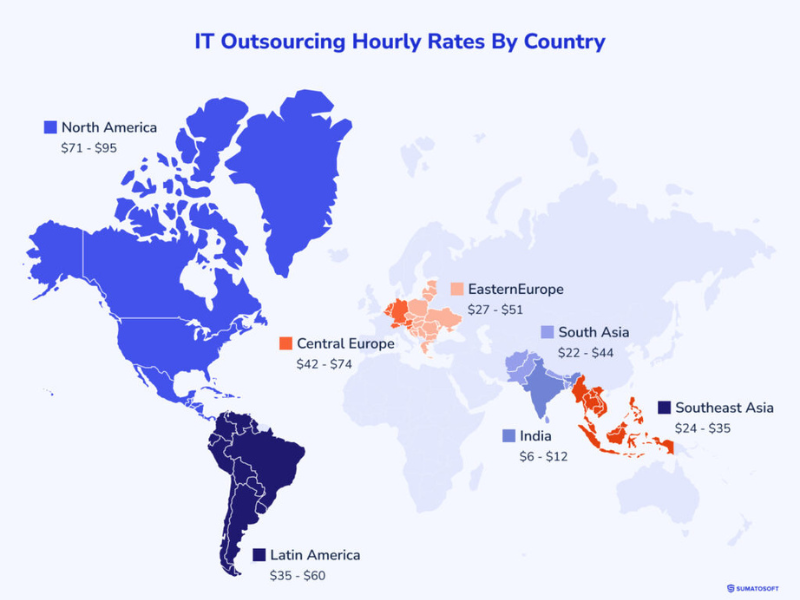
Американские компании, расширяющие службу поддержки клиентов, сталкиваются с жестким компромиссом: локальные команды обеспечивают контроль, но стоят $25-40/час на одного агента. Офшорные варианты в Азии позволяют сократить расходы до $6-12/час, но создают разницу в часовых поясах и культурные трения.
Мексика занимает промежуточное положение, предлагая удобство работы в ближней зоне по цене $12-22/час с двуязычными агентами, перекрывающимися часовыми поясами и культурным соответствием. Но “ближняя зона” не означает отсутствие риска.
В этом руководстве рассказывается о том, что работает, что стоит дороже, чем вы ожидаете, о рисках, которые поставщики не афишируют, и о том, как выбрать партнера по созданию колл-центра в Мексике, который действительно будет работать.
Основные выводы об аутсорсинге колл-центров в Мексике
-
Выравнивание часовых поясов: Мексика работает по центральному и горному времени, совпадающему с рабочим временем в США. Это означает, что обратная связь и мониторинг звонков осуществляются в течение одного дня, что практически невозможно при работе азиатских оффшорных команд в ночные смены.
Двуязычная рабочая сила: Многие агенты свободно владеют английским и испанским языками и хорошо знакомы с рынками США. Это повышает эффективность решения проблемы первого звонка и снижает количество недоразумений по сравнению с оффшорными компаниями.
Экономия средств за счет контекста: Мексика обходится на 30-50% дешевле, чем США ($12-22/час против $25-40/час), но общие затраты включают в себя плату за платформу, накладные расходы на управление и минимальные суммы контрактов, которые часто не раскрываются наперед.
Масштабируемость с ограничениями: Мексиканские колл-центры могут увеличивать или уменьшать численность команды, но контракты обычно требуют предварительного уведомления за 15-30 дней о внесении изменений и устанавливают минимальное количество мест (часто 10-50 агентов).
Соблюдение правил - ваша обязанность: Даже если поставщики заявляют о соответствии требованиям HIPAA, GDPR или PCI-DSS, вы остаетесь юридически ответственным лицом в случае утечки данных. Правильная проверка и регулярные аудиты не являются обязательными.
Подходит не для каждой компании: Мексиканский аутсорсинг лучше всего подходит для стабильных операций с предсказуемым объемом. Он не подходит для быстрого развертывания, сезонных операций или отраслей, требующих прямого контроля над инфраструктурой (криптовалюты, финтех, iGaming).
- Двуязычные англо-испанские агенты Улучшение качества обслуживания клиентов на рынках США и Латинской Америки без дополнительных сложностей.
- Расходы на 30-50% ниже, чем в США при сохранении высокого качества обслуживания.
- Масштабируемость встроена, Это позволяет командам наращивать или снижать темпы работы в зависимости от сезона, запуска или кампании.
- Безопасность данных и соблюдение нормативных требований - это управляемый процесс но требуют надлежащей проверки и аудита поставщиков.
- Мексика подходит не для всех компаний, Особенно те, кто ищет ультрадешевые оффшорные модели.
Что такое аутсорсинг колл-центров в Мексике?

Аутсорсинг колл-центра в Мексике означает привлечение стороннего поставщика услуг BPO (Business Process Outsourcing) в Мексике для выполнения операций, связанных с клиентами, - телефонной поддержки, электронной почты, чата, а также выполнения задач бэк-офиса.
Вместо того чтобы создавать собственную команду, вы заключаете контракт с поставщиком из Мексики, который:
- Набирает и обучает агентов от вашего имени
- Обеспечивает технологию центра обработки вызовов (дозвонщики, CRM, системы записи)
- Руководит повседневной деятельностью (составление графиков, контроль качества, управление производительностью).
- Занимается вопросами управления персоналом и начисления заработной платы для аутсорсинговой команды
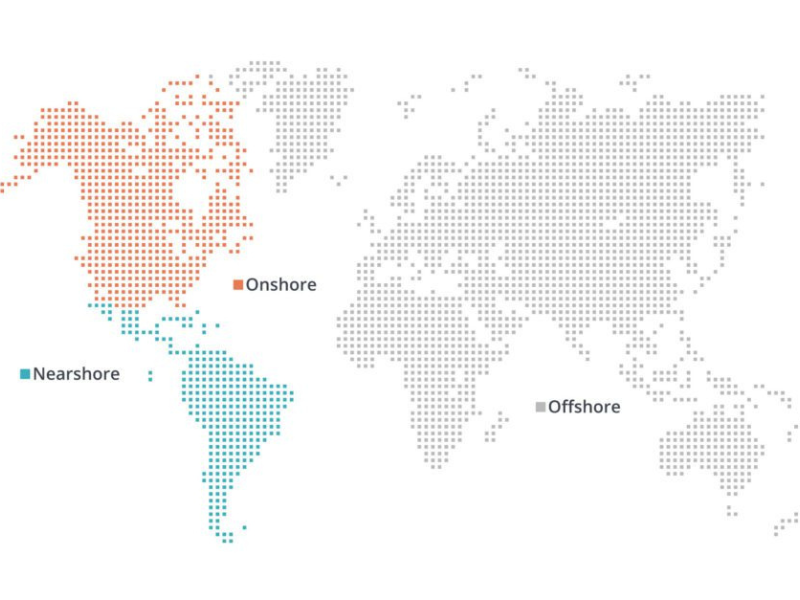
Мексика классифицируется как аутсорсинг в ближнем зарубежье-аутсорсинг в соседнюю страну в схожем часовом поясе. Это контрастирует с:
На берегу (в США): Вы нанимаете агентов непосредственно в США. Максимальный контроль и культурное соответствие, но самые высокие затраты ($25-40/час на агента).
Ближний берег (Мексика): Вы сотрудничаете с поставщиком из Мексики. Сбалансированная стоимость ($12-22/час) и разумный контроль, а также разделение обязанностей по управлению.
Оффшор (Азия, как правило, Филиппины или Индия): Вы сотрудничаете с удаленным поставщиком. Самая низкая стоимость ($6-12/час), но значительная разница в часовых поясах (10-14 часов), культурные различия и более жесткий контроль.
Почему компании выбирают именно Мексику:
Мексика стала доминирующим направлением ближнего зарубежья для американских компаний благодаря:
- География: 2-4-часовые перелеты из крупных городов США против 14+ часов в Азию
- Часовые пояса: Совпадающие рабочие часы позволяют сотрудничать в режиме реального времени
- Язык: Большой штат двуязычных сотрудников, свободно владеющих английским и испанским языками
- Культурная близость: Знакомство с американскими брендами, практикой ведения бизнеса и ожиданиями клиентов
- Инфраструктура: Зрелая отрасль БПО с устоявшимися поставщиками и предприятиями
Мексика играет центральную роль в североамериканской экосистеме BPO, но это один из вариантов среди нескольких. Правильный выбор зависит от ваших приоритетов: стоимость, контроль, скорость или соответствие требованиям.
Мексика считается аутсорсинг в ближнем зарубежье (аутсорсинг в соседней стране в схожем часовом поясе), в отличие от офшоров, например, в Азии.
Высокоуровневое сравнение:
- На суше (США): Самая высокая стоимость, самый простой контроль.
- Ближний берег (Мексика): Сбалансированные затраты, строгий контроль, культурное соответствие.
- Оффшор (Азия): Низкая стоимость, сложный контроль, разрыв в часовых поясах.
Мексика играет центральную роль в североамериканской экосистеме BPO благодаря близкому расположению, знанию языков и развитой индустрии услуг.
Почему американские компании передают колл-центры на аутсорсинг в Мексику
Преимущество ближней зоны и выравнивание часовых поясов
Совпадение часовых поясов - самое значительное преимущество Мексики в операционном плане по сравнению с оффшорными зонами. Мексика работает преимущественно по центральному (CST) и горному (MST) времени, совпадающему или полностью совпадающему с рабочим временем в США.
Коучинг и обратная связь в режиме реального времени:
- Ваши менеджеры в США могут прослушивать звонки в прямом эфире во время работы агентов в Мексике
- Если агент не справляется с взаимодействием с клиентом в 10 утра по местному времени, супервайзеры могут провести корректирующую инструктаж к 11 утра - в ту же смену.
- В азиатских командах этот цикл обратной связи занимает 24-48 часов, поскольку агенты работают ночью по сравнению с часовыми поясами США.
Решение проблем в тот же день:
- Проблемы клиентов, возникающие в рабочее время, могут быть немедленно решены в режиме онлайн одновременно командами из США и Мексики.
- Пример: Клиент угрожает отменить заказ из-за ошибки в выставлении счета в 14:00 по восточному времени. Ваша команда из Мексики может связаться с биллинговым отделом в США и решить проблему в тот же день, а не ждать в течение ночи, пока офшорная команда передаст ее дальше.
Живой мониторинг QA и ускоренная эскалация:
- Менеджеры по контролю качества могут отслеживать звонки в режиме реального времени и корректировать сценарии, маршрутизацию или обучение на лету.
- Если дефект продукта вызывает всплеск обращений в службу поддержки, вы можете обновить сообщения и сценарии агентов в течение нескольких часов, а не после 12-часовой задержки.
Более легкая коммуникация между менеджером и агентом:
- Видеозвонки, тренинги и командные встречи проходят в обычное рабочее время для обеих сторон
- Никому не нужно присоединяться к звонкам в 6 утра или 10 вечера, чтобы учесть разницу в часовых поясах.
На практике руководители CX могут просматривать звонки утром и корректировать сценарии в тот же день. Это практически невозможно, когда азиатские офшорные команды работают по ночам.
| Фактор | Мексика | Азия Оффшор |
|---|---|---|
| Наложение часовых поясов | Высокий | Низкий |
| Сотрудничество в режиме реального времени | Легко | Ограниченный |
| Управленческие накладные расходы | Нижний | Выше |
Двуязычные и культурно ориентированные кадры
Двуязычный персонал Мексики обеспечивает не только перевод с одного языка на другой - агенты обладают культурной свободой, что повышает качество разговора и снижает операционные трудности.
Почему культурное соответствие имеет большее значение, чем просто владение языком:
1. Понимание стилей общения в США:
Мексиканские агенты, знакомые с культурой США, безошибочно интерпретируют непрямую коммуникацию:
- Когда клиент говорит “Я подумаю об этом”.” Агенты распознают это как вежливый отказ, а не искренний интерес
- Когда кто-то отвечает “Это интересно”.” Агенты понимают, что в американской деловой культуре это часто означает “нет”.
- Офшорные агенты (особенно в Азии) часто воспринимают эти фразы буквально, что приводит к неправильным последующим действиям и напрасным усилиям.
2. Ориентирование в деловой практике США:
Агентам не требуется длительное обучение основным нормам США:
- Правила возврата и сроки возврата (понимание “возвратов в черную пятницу” или “продления праздничных возвратов”)
- Способы оплаты (Venmo, Cash App, сервисы "Купи сейчас, заплати потом")
- Ожидания от доставки (2-дневная доставка Prime, различия между USPS и UPS)
- Праздники в США и их влияние на обслуживание (выходные в День памяти, День благодарения)
Пример: Клиент спрашивает, “Могу ли я вернуть его после праздников?” Культурный агент в Мексике сразу же поймет, что речь, скорее всего, идет о расширенном окне возврата в середине января, которое предлагают многие американские ритейлеры для праздничных покупок - никаких уточнений не требуется.
3. Естественное переключение кодов для двуязычных клиентов:
Многие американские клиенты - особенно в таких штатах, как Калифорния, Техас и Флорида, - смешивают английский и испанский языки в процессе разговора. Мексиканские агенты справляются с этим без проблем:
- Клиент: “Мне нужна помощь с моей куэнтой, платеж не прошел”.”
- Агент: “Нет проблем, давайте я подниму ваш счет. ¿La tarjeta que usaste es la que termina en 1234?”
Такая гибкость естественного языка позволяет исключить переадресацию и повысить эффективность решения первого звонка. Офшорные агенты не могут повторить эту возможность.
Влияние культурного соответствия на бизнес:
Более высокий уровень разрешения первого звонка (FCR):
- Агенты в Мексике: Средний FCR по отрасли 70-75%
- Оффшорные агенты: Средний FCR по отрасли 55-65%
- Причина: Меньше недоразумений - меньше эскалаций и повторных звонков
Сокращение времени обучения:
- Ввод в эксплуатацию в Мексике: 2-3 недели для большинства продуктов/услуг
- Ввод в должность в оффшорной зоне: 4-6 недель (требуется обширная подготовка по культурному контексту США)
Повышение удовлетворенности клиентов (CSAT):
- Клиенты оценивают взаимодействие с культурно ориентированными агентами на 10-15% выше в опросах об удовлетворенности
- Тон, сочувствие и понимание выглядят более естественно, а не по сценарию
Распространенные примеры использования двуязычных агентов для повышения эффективности:
Розничная торговля и электронная коммерция:
- Обслуживание англоязычных и испаноязычных клиентов из США в одной команде
- Пример: Модный бренд с испаноязычной клиентской базой 35% консолидирует операции поддержки вместо того, чтобы иметь отдельные англо-испанские команды
Финансовые услуги:
- Двуязычная поддержка денежных переводов, денежных переводов и трансграничных платежей
- Пример: Компании, занимающейся денежными переводами, обслуживающей коридоры США → Мексика/Латама, нужны агенты, которые понимают оба рынка и могут объяснить комиссии/сроки на любом языке
SaaS и технологии:
- Поддержка клиентов из США на английском языке и расширение деятельности на рынках Латинской Америки с помощью той же команды.
- Пример: Компания по разработке программного обеспечения для управления проектами использует команду из Мексики для обслуживания Северной Америки (английский язык) и Латинской Америки (испанский язык) без дублирования инфраструктуры
Здравоохранение:
- Поддержка пациентов, говорящих на двух языках (запись на прием, вопросы страхования, последующее наблюдение)
- Пример: Платформа телемедицины обслуживает разнообразное население США - мексиканские агенты обрабатывают запросы как на английском, так и на испанском языках, учитывая культурные особенности пациентов.
Что на самом деле означает термин “двуязычный” на практике:
Не все агенты колл-центра в Мексике одинаково хорошо владеют языком. Качество работы варьируется в зависимости от:
- Регион: В северных приграничных городах (Тихуана, Монтеррей) уровень владения английским языком выше из-за близости к США
- Опыт работы агентом: Для работы с клиентами требуется более сильный английский, чем для работы в бэк-офисе
- Качество продавца: Премиальные поставщики вкладывают больше средств в оценку уровня владения языком и постоянное обучение
Акцентные соображения:
- Мексиканский английский акцент, как правило, нейтрален и понятен американским клиентам
- Существуют некоторые региональные различия (Северная Мексика против Центральной Мексики)
- Обучение снижению акцента - обычное дело для ведущих поставщиков услуг BPO
Лучшие практики оценки языковых знаний:
- Запрашивайте пробные звонки у агентов перед подписанием контрактов
- Укажите требуемые уровни владения языком (например, CEFR B2 или C1 для английского)
- Включите в соглашения об уровне обслуживания постоянный контроль качества владения языком
Итог:
Двуязычная рабочая сила в Мексике - это не только знание двух языков, но и понимание двух культур. Это снижает операционные трудности, повышает удовлетворенность клиентов и позволяет компаниям обслуживать более широкие рынки без разделения команд и инфраструктуры.
Однако качество владения языком у разных поставщиков существенно различается. Всегда проверяйте уровень владения языком агентами на примерах общения и не полагайтесь только на заявления поставщиков о “двуязычных командах 100%".
Общие случаи использования:
- Розничные бренды, поддерживающие американских и испаноязычных покупателей.
- SaaS-компании, работающие в Северной Америке и Латинской Америке.
- Финансовые услуги, работа с двуязычными запросами.
Ключевые преимущества:
- Меньше недоразумений во время звонков.
- Более высокое разрешение первого звонка.
- Более естественные разговоры с клиентами.
Экономически эффективная работа центра обработки вызовов
Мексика обеспечивает значительную экономию, не вынуждая вас переходить на низкокачественную модель. Типичная экономия составляет от 30% до 50% по сравнению с командами, работающими в США.
Эффективность затрат достигается за счет:
- Снижение затрат на оплату труда.
- Сокращение расходов на содержание помещений и накладных расходов.
- Общая инфраструктура и управление.
Ориентировочные факторы затрат:
- Почасовая оплата агента.
- Уровень подготовки и специализации.
- Выделенные и общие команды.
- Технология и требования к отчетности.
Экономически эффективный - не значит дешевый. Лучшие провайдеры реинвестируют сэкономленные средства в обучение, контроль качества и удержание персонала.
Основные преимущества аутсорсинга центров обработки вызовов в Мексике

Улучшение качества обслуживания клиентов на рынках США и испаноязычных стран
Двуязычная поддержка напрямую влияет на такие показатели CX, как CSAT (оценка удовлетворенности клиентов) и FCR (разрешение первого звонка).
Клиенты получают:
- Более быстрое разрешение.
- Меньше трансферов.
- Понятное общение на предпочитаемом языке.
Для компаний, обслуживающих трансграничные или испаноязычные рынки, Мексика снижает трение, не разделяя команды по регионам.
Операционная масштабируемость и гибкость
Мексиканские колл-центры созданы для масштабирования. Вы можете регулировать численность персонала без длительных циклов найма.
Распространенные сценарии:
- Сезонные всплески розничной торговли.
- Запуск продуктов или маркетинговых кампаний.
- Поддержка переполнения в периоды высокой загруженности.
Поставщики обычно предлагают специальные команды, обеспечивающие постоянство, или общие команды, обеспечивающие экономическую эффективность.
Более легкий надзор по сравнению с оффшорными зонами
Мексика упрощает управление.
Преимущества включают:
- Короткое время в пути для посещения объектов.
- Более быстрая реакция на эскалации.
- Четкая коммуникация с менеджерами и агентами.
Качественные петли закрываются быстрее, а проблемы с производительностью легче устранить до того, как они повлияют на клиентов.
Проблемы и риски, которые следует учитывать при аутсорсинге в Мексике

Требования к безопасности данных и соответствию нормативным требованиям
Защита данных поддается управлению, но не подлежит обсуждению. Многие провайдеры поддерживают требования HIPAA и GDPR при условии проведения надлежащего аудита.
Контрольный список проверки поставщика:
- Документированные политики безопасности.
- Контроль доступа и разрешения на основе ролей.
- Работа с зашифрованными данными.
- Регулярные аудиты безопасности.
Распространенной ошибкой является предположение о соответствии требованиям без изучения доказательств. Всегда запрашивайте документацию.
Акцент, общение и недостатки в обучении
Нейтральность акцента зависит от поставщика и региона.
Меры по смягчению последствий:
- Требуйте оценки акцента и языка.
- Изучите учебные материалы.
- Прежде чем приступить к масштабированию, проведите пилотный проект с небольшой командой.
Контроль качества и управление производительностью
Сильные провайдеры работают с четкими SLA и KPI.
| KPI | Почему это важно |
|---|---|
| CSAT | Измеряет удовлетворенность клиентов |
| AHT (среднее время обработки) | Указывает на эффективность |
| Оценка качества | Обеспечивает соблюдение норм и правил |
| FCR | Сокращение повторных контактов |
Наилучшие результаты достигаются благодаря общим информационным панелям и еженедельным обзорам.
Различия в региональной инфраструктуре
Не все города одинаково надежны. Стабильность интернета, резервирование электропитания и кадровый резерв зависят от региона. Выбор места имеет большее значение, чем ожидают многие покупатели.
Типы услуг центра обработки вызовов, которые обычно передаются на аутсорсинг в Мексику
Обслуживание клиентов и техническая поддержка
Большинство провайдеров оказывают входящую поддержку по телефону, чату и электронной почте.
Типичная сфера применения:
- Устранение неисправностей уровня 1.
- Поддержка счетов и биллинга.
- Работа с внутренними командами в режиме эскалации.
Внутренние продажи и квалификация лидеров
Мексика все чаще используется для выездных ролей.
Общие мероприятия:
- Квалификация свинца.
- Назначение.
- Обновление CRM и поддержка трубопроводов.
Агенты интегрируются с такими инструментами, как Salesforce и HubSpot.
Электронная коммерция и поддержка заказов
Часто передаваемые на аутсорсинг задачи включают:
- Отслеживание заказа.
- Возврат и возмещение.
- Решение проблем с доставкой.
Поддержка бэк-офиса и клиентского опыта
Неголосовые задачи, такие как ввод данных, ведение дел и CX-отчетность, часто объединяются с поддержкой на линии.
Близкорасположенные центры обработки вызовов в Мексике в сравнении с офшорными центрами обработки вызовов

Мексика против Филиппин или азиатских центров обработки вызовов
| Фактор | Мексика | Азия |
|---|---|---|
| Часовой пояс | США | Разрыв 10-14 часов |
| Культурное соответствие | Высокий | Умеренный |
| Стоимость | Средний уровень | Самый низкий |
| Надзор | Проще | Harder |
Когда оффшор может оказаться более подходящим вариантом
Оффшорные модели могут работать, если:
- Стоимость - единственный приоритет.
- Поддержка осуществляется по полному сценарию.
- Сотрудничество в режиме реального времени не требуется.
Сколько стоит аутсорсинг колл-центра в Мексике?
Стоимость зависит от объема и сложности работ.
Типичные модели ценообразования:
- Ежемесячная ставка за одного агента.
- Почасовая оплата.
- Смешанные модели для совместных команд.
| Тип услуги | Ориентировочный диапазон |
|---|---|
| Поддержка клиентов | $12-$18/час |
| Техническая поддержка | $15-$22/час |
| Внутренние продажи | $16-$25/час |
Как правильно выбрать поставщика услуг колл-центра в Мексике

Определите свой бизнес и потребности в поддержке
Начните с ясности:
- Необходимые каналы.
- Необходимые языки.
- Объем и часы покрытия.
- Показатели успеха.
Оцените опыт, соответствие отрасли и услуги
Ищите:
- Соответствующий опыт работы в отрасли.
- Проверенный процесс введения в должность.
- Ссылки с аналогичными случаями использования.
Проверка безопасности, соответствия нормативным требованиям и технологического стека
Подтверждаю:
- Совместимость с CRM и системой продажи билетов.
- Сертификация в области безопасности.
- Прозрачность отчетности.
Задавайте правильные вопросы перед подписанием контракта
Контрольный список для оценки:
- Как вы справляетесь с оттоком агентов?
- Как выглядит процесс адаптации?
- Как обеспечивается соблюдение SLA?
- Мы можем начать с пилота?
Кому подходит аутсорсинг колл-центров в Мексике и кому не подходит
Идеальные случаи использования аутсорсинга колл-центров в Мексике
- Американские компании, нуждающиеся в двуязычной поддержке.
- Бренды, ставящие во главу угла CX и качество.
- Команды, которым требуется совместная работа в режиме реального времени.
Ситуации, в которых Мексика может оказаться не лучшим вариантом
- Компании гонятся за абсолютной дешевизной.
- Высокоспециализированная поддержка при ограниченном количестве талантливых специалистов.
- Модели 24/7 "следуй за солнцем" без региональных партнеров.
Основные центры обработки вызовов в Мексике

Мехико
Самый большой кадровый резерв и развитая инфраструктура.
Монтеррей
Сильная деловая среда и талантливые технологические специалисты.
Тихуана и северные пограничные города
Отличная культурная совместимость с рынками Западного побережья США.
Часто задаваемые вопросы - Аутсорсинг колл-центров в Мексике

Безопасен ли аутсорсинг колл-центров в Мексике?
Да, если поставщики следуют документированным стандартам безопасности и соответствия.
Сколько американские компании могут сэкономить за счет аутсорсинга в Мексике?
Большинство из них экономят от 30% до 50% по сравнению с командами из США.
Свободно ли владеют английским языком агенты мексиканских центров обработки вызовов?
Многие из них говорят на двух языках, но уровень владения ими зависит от поставщика и региона.
Сколько времени обычно занимает онбординг?
Большинство проектов запускается в течение 4-8 недель, в зависимости от сложности.
Заключение

Аутсорсинг колл-центров в Мексике предлагает редкий баланс между эффективностью затрат и качеством обслуживания клиентов. Для американских компаний он сочетает в себе удобство ближнего расположения, наличие двуязычных специалистов и масштабируемость операций без тяжелых компромиссов, характерных для офшорных моделей.
Успех зависит от выбора правильного партнера. Четко определите свои потребности, проверьте процессы безопасности и качества и начните с пилотного проекта, прежде чем масштабировать его. Если все сделано правильно, Мексика становится продолжением вашей команды, а не просто тактикой экономии.
Если вы оцениваете поставщиков, начните с определения целей поддержки, отбора поставщиков с проверенным опытом и тестирования с контролируемым внедрением. Именно здесь начинается настоящая ценность.
Вопросы и ответы - Аутсорсинг колл-центров в Мексике

Что такое аутсорсинг колл-центров в Мексике?
Аутсорсинг колл-центров в Мексике предполагает сотрудничество с поставщиками услуг в Мексике для обеспечения поддержки клиентов, технической помощи, продаж или бэк-офисных операций. Этот вариант ближнего расположения предлагает такие преимущества, как двуязычные агенты, экономия средств и знакомство с рынком США.
Почему американские компании предпочитают передавать центры обработки вызовов на аутсорсинг в Мексику?
Американские компании передают колл-центры в Мексику благодаря близости, экономичности решений, двуязычной рабочей силе и согласованности часовых поясов. Эти факторы позволяют общаться в режиме реального времени, сократить расходы на поездки и обеспечить бесперебойную работу, повышая удовлетворенность клиентов.
Сколько стоит аутсорсинг колл-центра в Мексике?
Аутсорсинг в Мексике обычно обходится на 30-50% дешевле, чем в центрах обработки вызовов в США. Стоимость варьируется в зависимости от услуг, квалификации агентов и масштаба деятельности, а типичные расценки составляют $10-$20 за агента в час, в зависимости от требований.
Надежны ли колл-центры в Мексике с точки зрения безопасности данных?
Да, многие колл-центры в Мексике соответствуют мировым стандартам, таким как GDPR и HIPAA. Провайдеры часто применяют передовые меры кибербезопасности, но компаниям следует проверить соответствие и протоколы, прежде чем выбирать партнера.
Какие услуги можно передать на аутсорсинг мексиканским колл-центрам?
Обычно на аутсорсинг передаются такие услуги, как обслуживание клиентов, техническая поддержка, внутренние продажи, квалификация лидов, поддержка электронной коммерции и бэк-офисные операции. Эти услуги помогают оптимизировать работу и повысить качество обслуживания клиентов.
Каковы основные преимущества аутсорсинга колл-центров в Мексике?
Преимущества включают в себя экономию средств, наличие двуязычной рабочей силы с учетом культурных особенностей, минимальную разницу в часовых поясах и доступность для посещения объектов. Эти факторы повышают эффективность и удовлетворенность клиентов по сравнению с оффшорными вариантами.
Как выбрать подходящего поставщика услуг центра обработки вызовов в Мексике?
Оцените потенциальных поставщиков, исходя из опыта работы в отрасли, протоколов безопасности, двуязычных возможностей, масштабируемости и соответствия потребностям вашего бизнеса. Перед заключением контрактов посетите объекты и изучите соглашения об уровне обслуживания (SLA).
Каковы проблемы аутсорсинга колл-центров в Мексике?
К числу трудностей относятся управление региональными инфраструктурными различиями, обеспечение безопасности данных и устранение незначительных пробелов в общении из-за региональных акцентов. Однако эти проблемы можно свести к минимуму с помощью надлежащего обучения и контроля качества.
Какие города являются основными центрами для колл-центров в Мексике?
К основным центрам обработки вызовов относятся Мехико, Монтеррей и Тихуана. Эти города предлагают квалифицированных двуязычных агентов, развитую инфраструктуру и близкое расположение к США, что делает их идеальным местом для аутсорсинга.
Лучше ли аутсорсинг в Мексике, чем офшорные колл-центры в Азии?
Мексика предлагает такие преимущества, как соответствие культур, совместимость часовых поясов и более легкий контроль, в то время как Азия обеспечивает более низкую стоимость рабочей силы для крупномасштабных операций. Лучший выбор зависит от ваших приоритетов в отношении стоимости, качества и близости.
Читать далее:
- Большие данные Колл-центры Аналитика: Превращайте данные о клиентах в действия
- Обслуживание клиентов в сфере электронной коммерции: Руководство, инструменты и 4-недельный план действий
- Что такое CCaaS? Простое руководство по контактному центру как услуге


 English
  Russian
  Chinese