

Ваш колл-центр ежедневно генерирует тысячи взаимодействий с клиентами - звонки, чаты, электронные письма, сообщения в социальных сетях. Каждый из них содержит подсказки о том, что работает, а что - нет. Но к тому времени, когда большинство команд просматривают отчеты о качестве работы за прошлую неделю или ежемесячные панели показателей, ущерб уже нанесен. Разочарованные клиенты уже ушли. Нарушения нормативных требований уже произошли. Выгорание агентов уже наступило.
Аналитика колл-центров на основе больших данных меняет эти временные рамки. Вместо того чтобы узнавать о проблемах спустя недели из ручных отчетов, современные аналитические платформы анализируют 100% взаимодействий в режиме реального времени. Речевой искусственный интеллект преобразует каждый звонок в транскрипты с возможностью поиска. Система определения настроения выявляет разочарованных клиентов во время разговора, а не после того, как они оставили негативный отзыв. Алгоритмы прогнозирования предсказывают всплески объема звонков до того, как очереди переполнятся.
Это не постепенное улучшение - это фундаментальный переход от реактивного к проактивному управлению центром обработки вызовов. А для крупномасштабных операций, ежедневно обрабатывающих тысячи звонков, такой переход напрямую влияет на доходы, риск нарушения нормативных требований и удержание клиентов.
Основные выводы Большие данные Колл-центры Аналитика
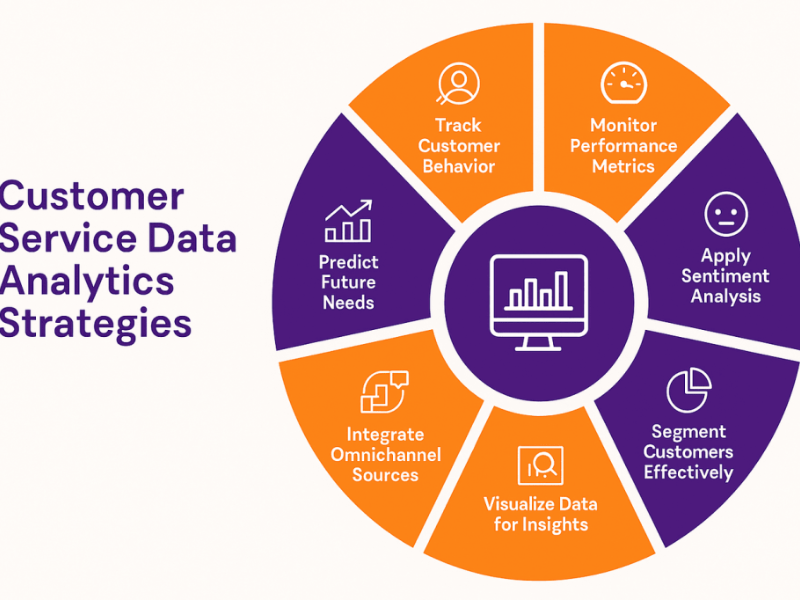
- Аналитика колл-центров на основе больших данных превращает повседневное взаимодействие с клиентами в действенную информацию в масштабе.
- Аналитика речи и настроений позволяет узнать, что чувствуют клиенты, а не только то, что они говорят.
- Предиктивная аналитика помогает прогнозировать объем вызовов и количество персонала до возникновения проблем.
- Унифицированные данные по всем каналам создают полное, согласованное представление о клиенте.
- Приборные панели в реальном времени заменяют медленные и неточные отчеты, составляемые вручную.
- Коучинг, основанный на данных, повышает эффективность работы агентов и их удовлетворенность работой.
Почему колл-центры генерируют огромные объемы данных
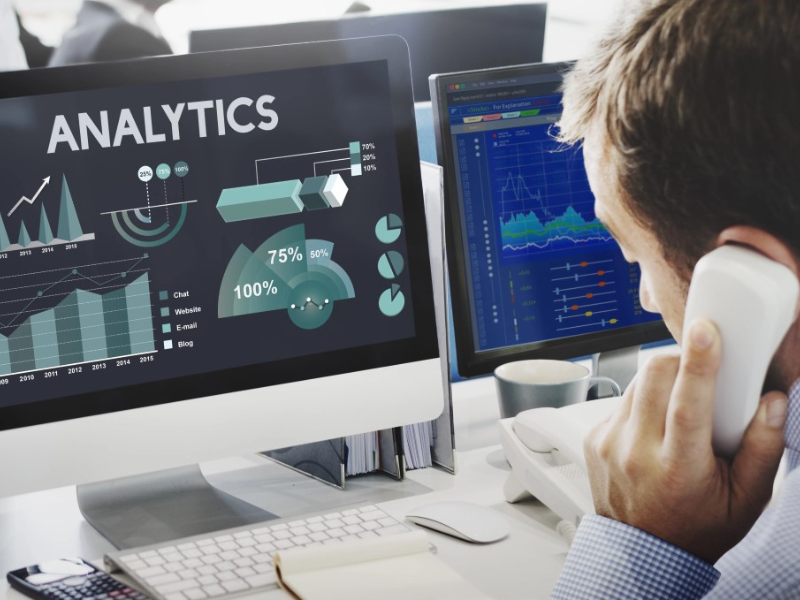
- Клиенты обращаются к компаниям через звонки, чат, электронную почту, социальные сети и приложения, создавая постоянный омниканальный поток данных.
- Центры обработки вызовов производят как структурированные данные (номера, временные метки, категории), так и неструктурированные (голосовые записи, сообщения в свободной форме).
- Ручные отчеты и электронные таблицы не могут обрабатывать такой объем и скорость информации.
- Каждое взаимодействие записывается, хранится и доступно для анализа, независимо от того, используют его команды или нет.
Что такое аналитика колл-центра на основе больших данных?
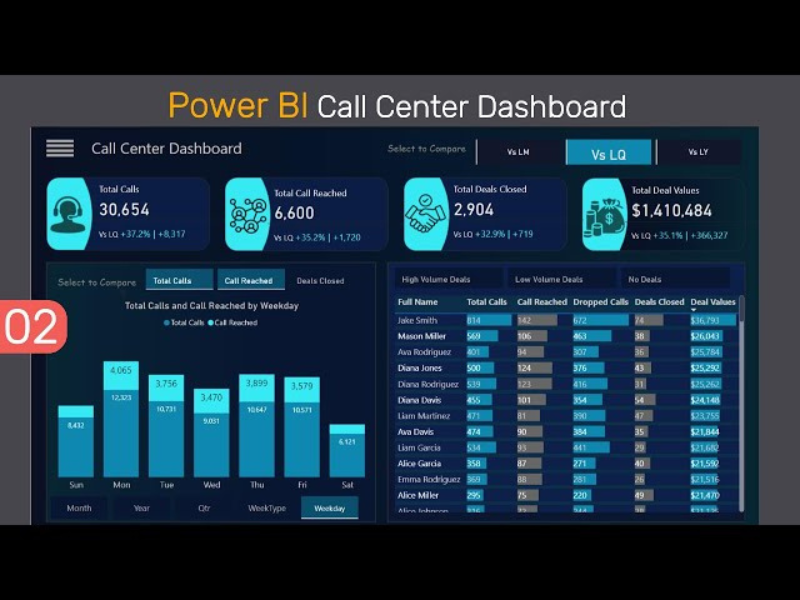
Аналитика колл-центров на основе больших данных - это процесс сбора, обработки и анализа больших объемов данных о колл-центрах для выявления закономерностей, тенденций и понимания сути принимаемых решений.
Он выходит за рамки базовых отчетов. Вместо вопроса “Что произошло на прошлой неделе?” он отвечает на вопросы “Что происходит сейчас?” и “Что будет дальше?”.”
To better understand how these technologies come together in real-world applications, explore this comprehensive guide to аналитика колл-центров, which breaks down core tools, metrics, and strategies used to optimize modern contact center performance.
Как это работает, шаг за шагом
- Сбор данных
Данные собираются из звонков, систем IVR, чатов, CRM-платформ и кадровых систем. - Обработка данных
Необработанные данные очищаются и упорядочиваются. Голосовые вызовы преобразуются с помощью программы преобразования речи в текст (программное обеспечение, которое превращает произнесенные слова в текст). - Анализ
Аналитические системы изучают шаблоны, настроения, ключевые слова, время и поведение в тысячах или миллионах взаимодействий. - Понимание и действие
Информационные панели, оповещения и рекомендации помогают руководителям и агентам в режиме реального времени.
Традиционная отчетность против аналитики больших данных
| Традиционная отчетность | Аналитика колл-центров на основе больших данных |
|---|---|
| Исторические и статические | В режиме реального времени и с прогнозом |
| Небольшие выборки данных | Все анализируемые взаимодействия |
| Обзор руководства | Автоматизированное понимание |
| Отстающие показатели | Проактивное принятие решений |
Роль искусственного интеллекта и расширенной аналитики
- Обработка естественного языка (NLP) помогает системам понимать устную и письменную речь.
- Машинное обучение выявляет закономерности и со временем повышает точность.
Пример: Если недовольство по поводу выставления счетов возрастает в сотнях звонков за один час, система отметит это сразу, а не спустя несколько недель.
Типы данных, анализируемых в современных центрах обработки вызовов

Записи разговоров и речевые данные
Каждый колл-центр записывает разговоры - для обеспечения качества, обучения, соблюдения правовых норм. Но традиционные системы записи - это пассивное хранилище: сотни или тысячи аудиофайлов, хранящихся на серверах, которые просматриваются только тогда, когда кто-то вручную достает и прослушивает их.
Аналитика речи активирует эти записи. ИИ автоматически транскрибирует голос в текст, а затем применяет многоуровневый анализ:
1. Анализ настроения: Чтение между словами
Система не просто фиксирует что клиенты говорят - он оценивает как говорят они:
- Тон голоса: Спокоен или взволнован клиент? Возрастает ли разочарование в середине разговора?
- Темп речи: Быстрая речь часто указывает на стресс; длинные паузы могут свидетельствовать о замешательстве
- Высота и громкость голоса: Повышенный голос или напряженный тон свидетельствуют об эмоциональном расстройстве
Почему это важно: Клиент может вежливо сказать “Я понимаю”, но если его тон будет резким и недовольным, анализ настроения отметит это взаимодействие для проверки руководителем. Это позволяет выявить недовольство, которое осталось бы незамеченным при ручном анализе, ориентированном только на содержание транскрипта.
2. Обнаружение ключевых слов и фраз: Поиск иголок в стогах сена
В тысячах звонков, поступающих ежедневно, определенные фразы сигнализируют о критических проблемах:
- Связанные с соблюдением норм: “Я не соглашался на это”, “отказаться”, “несанкционированная оплата”.”
- Триггеры эскалации: “отменить мой счет”, “поговорить с менеджером”, “сообщить о вас в...”.”
- Проблемы с продуктами/услугами: “приложение упало”, “неверная сумма счета”, “все еще не работает”.”
Речевая аналитика автоматически сканирует 100% транскриптов на наличие этих ключевых слов, а затем агрегирует тенденции. Если сегодня в 50 звонках упоминается “приложение упало” по сравнению с 5 звонками вчера, система немедленно оповещает команды ИТ-отдела и службы поддержки клиентов, а не на следующей неделе во время QA-выборочной проверки.
3. Мониторинг соответствия: Автоматизированные журналы аудита
Регулируемые отрасли (финансы, здравоохранение, страхование, телекоммуникации) требуют от агентов предоставления специальной информации во время звонков: уведомления о согласии, заявления о конфиденциальности данных, подтверждения условий и положений.
Традиционный мониторинг соответствия: Команда контроля качества вручную проверяет небольшую выборку, надеясь, что в ней будут обнаружены нарушения.
Автоматизированный контроль соответствия: Системные проверки каждый стенограмму звонка на предмет обязательных фраз. Если агент пропустит обязательное раскрытие информации, звонок будет помечен для проверки в течение нескольких минут.
Пример из реального мира: Исправление сценария выставления счетов до того, как он разрушит доверие клиентов
Центр обработки вызовов телекоммуникационной компании ежедневно обрабатывает 8 000 звонков. После запуска нового тарифного плана речевая аналитика обнаруживает закономерность:
- День 1: 15 звонков содержат ключевые слова “запутался в тарифах” или “выставление счетов неясно”.”
- День 2: 45 звонков (увеличение 300%)
- Анализ настроения: 80% этих звонков демонстрируют всплески негативного настроения, когда агенты объясняют новый план
Система оповещает супервайзеров на второй день. Группа контроля качества проверяет отмеченные стенограммы и обнаруживает, что агенты неправильно объясняют концепцию “льготного кредита”. Сценарий уточняется и распространяется в тот же день.
Воздействие: Проблема выявляется после 60 обращений, а не остается незамеченной в течение целой недели (потенциально 300-500+ растерянных клиентов). На следующей неделе объем обращений в службу поддержки по вопросам выставления счетов падает на 40%.
Данные о взаимодействии с клиентами по всем каналам
Клиенты редко используют только один канал. Они могут позвонить, потом пообщаться в чате, потом написать по электронной почте.
Кросс-канальная аналитика объединяет эти взаимодействия в единую временную шкалу.
Преимущества включают:
- Выявление повторных контактов по телефону и в чате.
- Понимание того, где покупатели останавливаются или застревают.
- Обеспечение постоянного обслуживания независимо от канала.
Пример: Клиент обращается в службу поддержки через чат после предыдущего звонка. Агент видит всю историю и продолжает разговор без повторений.
Показатели эффективности и операционной деятельности агентов
Аналитика объективно отслеживает эффективность работы агентов и команд.
Общие показатели включают:
- Среднее время обработки (продолжительность разговора).
- Решение проблем по первому звонку (вопросы решаются без дополнительных действий).
- Оценки качества и соответствия.
Информационные панели в реальном времени позволяют руководителям проводить инструктаж на основе данных, а не мнений.
Ключевые примеры использования аналитики больших данных в колл-центрах
Аналитика речи и настроения для улучшения качества разговоров
- Выявляйте расстроенных клиентов во время звонков в режиме реального времени.
- Определите основные факторы, вызывающие жалобы, по тысячам разговоров.
- Улучшение сценариев и обеспечение соответствия требованиям автоматически.
Пример: Агенты получают подсказки на экране, когда настроение клиентов становится негативным.
Аналитика производительности и качества для агентов
Аналитика позволяет проводить справедливые, последовательные оценки.
Перед аналитикой:
- Коучинг основан на ограниченных выборках звонков.
- Субъективные оценки работы.
После аналитики:
- Коучинг на основе полных данных о взаимодействии.
- Выявление пробелов в навыках и целевое обучение.
Результат: Более высокий CSAT и более уверенные в себе агенты.
Предиктивная аналитика в управлении колл-центром
Предиктивная аналитика использует исторические закономерности для предвидения будущих событий.
Это помогает менеджерам:
- Точное прогнозирование объема звонков.
- Планируйте штат на случай сезонных скачков.
- Предотвратите длительное ожидание до его наступления.
Простой поток: Исторические данные → выявление закономерностей → прогноз объемов → корректировка штатного расписания
Оптимизация IVR и маршрутизации вызовов
- Определите, где абоненты отказываются от IVR-меню.
- Обнаружение неправильно направленных вызовов, вызывающих переадресацию.
- Повысьте показатели успешности самообслуживания.
Как аналитика больших данных улучшает клиентский опыт и операционную деятельность

Быстрое решение проблем и сокращение времени ожидания
Маршрутизация в реальном времени позволяет быстрее направлять клиентов к нужному агенту.
Предиктивный подбор персонала позволяет сократить очереди до их образования.
Результат: Сокращение времени ожидания и быстрое решение проблем.
Более персонализированное и последовательное обслуживание клиентов
Аналитика объединяет данные CRM с историей взаимодействия.
Агенты видят:
- Прошлые вопросы и предпочтения.
- Последняя активность на канале.
Клиенты получают последовательные ответы на звонки, в чате и по электронной почте.
Повышение продуктивности агентов и удовлетворенности работой
Агенты получают указания в режиме реального времени во время звонков.
Четкие ожидания уменьшают стресс и выгорание.
Данные заменяют догадки, делая работу более управляемой.
Реальные сценарии работы колл-центра: Аналитика до и после
| До аналитики | После аналитики |
|---|---|
| Длительное время ожидания | Предиктивный подбор персонала |
| Ручные отчеты | Информационные панели в реальном времени |
| Реактивные исправления | Проактивные оповещения |
| Непоследовательное обслуживание | Единое представление о клиенте |
Почему аналитика больших данных становится необходимой для колл-центров
Ожидания клиентов постоянно растут. Скорость, точность и персонализация больше не являются чем-то необязательным.
Устаревшие инструменты заставляют команды реагировать слишком поздно. Конкуренты, использующие аналитику, решают проблемы быстрее и с меньшими затратами.
Аналитика больших данных обеспечивает:
- Видимость всех взаимодействий.
- Сигналы раннего предупреждения о возникающих проблемах.
- Основа для долгосрочного совершенствования клиентского опыта.
Call-центры без аналитики рискуют отстать как в операционной, так и в конкурентной борьбе.
Начало работы с аналитикой больших данных в центрах обработки вызовов
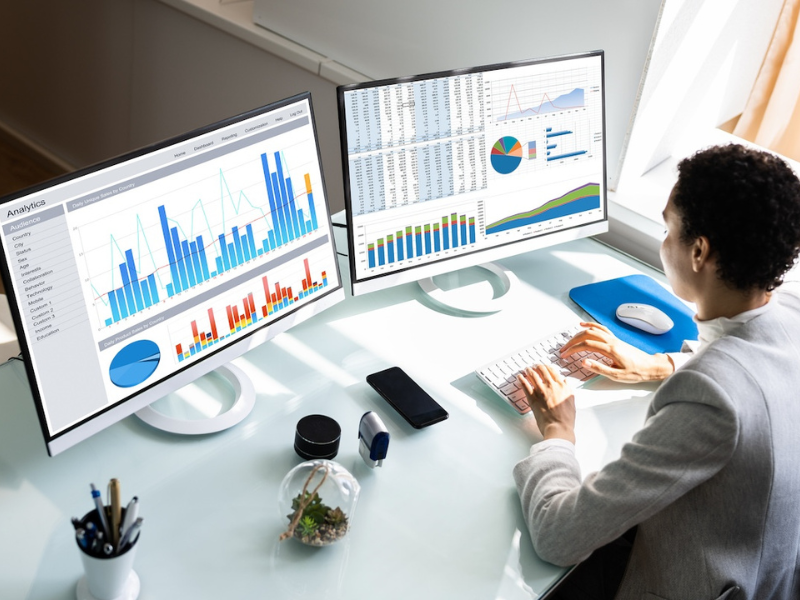
- Начните с одной четкой цели, например, с сокращения времени ожидания.
- Централизуйте данные из звонков, чата и CRM-систем.
- Выбирайте приборные панели, которые команды действительно используют.
- Обучите руководителей и агентов действовать в соответствии с полученными знаниями.
- Постепенно расширяйте сферу применения до прогнозирующих и работающих в режиме реального времени.
ЧАСТО ЗАДАВАЕМЫЕ ВОПРОСЫ

В чем разница между аналитикой колл-центров и аналитикой больших данных?
Аналитика колл-центров фокусируется на конкретных показателях. Аналитика больших данных обрабатывает все данные о взаимодействии в масштабе, включая голос, текст и поведение.
Неужели аналитика больших данных нужна только крупным колл-центрам?
Нет. Облачные платформы делают аналитику доступной для малых и средних команд.
Нужны ли агентам технические навыки для использования инструментов аналитики?
Нет. В большинстве случаев информация предоставляется с помощью простых приборных панелей и оповещений.
Сколько времени требуется, чтобы увидеть результаты?
Многие команды отмечают улучшение времени ожидания и качества в течение нескольких недель.
Надежно ли защищены данные клиентов?
Современные платформы используют шифрование и строгий контроль доступа для защиты данных.
Читать далее:
- Примеры резюме на работу с клиентами: Руководство с метриками и советами ATS
- Обслуживание клиентов BPO: Преимущества, определение и руководство по выбору
- Что такое колл-центр BPO? Определение, типы и преимущества

 English
  Russian
  Chinese