

A crypto exchange loses a $50,000 customer because an untrained agent mishandles a withdrawal dispute. A fintech BPO fails a compliance audit after agents skip required disclosures on 3% of calls. An iGaming platform sees CSAT drop 15 points after rapid hiring during a World Cup surge.
The common thread: inconsistent agent training.
In high-volume contact centers—especially those serving crypto, fintech, iGaming, and BPO operations—one poorly trained agent can cost thousands in lost revenue or regulatory penalties. Traditional training methods can’t keep pace with rapid hiring, complex compliance requirements, and 24/7 global operations.
AI technology customer support training solves this gap by simulating real conversations, delivering instant feedback, and personalizing learning paths. Agents practice difficult scenarios safely. Managers get clear skill-gap insights. Customers receive consistently better experiences.
For cloud call centers using platforms like Flyfone, AI training integrates directly into daily operations. Flyfone’s AI Quality Assurance analyzes every call in real-time, automatically scoring agent performance on empathy, clarity, compliance, and resolution accuracy. This means training isn’t a separate quarterly event—it’s continuous feedback built into the workflow, helping BPO teams and contact centers improve faster without adding management overhead.
This guide explores how AI-driven training works, what makes it effective, and how contact centers deploy it to improve agent skills, reduce onboarding time, and drive measurable CSAT improvements.
Основные выводы
- AI-driven training helps agents practice real scenarios before facing live customers—reducing costly mistakes in high-risk industries like crypto, fintech, and iGaming.
- Personalized feedback improves soft skills (empathy, de-escalation) and technical accuracy—critical for compliance-sensitive operations.
- Onboarding becomes 30-50% faster and more consistent across teams, time zones, and languages.
- Training scales without adding managers or trainers—one AI system coaches unlimited agents simultaneously.
- Better-trained agents drive measurable outcomes: higher CSAT (typically +8-12 points), lower burnout, and fewer compliance violations.
- Cloud call centers like Flyfone embed AI training directly into operations—agents receive same-day feedback from actual customer calls, not simulated exercises.
Why Customer Support Training Needs AI Today
- Customer expectations have fundamentally shifted. According to Zendesk’s 2024 CX Trends Report, 73% of customers expect immediate responses across all channels, and 62% will switch to a competitor after a single poor experience.For contact centers in high-stakes industries—crypto exchanges, iGaming platforms, fintech BPOs—these expectations create critical training challenges:1. Complexity & Emotional Intensity Modern support interactions aren’t simple Q&A. Agents handle account disputes, fraud investigations, KYC compliance, and financially stressed customers—all requiring advanced soft skills that generic training doesn’t teach.2. Multi-Channel Operations With Limited Time Agents juggle voice calls, live chat, email, WhatsApp, and Telegram—often in multiple languages. Traditional training dedicates weeks to onboarding, but contact centers need agents productive within days.3. Manual Coaching Doesn’t Scale A supervisor can realistically coach 10-15 agents. When a BPO scales to 100+ agents across shifts and time zones, manual coaching becomes inconsistent. Some agents get daily feedback; others wait weeks.4. Delayed Feedback Reinforces Bad Habits Traditional QA reviews calls days or weeks after they happen. By then, the agent has repeated the same mistake dozens of times. Muscle memory sets in before coaching occurs.5. Inconsistent Training Quality Different trainers emphasize different skills. Remote teams experience this gap acutely. An agent trained on Monday learns different approaches than one trained Friday—leading to wildly uneven customer experiences.
The cost of these gaps:
- A crypto exchange loses $50,000 in customer lifetime value when an agent mishandles a withdrawal dispute
- A fintech BPO faces regulatory fines after compliance gaps appear in 3% of calls
- An iGaming platform’s CSAT drops 15 points after rapid hiring during major sporting events
AI training addresses these challenges by providing consistent, scalable, immediate feedback—turning every customer interaction into a coaching opportunity.
What Is AI Technology Customer Support Training?
AI technology customer support training uses artificial intelligence to simulate customer interactions, evaluate agent responses, and guide skill development. Instead of passively watching videos or reading scripts, agents actively practice conversations.
At the core are AI-driven simulations. These systems act as realistic customers, responding dynamically based on what the agent says or types. The experience mirrors real tickets, chats, or calls.
The training process usually follows this flow:
- Agents enter a role-play scenario based on real support cases.
- The AI reacts with different tones, emotions, and problems.
- The agent responds using their own words.
- The system analyzes clarity, empathy, accuracy, and flow.
- Instant feedback highlights strengths and gaps.
Compared to traditional e-learning, AI training is interactive and adaptive. Agents do not repeat generic modules. They train on what they personally struggle with.
In practice, call centers use AI training to prepare new hires before they go live. SaaS support teams use it to coach agents on complex product issues or difficult conversations. The result is consistent skill development without constant manager involvement.
AI training also fits naturally into employee training and development programs. It supports continuous learning, not just onboarding.
Unlike standalone training platforms that require separate logins and manual integration, Flyfone embeds AI training directly into your call center workflow.
Modern cloud call centers don’t treat training as a separate system. Instead, AI Quality Assurance runs continuously on live operations—analyzing every inbound and outbound call for coaching opportunities.
Here’s how it works in Flyfone:
Automatic Call Analysis Every call is transcribed and analyzed across multiple dimensions:
- Empathy & Tone: Did the agent acknowledge the customer’s frustration or rush to solutions?
- Ясность: Were instructions easy to follow, or did the agent use confusing jargon?
- Соответствие: Were required disclosures made (TCPA consent, dispute rights, data privacy statements)?
- Resolution Accuracy: Was the customer’s actual issue solved, or did the agent address a different problem?
- Outcome Quality: Did the call end in one-call resolution, or will the customer need to call back?
Individual Agent Dashboards Agents see their own performance trends over time—no manager needed for basic feedback. If empathy scores drop week-over-week, the system highlights specific calls to review. This creates accountability without micromanagement.
Manager Coaching Queues Supervisors receive a daily priority list: which agents need coaching and on what specific skill. Instead of randomly sampling 2-3 calls per agent weekly, managers focus on:
- Agents trending downward in key metrics
- High-risk interactions (angry customers, refund disputes, compliance-sensitive scenarios)
- New hires who haven’t reached baseline performance benchmarks
Real-World Example: iGaming Customer Support
A European online gaming platform handles 15,000+ player interactions daily across 8 languages with 120 agents in 3 time zones. Their challenge: maintaining consistent quality while scaling rapidly during tournament seasons.
Before Flyfone AI QA:
- Managers randomly sampled 2-3 calls per agent per week (less than 2% coverage)
- Feedback came 5-7 days after the call occurred
- No way to catch compliance gaps in real-time
- Coaching quality varied wildly across shifts
- New agent ramp-up took 3-4 weeks
After Flyfone AI QA:
- 100% of calls scored automatically within 1 hour
- Agents receive same-day feedback on flagged calls
- Compliance violations trigger immediate supervisor alerts
- Coaching standardized via AI-generated talking points
- New agents practice on test campaigns until they hit quality benchmarks
Results within 90 days:
- Player satisfaction (CSAT) increased from 82% to 91%
- Compliance violations dropped 67%
- New agent ramp-up reduced from 21 days to 10 days
- Manager coaching time reduced 40% (focused only on high-priority gaps)
The platform’s operations director noted: “We went from hoping agents followed best practices to knowing they did—and coaching the gap within hours, not days. During our World Cup campaign, we onboarded 40 agents in two weeks with zero drop in quality.”
Why This Approach Works
Traditional training reviews what happened weeks or months ago. Flyfone’s AI QA coaches what happened this morning—while the conversation is still fresh in the agent’s mind. For industries like iGaming, crypto, and fintech where compliance and customer trust are critical, this speed difference is the gap between catching issues early and facing regulatory audits.
Types of AI Used in Customer Support Training

Modern AI training platforms—including Flyfone’s AI Quality Assurance—combine several AI technologies to deliver effective, scalable coaching:
Conversational AI
Что он делает: Simulates realistic customer dialogue for practice scenarios.
Как это работает: Uses natural language processing (NLP) trained on thousands of past support conversations. The AI learns patterns in how customers describe problems, express frustration, or ask clarifying questions. When an agent practices, the AI responds contextually:
- If the agent gives a vague answer → the AI asks for clarification
- If the agent shows empathy → the AI de-escalates
- If the agent interrupts → the AI becomes more frustrated
This creates dynamic practice scenarios that adapt to agent skill level—beginners get simpler conversations; experienced agents face complex, multi-issue scenarios.
Natural Language Analysis
Что он делает: Evaluates tone, clarity, and intent in agent responses.
Как это работает: Analyzes word choice, sentence structure, and emotional markers to score communication quality:
- Tone detection: Flags directive phrases (“you need to”) vs. supportive language (“I can help you”)
- Clarity scoring: Measures whether explanations use simple language vs. technical jargon
- Intent matching: Verifies the agent addressed the customer’s actual question vs. providing a generic response
- Compliance checking: Detects missing required disclosures (TCPA consent, dispute rights, data privacy statements)
For example, if a customer asks “Why was my withdrawal blocked?” and the agent responds with generic fraud policy instead of checking the specific account, the system flags intent mismatch.
Real-Time Feedback Engines
Что он делает: Provides instant, actionable coaching tips during or immediately after interactions.
Как это работает: As soon as a call ends, the AI generates specific coaching notes:
- What went well: “You acknowledged the customer’s frustration in the first 30 seconds—excellent empathy”
- What to improve: “You interrupted the customer at 2:15 before they finished explaining. Next time, wait 2-3 seconds after they stop speaking.”
- Пробелы в соблюдении норм: “Required TCPA disclosure was missing. Review script section 3.2.”
Agents receive this feedback within minutes—not days—allowing immediate course correction.
Training Analytics & Progress Tracking
Что он делает: Tracks individual and team performance trends over time.
Как это работает: Aggregates data across all interactions to identify:
- Skill gaps by agent: Agent A struggles with de-escalation; Agent B misses compliance disclosures
- Team-wide trends: Empathy scores dropping across all agents (suggests systemic issue)
- Readiness benchmarks: New agents who haven’t reached quality thresholds for live customer interactions
- ROI metrics: CSAT improvements, compliance violation reductions, average handle time changes
In Flyfone’s implementation: Managers see real-time dashboards showing which agents need coaching, which skills need team-wide training, and whether recent coaching sessions actually improved performance.
Problems With Traditional Customer Support Training Methods
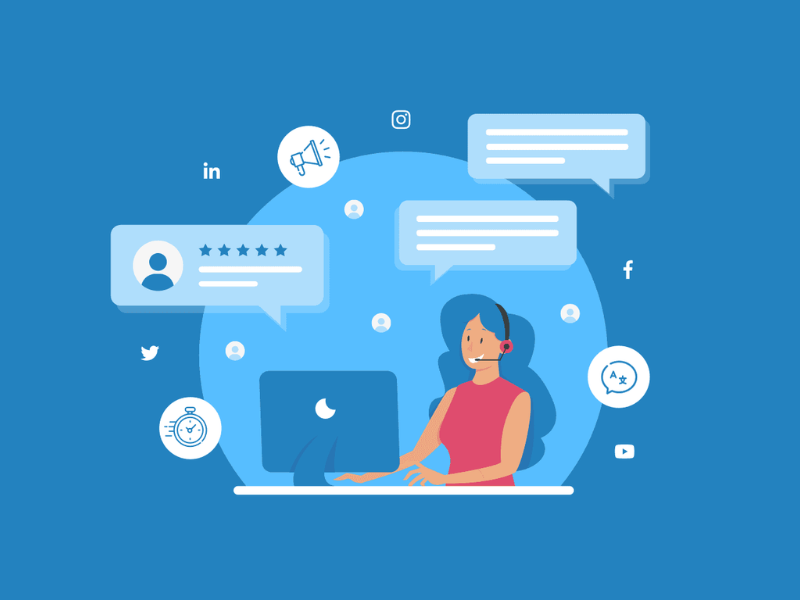
Traditional training relies heavily on manuals, shadowing, and one-time workshops. These methods create several issues.
First, onboarding is slow. New agents often watch recordings or read scripts without real practice. When they finally handle customers, mistakes happen in live situations.
Second, feedback is delayed. Managers review calls days or weeks later. By then, habits are already formed.
Third, training quality is inconsistent. Different trainers emphasize different things. Remote teams feel this gap even more.
Common problems include:
- Limited practice with difficult customers.
- High dependence on senior agents for coaching.
- One-size-fits-all content that ignores individual gaps.
- Burnout from learning under real customer pressure.
These issues directly impact CSAT, resolution time, and agent confidence.
How AI Technology Improves Customer Support Skills

AI changes training from reactive to proactive. Agents build skills before issues reach customers.
The biggest shift is personalization. AI tracks how each agent responds and adjusts training accordingly. Someone struggling with empathy practices emotional scenarios. Someone missing product accuracy gets targeted simulations.
AI also enables frequent, low-pressure practice. Agents can train in short sessions without booking time with a manager. This keeps skills fresh.
From experience, teams adopting AI training notice faster improvement because learning happens in context. Agents remember what they practice.
Основные улучшения включают:
- Faster skill acquisition through active learning.
- Consistent standards across locations and shifts.
- Clear visibility into individual and team skill gaps.
Interactive training systems turn coaching into a daily habit, not a quarterly event.
Soft Skills Enhancement Through AI Simulations

Soft skills are hard to teach with slides. AI simulations make them practical.
Agents practice scenarios like:
- Эмпатия: Responding to frustrated or emotional customers.
- Active listening: Identifying the real issue behind complaints.
- De-escalation: Calming tense situations without scripts.
- Clear communication: Explaining solutions in simple language.
Each scenario adapts to the agent’s responses. The AI may escalate or calm down, forcing real-time adjustment.
This happens in a safe environment. Agents can fail, retry, and improve without customer impact.
Employee Onboarding With AI Training

AI streamlines onboarding into clear, repeatable steps.
A typical AI-powered onboarding flow:
- Learn core policies and tools.
- Practice common scenarios with AI role-play.
- Receive instant feedback and coaching.
- Repeat until skill benchmarks are met.
- Go live with higher confidence.
This approach shortens ramp-up time significantly. New hires reach baseline performance faster and with fewer escalations.
Cost-wise, AI reduces the need for constant trainer involvement. One system can onboard many agents at once, making it ideal for growing teams.
Common Use Cases for AI Customer Support Training
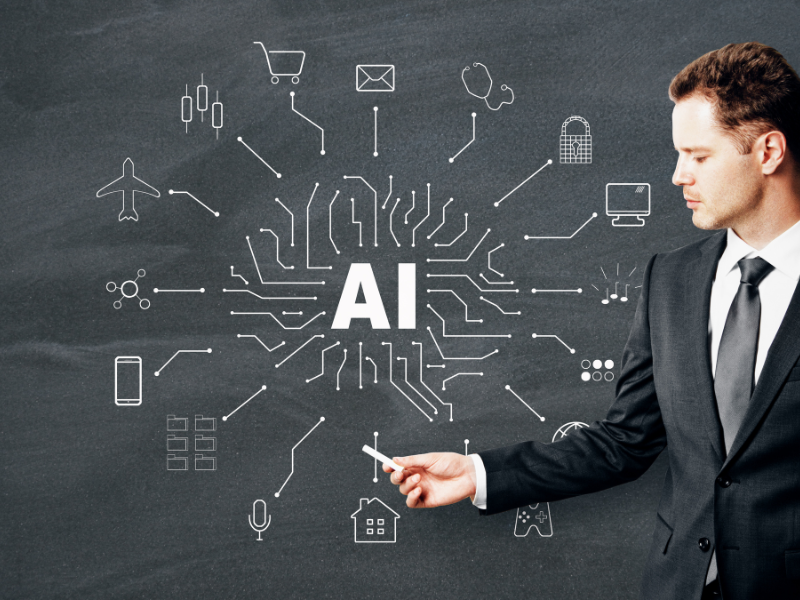
AI training adapts to different stages of the agent lifecycle.
Onboarding New Customer Support Agents
- Guided role-play replaces passive learning.
- Gamified elements increase engagement and retention.
Training Agents to Handle Difficult Customers
- Simulations cover complaints, refunds, and escalations.
- Agents practice emotional control and structured responses.
Continuous Skill Improvement for Existing Teams
- Ongoing coaching based on real performance data.
- Targeted retraining when KPIs drop.
Benefits of AI-Driven Customer Service Training

- Faster onboarding with consistent skill standards.
- Improved CSAT through better communication and empathy.
- Reduced agent burnout by practicing in low-risk settings.
- Scalable training without adding management overhead.
- Clear data on readiness, gaps, and progress.
Most teams see measurable improvements within months, not years.
Key Features to Look for in AI Training Solutions

- Customizable role-play: Matches real customer scenarios.
- Real-time feedback: Actionable insights, not generic scores.
- Training dashboards: Clear visibility into agent progress.
- Масштабируемость: Supports small teams and large operations.
- Easy setup: Minimal technical overhead for fast adoption.
Choose tools that fit your team size and training maturity.
AI Training vs Traditional Customer Support Training
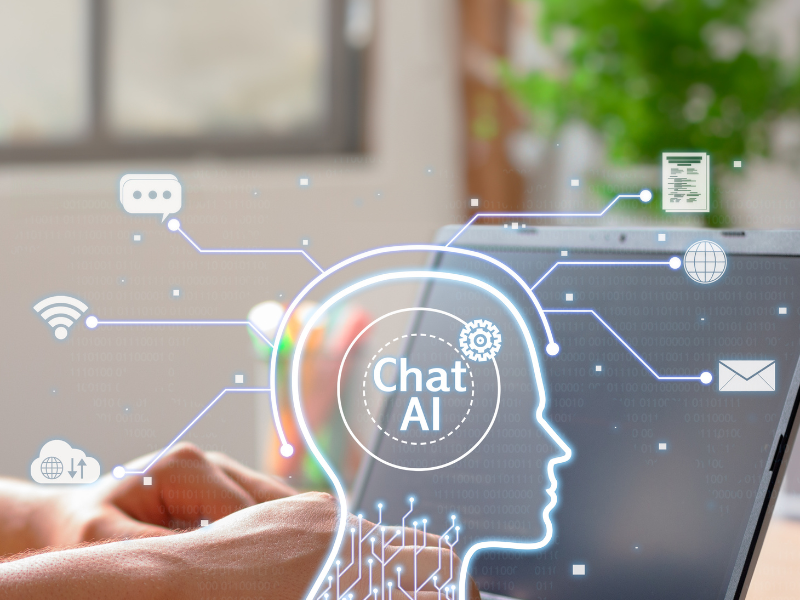
| Аспект | AI Training | Traditional Training |
|---|---|---|
| Practice | Interactive simulations | Passive learning |
| Feedback | Мгновенный | Delayed |
| Масштабируемость | Высокий | Ограниченный |
| Персонализация | Сильный | Минимум |
AI training makes sense when consistency, speed, and scale matter.
Who Should Use AI Technology Customer Support Training?

- Support managers: Reduce coaching load and improve consistency.
- CX leaders: Drive measurable CSAT improvements.
- HR/L&D teams: Standardize training across locations.
- Founders at SMBs: Scale support without heavy costs.
When Does AI Customer Support Training Make Sense?

- High agent turnover or fast hiring cycles.
- Inconsistent customer experiences.
- Limited time for manual coaching.
- Growing support volume across channels.
FAQ: AI Technology Customer Support Training

Is AI customer support training suitable for small teams?
Yes. Many tools are built to scale from a few agents to hundreds.
Does AI replace human coaching?
No. It supports managers by handling practice and feedback at scale.
Сколько времени требуется, чтобы увидеть результаты?
Most teams see skill and CSAT improvements within 1–3 months.
Заключение и призыв к действию

AI technology customer support training transforms how teams learn and perform. It replaces passive learning with real practice, delivers instant feedback, and scales without friction.
Agents gain confidence. Managers gain clarity. Customers get better experiences.
If your team struggles with onboarding speed, inconsistent skills, or rising support complexity, it’s time to assess AI-driven training solutions. Explore options, pilot with a small group, and build a support team ready for modern customer expectations.
Вопросы и ответы
What is AI customer support training?
AI customer support training uses artificial intelligence to simulate conversations, provide real-time feedback, and personalize learning paths to enhance customer support skills. It focuses on soft skills like empathy, active listening, and problem-solving.
How does AI improve customer support onboarding?
AI streamlines onboarding by offering interactive role-plays, real-time evaluations, and gamified scenarios. Agents gain hands-on practice faster, reducing ramp-up time by up to 30% and ensuring consistent preparedness across teams.
What are the benefits of AI customer service training?
AI customer service training boosts CSAT scores, reduces average resolution time, enhances employee engagement, and scales easily for teams of any size. It also helps in addressing skill gaps with personalized learning paths.
How does AI develop soft skills in customer support?
AI uses scenario-based role-plays and instant feedback to teach soft skills like empathy, de-escalation techniques, and active listening. Agents practice in safe, adaptive environments tailored to real-world situations.
Can AI customer support training work for small teams?
Yes, AI-powered training is scalable and customizable, making it cost-effective for small teams. It enables targeted skill-building without requiring extensive resources or dedicated trainers.
What KPIs improve with AI training?
Key performance indicators such as CSAT, first contact resolution rate, and average resolution time improve significantly. AI training also reduces agent burnout by streamlining tough conversations.
How do I implement AI customer support training?
To implement AI training, first identify skill gaps through performance data. Then select an AI platform that matches your team’s needs, customize training scenarios, and monitor agent progress via dashboards.
Читать далее:
- AI Simulation Training: Build Real-World Skills Faster
- What Is a Customer Success Manager? Role and Responsibilities
- Как операции по достижению успеха клиента улучшают обслуживание клиентов at Scale

 English
  Russian
  Chinese