

Операторы контакт-центров сталкиваются с общей проблемой: все знают о существовании лучших практик, но мало кто знает, какие из них приносят немедленную отдачу, а какие создают суету.
Это руководство поможет вам разобраться с шумом. Вы узнаете, какие передовые методы работы контакт-центров позволяют измеримо улучшить качество обслуживания клиентов, производительность агентов и операционную эффективность, и, что еще важнее, какие из них следует внедрять в первую очередь, когда ресурсы ограничены.
Написан для менеджеров контакт-центров, руководителей CX и операционных директоров компаний малого и среднего бизнеса, которым нужны практические улучшения с высоким коэффициентом отдачи без сложностей корпоративного уровня.
Ключевые моменты, которые вы узнаете

-
Четкие приоритеты: Узнайте, какие методы обеспечивают окупаемость инвестиций в течение нескольких недель, а не месяцев, что очень важно, когда у вас ограниченный бюджет и пропускная способность команды.
Практические шаги по внедрению: Получите конкретные рекомендации по развертыванию многоканальной поддержки, обучению агентов и автоматизации, не перегружая свою команду.
Сбалансированные технологические решения: Поймите, когда автоматизация помогает, а когда вредит, чтобы повысить эффективность и не испортить отношения с клиентами.
Показатели, которые имеют значение: Сосредоточьтесь на 3-5 основных KPI, которые действительно предсказывают результаты работы с клиентами, а не на суетных цифрах, которые создают суету в отчетности.
Что означают лучшие практики контакт-центров сегодня
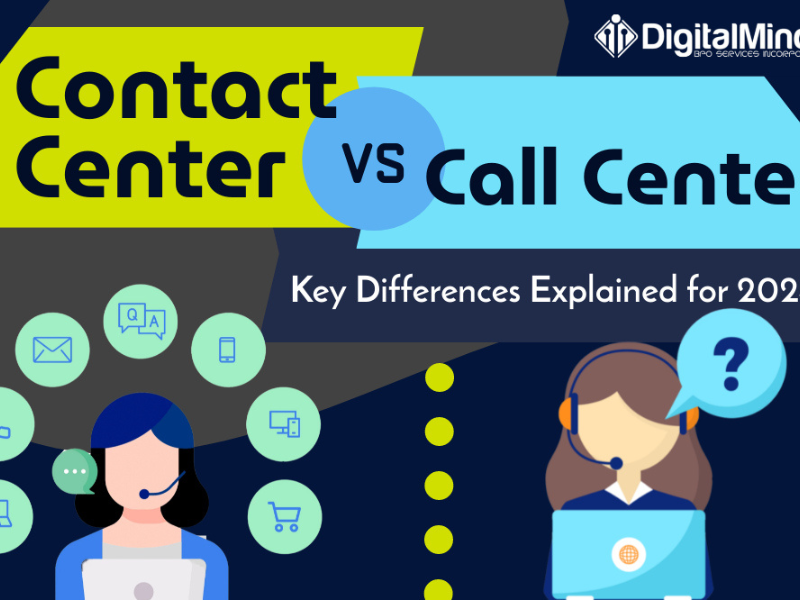
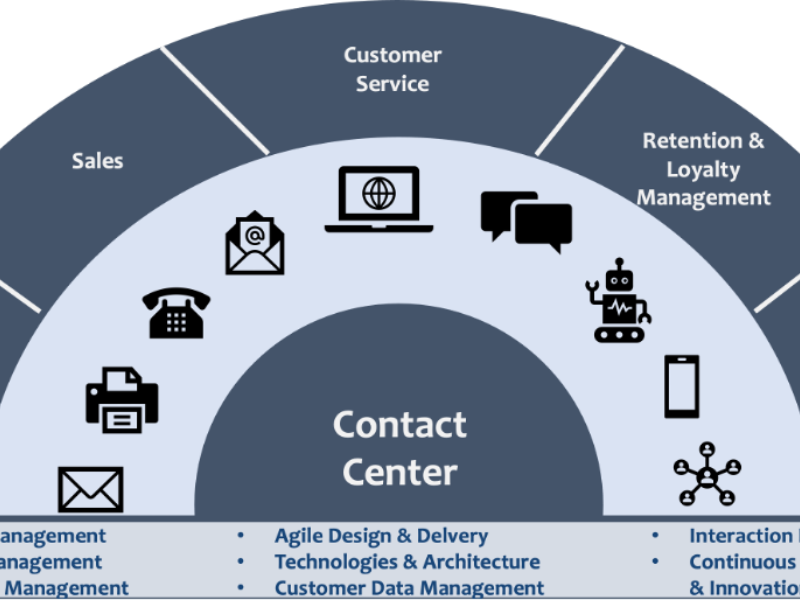
Современные передовые методы работы контакт-центров вышли за рамки показателей скорости. Теперь целью является снижение трудозатрат заказчика обеспечивая продуктивную работу агентов одновременно в голосовой связи, чате, электронной почте, SMS и социальных каналах.
Это создает новые операционные проблемы:
- Контекст клиента должен плавно переходить из одного канала в другой (чат → телефон → электронная почта), не заставляя клиента повторять информацию
- Агентам нужны единые инструменты, позволяющие в считанные секунды получить полную историю взаимодействия, а не разрозненные системы, требующие переключения 4-5 вкладок.
- Метрики должны обеспечивать баланс между эффективностью (время обработки, загрузка агента) и качеством (CSAT, разрешение первого контакта), не создавая ложных компромиссов.
Практическая реальность: Передовые методы теперь требуют технологии, которая соединяет каналы по умолчанию, а не с помощью дорогостоящих интеграций. Они требуют обучения, которое готовит агентов к контекстному переключению между каналами. И им нужны информационные панели, которые показывают полную картину, а не только объем звонков.
Это руководство посвящено основам, которые работают независимо от вашей платформы или размера команды: принципы, которые приводят к результатам, распространенные ошибки, которые приводят к потерям, и пошаговый подход, который позволит вам совершенствоваться, не прерывая работы.
Основные принципы, лежащие в основе высокоэффективных контакт-центров

Опыт клиента на первом месте
Сильный клиентский опыт не просто улучшает показатели удовлетворенности - он напрямую снижает операционные расходы благодаря простому механизму: Довольные клиенты обращаются к вам реже.
За этим стоят цифры:
- В среднем по отрасли: 22-25% всех контактов - это повторные звонки (клиент перезванивает, потому что первое взаимодействие не решило его проблему)
- Каждый повторный контакт обходится в $5-12 затрат на время агента и накладные расходы системы
- Операция со 100 агентами, обслуживающая 50 000 звонков в месяц, ежегодно тратит примерно $55 000-135 000 на повторные контакты, которых можно избежать
Что на самом деле является движущей силой клиентского опыта:
1. Ноль повторений в точках контакта Клиенты не должны заново объяснять свою проблему при переключении с чата на телефон или при переходе от одного агента к другому. Для этого необходимы унифицированные профили клиентов, которые отображают всю историю взаимодействия в одной временной шкале.
2. Решение проблемы при первом контакте Вопрос полностью решается в ходе первого взаимодействия - никаких перезвонов, никаких последующих писем с просьбой предоставить дополнительную информацию, никаких “давайте я переведу вас еще раз”.”
3. Проактивная ясность Агенты объясняют, что будет дальше, устанавливают точные ожидания и подтверждают, что клиент все понял, прежде чем завершить взаимодействие.
Эти три элемента просто описать, но трудно выполнить без правильных инструментов и обучения, поэтому остальная часть данного руководства посвящена практической реализации.
За этим стоит прямой механизм. Постоянные впечатления укрепляют доверие. Доверие снижает количество повторных контактов. Меньшее количество повторных контактов повышает эффективность работы агентов и снижает затраты.
Распространенным примером в реальном мире является омниканальная непрерывность. Клиент начинает общение в чате, переходит на телефон, а агент уже видит всю историю. Решение проблемы происходит быстрее. Удовлетворенность повышается.
Реальный пример: Команда технической поддержки из 60 агентов заметила, что их FCR застрял на уровне 62% - намного ниже отраслевого эталона 70-75%. Анализ показал, что клиенты часто перезванивали, потому что агенты торопились с объяснениями, чтобы достичь целевых показателей времени обработки.
Исправление: Руководство обучило агентов активному слушанию и сопереживанию, не меняя при этом сценариев звонков. Новый подход:
- Сделайте паузу после того, как клиент объяснит суть проблемы, а затем подведите итог, чтобы подтвердить понимание.
- Спросите: “Это полностью решает вашу проблему?”, прежде чем завершить разговор.
- Потратьте 30 дополнительных секунд на проверку понимания - даже если это увеличит время работы.
Результат: За 8 недель FCR подскочил с 62% до 73%. Среднее время обработки увеличилось на 40 секунд, но количество повторных обращений снизилось на 18%, что позволило добиться чистого повышения эффективности, поскольку агенты обслуживали меньшее общее количество обращений.
Баланс между технологиями и человеческим прикосновением
Ошибка автоматизации, которую совершают большинство контакт-центров: они автоматизируют взаимодействие с клиентами (меню IVR, чат-боты), чтобы сократить расходы, а потом удивляются, почему CSAT падает, а количество эскалаций растет.
Лучший подход: Автоматизируйте работу офисов, которая отнимает время у агентов, но при этом сохраните людей для реальных разговоров с клиентами.
Когда автоматизация создает ценность:
Маршрутизация и сортировка: Автоматическое определение намерений направляет клиентов в нужный отдел, не затрудняя навигацию по меню (“Нажмите 1 для отдела продаж, нажмите 2 для...”).
Самообслуживание для выполнения простых задач: Отслеживание заказов, сброс пароля, проверка баланса счета хорошо работают в качестве вариантов самообслуживания - клиентам нужна скорость, а не разговоры.
Работа по вызову: Автоматизированные сводки, пометка билетов и обновление данных в CRM избавляют агентов от необходимости тратить 60-90 секунд на ручной ввод данных после каждого звонка.
Когда автоматизация дает обратный эффект:
Комплексное устранение неисправностей: Когда проблема клиента требует понимания контекста (“Мой платеж не прошел, но с меня дважды сняли деньги”), жесткие потоки чатботов вызывают разочарование. Они предпочтут сразу же поговорить с человеком.
Эмоциональное взаимодействие: Споры по счетам, жалобы на обслуживание и попытки отмены заказа требуют сочувствия и гибкости - чат-боты усугубляют эти ситуации, заставляя клиентов чувствовать себя неуслышанными.
Высокоценные клиенты: VIP-клиенты ожидают, что их будут обслуживать по принципу "белой руки". Навязывание им автоматизированных меню вредит отношениям.
Простое правило: Если взаимодействие требует суждения, сопереживания или творческого подхода к решению проблемы, быстро переключитесь на человека. Если же речь идет о чисто информационных или транзакционных вопросах, автоматизация будет кстати.
Топ-12 лучших практик для контакт-центров, которым следует уделить первоочередное внимание
Обеспечьте постоянную всеканальную поддержку
Что это значит на самом деле: Omnichannel означает, что контекст клиента следует за ним по всем каналам - голос, чат, электронная почта, SMS - в единой временной шкале. Когда клиент переходит от чата к телефону, агент уже знает, что произошло.
Многоканальность означает, что вы предлагаете несколько каналов, но они работают изолированно. Клиенту приходится объяснять все заново.
Почему это важно: Без омниканальной непрерывности клиенты повторяют информацию в каждой точке контакта. Это приводит к потере времени, разочарованию и увеличению числа повторных обращений. Согласно отраслевым данным, 40% повторных обращений происходит потому, что клиентам приходится заново объяснять свою проблему.
Как реализовать:
Централизуйте данные о клиентах: Используйте единую платформу или CRM, которая объединяет все каналы. Каждое взаимодействие - голосовой звонок, сообщение в чате, электронная почта - регистрируется в одном и том же профиле клиента.
Обучите агентов реагировать в первую очередь на контекст: Прежде чем задавать вопросы, агенты должны ознакомиться с графиком взаимодействия. Пример сценария: “Я вижу, что вчера вы обращались к нам в чате по поводу [проблемы]. Позвольте мне продолжить с того места, на котором вы остановились”.”
Подключите каналы технически: Голосовые сообщения, SMS, чат и электронная почта должны поступать в одну систему. Если это отдельные платформы, используйте API или интеграцию для двунаправленной синхронизации данных о клиентах.
Измерьте успех: Отслеживайте “коэффициент передачи контекста” - процент кросс-канальных взаимодействий, в которых агенты ссылаются на предыдущие точки контакта. Цель: 80%+ в течение 90 дней.
Ожидаемый результат: Омниканальная преемственность обычно снижает количество повторных контактов на 10-15% и повышает CSAT на 0,3-0,5 балла по 5-балльной шкале.
Обучение агентов взаимодействию с клиентами в реальных условиях
Тренинги должны отражать реальные, а не идеальные разговоры.
Эффективное обучение включает в себя:
- Стажировка у опытных агентов.
- Ролевые игры с трудными сценариями.
- Просмотр реальных звонков с четкой обратной связью.
Постоянное обучение имеет большее значение, чем однократное введение в должность. Лучше всего работают короткие, целенаправленные курсы повышения квалификации.
Пример: обучение агентов методам снятия напряжения с разгневанных клиентов путем признания их разочарования, прежде чем предложить решение.
Расширение возможностей агентов для более быстрого решения проблем
Расширенные полномочия агентов не требуют одобрения каждого решения.
Помогают четкие границы:
- Что агенты могут утвердить самостоятельно.
- Когда требуется эскалация.
- Какие результаты важнее сценариев.
Это сокращает среднее время обработки и повышает CSAT.
Сосредоточьтесь на показателях контакт-центра, которые имеют значение
Большинство контакт-центров еженедельно отслеживают 15-25 KPI. В результате супервайзеры тратят больше времени на создание информационных панелей, чем на инструктаж агентов, а команды страдают от паралича анализа.
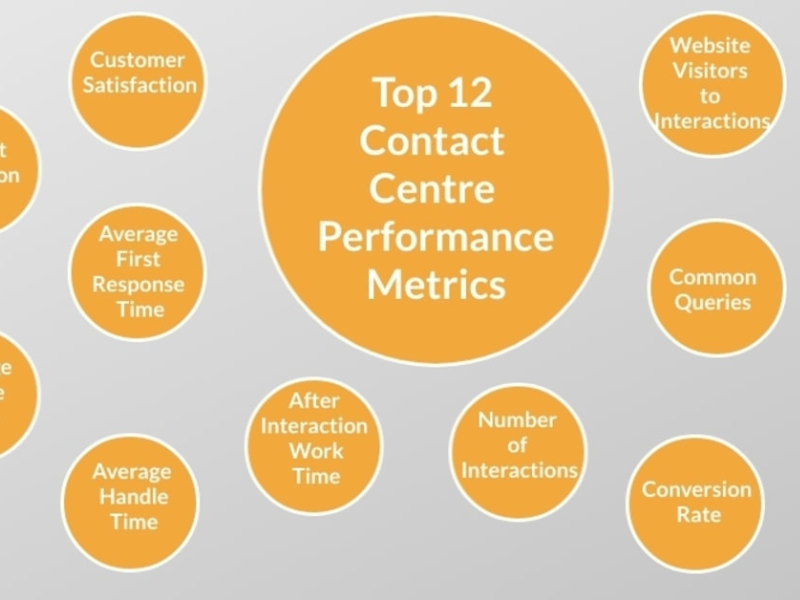
Начните с 4 основных показателей, которые обеспечивают баланс между качеством обслуживания клиентов и операционной эффективностью:
CSAT (оценка удовлетворенности клиентов)
- Что он измеряет: Удовлетворенность клиента сразу после взаимодействия (обычно по шкале 1-5)
- Отраслевой ориентир: 3,8-4,2 балла из 5 за поддержку B2B; 3,5-3,9 балла за поддержку B2C
- Почему это важно: Прямая обратная связь о качестве обслуживания; сильный предиктор удержания клиентов
- Как улучшить: Сократите время обработки без спешки, повысьте эффективность решения проблем при первом контакте, обучите агентов эмпатии и активному слушанию.
FCR (разрешение первого контакта)
- Что он измеряет: Процент вопросов, полностью решенных в ходе первого взаимодействия (не требуется обратного звонка или последующих действий)
- Отраслевой ориентир: 70-75% для технической поддержки; 60-65% для запросов по продажам
- Почему это важно: Каждый повторный контакт стоит $5-12 времени агента и расстраивает клиентов
- Как улучшить: Улучшенная маршрутизация на основе навыков, комплексное обучение агентов, предоставление им возможности принимать решения без одобрения руководителя
NPS (Net Promoter Score)
- Что он измеряет: Вероятность того, что клиент порекомендует ваш сервис (шкала: от -100 до +100)
- Отраслевой ориентир: От +30 до +50 для контактных центров
- Почему это важно: Прогнозирование пожизненной стоимости клиента и риска оттока с течением времени
- Как улучшить: Сосредоточьтесь на согласованности действий во всех точках контакта, сократите общие усилия клиента, быстро реагируйте на негативные отзывы
AHT (среднее время обработки)
- Что он измеряет: Средняя продолжительность взаимодействия с клиентом, включая время разговора и работу после звонка
- Отраслевой ориентир: 6-8 минут для звонков в службу поддержки; 4-6 минут для звонков в отдел продаж
- Почему это важно: Уравновешивает эффективность и тщательность
- Критическое предупреждение: Никогда не оптимизируйте AHT за счет FCR или CSAT. Торопливые звонки приводят к повторным контактам, что сводит на нет повышение эффективности.
Правильный подход: Отслеживайте все четыре показателя вместе. Если AHT падает, но FCR тоже снижается, значит, вы создаете больше работы (повторных контактов). Если CSAT растет, а AHT остается неизменным, значит, вы нашли правильный баланс.
Используйте отзывы клиентов для непрерывного совершенствования
Обратная связь работает только тогда, когда она замыкает цикл.
Практичный поток Voice-of-Customer:
- Собирайте отзывы после взаимодействия.
- Выявляйте закономерности, а не единичные жалобы.
- Делитесь информацией с агентами и ведущими.
- Сообщайте об улучшениях клиентам.
Создайте мощную базу знаний и возможности самообслуживания
Хорошая база знаний помогает клиентам и агентам.
Лучшие практики:
- Пишите статьи, основанные на реальных вопросах клиентов.
- Ответы должны быть краткими и удобными для поиска.
- Обновляйте контент, используя обратную связь с агентами.
Самообслуживание сокращает количество контактов без ущерба для CX.
Оптимизация маршрутизации контактов и потоков вызовов
Маршрутизация должна минимизировать количество пересылок.
Используйте маршрутизацию на основе навыков, чтобы клиенты сначала попадали к нужному агенту. Содержите меню IVR в кратком и понятном виде.
Цель - решение проблемы при первом контакте, а не скорость.
Инвестируйте в опыт и вовлеченность агентов
Выгорание приводит к оттоку кадров. Отток стоит дорого.
Тактика высокоэффективного вовлечения:
- Справедливое планирование.
- Четкие ожидания от работы.
- Регулярные тренировки, а не просто подсчет очков.
Вовлеченные агенты обеспечивают лучший опыт работы с клиентами.
Стандартизация обеспечения качества без микроменеджмента
QA должен улучшать производительность, а не контролировать поведение.
Эффективный контроль качества сосредоточен на шаблонах и обучении. Постоянно используйте оценочные листы. Тестируйте сценарии с помощью A/B-сравнений.
Используйте автоматизацию для сокращения ручного труда
Лучшая автоматизация устраняет повторяющиеся задачи, которые отнимают у агентов время, освобождая их для того, чтобы сосредоточиться на реальном взаимодействии с клиентами.
Примеры использования автоматизации с высоким ROI:
Автоматическая маркировка и категоризация вызовов
- Что он делает: ИИ анализирует стенограммы звонков и автоматически помечает разговоры по темам (выставление счетов, техническая поддержка, запрос на отмену и т. д.)
- Экономия времени: 30-45 секунд на каждый звонок, которые агенты раньше тратили на ручную классификацию
- Воздействие: Для 100 агентов, ежедневно обрабатывающих 400 звонков, это экономит примерно 333 часа в месяц.
Резюме после вызова, подготовленные искусственным интеллектом
- Что он делает: Система автоматически создает резюме из стенограммы звонка; агент просматривает и утверждает его
- Экономия времени: 60-90 секунд на каждый звонок для подведения итогов
- Воздействие: Сокращение среднего времени обработки на 15-20% при повышении качества и согласованности заметок
Подсказки агента в режиме реального времени и предложения по знаниям
- Что он делает: Во время разговора система отображает соответствующие статьи базы знаний, напоминания о соблюдении требований и предлагаемые ответы, основанные на контексте разговора.
- Воздействие: Сокращение количества эскалаций на 18-25% и повышение эффективности решения проблем при первом контакте, поскольку ответы у агентов всегда под рукой.
- Пример: Во время звонка по спору о выставлении счета система автоматически показывает политику возврата средств, ценообразование уровни и правила расчета доли
Предупреждения об эскалации на основе настроения
- Что он делает: ИИ обнаруживает негативные настроения во время звонков и предупреждает руководителей в режиме реального времени
- Воздействие: Позволяет супервизору вмешаться в ситуацию до того, как клиент перейдет в эскалацию или отток; супервизор может шепотом обучить агента или взять звонок на себя
Согласование технологий с целями бизнеса
Технологии должны способствовать достижению результатов, а не приводить к разрастанию.
Выбирайте инструменты, которые интегрируются с вашей CRM и коммуникационным стеком. Избегайте дублирующих друг друга платформ, которые путают агентов.
В качестве примера можно привести системы унифицированных коммуникаций, объединяющие голосовую связь, обмен сообщениями и аналитику.
Планируйте масштабирование и непрерывность работы
Рост и разрушение неизбежны.
План для:
- Прогнозирование трудовых ресурсов.
- Удаленная готовность.
- Резервная маршрутизация и обход отказа.
Подготовленные команды быстрее восстанавливаются и поддерживают CX.
Передовой опыт в области технологий контакт-центров (высокий уровень)

Всеканальные платформы и интеграция с CRM
Унифицированная CRM выступает в качестве источника истины. Она объединяет историю клиентов, их разговоры и результаты в одном месте.
Преимущества заключаются в более быстром разрешении и лучшей персонализации.
ИИ и аналитика на практическом уровне
ИИ лучше всего работает в качестве поддержки для руководителей и агентов.
Полезное применение:
- Краткое содержание беседы.
- Предупреждения о настроениях.
- Анализ тенденций.
ИИ необходим не везде. Используйте его там, где он экономит время или улучшает качество принимаемых решений.
Распространенные ошибки контакт-центров, которых следует избегать
- Отслеживание слишком большого количества показателей без принятия мер.
- Чрезмерная автоматизация эмоциональных взаимодействий.
- Обучившись один раз, вы больше никогда не возвращаетесь к этим навыкам.
- Выбор инструментов без участия агента.
Как шаг за шагом внедрять лучшие практики контакт-центров
Что исправить сначала, а что потом
Сначала исправьте основы: маршрутизацию, обучение и основные показатели. Продвинутая аналитика и автоматизация приходят позже.
Быстрые победы важнее совершенных систем.
[Sơ đồ: Матрица приоритетов для улучшений]
Измерение прогресса без чрезмерного усложнения
Просматривайте показатели ежемесячно. Отслеживайте тенденции, а не ежедневный шум. Сосредоточьтесь на постоянном улучшении, а не на совершенствовании.
Часто задаваемые вопросы - Лучшие практики контактных центров

Каковы наиболее важные передовые практики контакт-центров?
Самые важные практики сосредоточены на клиентском опыте, расширении возможностей агентов и простых показателях. Приоритет отдается последовательности омниканального взаимодействия, эффективному обучению и четкой маршрутизации, а не передовым инструментам.
Как лучшие практики контакт-центров улучшают качество обслуживания клиентов?
Они сокращают усилия клиентов, повышают скорость решения проблем и обеспечивают последовательное взаимодействие по всем каналам. Это способствует росту доверия и удовлетворенности клиентов.
Какие KPI контакт-центр должен отслеживать в первую очередь?
Начните с CSAT, FCR, NPS и AHT. Эти показатели позволяют сбалансировать результаты работы с клиентами и операционную эффективность.
Сколько технологий действительно необходимо контакт-центру?
Достаточно для централизации данных, поддержки агентов и измерения эффективности. Большее количество инструментов не всегда означает лучшие результаты.
Отличаются ли передовые методы работы колл-центров от передовых методов работы контакт-центров?
Принципы похожи, но контакт-центры охватывают больше каналов и требуют более тесной интеграции и согласованности данных.
Заключение

Лучшие практики контакт-центров приносят пользу только при систематическом внедрении. Вот ваш пошаговый подход:
Месяц 1 - Закрепите основы:
- Аудит текущей маршрутизации звонков (попадают ли клиенты к нужному агенту с первой попытки?)
- Внедрение 3-4 панелей основных показателей: CSAT, FCR, NPS, AHT
- Обучите агентов реагированию на контекст и основам эмпатии
- Ожидаемое воздействие: 10-15% улучшение FCR; 8-12% сокращение повторных контактов
Месяц 2-3 - развертывание Omnichannel и автоматизации:
- Централизация данных о клиентах в голосовой связи, чате, электронной почте, SMS.
- Развертывание системы маркировки вызовов на основе искусственного интеллекта и автоматических сводок
- Создайте или улучшите базу знаний для самообслуживания
- Ожидаемое воздействие: 15-20% сокращение среднего времени обработки; 12-18% снижение объема контактов
Месяц 4+ - Оптимизация и масштабирование:
- Внедряйте передовые технологии Обеспечение качества ИИ и анализ настроений
- Внедрение предиктивной маршрутизации и прогнозирования трудовых ресурсов
- Разработка программ непрерывного обучения на основе данных о производительности
- Ожидаемое воздействие: Устойчивое повышение CSAT; повышение общей эффективности на 20-30%
Три быстрых победы, которые вы можете реализовать уже на этой неделе:
- Проведите аудит вашей текущей панели показателей: Вы отслеживаете 15+ KPI? Упростите их до основных 4 (CSAT, FCR, NPS, AHT) и просматривайте еженедельные тенденции, а не ежедневный шум.
- Просмотрите записи звонков с наихудшими показателями: Выявите закономерности: агенты торопятся? Упускают контекст? Не хватает знаний? Используйте эти данные для целевого обучения.
- Проверьте непрерывность омниканального взаимодействия: Пусть кто-то из вашей команды отправит запрос в чат, а затем позвонит. Видит ли телефонный агент историю чата? Если нет, то это ваше самое приоритетное решение.
Итоги
Передовые методы работы контакт-центров не претерпели принципиальных изменений - сокращение усилий клиентов, расширение возможностей агентов, измерение значимости. Изменились лишь технологии, необходимые для их эффективной реализации.
Начните с основ. Постоянно измеряйте. Постоянно совершенствуйтесь. Контакт-центры, которые выиграют в 2025 году, - это те, кто исключительно хорошо выполняет базовые принципы, а не те, кто гонится за последними тенденциями ИИ, не исправляя в первую очередь маршрутизацию и обучение.
Проанализируйте свои текущие операции сегодня и возьмите на себя обязательство внедрить 2-3 практики из этого руководства в течение следующих 90 дней. Ежемесячно отслеживайте основные показатели и корректируйте их в зависимости от полученных данных.
Часто задаваемые вопросы (FAQ)

Каковы наиболее важные передовые практики контакт-центров?
Наиболее важные практики для контакт-центра включают в себя обеспечение последовательной омниканальной поддержки, обучение агентов эмпатии и реальным сценариям, приоритет ключевых показателей, таких как CSAT и FCR, использование обратной связи с клиентами для постоянного улучшения, а также инвестиции в технологии, которые соответствуют бизнес-целям.
Как лучшие практики контакт-центров улучшают качество обслуживания клиентов?
Передовые практики контакт-центров повышают качество обслуживания клиентов, обеспечивая последовательное обслуживание по всем каналам, сокращая время ожидания, предоставляя компетентных и отзывчивых агентов, а также используя инструменты самообслуживания. Все это способствует повышению удовлетворенности, лояльности и беспрепятственному взаимодействию.
Какие KPI контакт-центр должен отслеживать в первую очередь?
К ключевым KPI относятся показатели удовлетворенности клиентов (CSAT) для качества обслуживания, Net Promoter Score (NPS) для лояльности, среднее время обработки (AHT) для эффективности и First Contact Resolution (FCR) для эффективности решения проблем. Выбирайте показатели, соответствующие вашим бизнес-целям, чтобы лучше сфокусироваться и получить эффект.
Сколько технологий действительно необходимо контакт-центру?
Хорошо функционирующий контакт-центр требует таких необходимых инструментов, как интеграция с CRM, платформы для многоканальной коммуникации, автоматизация повторяющихся задач и аналитика для получения информации. Однако стек технологий должен быть оптимизирован, чтобы избежать ненужных сложностей и соответствовать бизнес-целям.
Отличаются ли передовые методы работы колл-центров от передовых методов работы контакт-центров?
Да, контакт-центры занимаются взаимодействием по нескольким каналам, таким как телефон, электронная почта, чаты и социальные сети, в то время как колл-центры сосредоточены на телефонном общении. Лучшие практики контакт-центров расширяют стратегии контакт-центров, делая дополнительный акцент на омниканальной коммуникации и непрерывности пути клиента.
Читать далее:
Что такое CCaaS? Простое руководство по контактному центру как услуге
Лучшие решения для корпоративных контакт-центров для масштабируемой поддержки
Подробнее Промышленность
Смотреть все →
Тенденции в сфере клиентского опыта на 2026 год: что изменилось и что делать
Клиентский опыт в 2026 году будет меняться под влиянием трех сходящихся сил: сохраняющейся экономической неопределенности, широкого внедрения искусственного интеллекта и принципиально иных ожиданий клиентов. Сегодняшние клиенты более чувствительны к ценам, чем в предыдущие годы, менее привязаны к брендам, которым когда-то доверяли, и готовы сменить поставщика в тот момент, когда ценность услуг становится неясной. Для компаний это означает, что клиентский опыт больше не является фактором дифференциации - это фактор выживания...


Аналитика клиентского опыта: показатели, данные и инструменты
У большинства компаний проблема не в данных о клиентах. У них проблема с сопоставлением данных о клиентах: отдел маркетинга отслеживает количество кликов по рекламе, служба поддержки — время решения проблем, отдел продуктов — степень использования функций, и никто не может ответить, является ли клиент, который во вторник бросил корзину, тем же самым, кто в четверг звонил по поводу цен. Аналитика клиентского опыта — это подход, который устраняет этот пробел...
Что такое управление клиентским опытом? Практическое руководство
Управление клиентским опытом (CXM) — это практика разработки, оценки и совершенствования каждого взаимодействия клиента с вашей компанией, которое рассматривается как единый непрерывный путь, а не как набор отдельных точек взаимодействия с разными подразделениями. Именно это превращает совокупность команд, руководствующихся благими намерениями, в опыт, который клиент воспринимает как результат работы единой организации. Важное различие заключается в том, что...



 English
  Russian
  Chinese