
Команды обслуживания клиентов сталкиваются с кризисом масштабирования. Объем обращений в службу поддержки растет на 20-30% в год, клиенты ожидают решения проблемы в считанные минуты (а не часы), а нанимать агентов достаточно быстро, чтобы не отставать, дорого и непосильно. В пиковые периоды - во время запуска продуктов, сезонных распродаж или неожиданных событий - время ожидания увеличивается, а удовлетворенность клиентов падает.
Автономная служба поддержки решает эту проблему, обрабатывая рутинные запросы от начала до конца без участия человека. В отличие от традиционных чат-ботов, которые только отвечают на вопросы, автономные системы начинают действовать: они проверяют статус заказа, оформляют возврат средств, сбрасывают пароли и обновляют информацию об учетной записи, выполняя весь запрос клиента от начала и до конца. Если дело требует человеческого решения, система интеллектуально эскалирует его, передавая агенту полный контекст.
Результат: ускоренное принятие решений, снижение операционных расходов, освобождение групп поддержки от повторяющихся задач, чтобы сосредоточиться на сложных и важных взаимодействиях.
Основные выводы

- Автономная служба поддержки клиентов решает все вопросы без участия человека. В отличие от чат-ботов, которые предоставляют информацию, автономные системы предпринимают действия - проверяют статус заказа, оформляют возврат средств, сбрасывают пароли - и выполняют весь запрос от начала до конца.
- Она выходит за рамки простой автоматизации, принимая решения с учетом контекста. Система оценивает историю клиентов, состояние счета и бизнес-правила, чтобы определить правильное действие. Например, автоматически утверждает возврат до $50, а возврат свыше $50 передает на рассмотрение менеджеру.
- Наибольшая рентабельность инвестиций достигается в сценариях Tier 1 с большим объемом повторяющихся операций. В отраслях, ежедневно обрабатывающих более 5 000 подобных запросов (отслеживание заказов, сброс пароля, назначение встреч), наблюдается снижение затрат на 40-60% и ускорение решения проблем в 3-5 раз.
- На практике лучше всего работает гибридная модель. Автономные системы занимаются рутинными делами (70-80% от общего объема), а люди - исключениями, эмоциональными ситуациями и сложными проблемами. Такой баланс позволяет поддерживать качество обслуживания и одновременно повышать эффективность.
- Скорость реализации существенно различается. Традиционные платформы требуют 6-12 недель для развертывания. Современные облачные решения могут быть введены в эксплуатацию менее чем за 1 час для базовых рабочих процессов, а для расширенной настройки потребуется 1-2 дня.
Что такое автономное обслуживание клиентов?
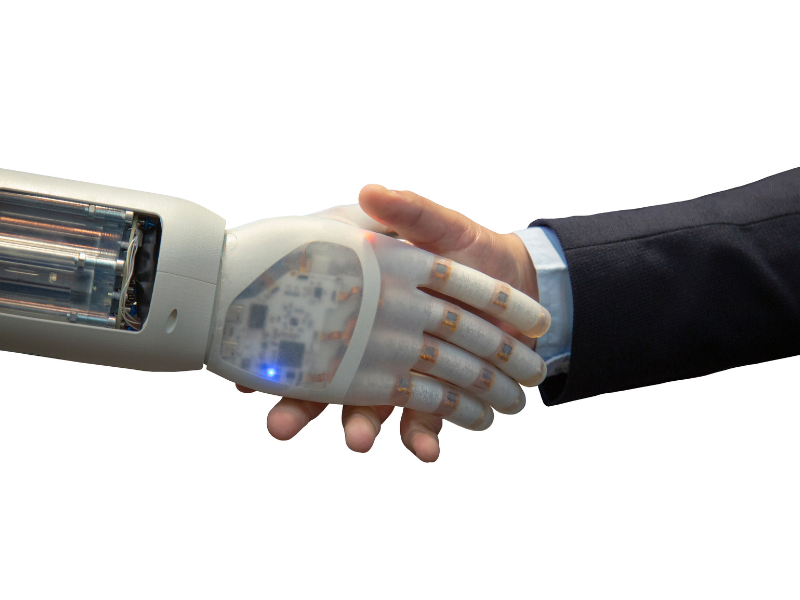
Автономное обслуживание клиентов - это модель поддержки, при которой системы искусственного интеллекта самостоятельно обрабатывают запросы клиентов, начиная с понимания проблемы и заканчивая ее решением.
В отличие от традиционной автоматизации, она не ограничивается ответами на вопросы. Она может выполнять действия во всех бизнес-системах.
В основе автономного обслуживания клиентов лежат три важнейших направления:
1. Понимает намерения, а не только ключевые слова Традиционные системы подбирают точные фразы (“отследить мой заказ”). Автономный сервис интерпретирует смысл в разных вариациях: “Где моя посылка?”, “Я еще не получил свой заказ”, “Статус доставки?” - все они понимаются как один и тот же запрос - отслеживание заказа.
Это важно, потому что клиенты не следуют сценариям. Обработка естественного языка позволяет улавливать вариации реального мира, уменьшая трение и количество неудачных взаимодействий.
2. Принимает решения с учетом контекста Система не просто следует правилам "если - то". Она оценивает:
- История клиентов (первый покупатель или повторный покупатель)
- Статус счета (оплаченный или неоплаченный счет)
- Детали транзакции (стоимость заказа, способ доставки)
- Бизнес-политики (право на возврат средств, соглашения об уровне обслуживания)
Пример: Запрос на возврат $30 от постоянного клиента с 50+ прошлыми заказами одобряется мгновенно. Аналогичный запрос от нового аккаунта с подозрительной активностью вызывает проверку на предмет мошенничества и передается специалисту.
3. Выполняет действия в бизнес-системах Автономный сервис не ограничивается предоставлением информации - он выполняет задачу:
- Проверяет статус заказа в вашей системе выполнения заказов
- Получение номера отслеживания из API доставки
- Отправка подтверждения по выбранному клиентом каналу (электронная почта, SMS, уведомление в приложении)
- Ведет журнал взаимодействия для аналитики
- Обновление CRM с информацией о решении проблемы
Реалистичный пример:
Традиционный подход к созданию чатботов:
- Клиент: “Где мой заказ?”
- Бот: “Ваш заказ #12345 был отправлен 15 января. Вот ваша ссылка для отслеживания: [URL]”
- Клиент переходит по ссылке, видит надпись “Доставка отложена”.”
- Клиент возвращается в чат: “Почему задерживается?”
- Бот: “У меня нет такой информации. Пожалуйста, свяжитесь со службой поддержки”.”
- Клиент ждет агента 20 минут
Автономный подход к обслуживанию:
- Клиент: “Где мой заказ?”
- Система проверяет заказ #12345, выявляет задержку доставки, получает обновленное ETA перевозчика
- Система отвечает: “Ваш заказ был отправлен 15 января и в настоящее время задерживается из-за погодных условий. Новая дата доставки: 22 января. Мы применили кредит $10 к вашему счету за причиненные неудобства. Отслеживание: [URL]”.”
- Дело решается за 30 секунд, агент не нужен
Разница: автономный сервис соединяет источники данных, выносит решение (применить кредит), выполняет действие и закрывает дело - от конца до конца.
Это отличается от базового чатбота, который часто отвечает ссылкой для отслеживания и на этом останавливается.
Ясность терминологии
- Намерение: Цель, стоящая за сообщением клиента (например, отслеживание заказа).
- Сквозное разрешение: Выполняйте запрос полностью, а не просто отвечайте на него информацией.
- Агент по работе с цифровыми клиентами: Агент на базе программного обеспечения, взаимодействующий как представитель службы поддержки.
Автономное обслуживание клиентов широко используется в современных контакт-центрах для обработки запросов первого уровня, таких как статус заказа, доступ к счету, вопросы по выставлению счетов и составлению расписания.
Как работает автономное обслуживание клиентов на высоком уровне

Автономное обслуживание клиентов происходит по четкой схеме. Технология сложна, но опыт прост.
- Поймите клиентаСистема интерпретирует данные, поступающие от клиентов в чате, по электронной почте или голосом.
Он использует обработку естественного языка (NLP) (технология, помогающая компьютерам понимать человеческий язык) для определения намерений и ключевых деталей:
“Мне нужно изменить адрес доставки” → намерение = обновить адрес. - Примите решение о следующем действииСистема проверяет правила, историю клиентов и контекст.
Он решает, может ли он решить проблему автоматически или должен эскалировать ее:
Изменение адреса перед отправкой → происходит автоматически.
Изменение адреса после отправки → переведите разговор на человека. - Выполнить заданиеСистема подключается к внутренним инструментам, таким как CRM, биллинг или управление заказами.
Он непосредственно выполняет действие, уведомляет клиента и подтверждает его завершение. - Учитесь и совершенствуйтесьРезультаты заносятся в журнал.
Успешные решения укрепляют будущие решения. Неудачные решения заставляют пересмотреть и скорректировать их.
Весь этот поток работает круглосуточно по всем каналам, без очередей и задержек.
[ez-toc]
Автономное обслуживание клиентов в сравнении с традиционными моделями поддержки

против чатботов
| Аспект | Чатботы | Автономное обслуживание клиентов |
|---|---|---|
| Главная роль | Вопросы для ответов | Решайте проблемы |
| Принятие решений | Ограниченный | Контекстно-ориентированный |
| Действия в бэкенде | Редкие | Стандарт |
| Сплошные задачи | Обычно не удается | Основные возможности |
| Опыт клиентов | Фрагментированный | Полный |
Чат-боты хороши для ответов на часто задаваемые вопросы. С реальными задачами они справляются с трудом.
Автономные системы предназначены для завершения работы.
vs IVR и базовая автоматизация
Системы IVR полагаются на меню.
“Нажмите 1 для выставления счета. Нажмите 2 для поддержки”.”
Автономное обслуживание клиентов основано на намерениях.
Клиенты говорят естественно. Система адаптируется.
Ключевые отличия:
- Меню и беседа
- Фиксированные потоки против гибких путей
- Высокое трение против низкого трения
против человеческих агентов
Автономные системы не должны полностью заменять человека.
Практическое разделение:
Ключевые преимущества автономного обслуживания клиентов
Преимущества для клиентов
- Быстрые решения с нулевым временем ожидания.
- Последовательные ответы по всем каналам.
- Поддержка 24/7 без ограничений по часовым поясам.
- Меньше передач и повторных объяснений.
Преимущества для команд поддержки
- Снижение нагрузки от повторяющихся тикетов.
- Больше времени на сложные и значимые дела.
- Снижение уровня выгорания и текучести кадров.
- Очистите эскалации с полным контекстом.
Преимущества для бизнеса
- Снижение стоимости одного взаимодействия в масштабе.
- Легче справляться со скачками спроса.
- Повышение CSAT за счет более быстрого решения проблем.
- Улучшение оперативной видимости благодаря структурированным данным.
Общие примеры использования автономного обслуживания клиентов

Автономное обслуживание клиентов лучше всего работает при больших объемах повторяющихся сценариев:
- Отслеживание заказов и обновление информации о доставке.
- Сброс пароля и доступ к учетной записи.
- Планирование и перенос назначений.
- Запросы по счетам и разъяснения по счетам.
- Изменения и отмена подписки.
- Проверка и обработка заявок на возврат средств.
- Объяснение политики на основе контекста клиента.
Технологии, лежащие в основе автономного обслуживания клиентов (простое объяснение)

- НЛП: Понимает язык и намерения клиентов.
- Машинное обучение: Улучшение решений с течением времени.
- Оркестровка рабочих процессов: Соединяет действия в разных системах.
- Анализ настроения: Обнаруживает разочарование или срочность.
- Системные интеграции: Обеспечивает реальные действия, а не просто ответы.
Когда автономное обслуживание клиентов имеет смысл (и когда не имеет)

Хорошо подходит, когда:
- Запросы повторяются и предсказуемы.
- Существуют четкие правила для разрешения ситуации.
- Объем продаж высок и продолжает расти.
- Скорость важнее глубокой эмпатии.
Не подходит, когда:
- Дела эмоционально чувствительны.
- Принятие решений требует человеческих суждений.
- Данные неполные или ненадежные.
- Процессы неясны или не документированы.
Лучшая практика: начните с малого, докажите свою ценность, а затем расширяйтесь, используя человеческий резерв.
Учет вопросов безопасности, конфиденциальности и соответствия нормативным требованиям
- Доступ к данным о клиентах на основе ролей.
- Контрольные журналы для автоматизированных действий.
- Соответствие требованиям GDPR и отраслевым нормам.
- Четкие пути эскалации для сложных случаев.
Доверие исходит от управления, а не только от технологий.
Будущее автономного обслуживания клиентов

Автономное обслуживание клиентов станет более проактивным.
Системы будут предвидеть проблемы, а не просто реагировать на них.
Ожидайте:
- Лучшее понимание контекста по всем каналам.
- Более разумная эскалация к людям.
- Более глубокая интеграция в рабочие процессы.
Не волшебство. Просто лучшее исполнение.
Часто задаваемые вопросы

Какие проблемы лучше всего решает автономная служба поддержки клиентов?
Он отлично справляется с большими объемами повторяющихся запросов уровня 1, где скорость и последовательность имеют большее значение, чем человеческая оценка.
Является ли автономное обслуживание клиентов тем же самым, что и чат-боты с искусственным интеллектом?
Нет. Чатботы отвечают. Автономные системы решают проблему, предпринимая действия в рамках одной системы.
Сможет ли автономное обслуживание клиентов полностью заменить человеческих агентов?
Нет. Это снижает объем работы, но в сложных, эмоциональных или неоднозначных случаях все равно полагается на человека.
Сколько времени требуется, чтобы увидеть ценность?
Большинство команд видят ощутимый эффект уже через несколько месяцев, когда они сосредотачиваются на четких сценариях использования.
Безопасны ли данные клиентов при использовании автономных систем?
Да, при наличии надлежащего контроля доступа, мониторинга и соблюдения норм.
Заключение и CTA

Автономное обслуживание клиентов - это не устранение людей. Речь идет об устранении трения.
Если вы оцениваете этот вариант, начните с выявления повторяющихся задач поддержки, документирования четких правил и разработки гибридной модели, которая будет знать, когда нужно эскалировать.
Цель проста: более быстрое обслуживание, более счастливые клиенты и команды поддержки, которые могут сосредоточиться на главном.
Часто задаваемые вопросы

Что такое автономное обслуживание клиентов?
Автономное обслуживание клиентов - это решение на основе искусственного интеллекта, предназначенное для обработки запросов клиентов без участия человека. Оно использует такие технологии, как обработка естественного языка (NLP) и машинное обучение, чтобы интерпретировать намерения, выполнять действия и улучшать их с течением времени.
Чем автономное обслуживание клиентов отличается от традиционных чат-ботов?
В отличие от традиционных чат-ботов, ограниченных заранее заданными сценариями, автономная служба поддержки клиентов может понимать контекст, обрабатывать сложные рабочие процессы и выполнять задачи от начала до конца. Она обеспечивает большую персонализацию и беспрепятственно работает по нескольким каналам.
Каковы преимущества автономного обслуживания клиентов для бизнеса?
Автономное обслуживание клиентов сокращает расходы, повышает масштабируемость и эффективность за счет решения повторяющихся задач. Это также повышает удовлетворенность клиентов за счет более быстрого реагирования и позволяет сотрудникам сосредоточиться на сложных, ценностно-ориентированных взаимодействиях.
Может ли автономная служба поддержки клиентов помочь с многоязычными запросами?
Да, автономная служба поддержки клиентов использует передовые модели NLP для обработки и ответа на нескольких языках, что делает ее эффективной для глобальных клиентских баз.
Каковы примеры использования автономного обслуживания клиентов?
Среди распространенных вариантов использования - решение часто задаваемых вопросов, обработка возвратов, назначение встреч, выполнение задач, связанных с соблюдением нормативных требований, и сбор отзывов клиентов с помощью анализа настроений.
Насколько безопасно автономное обслуживание клиентов?
Автономные агенты придерживаются строгих правил безопасности, таких как GDPR, HIPAA и PCI DSS. Такие функции, как передача данных в зашифрованном виде, журналы аудита и ролевой доступ, обеспечивают надежные меры безопасности.
Подходит ли автономное обслуживание клиентов для всех типов бизнеса?
Она лучше всего подходит для предприятий с большим объемом повторяющихся запросов или для тех, кому требуется круглосуточная поддержка. Однако в деликатных или сложных случаях может потребоваться участие человека.
Сколько времени требуется для внедрения решения по автономному обслуживанию клиентов?
Внедрение обычно занимает 6-12 недель, в зависимости от сложности рабочих процессов и системных интеграций. Предварительно подготовленные решения могут ускорить процесс.
Заменит ли автономное обслуживание клиентов человеческих агентов?
Нет, автономная служба поддержки клиентов дополняет человеческих агентов, беря на себя рутинные задачи, позволяя сотрудникам сосредоточиться на более стратегических или эмоционально чувствительных запросах. Вместе они образуют гибридный подход для оптимальной поддержки.
Читать далее:
- Типы центров обработки исходящих вызовов Преимущества и руководство по настройке
- Значение VoIP в азартных играх Преимущества Проблемы и Top Tools
- Упрощение международных исходящих звонков для игр Сегодня
Подробнее Оптимизация операций и CX
Смотреть все →
Трансформация клиентского опыта: концептуальная основа и этапы
Клиент телекоммуникационной компании звонит в службу поддержки по поводу ошибки при выставлении счета. Он объясняет проблему системе IVR. Затем первому агенту. Затем их переводят и снова объясняют. Затем их перевели и объяснили в третий раз. Через сорок минут они выдохлись, а проблема так и не была решена. Вот как выглядит некачественное обслуживание клиентов. И это стоит вам клиентов. Клиентский опыт...


Значение термина «Web Caller»: вызывающая сторона в JavaScript, инструменты или порталы для совершения вызовов
“Web caller” — это одно из тех выражений, при поиске которых результаты и запрос часто не совпадают. Им пользуются три не связанные между собой группы пользователей: разработчики, сталкивающиеся с ошибкой, связанной с устаревшим свойством caller в JavaScript; покупатели, оценивающие программное обеспечение для звонков через браузер; а также люди, пытающиеся перейти на конкретный портал или страницу с учебными материалами, точное название которых они не могут вспомнить. Такая фрагментация….

Стратегия клиентского опыта: как разработать эффективную стратегию
Качество обслуживания клиентов ухудшается, а не улучшается. Согласно данным «Глобального индекса клиентского опыта» (Global CX Index) компании Forrester за 2025 год, качество клиентского опыта у 21% брендов ухудшилось, тогда как улучшилось лишь у 6% — при этом в США показатели ухудшились у 25% брендов, а улучшились — у 7%, и такая тенденция наблюдается уже второй год подряд. Большинство этих брендов не пренебрегали качеством обслуживания клиентов. Они работали над этим, но без четкой стратегии...


 English
  Russian
  Chinese