
Команды поддержки клиентов с каждым годом обрабатывают все больше заявок, но бюджеты растут не так быстро. Традиционные чат-боты отклоняют простые вопросы, но большинство проблем клиентов требуют реальных действий - возврата средств, изменения учетной записи или восстановления доступа. Когда чат-боты не могут выполнить эти задачи, клиенты ждут человеческих агентов, и время решения проблемы остается высоким.
Агентный ИИ работает по-другому. Он не просто отвечает на вопросы - он выполняет задачи. Он может проверять соответствие требованиям, обновлять записи, запускать рабочие процессы и подтверждать результаты без вмешательства человека. Думайте о нем как о цифровом агенте поддержки, который может планировать и действовать, а не просто отвечать.
В этом руководстве объясняется, что значит агентский ИИ для службы поддержки клиентов, чем он отличается от традиционных чат-ботов и где он дает ощутимый эффект для бизнеса.
Основные выводы
- Агентный ИИ решает проблемы, а не просто отвечает на вопросы. Он может обрабатывать возвраты, восстанавливать счета и обновлять записи - задачи, которые традиционные чат-боты перекладывают на людей.
- Он действует автономно в рамках установленных правил. Система планирует многоэтапные действия, предоставляет доступ к бизнес-инструментам и завершает рабочие процессы, не требуя утверждения каждого решения.
- Предприятия используют его для повышения показателей эффективности. Общие результаты включают сокращение количества нерассмотренных заявок на 30-40%, повышение качества решения проблемы при первом обращении на 15-20% и сокращение среднего времени обработки заявок.
- Она дополняет человеческие агенты, а не заменяет их. ИИ справляется с повторяющимися задачами, в то время как люди сосредотачиваются на сложных случаях, требующих суждения, сопереживания или обработки исключений.
Что такое агентский ИИ в службе поддержки клиентов?
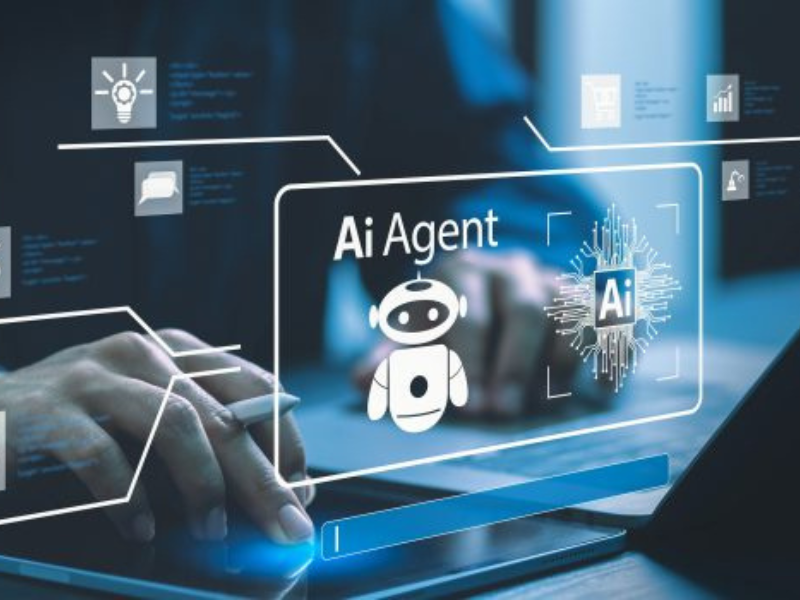
Агентский ИИ в сфере поддержки клиентов относится к системам ИИ, которые автономно предпринимают действия для решения проблем клиентов. Термин “агентский” происходит от “agency” - способность самостоятельно принимать решения и выполнять задачи для достижения определенной цели.
Ключевое отличие: возможность исполнения. Традиционные чат-боты предоставляют информацию. Агентный ИИ выполняет действия. Когда клиент запрашивает возврат денег, чатбот объясняет ему правила. Система агентского искусственного интеллекта проверяет право на возврат, обрабатывает возврат в вашей биллинговой системе, отправляет подтверждение и закрывает дело - все это без участия человека.
Агентная система поддержки ИИ работает за счет пяти основных возможностей:
- Понимание намерений клиента в ходе многооборотных бесед. Когда покупатель спрашивает “Я все еще не получил его”, он понимает, что под “ним” подразумевается возврат денег, упомянутый тремя сообщениями ранее.
- Извлекайте контекст из интегрированных систем. Прежде чем ответить, он проверяет записи CRM, историю заказов, прошлые тикеты и состояние счета, чтобы понять всю ситуацию.
- Определите подходящий путь решения. На основе политик и контекста он определяет, следует ли обрабатывать данные автоматически, передать их на рассмотрение человеку или запросить дополнительную проверку.
- Выполнение действий в бизнес-системах. Он может обновить настройки учетной записи в панели администратора, инициировать возврат средств в платежном процессоре или создать последующие задания в системе тикетов.
- Проверьте результаты и подтвердите их с клиентами. После выполнения действий он проверяет успех (возврат средств обработан, счет обновлен) и предоставляет четкое подтверждение с номерами ссылок.
Это переход от реактивной поддержки к поддержке, ориентированной на результат. Вместо того чтобы передавать выполнение каждой задачи человеку, агент ИИ ведет себя как младший агент поддержки, работающий внутри ваших инструментов.
Для управления клиентским опытом это означает более быстрое решение проблем и меньшее количество переданных дел. ИИ-агенты становятся частью повседневной работы, а не просто фильтром на передней линии.
Чем агентский ИИ отличается от традиционных чат-ботов
Традиционные чат-боты основаны на правилах или намерениях. Они сопоставляют вводимые данные с заранее определенными ответами. Если запрос выходит за рамки этих правил, они переходят в режим эскалации.
Агентный ИИ работает по-другому.
Ключевые отличия:
- Традиционные чатботы отвечать на сообщения; агентурный ИИ решает проблемы.
- Традиционные чатботы следуйте сценариям; агентурный ИИ динамически планирует действия.
- Традиционные чатботы полагаются на людей при выполнении; агентурный ИИ использует инструменты напрямую.
Пример:
Чатбот может объяснить политику возврата средств. Агентский ИИ может проверить право на возврат, запустить возврат в биллинговой системе, уведомить клиента и закрыть дело.
Для предприятий это напрямую влияет на скорость решения проблем, среднее время обработки и удовлетворенность клиентов.
Как агентский ИИ работает в среде поддержки клиентов
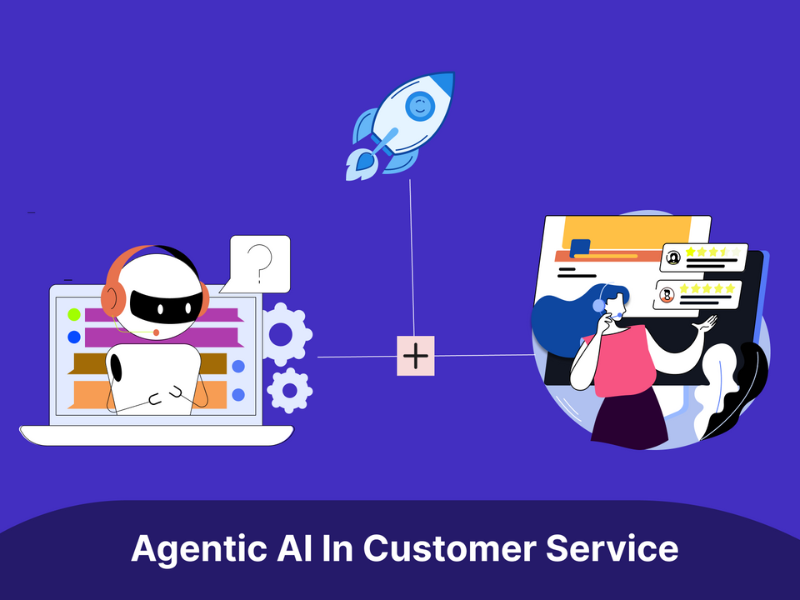
Агентский искусственный интеллект следует структурированному процессу решения проблем. Каждое взаимодействие с клиентом проходит шесть этапов работы:
1. Поймите намерение ИИ анализирует запрос клиента по всем сообщениям в разговоре. Если клиент говорит “Мне нужна помощь с моим аккаунтом”, а затем “Он снова заблокирован”, система распознает, что “он” относится к упомянутому ранее аккаунту, и поймет, что речь идет именно о доступе к аккаунту, а не об общих запросах.
2. Соберите контекст Прежде чем приступить к действиям, система получает соответствующую информацию из интегрированных систем: статус учетной записи из CRM, историю последних заказов из платформы электронной коммерции, предыдущие заявки в службу поддержки и применимые политики. Этот контекст определяет подходящий ответ.
3. Планируйте шаги по разрешению проблемы На основе собранного контекста ИИ составляет план необходимых действий. Для блокировки учетной записи план может включать: проверку личности → проверку причины блокировки → определение безопасности автоматической разблокировки → выполнение разблокировки → подтверждение восстановления доступа.
4. Выполнение в разных системах ИИ выполняет запланированные действия с помощью прямых интеграций. Он может обновить статус учетной записи в панели администратора, отправить письмо о сбросе пароля через ваш почтовый сервис, зарегистрировать взаимодействие в вашей системе тикетов и запустить все необходимые уведомления.
5. Подтвердить результат После выполнения система подтверждает успех. Учетная запись разблокирована? Успешно ли клиент вошел в систему? Если проверка не удалась, ИИ либо повторяет попытку с другим подходом, либо передает ее на рассмотрение человеку.
6. Учитесь на результатах Информация о завершенных взаимодействиях поступает в базу знаний системы. Если клиенты часто задают повторные вопросы после определенного типа решения, ИИ корректирует будущие ответы, чтобы проактивно отвечать на эти вопросы.
Этот цикл позволяет оказывать помощь в режиме реального времени, сохраняя при этом контроль над ситуацией.
Основные компоненты системы агентской поддержки
- Агент искусственного интеллекта: Уровень принятия решений, который планирует и действует.
- Слой знаний: Данные о продукции, политике и истории.
- Интеграция инструментов: CRM, продажа билетов, биллинг и внутренние системы.
- Механизмы управления: Правила эскалации, утверждения и безопасности.
Ключевые проблемы в сфере поддержки клиентов, которые решает агентский ИИ

1. Рост количества билетов
Команды поддержки сталкиваются с проблемой пропускной способности: если агенты решают 40 заявок в день, а поступает 50, то отставание увеличивается на 10 заявок в день. В течение месяца это уже 300 нерешенных дел. Традиционные решения - наем дополнительных агентов - требуют 4-8 недель на подбор и обучение.
Агентский искусственный интеллект решает эту проблему путем автоматического решения повторяющихся вопросов. Согласно отраслевым данным, 30-40% обращений в службу поддержки относятся к предсказуемым категориям: сброс пароля, проверка учетной записи, проверка статуса заказа или основные вопросы политики. Автоматически решая эти вопросы, ИИ предотвращает накопление отставания без увеличения численности персонала.
Пример: Служба подписки ежедневно получает 500 заявок. До внедрения ИИ команда решала 450 заявок в день, создавая ежедневный бэклог в 50 заявок. После внедрения агентского ИИ для решения проблем, связанных с учетными записями (объем 40%), ИИ автоматически обрабатывает 200 заявок. Теперь команда решает 450 + 200 = 650 случаев в день, устраняя отставание и улучшая время отклика.
2. Низкий уровень разрешения первого контакта (FCR)
FCR измеряет, удается ли решить проблему при первом взаимодействии без повторных обращений. Отраслевые показатели варьируются в диапазоне 65-75%, что означает, что 25-35% клиентов должны обращаться в службу поддержки несколько раз по одной и той же проблеме.
Традиционные чат-боты способствуют низкому показателю FCR, поскольку они не решают проблемы, а отклоняют их. Они отвечают на вопросы, но не могут выполнять задания, заставляя клиентов ждать человеческих агентов. Каждый дополнительный контакт увеличивает усилия клиентов и операционные расходы.
Агентский искусственный интеллект улучшает FCR, выполняя весь рабочий процесс при первом взаимодействии. Когда клиент запрашивает возврат, ИИ проверяет право на возврат, обрабатывает платеж и подтверждает его - и все это без создания тикета для последующей обработки человеком.
Влияние на бизнес: Повышение FCR с 70% до 80% означает сокращение числа повторных обращений на 10%. Для команды, обрабатывающей 10 000 заявок в месяц, это 1 000 предотвращенных повторных обращений. При затратах 10 минут на одно взаимодействие и стоимости труда $20/час это позволяет сэкономить $3 333 в месяц или $40 000 в год.
3. Непостоянное качество поддержки
Качество обслуживания агентов зависит от опыта, подготовки, объема работы и индивидуальных суждений. Новые агенты могут неверно истолковывать правила. Уставшие агенты в часы пик допускают ошибки. Разные агенты дают разные ответы на одинаковые вопросы.
Такая несогласованность создает риск соответствия нормативным требованиям в регулируемых отраслях и подрывает доверие клиентов, когда ответы противоречат друг другу.
Агентный ИИ последовательно применяет стандартную логику. Он следует одному и тому же дереву принятия решений, ссылается на текущие политики и выполняет идентичные процессы в схожих ситуациях. Независимо от того, обрабатывается ли первый билет за день или тысячный, качество ответа остается неизменным.
Пример: В политике компании по возврату денег указано: “Возможен в течение 30 дней с момента покупки”. Человеческие агенты могут интерпретировать это по-разному: одни считают от даты заказа, другие - от даты доставки. Агентский ИИ последовательно применяет запрограммированное определение, устраняя разночтения.
4. Высокие затраты на поддержку
Операции поддержки стоят в среднем $15-25 за час работы агента (зарплата, льготы, обучение, накладные расходы). Время, затрачиваемое агентами на выполнение рутинных, повторяющихся задач, представляет собой дорогостоящее использование квалифицированной рабочей силы.
Традиционные подходы к сокращению расходов - аутсорсинг или снижение уровня обслуживания - часто снижают удовлетворенность клиентов. Агентный ИИ предлагает другой путь: автоматизировать рутинные задачи, сохраняя или повышая качество обслуживания.
Сравнение структуры затрат:
- Человеческий агент: $20/час, обрабатывает 5-6 билетов/час → $3.33-$4.00 за билет
- Агентный искусственный интеллект: $0,10-0,50 за автоматическое разрешение (стоимость API + плата за платформу)
Реалистичное развертывание: Не каждый билет может быть автоматизирован. Практические внедрения достигают уровня автоматизации 30-40%, снижая общие затраты на поддержку на 20-30%, при этом перераспределяя человеческих агентов на работу с высокой ценностью, такую как устранение сложных неисправностей, поддержка продаж или удержания звонков.
5. Ограниченная персонализация в масштабе
Клиенты ожидают персонализированного обслуживания - агентов, которые помнят прошлые проблемы, понимают контекст счета и не запрашивают уже предоставленную информацию. Агенты, работающие вручную, с трудом справляются с этой задачей, потому что:
- Ежедневно они обслуживают 30-50 клиентов, и запомнить детали всех счетов просто невозможно.
- Контекстное переключение между билетами означает, что каждое взаимодействие с клиентом начинается заново
- CRM-системы содержат соответствующие данные, но у агентов нет времени на просмотр всей истории во время живых разговоров
Агентский искусственный интеллект мгновенно получает доступ к полному контексту клиента. Прежде чем ответить, он просматривает историю покупок, прошлые взаимодействия со службой поддержки, предпочтения учетной записи, статус подписки и любые важные заметки. Это происходит за миллисекунды, что позволяет создавать действительно персонализированные ответы в масштабах компании.
Пример: Клиент обращается в службу поддержки по вопросу выставления счета. Агент-человек видит текущий билет. Агент искусственного интеллекта видит: 3-летний клиент, ранее аналогичный вопрос с выставлением счетов был решен в 2023 году, подписчик премиум-плана, совершил 47 покупок на общую сумму $8,400, обычно обращается в службу поддержки 2-3 раза в год. Этот контекст формирует ответ - соответствующее отношение к лояльному высокоценному клиенту, а не применение общей политики.
Преимущества агентского ИИ для команд поддержки клиентов
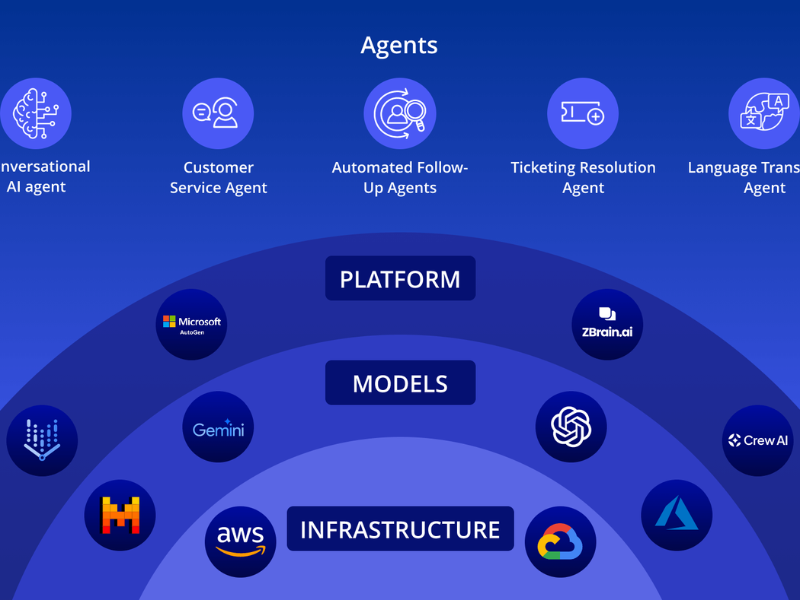
1. Повышение операционной эффективности
Агентский ИИ справляется с большим объемом повторяющихся задач без ограничений по производительности. В то время как человеческие агенты выполняют 5-6 заявок в час (ограниченные скоростью набора текста, временем исследования и переключением контекста), системы ИИ обрабатывают рутинные запросы за считанные секунды.
Практическое воздействие: Команда поддержки из 50 агентов, ежедневно обрабатывающая 400 заявок, работает почти в полную силу. Внедрение искусственного интеллекта для автоматического решения 30% заявок (120 в день) высвобождает примерно 20-24 часа работы агентов ежедневно. Этот потенциал может помочь в расширении штата, сокращении сверхурочной работы или позволит агентам сосредоточиться на деятельности, приносящей доход, например на повышении продаж или удержании клиентов.
Там, где эффективность имеет наибольшее значение: Сброс пароля, отслеживание заказов, проверка учетной записи, вопросы по политике, простой возврат денег - высокочастотные, несложные задачи, которые отнимают много времени у агента, хотя требуют минимальных решений.
2. Улучшение показателей клиентского опыта
Более быстрое решение проблем напрямую влияет на удовлетворенность клиентов. Отраслевые исследования показывают, что клиенты оценивают работу службы поддержки значительно выше, если проблемы решаются при первом взаимодействии, без ожидания обратного звонка или последующих писем.
Измеримые улучшения:
- Время отклика: ИИ реагирует мгновенно по сравнению с 2-15-минутным ожиданием в очереди
- Время разрешения: Обычные проблемы решаются менее чем за 2 минуты по сравнению с 10-20 минутами при передаче человеком.
- Разрешение первого контакта: Обычно улучшается на 15-20 процентных пунктов
- Оценка усилий клиента: Снижается, поскольку клиенты избегают повторных контактов
Важное предостережение: Эти льготы распространяются на обычные вопросы. Сложные проблемы по-прежнему требуют человеческого мнения. Цель состоит в том, чтобы решать простые запросы мгновенно, чтобы у агентов оставалось время на ситуации, требующие сопереживания, переговоров или творческого подхода к решению проблем.
3. Стратегическое перераспределение человеческих агентов
Главная ценность агентского ИИ заключается не в устранении агентов, а в их перенаправлении на более ценную работу. Когда ИИ выполняет рутинные задачи, агенты-люди сосредотачиваются на:
- Устранение сложных технических неполадок требующих глубокого знания продукта
- Эмоционально чувствительные ситуации например, споры о выставлении счетов или сбои в обслуживании
- Возможности продаж и удержания во время взаимодействия с поддержкой
- Обработка исключений для случаев, выходящих за рамки стандартной политики
- Работа с успешными клиентами для ценных клиентов
Пример: Компания SaaS использует искусственный интеллект для обработки 40% заявок первого уровня (вопросы по учетной записи, сброс пароля, базовые запросы по обучению). Теперь сотрудники компании тратят 60% времени на решение вопросов второго и третьего уровней и проактивную работу с клиентами. Удовлетворенность клиентов повысилась благодаря тому, что сложные вопросы сразу же попадают к опытным агентам, а не остаются в очереди за 50 простыми заявками.
4. Последовательное соблюдение и качество
Регулируемые отрасли (финансовые услуги, здравоохранение, телекоммуникации) требуют документированного соблюдения политик. Человеческая изменчивость создает риск соответствия - агенты могут забыть о требуемом раскрытии информации, применять политики непоследовательно или совершать ошибки под давлением времени.
Агентный искусственный интеллект обеспечивает соблюдение требований с помощью кода. Каждое взаимодействие происходит по запрограммированным правилам: включаются необходимые сведения, политики применяются последовательно, действия автоматически регистрируются в журнале аудита, а триггеры эскалации активируются, когда ситуация требует проверки человеком.
Снижение риска: Когда финансовая компания получает результаты проверки регулирующих органов, взаимодействие с искусственным интеллектом сопровождается полной документацией: какая информация была предоставлена, на какие политики ссылались, какие действия были предприняты, а также временные отметки для всего. Случаи, обрабатываемые человеком, часто содержат неполные записи или недостающие детали.
5. Масштабируемая поддержка без линейных затрат
Традиционное масштабирование поддержки происходит линейно: двукратный объем требует примерно двукратного количества агентов. Агентский ИИ ломает эту модель. После внедрения ИИ справляется с возросшим объемом с минимальными дополнительными затратами (в основном на использование API и вычисления).
Сравнение масштабов:
Традиционная модель:
- Текущий: 50 агентов, 10 000 билетов в месяц
- Сценарий роста: 20 000 билетов в месяц
- Требуется: ~100 агентов
- Дополнительные расходы: ~$600K-900K в год (зарплата, обучение, управление, накладные расходы)
Модель, дополненная искусственным интеллектом:
- В настоящее время: 50 агентов + AI (обработка 30% объема)
- Сценарий роста: 20 000 билетов в месяц
- ИИ теперь обрабатывает 6 000 билетов (30% нового объема)
- Необходимые человеческие агенты: ~70 (не 100)
- Дополнительные расходы: ~$240K-360K (агенты) + $20K-40K (увеличение использования ИИ) = $260K-400K всего
- Экономия: $340K-500K в год
Эта математика улучшается по мере того, как ИИ со временем обрабатывает все больший процент объема.
Преимущества для клиентов по сравнению со службой поддержки
Клиенты
- Получайте более быстрые и точные разрешения.
- Избегайте повторения информации.
- Получайте последовательное обслуживание по всем каналам.
Команды поддержки
- Обрабатывайте меньше повторяющихся заявок.
- Уделяйте больше времени значимой работе.
- Уменьшение выгорания и переключения контекста.
Топ-7 реальных примеров использования агентского ИИ в службе поддержки клиентов
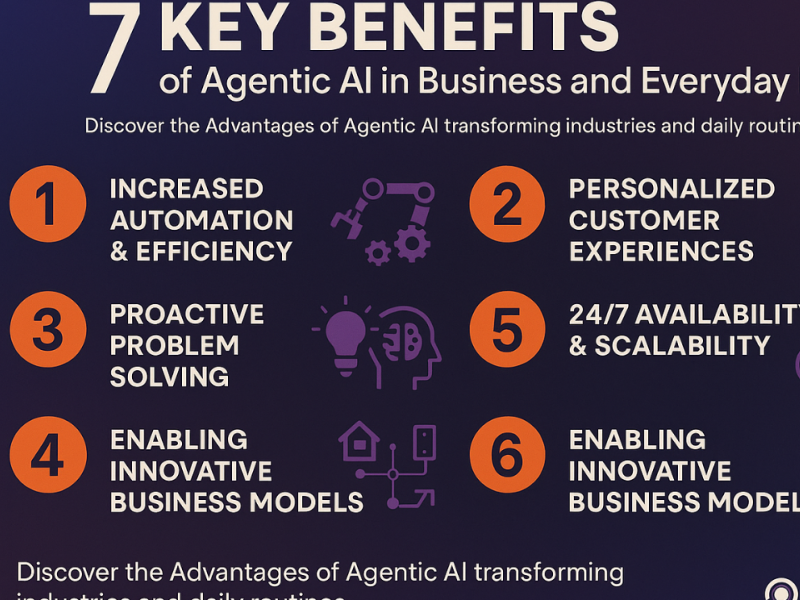
1. Автоматизированное возмещение и возврат
Агентский искусственный интеллект проверяет соответствие требованиям, обрабатывает возвраты, обновляет системы и уведомляет клиентов.
Воздействие: Быстрое разрешение и снижение затрат на обработку.
2. Доступ к учетной записи и восстановление пароля
ИИ проверяет личность и выполняет сброс доступа без эскалации.
Воздействие: Сокращение количества билетов и времени ожидания в службе безопасности.
3. Изменения и аннулирование подписки
ИИ управляет обновлениями, понижениями и отменами тарифных планов от начала до конца.
Воздействие: Меньше контактов и ошибок, связанных с отбоем.
4. Проактивное решение проблем
Система обнаруживает проблемы до того, как клиенты сообщают о них, и принимает меры.
Воздействие: Снижение объема входящих и повышение доверия.
5. Управление заказами и поставками
ИИ отслеживает заказы, обновляет информацию о доставке и устраняет задержки.
Воздействие: Улучшенный опыт после покупки.
6. Помощь внутреннему агенту
Агенты искусственного интеллекта выполняют все действия на заднем плане, а люди занимаются разговорами.
Воздействие: Сокращение времени обработки и повышение производительности агентов.
7. Решение многоканальных дел
ИИ поддерживает контекст в чате, электронной почте и голосовых сообщениях.
Воздействие: Бесшовные путешествия клиентов.
Агентский ИИ против традиционного обслуживания клиентов на основе ИИ
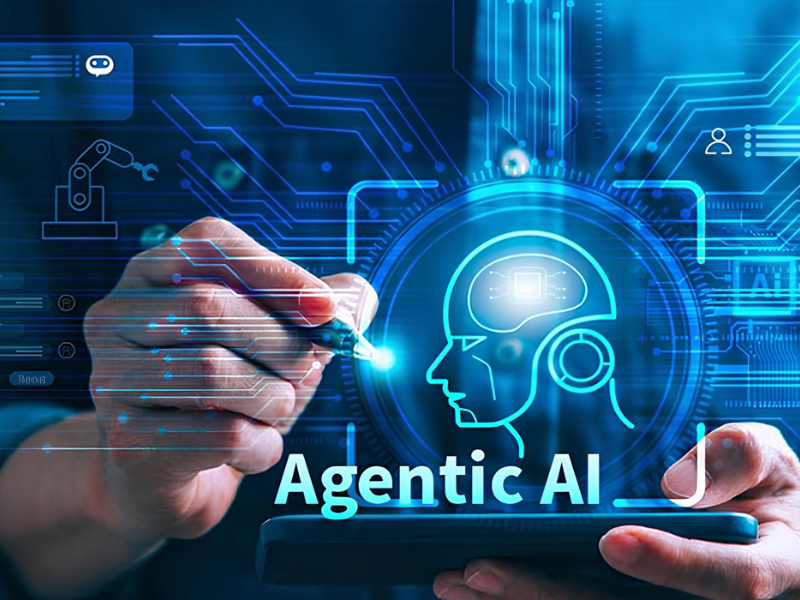
| Аспект | Традиционный искусственный интеллект | Агентный искусственный интеллект |
|---|---|---|
| Основная роль | Вопросы для ответов | Решайте проблемы |
| Автономия | Низкий | Высокий |
| Использование инструментов | Ограниченный | Прямой |
| Зависимость от человека | Частые | Selective |
| Влияние на бизнес | Прогиб | Разрешение |
Чего стоит ожидать компаниям при внедрении агентского ИИ
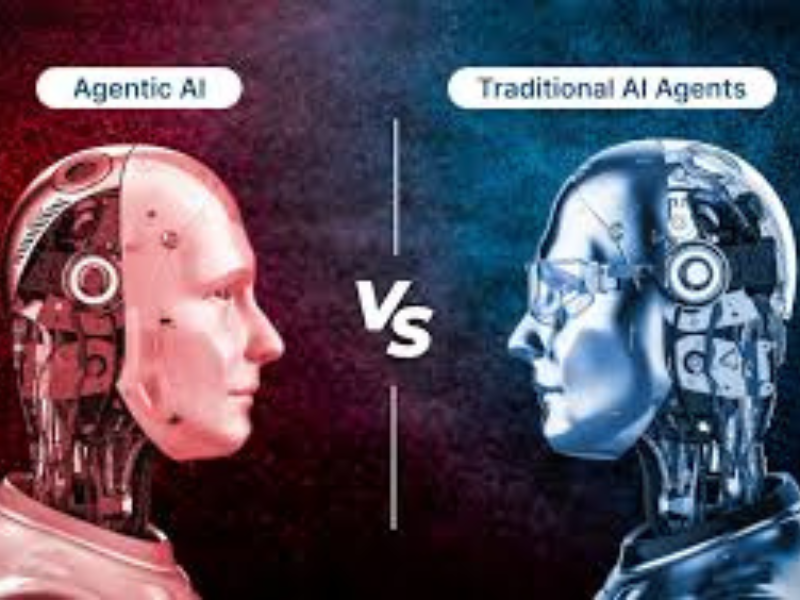
В краткосрочной перспективе предприятиям следует ожидать постепенного эффекта. Первые успехи можно получить за счет автоматизации узких, четко определенных рабочих процессов, таких как возврат средств или проблемы с доступом.
Интеграция требует усилий. Агентский искусственный интеллект должен быть хорошо связан с существующими системами. Некачественные данные ограничивают результаты.
Модели "человек в контуре" имеют значение. Чувствительные случаи требуют путей утверждения и правил эскалации.
Риски существуют:
- Чрезмерная автоматизация может навредить доверию.
- Доступ к данным должен быть регулируемым.
- Правила соответствия должны соблюдаться последовательно.
По данным консалтинговых компаний, наилучших результатов добиваются те компании, которые начинают с целенаправленных пилотных проектов. Широкое, неконтролируемое внедрение часто оказывается неудачным.
Отрасли, внедряющие агентский ИИ для поддержки клиентов

- SaaS: Автоматизация управления подпиской и технической поддержкой.
- Розничная торговля: Возвраты, проблемы с заказами и обновлениями доставки.
- Финансовые услуги: Обслуживание счетов со строгим контролем.
- Здравоохранение: Расписание и запросы пациентов с гарантиями.
Будущее поддержки клиентов с помощью агентского искусственного интеллекта

Поддержка клиентов переходит от реактивного обслуживания к проактивному решению проблем. Агентский ИИ будет заниматься большинством рутинных процессов, а люди сосредоточатся на доверии, сопереживании и исключениях.
Роли службы поддержки будут меняться. Меньше ручных задач. Больше надзора и решения проблем.
Предприятия, которые внедряют систему на ранних этапах, добиваются эффективности и последовательности. Те, кто медлит, будут бороться за масштабирование без роста затрат.
Часто задаваемые вопросы о службе поддержки Agentic AI
Является ли агентный ИИ тем же самым, что и чатбот?
Нет. Чат-боты отвечают на вопросы. Агентский ИИ выполняет задания и решает проблемы до конца.
Безопасен ли агентский ИИ для данных клиентов?
Это возможно, если правильно реализовать контроль доступа, утверждения и мониторинг.
Может ли малый бизнес использовать агентский ИИ?
Да. Многие начинают с ограниченных вариантов использования, таких как возврат денег или составление расписания.
Заменит ли агентный ИИ человеческих агентов?
Нет. Она уменьшает количество повторяющейся работы и поддерживает человека, а не заменяет его.
Заключение / CTA

Агентский искусственный интеллект в поддержке клиентов сочетает в себе автоматизацию, персонализацию и эффективность так, как не могут традиционные системы. Он переводит поддержку с ответа на ответ на решение проблемы.
Для большинства компаний самым разумным путем является целенаправленное внедрение. Начните с малого. Докажите ценность. Осторожно расширяйтесь.
Если компания bạn изучает возможности масштабирования поддержки без ущерба для опыта, агентский ИИ больше не является экспериментальным. Он становится практическим инструментом, который стоит опробовать уже сейчас.
Вопросы и ответы

Что такое агентский ИИ в службе поддержки клиентов?
Агентный ИИ в сфере поддержки клиентов относится к интеллектуальным системам, способным автономно принимать решения, выполнять задачи и решать проблемы. В отличие от традиционного ИИ, он действует проактивно для решения проблем, предлагая персонализированный и эффективный клиентский опыт.
Чем агентский ИИ отличается от традиционных чат-ботов?
Агентный ИИ отличается от чат-ботов тем, что выходит за рамки заранее заданных сценариев. Он автономно планирует и выполняет действия, интегрирует системы и решает сложные вопросы, в то время как традиционные чат-боты часто дают статичные ответы, основанные на правилах.
Каковы основные преимущества агентского ИИ для служб поддержки клиентов?
Агентский ИИ повышает эффективность, сокращает время отклика и обеспечивает персонализацию в масштабах компании. Он также повышает производительность труда сотрудников за счет автоматизации рутинных задач, позволяя агентам сосредоточиться на сложных, высокоценных взаимодействиях.
Как агентский ИИ персонализирует поддержку клиентов?
Агентский искусственный интеллект использует данные в режиме реального времени для предоставления персонализированных решений. Он анализирует историю и поведение клиентов и разрабатывает индивидуальные ответы и рекомендации, улучшая процесс обслуживания клиентов.
Какие распространенные проблемы в сфере поддержки клиентов решает агентский ИИ?
Агентский искусственный интеллект позволяет устранить отставание в обслуживании, длительное время ожидания, повторяющиеся запросы и непостоянный опыт клиентов. Он обеспечивает более быстрое решение проблем, проактивную помощь и улучшенную масштабируемость для команд поддержки.
Подходит ли агентский ИИ для малого и среднего бизнеса?
Да, агентский ИИ масштабируем и адаптируем для СМБ. Он помогает оптимизировать ресурсы, предлагает экономически эффективную автоматизацию и обеспечивает конкурентоспособный клиентский опыт даже в небольших командах.
В каких отраслях применяется агентский ИИ для поддержки клиентов?
Такие отрасли, как розничная торговля, здравоохранение, страхование и SaaS, используют агентский ИИ для повышения эффективности, персонализации взаимодействия с клиентами и оптимизации рабочих процессов.
Как агентный ИИ обеспечивает безопасность и соответствие нормативным требованиям?
Agentic AI придерживается строгих протоколов защиты данных. Он может контролировать системы на соответствие требованиям, автоматизировать отчетность перед регулирующими органами и обеспечивать конфиденциальность при взаимодействии с клиентами.
Читать далее:
- Эффективные стратегии масштабирования клиентов Легкая поддержка
- Расширенная маршрутизация вызовов: Как это работает и почему это нужно вашему бизнесу
- Что такое центр обработки вызовов? Простое руководство по их работе
Подробнее ИИ И QA
Смотреть все →
ИИ для обеспечения успеха клиентов: 10 реальных примеров применения, которые действительно работают
Еще никогда успех клиентов не был таким требовательным. Ваши команды обрабатывают горы данных, управляют многоканальными разговорами и встречаются с клиентами, которые ожидают мгновенных персонализированных ответов в каждой точке контакта. Звучит знакомо? Вот хорошая новость: ИИ для успешной работы с клиентами помогает командам грамотно масштабироваться, не теряя при этом человеческой связи, которая способствует лояльности. При правильном применении ИИ обнаруживает сигналы оттока за несколько недель до того, как клиенты исчезнут,...

10 лучших программных инструментов для сбора дебиторской задолженности (2026)
Финансовые отделы тратят 15-20 часов в неделю на борьбу с просроченными платежами. Ручные повторные запросы забываются, клиенты утверждают, что никогда не получали счета, а прогнозы движения денежных средств меняются еженедельно без объяснения причин. Программное обеспечение для сбора дебиторской задолженности устраняет этот хаос. Оно автоматизирует напоминания о платежах, отслеживает состояние каждого счета в режиме реального времени и дает финансовым службам полную картину поступления денежных средств без увеличения численности персонала и усложнения работы. Это руководство...

Программное обеспечение для разрешения первых звонков: быстрое улучшение FCR и CSAT
Для руководителей контакт-центров разрешение первого звонка (FCR) - это не просто еще одна метрика, а самый четкий показатель того, насколько эффективно работает ваш центр. Когда клиентам требуется несколько звонков для решения одной проблемы, они уходят. Когда агенты решают проблему полностью с первого раза, показатели удовлетворенности растут, а затраты снижаются. В этом руководстве объясняется, что определяет FCR в современных контакт-центрах, как первый звонок...

 English
  Russian
  Chinese