
Replacing a single call center agent costs between $4,000 and $14,000 in recruiting, training, and lost productivity. For a 100-agent operation running at 30% annual turnover, that’s $120,000 to $420,000 burned every year—before counting the impact on service quality and team morale.
The root cause isn’t compensation. It’s daily operational friction: rigid schedules that ignore life circumstances, micromanagement that kills autonomy, emotional exhaustion without recovery time, and recognition that only appears when metrics fail.
Call center employee engagement directly addresses these friction points. Engaged agents stay 87% longer, resolve escalations 31% more effectively, and consistently outperform on CSAT and first-call resolution—all while reducing your operational overhead.
This guide provides practical, budget-conscious strategies that operations managers and contact center directors can implement immediately to reduce turnover, improve performance, and create sustainable engagement without expensive programs or consultants.
主要收获

- Engaged call center agents stay longer, handle customers better, and cost less to retain.
- Disengagement usually comes from burnout, lack of control, and feeling invisible.
- Managers—not perks or tools—are
What Is Call Center Employee Engagement?

-
Call center employee engagement measures the emotional commitment and discretionary effort agents invest in their work beyond minimum job requirements.
Why this matters operationally: Engaged agents don’t just execute scripts—they actively problem-solve, de-escalate angry customers without supervisor intervention, and share solutions with teammates. This behavioral difference translates directly to measurable business outcomes:
- 31% better escalation handling (fewer supervisor interventions required)
- 23% higher first-call resolution (fewer repeat contacts)
- 87% longer average tenure (lower replacement and training costs)
What engagement looks like in practice:
An engaged agent stays solution-focused on a hostile call instead of rushing to transfer. When encountering a new customer issue, they update the knowledge base so teammates can handle it next time. During peak volume, they voluntarily extend their shift to help clear the queue without being asked. When processes feel inefficient, they suggest workflow improvements based on patterns they observe.
In contrast, a disengaged agent does the bare minimum: follows the script precisely, escalates anything remotely complex, leaves exactly at shift end regardless of queue status, and never offers improvement suggestions.
Engagement combines mindset with observable behaviors—both directly impact your cost per contact, customer satisfaction scores, and team stability.
Call Center Agent Engagement vs Job Satisfaction
| Job Satisfaction | Employee Engagement |
|---|---|
| “I’m okay with this job.” | “I care about doing this job well.” |
| Passive and comfort-focused | Proactive and impact-focused |
| Short-term stability | Long-term commitment |
| Low discretionary effort | High discretionary effort |
Satisfied agents may stay. Engaged agents perform.
Why Call Center Employees Become Disengaged

Disengagement rarely happens overnight. It builds through repeated friction, stress, and unmet expectations.
Repetitive Calls and Emotional Fatigue
Handling identical customer issues for eight hours daily creates psychological exhaustion that compounds over weeks. Unlike physical fatigue that recovers overnight, emotional fatigue from repetitive interactions accumulates—agents lose the mental energy to engage genuinely with each caller.
The progression looks like this:
- Weeks 1-4: Agents handle repetitive calls with patience and personalization
- Weeks 5-12: Conversations become increasingly mechanical; agents start using identical phrasing regardless of customer tone
- Weeks 13+: Agents enter “survival mode”—doing the bare minimum to close calls quickly, emotional investment replaced by script compliance
Psychological impact:
Reduced empathy: After the 50th identical frustrated customer that day, agents stop emotionally connecting. They hear complaints but no longer feel motivated to genuinely help—it’s just another ticket to close.
Mechanical conversations: Agents recite solutions word-for-word without adapting to customer communication style. The calls are technically accurate but emotionally flat.
Faster exhaustion: What used to feel manageable after eight hours now feels draining after four. Agents leave shifts mentally depleted even on objectively “easy” days.
真实的例子 An inbound technical support team handled billing dispute calls exclusively—90% of calls followed the same pattern (customer sees unexpected charge, agent explains policy, processes refund if eligible).
After six months with no call mix rotation, QA scores declined from 84% to 71%. Review notes showed agents giving technically correct answers but failing to acknowledge customer frustration or build rapport. When managers introduced weekly rotation to product education calls (which required problem-solving vs script-following), QA scores recovered to 79% within 60 days and agent-reported job satisfaction increased
2. Burnout From Emotional Labor
Emotional labor (managing feelings while dealing with frustrated customers) is constant in call centers. Without recovery time, burnout follows.
Signs:
- Shorter patience.
- More after-call silence.
- Increased sick days.
3. Lack of Recognition
When effort goes unnoticed, motivation fades. Many agents feel they are only seen when metrics slip.
影响:
- “Why try harder?” mindset.
- Lower discretionary effort.
4. Rigid Scheduling
Inflexible shifts signal low trust. Agents feel trapped between work and life.
结果
- Higher absenteeism.
- Increased attrition among top performers.
5. Micromanagement
Over-monitoring kills autonomy. Agents stop thinking and start complying.
Behavior shift:
- Minimal effort.
- Zero initiative.
Signs of Low Engagement in Call Centers

Early detection saves retention costs.
Quantitative Signs
- Rising absenteeism and tardiness.
- Declining CSAT despite stable call volume.
- Increased average handle time without quality gains.
- Higher error rates in QA reviews.
Qualitative Signs
- Silence in team meetings.
- Reduced participation in training.
- No peer-to-peer support.
- Flat tone and low energy on calls.
How Managers Can Spot It Early
- Compare one-on-one energy, not just KPIs.
- Watch for behavior changes, not single bad weeks.
- Ask open questions and listen for patterns.
Business Impact of Call Center Employee Engagement

Engagement directly affects costs and revenue.
主要影响:
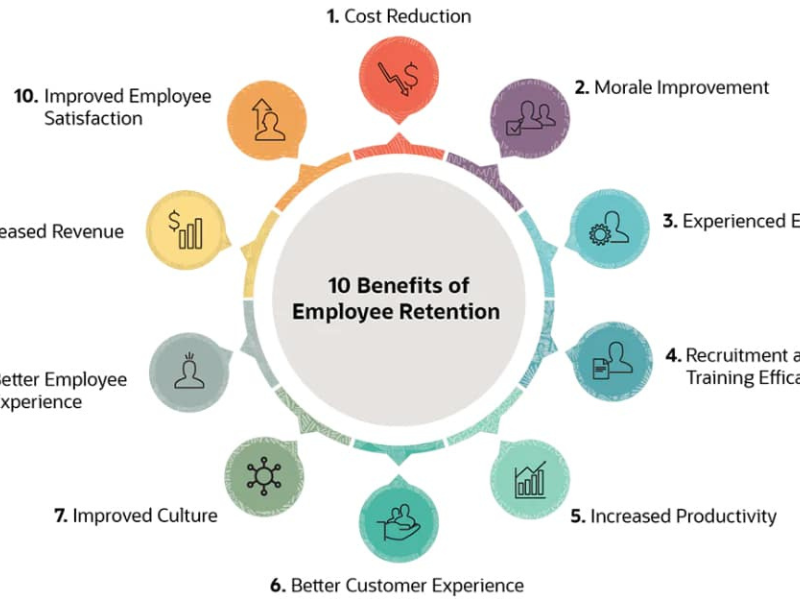
- Lower turnover reduces hiring and training spend.
- Engaged agents resolve issues faster and better.
- Customers sense effort, not just accuracy.
Industry insight: Organizations with higher engagement see stronger retention and customer loyalty. Replacing one call center agent often costs months of productivity.
Mini case: A mid-size support center reduced attrition by focusing on recognition and scheduling flexibility. Result: fewer open roles, better service consistency, and lower overtime costs.
Top 10 Strategies to Improve Call Center Employee Engagement
Improving engagement is only one side of the equation. To translate motivated teams into consistent service quality, organizations need clear operational standards and proven execution frameworks. Explore this comprehensive guide on 客户服务最佳实践 to understand how top-performing call centers turn engaged agents into exceptional customer experiences.
1. Recognize and Reward Agents Consistently
问题 Agents feel invisible unless something goes wrong.
解决方案 Make recognition frequent, specific, and fair.
如何实施:
- Tie recognition to behaviors, not just numbers.
- Use daily or weekly micro-recognition.
- Include peer recognition options.
常见错误
- Only rewarding top performers.
- Making rewards rare or overly competitive.
真实的例子 Short weekly shout-outs for customer compliments increased morale more than quarterly bonuses.
2. Empower Agents With Autonomy
问题 Strict scripts limit ownership.
解决方案 Define clear boundaries, then trust agents.
如何实施:
- Set decision ranges for refunds or exceptions.
- Train judgment, not memorization.
- Review decisions without punishment.
Mistake: Confusing autonomy with lack of standards.
3. Improve Onboarding and Early Engagement
问题 Early disengagement leads to fast exits.
解决方案 Focus on culture, not just systems.
如何实施:
- Assign a peer buddy.
- Explain the “why” behind policies.
- Recognize small wins in the first 30 days.
4. Provide Clear Growth and Career Paths
问题 Agents see no future.
解决方案 Show realistic progression options.
如何实施:
- Skill ladders (QA, trainer, team lead).
- Transparent criteria for advancement.
Mistake: Promising growth without follow-through.
5. Offer Flexible Scheduling and Work-Life Balance
问题 Rigid schedules increase stress.
解决方案 Add controlled flexibility.
如何实施:
- Shift swaps with guardrails.
- Voluntary overtime and time-off options.
影响: Trust rises, burnout drops.
6. Build a Strong Feedback Culture
问题 Feedback only happens when KPIs fail.
解决方案 Make feedback routine and two-way.
如何实施:
- Short weekly check-ins.
- Balance improvement with strengths.
7. Invest in Practical Training and Coaching
问题 Training feels disconnected from real calls.
解决方案 Focus on real scenarios.
如何实施:
- Use real call examples.
- Coach in small, frequent sessions.
8. Use Gamification to Increase Motivation
问题 Monotony kills energy.
解决方案 Add light competition and progress tracking.
如何实施:
- Short-term challenges.
- Team-based leaderboards.
Mistake: Over-gamifying critical metrics.
9. Strengthen Team Collaboration and Culture
问题 Agents feel isolated.
解决方案 Create shared wins.
如何实施:
- Team goals, not just individual KPIs.
- Regular knowledge-sharing sessions.
10. Support Mental Health and Well-Being
问题 Emotional strain is constant.
解决方案 Normalize recovery and support.
如何实施:
- Encourage breaks after tough calls.
- Provide access to mental health resources.
The Manager’s Role in Sustaining Engagement

Managers shape daily experience more than any program.
High-impact behaviors:
- Listening without defensiveness.
- Protecting agents from unnecessary pressure.
- Balancing metrics with humanity.
Real shift: Managers who coach instead of police see higher trust and consistency.
How Technology Supports (But Doesn’t Replace) Engagement

Technology removes friction. It does not create motivation.
Helpful uses:
- Workforce management tools for scheduling clarity.
- Analytics to identify stress points.
- Omnichannel routing to reduce overload.
Risk: Over-monitoring damages trust faster than it improves performance.
30–60 Day Action Plan for Call Center Managers
First 30 Days: Quick Wins
- Start weekly recognition rituals.
- Run short agent listening sessions.
- Pilot one flexibility option.
Next 60 Days: Build Systems
- Formalize feedback cadence.
- Define growth paths.
- Train managers on coaching skills.
FAQ – Call Center Employee Engagement

How do you measure call center employee engagement?
Use a mix of retention data, absenteeism trends, quality scores, and regular pulse surveys rather than relying on one metric.
What is the fastest way to improve agent engagement?
Consistent recognition and better manager-agent conversations usually show impact within weeks.
Can remote call centers maintain high engagement?
Yes, but only with intentional communication, visibility, and trust-based management.
Does higher pay automatically increase engagement?
Pay matters, but engagement depends more on autonomy, recognition, and leadership behavior.
结论

Call center employee engagement is built daily. It comes from trust, clarity, and respect—not one-time programs.
Start small. Fix what frustrates agents most. Support managers to lead like humans, not dashboards.
When agents feel valued and empowered, customers feel it too.
FAQs on Call Center Employee Engagement
What is call center employee engagement?
Call center employee engagement is the process of ensuring that agents are motivated and committed to delivering excellent customer service. This involves implementing strategies that boost satisfaction and productivity.
How can onboarding improve call center engagement?
Effective onboarding can improve call center engagement by providing new hires with essential information and support. Using peer ambassadors can enhance understanding of company culture and immediate integration.
What are some signs of disengagement in call centers?
Signs of disengagement include increased absenteeism, reduced enthusiasm, and higher turnover rates. Managers may also notice a lack of initiative or frequent errors in customer interactions.
Why is recognition important in call centers?
Recognition boosts morale and motivates agents to perform at their best. Rewarding milestones and achievements can reinforce positive behaviors and increase overall engagement.
How does technology support call center engagement?
Technology supports engagement by automating repetitive tasks and providing real-time assistance. Tools like AI-driven software can reduce stress and improve efficiency, enhancing the employee experience.
What are some strategies to motivate call center agents?
Motivating call center agents can be achieved through regular recognition, offering career advancement opportunities, flexible scheduling, and promoting a healthy work-life balance. Implementing gamification can also increase engagement.
更多信息
- 7 Smart Ways to Manage High Call Volume & Reduce Wait Times
- 什么是业务流程外包呼叫中心?定义、类型和益处
- What Is a Customer Success Manager? Role and Responsibilities
 English
  Russian
  Chinese