

Hiring a nearshore software development team can cut your development costs by 40-60% compared to US-based engineers. But cost savings disappear fast if you choose the wrong partner—missed deadlines, communication breakdowns, and quality issues can cost more than you saved.
This guide walks through how to evaluate nearshore partners systematically—from technical expertise and time zone alignment to pricing transparency and security—so you avoid costly mistakes and find a team that actually delivers.
主要收获

- Nearshore partners typically cost 40-50% less than US teams ($40-70/hour vs $100-150/hour) while maintaining 2-4 hour time zone overlap for real-time collaboration.
- Nearshoring is ideal when you need daily standups, rapid iteration, and frequent stakeholder feedback—situations where 12-hour offshore time differences create delays.
- Vague requirements are the #1 cause of project failure. Teams with well-defined scope (specific features, tech stack, timeline) see 60% fewer delays and budget overruns.
- The right partner acts like an extension of your team, not just a vendor.
- Structured evaluation reduces common outsourcing risks.
- Latin America and Eastern Europe are the most popular regions for US companies.
What Is a Nearshore Software Development Partner

A nearshore software development partner is a team located in a nearby country, usually within a similar time zone, that builds or supports your software products.
Nearshoring sits between onshore and offshore outsourcing. You gain access to a broader talent pool while keeping communication tight and collaboration smooth.
US companies typically use nearshore partners for:
- Building MVPs and full-scale products.
- Extending in-house engineering teams.
- Modernizing legacy systems.
- Accelerating delivery without long-term hiring.
Nearshore vs Onshore vs Offshore: What Actually Matters for Decision-Makers
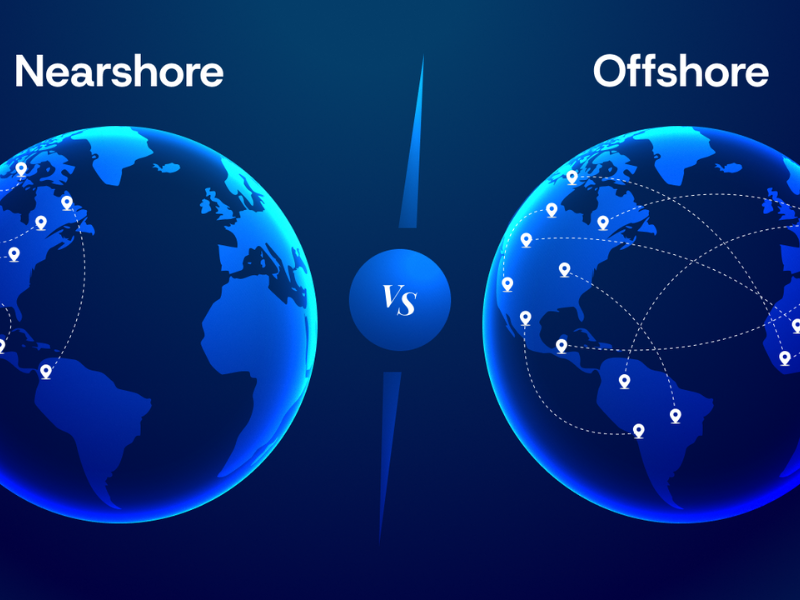
| 系数 | 陆上 | 近岸 | 海上 |
|---|---|---|---|
| 费用 | 高 | 中型 | 低 |
| 时区重叠 | 全部 | 高 | 低 |
| 交流 | 简单 | 简单 | Challenging |
| Cultural alignment | 高 | 中-高 | Varies |
| Operational risk | 低 | 中型 | 更高 |
Nearshore is the practical choice when you need:
- Daily collaboration without late-night calls.
- Faster feedback loops.
- Fewer cultural and language barriers.
A common misconception is that nearshore is always cheap. It isn’t. It’s about better value per hour, not the lowest rate.
When Does Nearshoring Make Sense for Your Business
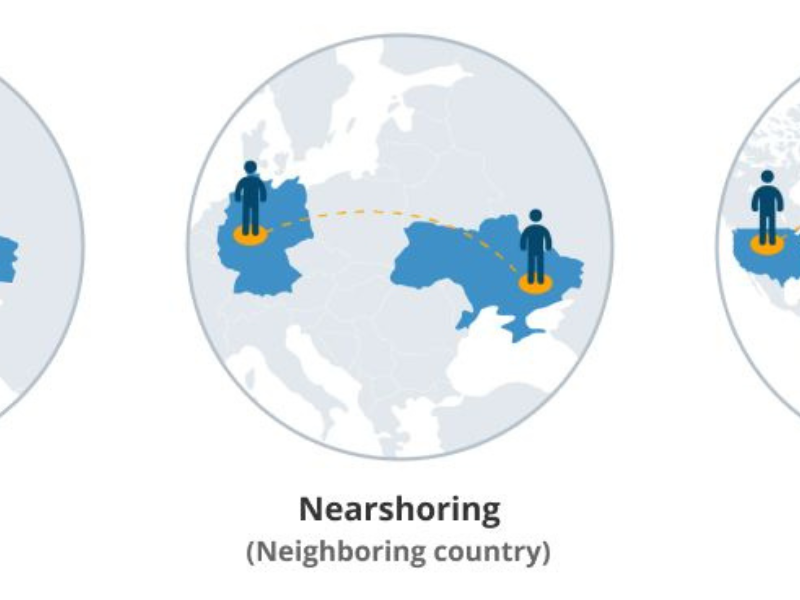
Nearshoring works best in specific situations. Outside of them, it can fail.
Nearshoring is a strong fit when:
- You need frequent syncs between product, engineering, and stakeholders.
- Speed to market matters more than absolute lowest cost.
- You lack in-house expertise but want strong ownership from the team.
- You’re replacing an underperforming offshore vendor.
Startup example:
A US startup building an MVP often benefits from nearshore teams that can iterate daily and adapt quickly as requirements change.
SMB example:
Growing companies use nearshore partners to scale teams without the risk of overhiring locally.
Enterprise example:
Enterprises rely on nearshore partners for long-term team extension and system modernization.
Nearshoring may not be ideal if:
- Your project is extremely well-defined and price-driven.
- Communication can be fully asynchronous.
- You only need short-term, isolated tasks.
Step 1 – Define Your Business Goals and Project Requirements
Clarify What You Are Building
Unclear scope is the #1 reason nearshore projects fail.
Be specific about:
- Core features and must-haves.
- Product complexity and integrations.
- MVP versus long-term roadmap.
Well-defined scope:
“Build a React-based dashboard with user roles, Stripe payments, and basic analytics.”
Vague scope:
“Build a modern web app for our business.”
The clearer your scope, the more accurate estimates and timelines will be.
Set Budget and Timeline Expectations
Software projects balance three variables: cost, speed, and scope. You can optimize two, but not all three.
Budget approach:
- Good: ‘We have $40,000-60,000 for MVP, flexible for must-have features’
- Bad: ‘Our budget is exactly $45,000, no exceptions’
Why ranges work better: They give teams room to propose options. Maybe core features fit in $40K, but adding real-time notifications requires $50K. With a fixed budget, you miss that conversation.
Timeline expectations:
- Realistic: ‘Launch by Q3 for beta users, Q4 for full release’
- Unrealistic: ‘We need this live in 4 weeks for a conference demo’
Aggressive timelines force corners to be cut. One e-commerce company demanded a 6-week launch, got a buggy product, and spent 3 months fixing issues post-launch—longer than building it right the first time would have taken.
Leave buffer for changes: Allocate 15-20% of timeline and budget for iteration. No project survives first contact with real users unchanged.
Decide What You Expect from a Partner
Not all nearshore companies operate the same way.
| Vendor Mindset | Partner Mindset |
|---|---|
| Executes tasks | Owns outcomes |
| Waits for instructions | Proactively advises |
| Short-term focus | Long-term collaboration |
Decide early which model you want. It shapes everything from pricing to team structure.
Step 2 – Key Criteria for Evaluating a Nearshore Partner
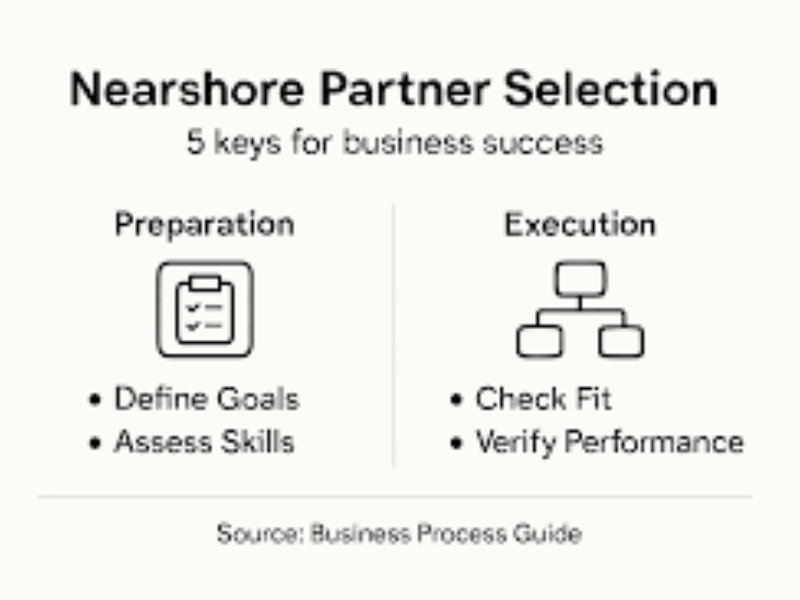
Relevant Experience and Technical Expertise
Look beyond generic claims.
- Experience in your industry or similar products.
- Proven use of required tech stacks.
- Ability to scale teams up or down.
Ask for concrete examples, not just logos.
Communication and Time Zone Alignment
Nearshoring only works if you can actually communicate in real-time. Time zone overlap isn’t enough—you need overlap during YOUR most productive hours.
Ideal overlap: 4-6 hours minimum
Example time zones:
- Colombia, Mexico (EST/CST): Full overlap with US East Coast (9 AM – 5 PM aligns perfectly)
- Argentina (EST +1): Good overlap, slight afternoon offset
- Poland, Romania (EST +6/+7): Morning overlap only (their 2 PM = your 8 AM)
Test communication quality early:
During initial calls, assess:
- Response time: Do they reply within 2 hours during overlap hours?
- Clarity: Do you understand each other without constant repetition?
- Proactive updates: Do they flag issues early or wait until you ask?
Warning signs:
- Team says ‘We’ll adjust our hours’ but reality is they work 6 PM – 2 AM their time (leads to burnout and turnover)
- English is technically correct but lacks nuance (causes misunderstandings on vague requirements)
- Project manager is fluent but developers aren’t (creates bottleneck—every question goes through PM)
最佳做法: Schedule a 2-week paid trial. You’ll quickly see if communication flows smoothly or requires constant clarification.
Cultural Compatibility and Work Style
Strong cultural fit reduces friction.
- Comfort with feedback and transparency.
- Sense of ownership and accountability.
- Familiarity with Agile (iterative development with frequent feedback).
Teams that challenge ideas respectfully deliver better results.
Security, Compliance, and Data Protection
Protecting your IP is non-negotiable.
核对表:
- Clear IP ownership in contracts.
- 访问控制和基于角色的权限.
- Awareness of standards like ISO 27001, GDPR, and HIPAA.
If security answers are vague, walk away.
Pricing Transparency and Engagement Models
常见型号包括
| 模型 | 最适合 | 风险 |
|---|---|---|
| Fixed price | Clear scope | Low flexibility |
| Time & materials | Evolving products | Budget creep |
| 敬业的团队 | Long-term work | Commitment |
Watch for hidden costs like onboarding fees or forced team sizes.
Step 3 – How to Shortlist and Compare Nearshore Partners
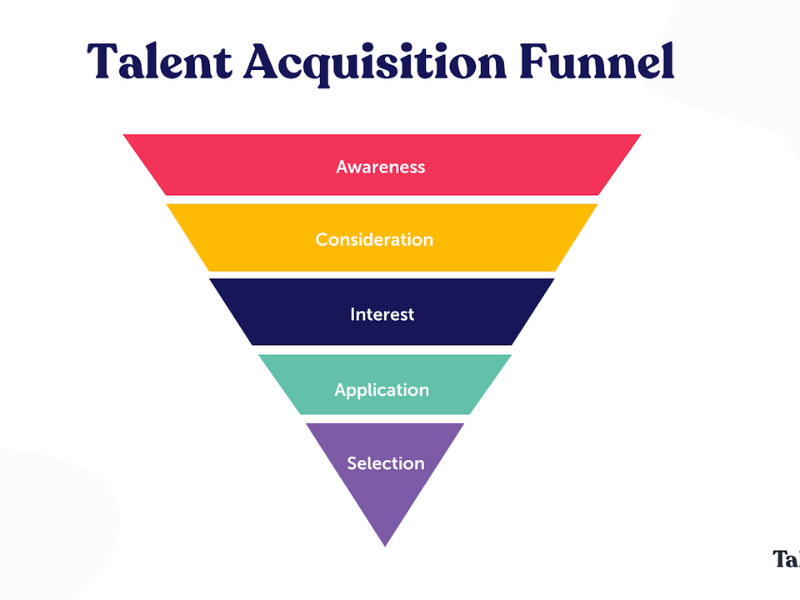
- Start with 6–8 potential partners.
- Review case studies relevant to your needs.
- Check independent reviews and references.
- Narrow down to 3–4 serious contenders.
- Compare them using the same criteria and questions.
Consistency in evaluation leads to better decisions.
Step 4 – Questions to Ask a Nearshore Software Outsourcing Partner

经验
- Have you built similar products?
- What challenges did you face?
团队
- Who will actually work on my project?
- What is your retention rate?
交流
- How often do we sync?
- Who is my main point of contact?
Risk & Change
- How do you handle scope changes?
- What happens if someone leaves the team?
Clear answers signal maturity and transparency.
Step 5 – Interviews, Trials, and Final Selection
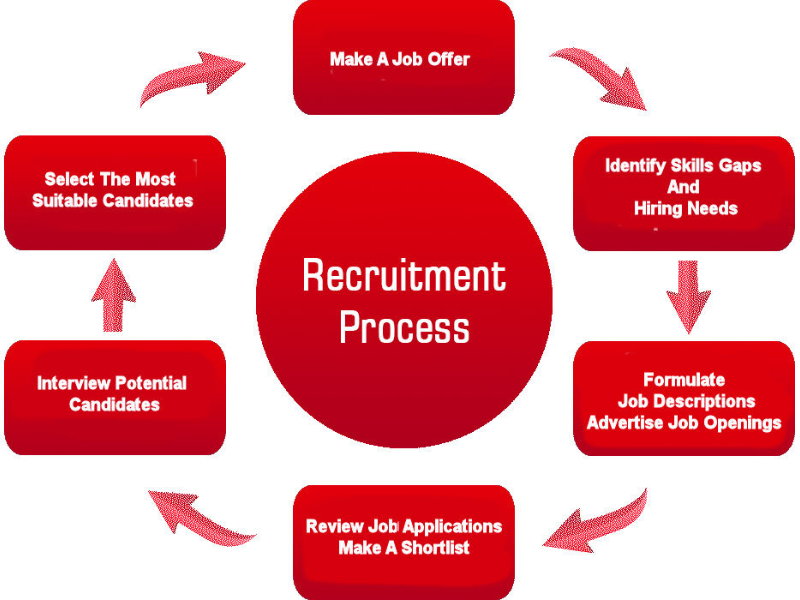
- Interview engineers and project leads.
- Run a small paid trial if possible.
- Observe responsiveness and problem-solving.
Warning signs:
- Overpromising timelines.
- Avoiding hard questions.
- No clear process.
Trust signals matter more than sales pitches.
Common Risks in Nearshore Outsourcing and How to Avoid Them
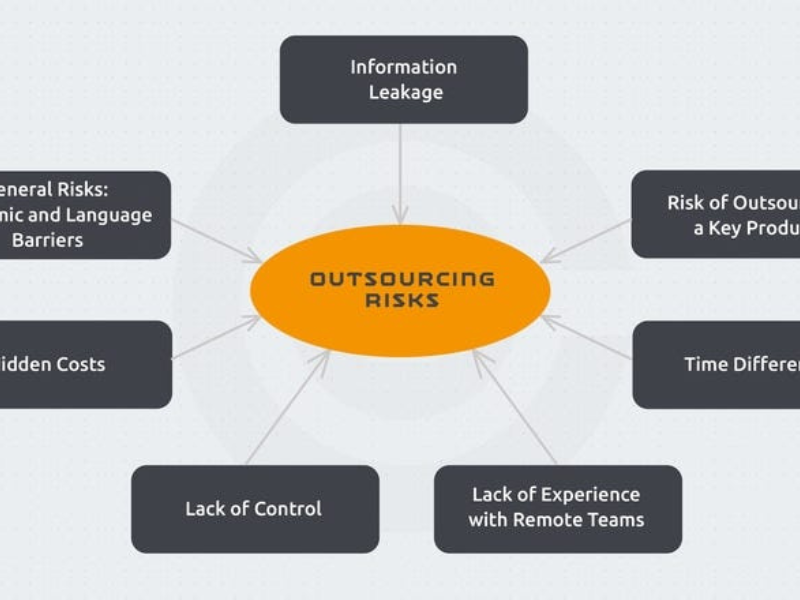
| 风险 | 影响 | 缓解 |
|---|---|---|
| Cost-only decision | Low quality | Evaluate value, not rate |
| Poor communication | Delays | Define cadence early |
| Scope creep | Budget overruns | Clear backlog process |
| High turnover | Knowledge loss | Ask about retention |
Most risks are preventable with structure and transparency.
Popular Nearshore Regions for US Companies
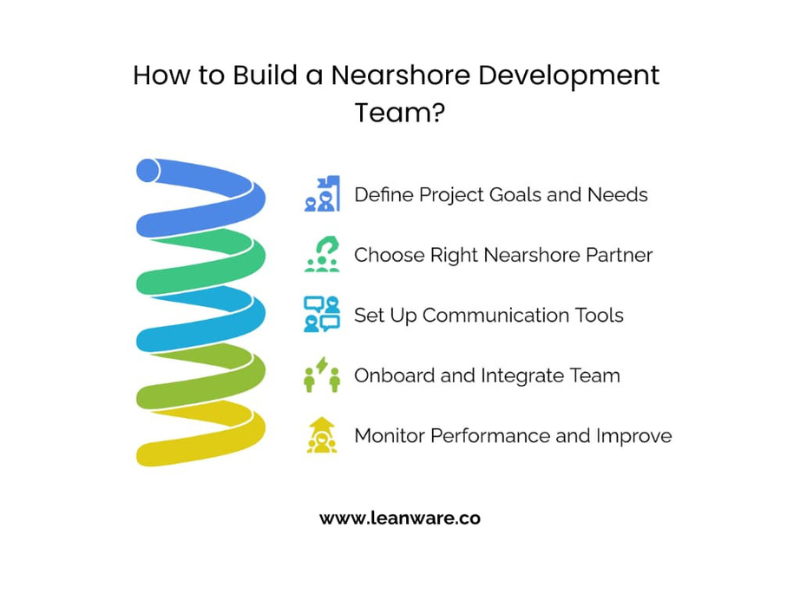
拉丁美洲
Strong time zone alignment with the US.
- Key countries: Mexico, Colombia, Brazil.
- Best for fast-moving product teams and startups.
[Ảnh: Latin America map]
Eastern Europe
Deep engineering expertise and strong technical education.
- Key countries: Poland, Romania, Ukraine.
- Best for complex platforms and long-term projects.
How to Build a Long-Term, Successful Nearshore Partnership

- Set clear KPIs and review them regularly.
- Maintain consistent communication rhythms.
- Treat nearshore teams as part of your company.
Strong partnerships outperform transactional outsourcing.
FAQ – Common Questions About Choosing a Nearshore Partner

Is nearshoring cheaper than hiring locally?
Yes, but the real benefit is better value and flexibility, not just lower rates.
How long does it take to onboard a nearshore team?
Typically 2–4 weeks, depending on team size and project complexity.
Can nearshore teams scale quickly?
Yes, if the partner has a strong talent pipeline and retention strategy.
结论

Choosing the right nearshore partner is a strategic decision, not a shortcut. When done right, nearshoring gives you speed, quality, and control—without the friction of distant outsourcing.
Define your goals clearly. Evaluate partners systematically. Focus on fit, not hype.
That’s how you build a nearshore partnership that actually works.
常见问题

What is a nearshore software development partner?
A nearshore software development partner is a company located in a neighboring country that offers cost-effective collaboration due to geographical proximity, cultural similarities, and real-time communication benefits.
Why choose a nearshore partner over offshore?
Nearshore partners provide time zone alignment and cultural compatibility, which enhance communication and reduce potential misunderstandings. Offshore partnerships, though often cheaper, may face challenges with timing and cultural differences.
How do I assess a nearshore partner’s technical expertise?
Review their portfolio, client case studies, and industry experience. Verify their proficiency with the tech stacks relevant to your project to ensure they can meet your technical needs.
What questions should I ask a nearshore partner before hiring?
Inquire about their experience, communication practices, team stability, and strategies for handling project risks. Understanding these aspects can help determine if they align with your goals.
How can I ensure a successful long-term partnership?
Maintain clear communication, set measurable KPIs, and establish regular check-ins. Encourage a collaborative culture to adapt and evolve with your business needs over time.
更多信息
如何打造最佳客户成功团队: The Ultimate Guide



 English
  Russian
  Chinese