
Call center and BPO operations face a persistent challenge: new agents take 6-8 weeks to reach full productivity, and quality varies dramatically across remote teams. During this ramp-up period, customer satisfaction drops, compliance risks increase, and training costs can exceed $3,000 per agent—especially for operations managing 50+ agents across multiple locations.
Traditional training methods—classroom sessions, shadowing calls, static manuals—cannot scale at the speed modern contact centers demand. Agent training software solves this by replacing generic courses with real-world call simulations, automated performance scoring, and data-driven coaching.
This guide explains what agent training software is, how it works for call center operations, and whether a dedicated training platform or a call center solution with built-in QA features (like Flyfone) better fits your needs.
主要收获
- Agent training software uses real call data to simulate scenarios, measure performance, and deliver targeted coaching for call center agents.
- It applies to customer support, sales, and BPO operations where consistent quality and fast onboarding are critical.
- The biggest value comes from cutting onboarding time in half (6-8 weeks → 3-4 weeks), standardizing quality across locations, and reducing cost-per-hire.
- Not all approaches are the same: dedicated training platforms offer deep features but require separate contracts, while call center solutions like Flyfone include built-in QA and coaching tools with faster deployment.
- Choosing the right solution starts with defining your deployment speed, budget model (per-seat vs pay-per-minute), and whether you need standalone training or integrated call center infrastructure.
What Is Agent Training Software?

Agent training software is a system that trains call center agents by simulating real customer interactions, measuring performance against quality standards, and delivering targeted coaching based on actual gaps.
For this guide, “agent” specifically means human agents in call center and BPO operations—customer support representatives, sales teams, retention specialists, and operations staff who handle voice calls, chats, or tickets.
Unlike traditional learning platforms built around static courses and certification tests, agent training software focuses on performance in realistic scenarios that mirror actual customer interactions.
Unlike traditional learning platforms built around static courses, agent training software focuses on performance in real scenarios.
At a high level, it works like this:
-
At a high level, it works like this:
1. Input real work data The platform imports actual call recordings, chat transcripts, and support tickets from your existing contact center systems.
为什么这很重要? Traditional training uses fake scenarios that don’t reflect real customer issues. Training on actual data means agents practice handling the exact problems they’ll face on day one—eliminating the “theory vs reality” gap that typically extends onboarding.
例如 A crypto exchange imports 500 recent support tickets about KYC verification failures. New agents practice responding to these actual scenarios before taking live chats, reducing first-call resolution time by 30% compared to generic training.
2. Simulate realistic scenarios Agents train in controlled environments that replicate actual customer interactions—handling objections, following compliance scripts, navigating multiple tools simultaneously.
为什么这很重要? Shadowing live calls exposes new agents to real customers before they’re ready, risking poor experiences. Simulations let them fail safely and learn from mistakes without business impact.
例如 A BPO handling collections trains agents on difficult conversations (payment disputes, hardship cases) using simulated calls scored for compliance, empathy, and outcome. Supervisors see exactly where each agent struggles before they touch a real account.
3. Evaluate performance using clear metrics The system scores agents on KPIs that matter to your business: average handle time (AHT), first-call resolution (FCR), quality scores, script adherence, and customer satisfaction (CSAT).
为什么这很重要? Manual QA reviews only 2-5% of calls. Automated scoring evaluates 100% of training interactions, surfacing patterns invisible to managers.
4. Deliver targeted coaching based on gaps Instead of sending everyone through the same training modules, the system identifies each agent’s weak areas and assigns focused practice—objection handling for one, compliance scripting for another.
为什么这很重要? Generic retraining wastes time. Targeted coaching cuts improvement cycles from weeks to days by addressing specific skill gaps immediately.
This creates a closed feedback loop where agents improve through practice, not memorization.
Compared to a traditional LMS:
- LMS delivers static content the same way to everyone.
- Agent training software adapts training based on how each agent actually performs.
例如
A remote support team onboards new hires using call simulations based on real customer issues. Agents practice before taking live calls. The system scores their responses and flags gaps, cutting onboarding time in half while keeping quality consistent.
Why Agent Training Software Matters Today
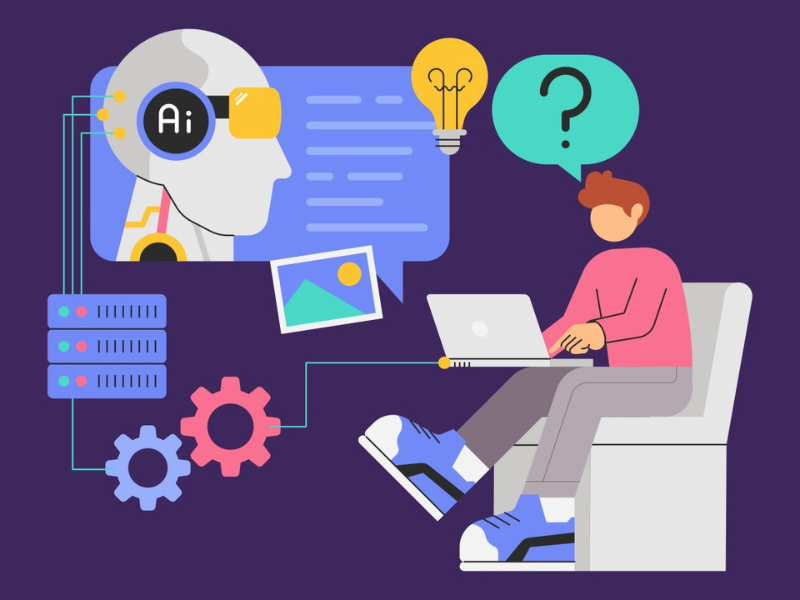
Modern teams scale faster than traditional training can handle.
Remote and distributed work is now standard. Agents join from different locations, time zones, and experience levels. Manual training breaks under this pressure.
Key business drivers:
- Remote work: Live, instructor-led training is harder to schedule and scale.
- Higher customer expectations: Inconsistent agent performance directly impacts retention and revenue.
- Complex tools and workflows: Agents must navigate multiple systems accurately from day one.
- Rapid AI adoption: Companies deploy AI agents but lack structured ways to train and validate them.
From experience, the biggest failure point during growth is not hiring. It’s inconsistent performance after onboarding. Teams ramp fast, but quality drops because training cannot adapt in real time.
Agent training software solves this by:
- Standardizing training without making it rigid.
- Surfacing problems early through measurable data.
- Scaling coaching without scaling managers.
Key Problems Agent Training Software Solves
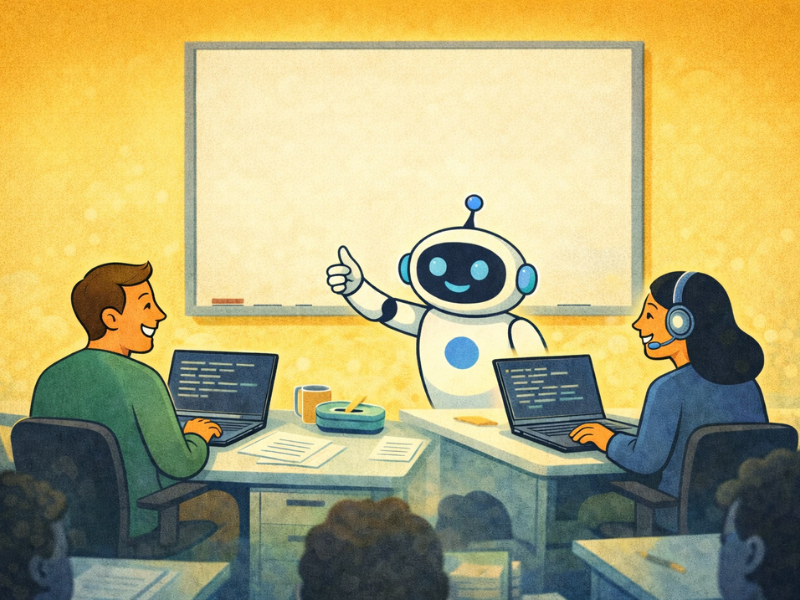
- Slow onboarding: New agents take weeks or months to reach productivity, delaying ROI.
- Hidden skill gaps: Managers only see surface-level metrics, not why agents underperform.
- Inconsistent performance: Training quality varies by manager, location, or cohort.
- No measurable ROI: Training efforts are hard to link to business outcomes.
- Multi-channel complexity: Agents struggle to switch between voice, chat, email, or tools accurately.
Agent training software fixes this by combining simulations, analytics, and feedback into one system.
How Agent Training Software Works (High-Level)
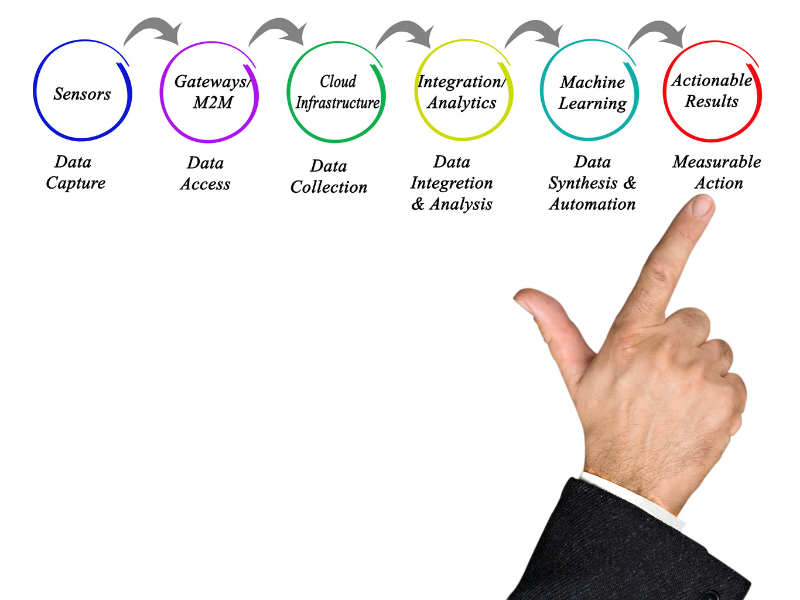
- Data ingestion: The platform ingests real operational data, such as call recordings, chat logs, workflows, or code repositories.
- Simulation and practice: Agents train in realistic scenarios that mirror actual tasks, not hypothetical examples.
- Automated scoring: Performance is evaluated using predefined metrics, like quality scores, task success, or test results.
- Feedback and coaching: The system highlights gaps and assigns focused practice or guidance.
- Continuous improvement: Training updates automatically as workflows, products, or policies change.
This loop runs continuously, keeping agents aligned with real-world demands.
Main Types of Agent Training Software
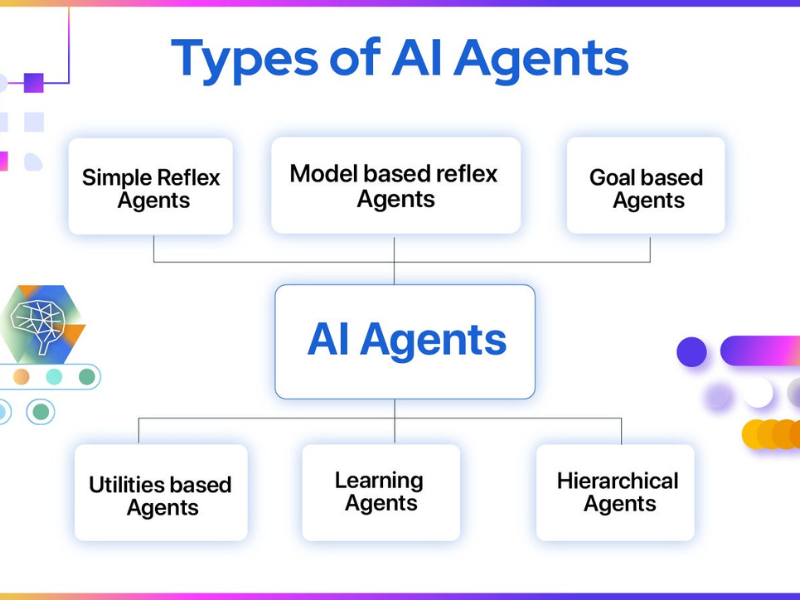
Training Software for Human Agents
This category focuses on people handling customer interactions or operational tasks.
What it trains:
- Customer support and contact center agents
- Sales and retention teams
- Operations and back-office roles
Core capabilities:
- Realistic call, chat, and email simulations
- AI-driven coaching based on actual performance
- KPI tracking tied to business outcomes
优点
- Faster onboarding and time-to-proficiency
- Consistent training across locations
- Clear visibility into skill gaps
缺点
- Requires clean input data to perform well
- Less useful for purely theoretical knowledge
最适合
Remote or high-volume teams where consistency and speed matter.
Training Software for AI and Software Agents
This category trains autonomous systems that perform tasks without human input.
What AI/software agents are:
Programs that take actions, such as modifying code, running workflows, or resolving issues based on instructions and feedback.
How training works:
- Agents operate inside controlled environments that include tasks, tests, and validation steps.
- Benchmarks like SWE-Bench or environments like SWE-Gym provide standardized ways to measure success.
- Agents learn from successful and failed attempts to improve reliability.
优点
- Reduces risk before deploying agents in production
- Makes AI behavior measurable and auditable
- Improves task success rates over time
缺点
- Higher setup effort than human-agent tools
- Best suited for technical teams
最适合
Engineering-led organizations building or deploying AI-driven automation.
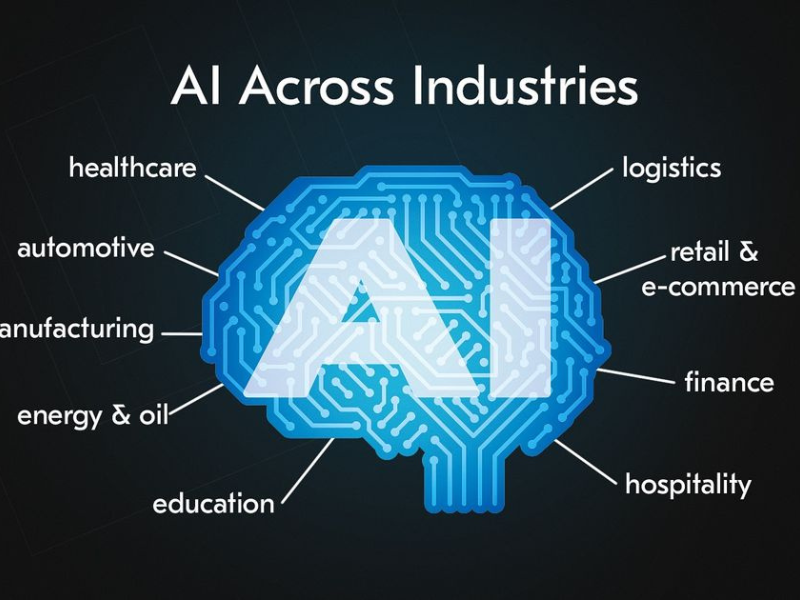
Common Use Cases Across Industries
-
Common Use Cases for Call Center Agent Training
iGaming & Online Entertainment Platforms Train support agents on player verification, payment disputes, account security, and responsible gaming protocols. High-volume operations need agents who can handle sensitive account issues accurately while maintaining fast response times during peak events (major tournaments, game launches).
Training focus: Compliance scripting, fraud detection protocols, payment processing workflows, de-escalation techniques for frustrated players.
Crypto Exchanges & Fintech Platforms Train agents on KYC/AML verification procedures, wallet security, transaction troubleshooting, and regulatory compliance. New agents must understand complex financial processes without access to live customer funds during training.
Training focus: KYC document verification, two-factor authentication support, transaction dispute handling, compliance with financial regulations across jurisdictions.
BPO & Outsourcing Operations Train agents across multiple client campaigns with different scripts, products, and quality standards. BPOs need fast onboarding (often 5-10 new agents per week) with consistent quality despite high turnover and remote teams.
Training focus: Multi-campaign proficiency, client-specific quality requirements, CRM navigation, schedule adherence, performance consistency across locations.
Remote Sales & Collections Teams Train outbound agents on objection handling, compliance (TCPA, FDCPA), payment negotiation, and CRM workflows. Sales teams need practice with difficult conversations before touching live leads.
Training focus: Compliance scripting, objection handling patterns, negotiation tactics, lead prioritization, CRM data entry accuracy.
Customer Retention & Upsell Operations Train agents to identify upsell opportunities, handle cancellation requests, and execute win-back strategies. Retention agents need deep product knowledge and consultative skills that generic training doesn’t develop.
Training focus: Product knowledge, identifying customer needs, value-based selling, save offers, customer lifetime value awareness
Benefits of Agent Training Software for Businesses

-
-
- Chỉ mention “dedicated training platforms”
- Không có Flyfone positioning
- Definition quá rộng (includes AI agents)
- Confusing cho call center audience
-
“Agent training software is a system that trains agents by simulating real work, measuring outcomes, and continuously improving performance based on data.
An “agent” can mean two things:
- Human agents, such as customer support, sales, or operations staff.
- Removes AI agent mentions (stay focused)
- Adds specific numbers (6-8 weeks → 3-4 weeks)
- Introduces Flyfone as alternative approach
- Sets up decision framework (standalone vs integrated)
“主要收获
- Agent training software uses real call data to simulate scenarios, measure performance, and deliver targeted coaching for call center agents.
- It applies to customer support, sales, and BPO operations where consistent quality and fast onboarding are critical.
- The biggest value comes from cutting onboarding time in half (6-8 weeks → 3-4 weeks), standardizing quality across locations, and reducing cost-per-hire.Not all approaches are the same: dedicated training platforms offer deep features but require separate contracts, while call center solutions like Flyfone include built-in QA and coaching tools with faster deployment.
- Mentions AI agents (off-topic for call centers)
- Không có Flyfone positioning
- Bullets quá chung chungChoosing the right solution starts with defining your deployment speed, budget model (per-seat vs pay-per-minute), and whether you need standalone training or integrated call center infrastructure.”AI or software agents, such as automation bots or software engineering agents that modify code or workflows.”Không có call center contextThiếu comparison
“Call center and BPO operations face a persistent challenge: new agents take 6-8 weeks to reach full productivity, and quality varies dramatically across remote teams. During this ramp-up period, customer satisfaction drops, compliance risks increase, and training costs can exceed $3,000 per agent—especially for operations managing 50+ agents across multiple locations.
Traditional training methods—classroom sessions, shadowing calls, static manuals—cannot scale at the speed modern contact centers demand. Agent training software solves this by replacing generic courses with real-world call simulations, automated performance scoring, and data-driven coaching.
This guide explains what agent training software is, how it works for call center operations, and whether a dedicated training platform or a call center solution with built-in QA features (like Flyfone) better fits your needs.”
“Agent training software uses real work data to simulate scenarios, measure performance, and deliver targeted improvement. It applies to both human agents (support, sales, operations) and AI/software agents (automation, coding agents). The biggest value comes from faster onboarding, consistent performance, and clear ROI. Not all platforms are the same; human-agent and AI-agent training tools solve different problems. Choosing the right solution starts with defining agent type, success metrics, and scalability needs.”
- Human agents, such as customer support, sales, or operations staff.
- Clear definition focused on call centers
- Eliminates AI agent confusion
- Adds specific roles (support, sales, retention)
- Contrasts with LMS immediately
“What Is Agent Training Software?
Agent training software is a system that trains call center agents by simulating real customer interactions, measuring performance against quality standards, and delivering targeted coaching based on actual gaps.
For this guide, “agent” specifically means human agents in call center and BPO operations—customer support representatives, sales teams, retention specialists, and operations staff who handle voice calls, chats, or tickets.
Unlike traditional learning platforms built around static courses and certification tests, agent training software focuses on performance in realistic scenarios that mirror actual customer interactions.”
- Input real work data, such as calls, chats, tickets, workflows, or code repositories.
- Simulate realistic scenarios that mirror actual tasks agents face.
- Evaluate performance using clear metrics, like resolution time, accuracy, quality scores, or test pass rates.
- Deliver targeted coaching or retraining based on gaps, not generic lessons.”
HOW IT WORKS
-
“At a high level, it works like this:
1. Input real work data The platform imports actual call recordings, chat transcripts, and support tickets from your existing contact center systems.
为什么这很重要? Traditional training uses fake scenarios that don’t reflect real customer issues. Training on actual data means agents practice handling the exact problems they’ll face on day one—eliminating the “theory vs reality” gap that typically extends onboarding.
例如 A crypto exchange imports 500 recent support tickets about KYC verification failures. New agents practice responding to these actual scenarios before taking live chats, reducing first-call resolution time by 30% compared to generic training.
2. Simulate realistic scenarios Agents train in controlled environments that replicate actual customer interactions—handling objections, following compliance scripts, navigating multiple tools simultaneously.
为什么这很重要? Shadowing live calls exposes new agents to real customers before they’re ready, risking poor experiences. Simulations let them fail safely and learn from mistakes without business impact.
例如 A BPO handling collections trains agents on difficult conversations (payment disputes, hardship cases) using simulated calls scored for compliance, empathy, and outcome. Supervisors see exactly where each agent struggles before they touch a real account.
3. Evaluate performance using clear metrics The system scores agents on KPIs that matter to your business: average handle time (AHT), first-call resolution (FCR), quality scores, script adherence, and customer satisfaction (CSAT).
为什么这很重要? Manual QA reviews only 2-5% of calls. Automated scoring evaluates 100% of training interactions, surfacing patterns invisible to managers.
4. Deliver targeted coaching based on gaps Instead of sending everyone through the same training modules, the system identifies each agent’s weak areas and assigns focused practice—objection handling for one, compliance scripting for another.
为什么这很重要? Generic retraining wastes time. Targeted coaching cuts improvement cycles from weeks to days by addressing specific skill gaps immediately.”
MAIN TYPES
“Two Approaches to Training Call Center Agents
When evaluating agent training solutions, you’ll encounter two distinct approaches:
Approach 1: Dedicated Training Platforms
These are standalone systems built specifically for training and quality assurance.
What they offer:
- Deep simulation libraries with thousands of pre-built scenarios
- Advanced analytics on learning progression and skill gaps
- Gamification, certification tracks, and learning paths
- Integration with existing call center platforms via API
优点
- Most comprehensive training features
- Designed specifically for learning and development teams
- Strong reporting for HR and compliance documentation
缺点
- Requires separate contract and deployment (typically 4-8 weeks)
- Per-seat pricing model adds $50-150/agent/month on top of call center platform costs
- Integration complexity with existing systems
- Needs dedicated training manager to maintain
最适合 Large enterprises (500+ agents) with dedicated L&D teams and formal certification requirements.
Approach 2: Call Center Platforms with Built-in QA & Training
These are complete call center solutions that include training and quality management as integrated features rather than separate products.
What they offer:
- Real-time call monitoring and scoring
- AI-driven quality assurance on 100% of calls (not just samples)
- Performance dashboards with agent-specific coaching priorities
- Call recording libraries for agent self-review
- Built-in from day one—no separate deployment
Example: Flyfone’s Approach
Flyfone includes AI Quality Assurance and agent training tools as part of the core platform:
- AI Call Scoring: Automatically evaluates 100% of calls for quality, compliance, and customer sentiment—new agents get immediate feedback on every interaction
- Performance Dashboards: Supervisors see real-time agent metrics (AHT, FCR, quality scores) with drill-down into specific calls needing coaching
- Call Recording & Transcripts: 1-year storage with searchable transcripts lets agents review their own calls and learn from top performers
- Deployment Speed: Training features are live the same day as your call center setup (typically under 1 hour)
- Pricing Model: Pay-per-minute usage means you’re not paying per-seat for training features—cost scales with actual call volume
优点
- Faster deployment (training tools available immediately)
- Lower total cost (no separate training software contract)
- Seamless integration (already built into the platform)
- Better for remote/distributed teams with fluctuating size
缺点
- Less depth than dedicated training platforms
- Fewer pre-built simulation scenarios
- Better suited for practical coaching than formal certification programs
最适合 BPO operations, iGaming support teams, crypto exchanges, fintech companies, and growing startups (10-500 agents) that need fast deployment, flexible pricing, and don’t require extensive formal training curricula.
Which Approach Fits Your Needs?
系数 Dedicated Training Platform Built-in QA (e.g., Flyfone) Deployment time 4-8 周 Same day (< 1 hour) 定价模式 Per-seat ($50-150/agent/month) Pay-per-minute (usage-based) Best for team size 500+ agents 10-500 agents Integration effort API integration required Built-in, no integration 培训深度 Extensive simulations & paths Real-call coaching & QA Ideal use case Formal L&D programs Fast-scaling BPO/remote ops
COMMON USE CASES
“Common Use Cases for Call Center Agent Training
iGaming & Online Entertainment Platforms Train support agents on player verification, payment disputes, account security, and responsible gaming protocols. High-volume operations need agents who can handle sensitive account issues accurately while maintaining fast response times during peak events (major tournaments, game launches).
Training focus: Compliance scripting, fraud detection protocols, payment processing workflows, de-escalation techniques for frustrated players.
Crypto Exchanges & Fintech Platforms Train agents on KYC/AML verification procedures, wallet security, transaction troubleshooting, and regulatory compliance. New agents must understand complex financial processes without access to live customer funds during training.
Training focus: KYC document verification, two-factor authentication support, transaction dispute handling, compliance with financial regulations across jurisdictions.
BPO & Outsourcing Operations Train agents across multiple client campaigns with different scripts, products, and quality standards. BPOs need fast onboarding (often 5-10 new agents per week) with consistent quality despite high turnover and remote teams.
Training focus: Multi-campaign proficiency, client-specific quality requirements, CRM navigation, schedule adherence, performance consistency across locations.
Remote Sales & Collections Teams Train outbound agents on objection handling, compliance (TCPA, FDCPA), payment negotiation, and CRM workflows. Sales teams need practice with difficult conversations before touching live leads.
Training focus: Compliance scripting, objection handling patterns, negotiation tactics, lead prioritization, CRM data entry accuracy.
Customer Retention & Upsell Operations Train agents to identify upsell opportunities, handle cancellation requests, and execute win-back strategies. Retention agents need deep product knowledge and consultative skills that generic training doesn’t develop.
Training focus: Product knowledge, identifying customer needs, value-based selling, save offers, customer lifetime value awareness.”
BENEFITS
“Business Benefits of Agent Training Software
1. Faster Onboarding, Lower Cost-Per-Hire
Traditional call center onboarding takes 6-8 weeks before agents reach full productivity. Training software typically cuts this to 3-4 weeks by replacing classroom time with realistic simulations and self-paced practice.
Financial impact: For a 100-agent operation hiring 20 new agents quarterly, reducing onboarding by 3 weeks saves approximately $60,000 annually in lost productivity and supervisor time ($3,000 per agent × 20 agents).
2. Consistent Performance Across Locations
Remote and distributed teams often show 20-30% variance in quality scores between locations—training inconsistency, not skill differences. Standardized training eliminates this gap.
Operational impact: BPO operations managing multiple client accounts can maintain consistent quality across Manila, Bogotá, and Eastern Europe offices instead of seeing wide performance swings based on which supervisor trained the agent.
3. Measurable Training ROI
Traditional training offers minimal visibility: you know agents completed modules, but not whether they can actually perform. Training software ties directly to business metrics: AHT, FCR, CSAT, compliance scores.
例如 Instead of reporting “95% of agents completed training,” you report “agents trained with simulations achieve 15% higher FCR in first 30 days compared to classroom-only training.”
4. Scalable Growth Without Adding Supervisors
Manual coaching requires 1 supervisor per 15-20 agents. Automated QA and coaching dashboards increase this ratio to 1:30 or 1:40, allowing operations to scale without proportional management overhead.
Financial impact: For a BPO growing from 100 to 200 agents, maintaining 1:20 ratio requires hiring 5 more supervisors at $50K each = $250K. With 1:30 ratio, you add only 3 supervisors = $150K savings annually.
5. Improved Customer Experience & Revenue Impact
Better-trained agents resolve issues faster (lower AHT), get it right the first time (higher FCR), and create better customer experiences (higher CSAT). This directly impacts retention and revenue.
对收入的影响: For a SaaS company where 5% CSAT improvement reduces churn by 2%, the customer lifetime value increase can exceed $500K annually for a 10,000-customer base.
-
Key Features to Look For in Agent Training Software

- Realistic simulations: Training must mirror actual work conditions.
- Performance analytics: Metrics should connect directly to business outcomes.
- Personalized coaching: Training adapts to individual agent needs.
- 集成: Easy connection to existing tools and data sources.
- 可扩展性: The platform should handle growth without rework.
How to Choose the Right Agent Training Software
-
Step 1: Define Your Deployment Timeline
If you need agents trained and live within 1-2 weeks: → Choose a call center platform with built-in QA (like Flyfone). Dedicated training platforms require 4-8 weeks for deployment and integration.
If you have 2-3 months for deployment: → Consider both approaches. Evaluate whether deep training features justify the longer timeline and separate vendor contract.
Step 2: Evaluate Your Team Size & Growth Pattern
10-200 agents with fluctuating volume: → Usage-based pricing (pay-per-minute) offers better economics than per-seat training software. Platforms like Flyfone scale cost with actual usage, not headcount.
200-500 agents with seasonal peaks: → Compare total cost: (per-seat training software + call center platform) vs. (all-in-one platform with built-in QA). The crossover point is often 300-400 agents where dedicated software’s depth justifies the cost.
500+ agents with stable headcount: → Dedicated training platforms typically offer better ROI at this scale, especially if you have formal L&D teams and certification requirements.
Step 3: Identify Your Success Metrics
Define what “trained successfully” means for your operation:
- Time to full productivity: How many days/weeks until an agent performs at team average?
- First-call resolution (FCR): Target percentage for resolving issues without transfers
- Quality score: Minimum acceptable score on monitored calls (typically 80-90%)
- Compliance adherence: 100% script compliance for regulated industries
- Ramp curve: Typical performance trajectory (e.g., 60% productivity week 1 → 100% week 4)
Choose a solution that directly measures these metrics, not just “training completed.”
Step 4: Assess Integration Requirements
If you’re already using a call center platform (Genesys, Five9, etc.): → Evaluate whether their built-in QA meets your needs, or if you need a dedicated training platform integrated via API.
If you’re selecting a new call center platform: → Compare total cost and deployment time of “platform + separate training software” vs. “all-in-one platform like Flyfone with built-in QA.”
If you have complex tech stack (multiple CRMs, custom tools): → Ensure the training solution can import data from your systems and simulate your actual agent workflows, not generic scenarios.
Step 5: Calculate True Total Cost
Don’t just compare training software list prices. Calculate total cost including:
Dedicated Training Platform:
- Software cost: $50-150/agent/month
- Deployment & integration: $10K-50K one-time
- Ongoing maintenance: Internal IT resources
- Training content creation: L&D team time
- Total for 100 agents: $60K-180K annually + deployment
Built-in QA Platform (e.g., Flyfone):
- No separate training software fee
- QA included in usage-based pricing
- Deployment: Included (< 1 hour)
- Maintenance: Handled by vendor
- Total for 100 agents: Depends on call volume, typically $20K-60K annually
Common mistake to avoid: buying a platform based on features instead of actual workflows.
Agent Training Software vs Traditional Training Methods

| Traditional Training | Agent Training Software |
|---|---|
| Static courses | Realistic simulations |
| One-size-fits-all | Personalized coaching |
| Manual evaluation | Automated scoring |
| Hard to measure ROI | ROI tied to KPIs |
Common Misconceptions About Agent Training Software

- It replaces managers rather than supporting them.
- It only works for large enterprises.
- It requires deep technical expertise to use.
- It is only about training, not performance improvement.
The Future of Agent Training Software

- Deeper integration between human and AI agent training.
- More real-time feedback during live work.
- Stronger focus on validation and risk reduction.
- Wider adoption beyond support and engineering teams.
常见问题
What is agent training software used for?
It is used to train, evaluate, and improve the performance of human or AI agents using realistic simulations and measurable outcomes.
Is agent training software only for call centers?
No. It is also used for sales, operations, automation, and software engineering agents.
How is it different from an LMS?
An LMS delivers static learning content. Agent training software focuses on performance in real scenarios with continuous feedback.
Do small teams benefit from agent training software?
Yes. Smaller teams often see faster ROI because onboarding and consistency issues are more visible.
Can one platform train both human and AI agents?
Some vendors cover both, but most platforms specialize. It is usually better to choose based on your primary agent type.
结论和行动呼吁

Agent training software is no longer optional for teams that want to scale without losing quality. It replaces static training with measurable, performance-driven improvement for both human and AI agents. The biggest gains come from choosing a platform that mirrors real workflows and ties training directly to outcomes.
Start by mapping your agent workflows, define success metrics, and pilot one platform with a small group before scaling.
常见问题

What is agent training software?
Agent training software is a platform designed to train human or AI agents by simulating real-world scenarios, providing performance feedback, and offering personalized coaching. It helps improve skills, efficiency, and consistency, making it vital for remote teams and scalable operations.
How does agent training software differ from a traditional LMS?
Traditional Learning Management Systems (LMS) focus on static content delivery like videos, documents, and quizzes. Agent training software offers adaptive, performance-driven training with interactive simulations, real-time feedback, and measurable outcomes aligned to business KPIs.
What industries benefit most from agent training software?
Industries like customer support, sales, insurance, financial services, and software development benefit widely. The software enhances onboarding, boosts performance, and ensures compliance across diverse operational environments.
Can agent training software work for remote teams?
Yes, agent training software is specifically designed for remote teams. It uses virtual simulations, AI feedback, and structured plans to ensure consistent training, regardless of location or time zone barriers.
What features should I prioritize in agent training software?
Key features include realistic simulations, performance analytics, integration with existing tools, AI-driven coaching, and progress tracking dashboards. These features ensure scalable and effective training.
How does agent training software improve ROI?
Agent training software reduces onboarding time, minimizes performance variations, and improves customer satisfaction. These efficiencies lower costs while driving better business outcomes, yielding a quick return on investment.
Is agent training software suitable for both human and AI agents?
Yes, the software is used to train human agents (e.g., for customer support or sales) and AI agents (e.g., software engineering agents). It provides task-specific improvement through simulations and data-driven optimization.
What is SWE-Bench, and why is it relevant?
SWE-Bench is a benchmark used to evaluate AI agents’ ability to solve software engineering tasks. It helps measure the effectiveness of training software for AI agents in tackling real-world coding challenges.
更多信息
人工智能助力客户成功: Predict Churn and Personalize at Scale
什么是客户价值?定义、益处和重要原因
 English
  Russian
  Chinese