
Contact Center Best Practices to Improve CX and Agent Performance

Contact center operations face a common challenge: everyone knows best practices exist, but few know which ones deliver immediate impact versus which create busywork.

This guide cuts through the noise. You’ll learn which contact center best practices drive measurable improvements in customer experience, agent performance, and operational efficiency—and more importantly, which ones to implement first when resources are limited.

Written for contact center managers, CX leaders, and operations directors at SMB and mid-market teams who need practical, high-ROI improvements without enterprise-level complexity.

目录

Key Takeaways You’ll Learn

  • Clear priorities: Learn which practices deliver ROI in weeks versus months—critical when you have limited budget and team bandwidth.

    Practical implementation steps: Get specific guidance on deploying omnichannel support, agent training, and automation without overwhelming your team.

    Balanced technology decisions: Understand when automation helps and when it hurts—so you can improve efficiency without damaging customer relationships.

    Metrics that matter: Focus on 3-5 core KPIs that actually predict customer outcomes, not vanity numbers that create reporting busywork.

What Contact Center Best Practices Mean Today

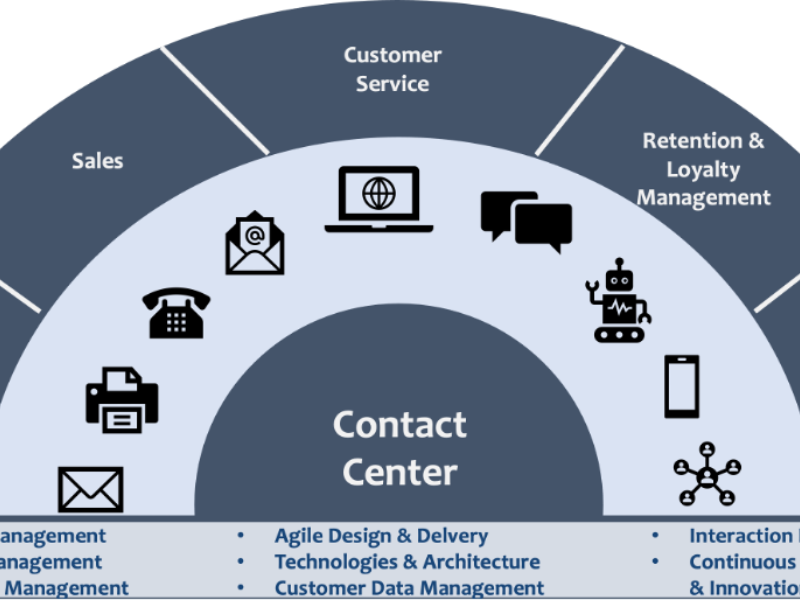
Modern contact center best practices have evolved beyond speed metrics. The goal now is reducing customer effort while keeping agents productive—across voice, chat, email, SMS, and social channels simultaneously.

This creates new operational challenges:

  • Customer context must transfer seamlessly between channels (chat → phone → email) without forcing customers to repeat information
  • Agents need unified tools that surface complete interaction history in seconds, not scattered systems requiring 4-5 tab switches
  • Metrics must balance efficiency (handle time, agent utilization) with quality (CSAT, first contact resolution) without creating false trade-offs

The practical reality: Best practices now require technology that connects channels by default, not through expensive integrations. They demand training that prepares agents for context-switching across channels. And they need metrics dashboards that show the full picture—not just call volume.

This guide focuses on the fundamentals that work regardless of your platform or team size: the principles that drive results, the common mistakes that create waste, and the step-by-step approach that lets you improve without disrupting operations.

Core Principles Behind High-Performing Contact Centers

Customer Experience Comes First

Strong customer experience doesn’t just improve satisfaction scores—it directly reduces operating costs through a simple mechanism: satisfied customers contact you less often.

The numbers behind this:

  • Industry average: 22-25% of all contacts are repeat calls (customer calls back because the first interaction didn’t resolve their issue)
  • Each repeat contact costs $5-12 in agent time and system overhead
  • A 100-agent operation handling 50,000 monthly calls wastes roughly $55,000-135,000 annually on avoidable repeat contacts

What actually drives customer experience:

1. Zero repetition across touchpoints Customers shouldn’t re-explain their issue when switching from chat to phone, or when transferred between agents. This requires unified customer profiles that display full interaction history in one timeline.

2. First-contact resolution The issue gets solved completely during the initial interaction—no callbacks, no follow-up emails asking for more information, no “let me transfer you again.”

3. Proactive clarity Agents explain what happens next, set accurate expectations, and confirm the customer understands before ending the interaction.

These three elements are simple to describe but difficult to execute without the right tools and training—which is why the rest of this guide focuses on practical implementation.

There’s a direct mechanism behind this. Consistent experiences build trust. Trust reduces repeat contacts. Fewer repeat contacts improve agent capacity and lower costs.

A common real-world example is omnichannel continuity. A customer starts on chat, moves to phone, and the agent already sees the full history. Resolution is faster. Satisfaction rises.

真实的例子 A 60-agent technical support team noticed their FCR was stuck at 62%—well below the 70-75% industry benchmark. Analysis showed customers often called back because agents rushed through explanations to hit handle-time targets.

The fix: Management trained agents on active listening and empathy without changing call scripts. The new approach:

  • Pause after the customer explains the issue, then summarize back to confirm understanding
  • Ask “Does that solve your problem completely?” before closing the call
  • Take 30 extra seconds to verify comprehension—even if it extends handle time

结果 Within 8 weeks, FCR jumped from 62% to 73%. Average handle time increased by 40 seconds, but repeat contact rate dropped by 18%—creating net efficiency gains because agents handled fewer total interactions.


Balance Technology With the Human Touch

The automation mistake most contact centers make: they automate customer-facing interactions (IVR menus, chatbots) to reduce costs, then wonder why CSAT drops and escalations increase.

Better approach: Automate back-office busywork that wastes agent time, but keep human agents available for actual customer conversations.

When automation creates value:

Routing and triage: Automated intent detection directs customers to the right department without frustrating menu navigation (“Press 1 for sales, press 2 for…”).

Self-service for simple tasks: Order tracking, password resets, account balance checks work well as self-service options—customers want speed here, not conversation.

After-call work: Automated summaries, ticket tagging, and CRM updates eliminate the 60-90 seconds agents spend on manual data entry after each call.

When automation backfires:

Complex troubleshooting: When a customer’s issue requires understanding context (“My payment failed but I was charged twice”), rigid chatbot flows create frustration. They’d rather speak to a human immediately.

Emotional interactions: Billing disputes, service complaints, and cancellation attempts need empathy and flexibility—chatbots escalate these situations by making customers feel unheard.

High-value customers: VIP accounts expect white-glove service. Forcing them through automated menus damages the relationship.

Simple rule: If the interaction requires judgment, empathy, or creative problem-solving, route to a human agent quickly. If it’s purely informational or transactional, automation works.


Top 12 Contact Center Best Practices You Should Prioritize

Deliver Consistent Omnichannel Support

What it actually means: Omnichannel means customer context follows them across every channel—voice, chat, email, SMS—in one unified timeline. When a customer escalates from chat to phone, the agent already knows what happened.

Multichannel just means you offer multiple channels, but they operate in silos. The customer has to re-explain everything.

Why it matters: Without omnichannel continuity, customers repeat information at every touchpoint. This wastes time, creates frustration, and drives up repeat contact rates. Industry data shows 40% of repeat contacts happen because customers had to re-explain their issue.

How to implement:

Centralize customer data: Use a unified platform or CRM that connects all channels. Every interaction—voice call, chat message, email—logs to the same customer profile.

Train agents on context-first responses: Before asking questions, agents should review the interaction timeline. Example script: “I can see you contacted us yesterday via chat about [issue]. Let me continue from where you left off.”

Connect your channels technically: Voice, SMS, chat, and email should feed into the same system. If they’re separate platforms, use APIs or integrations to sync customer data bidirectionally.

Measure success: Track “context handoff rate”—the percentage of cross-channel interactions where agents reference previous touchpoints. Target: 80%+ within 90 days.

Expected outcome: Omnichannel continuity typically reduces repeat contact rates by 10-15% and improves CSAT by 0.3-0.5 points on a 5-point scale.


Train Agents for Real-World Customer Interactions

Training should reflect real conversations, not ideal ones.

Effective onboarding includes:

  • Shadowing experienced agents.
  • Role-play with difficult scenarios.
  • Reviewing real calls with clear feedback.

Ongoing training matters more than one-time onboarding. Short, focused refreshers work best.

Example: training agents to de-escalate angry customers by acknowledging frustration before offering solutions.


Empower Agents to Solve Problems Faster

Empowered agents don’t need approval for every decision.

Clear boundaries help:

  • What agents can approve on their own.
  • When escalation is required.
  • What outcomes matter more than scripts.

This reduces average handle time and improves CSAT.


Focus on the Contact Center Metrics That Matter

Most contact centers track 15-25 KPIs weekly. The result: supervisors spend more time building dashboards than coaching agents, and teams suffer from analysis paralysis.

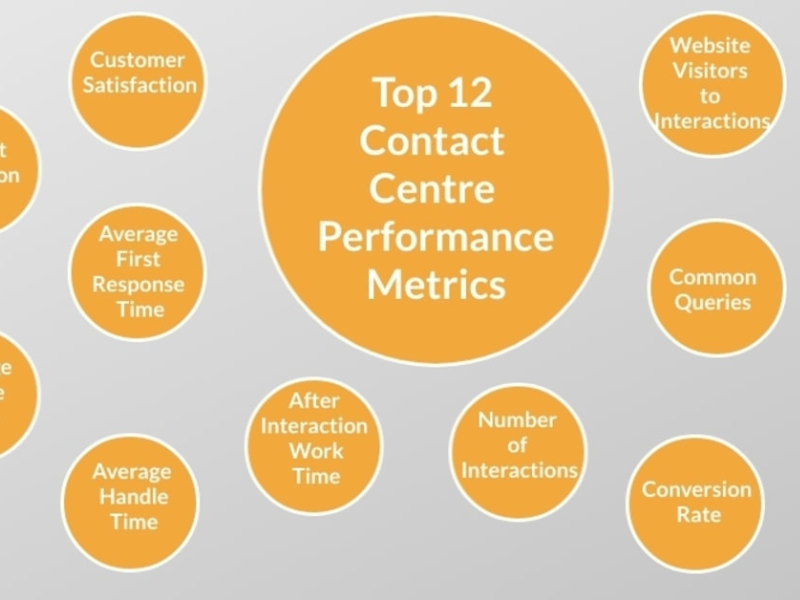
Start with 4 core metrics that balance customer experience and operational efficiency:

CSAT (Customer Satisfaction Score)

  • What it measures: Customer satisfaction immediately after an interaction (typically 1-5 scale)
  • Industry benchmark: 3.8-4.2 out of 5 for B2B support; 3.5-3.9 for B2C
  • Why it matters: Direct feedback on service quality; strong predictor of customer retention
  • How to improve: Reduce handle time without rushing, improve first contact resolution, train agents on empathy and active listening

FCR (First Contact Resolution)

  • What it measures: Percentage of issues resolved completely during the first interaction (no callback or follow-up required)
  • Industry benchmark: 70-75% for technical support; 60-65% for sales inquiries
  • Why it matters: Each repeat contact costs $5-12 in agent time and frustrates customers
  • How to improve: Better skills-based routing, comprehensive agent training, empowering agents to make decisions without supervisor approval

NPS (Net Promoter Score)

  • What it measures: Customer likelihood to recommend your service (scale: -100 to +100)
  • Industry benchmark: +30 to +50 for contact centers
  • Why it matters: Predicts customer lifetime value and churn risk over time
  • How to improve: Focus on consistency across touchpoints, reduce total customer effort, follow up on negative feedback quickly

AHT (Average Handle Time)

  • What it measures: Average duration of customer interactions, including talk time and after-call work
  • Industry benchmark: 6-8 minutes for support calls; 4-6 minutes for sales calls
  • Why it matters: Balances efficiency with thoroughness
  • Critical warning: Never optimize AHT at the expense of FCR or CSAT. Rushed calls create repeat contacts, which destroys efficiency gains.

The right approach: Track all four metrics together. If AHT drops but FCR also drops, you’re creating more work (repeat contacts). If CSAT rises while AHT stays flat, you’ve found the right balance.


Use Customer Feedback to Improve Continuously

Feedback only works when it closes the loop.

A practical Voice-of-Customer flow:

  1. Collect feedback after interactions.
  2. Identify patterns, not one-off complaints.
  3. Share insights with agents and leads.
  4. Communicate improvements back to customers.


Build a Strong Knowledge Base and Self-Service Options

A good knowledge base helps customers and agents.

最佳做法:

  • Write articles based on real customer questions.
  • Keep answers short and searchable.
  • Update content using agent feedback.

Self-service reduces contact volume without hurting CX.


Optimize Contact Routing and Call Flows

Routing should minimize transfers.

Use skills-based routing so customers reach the right agent first. Keep IVR menus short and clear.

The goal is first contact resolution, not speed alone.


Invest in Agent Experience and Engagement

Burnout leads to churn. Churn is expensive.

High-impact engagement tactics:

  • Fair scheduling.
  • Clear performance expectations.
  • Regular coaching, not just scoring.

Engaged agents deliver better customer experiences.


Standardize Quality Assurance Without Micromanaging

QA should improve performance, not police behavior.

Effective QA focuses on patterns and coaching. Use scorecards consistently. Test scripts through A/B comparisons.


Use Automation to Reduce Manual Work

The best automation removes repetitive tasks that waste agent time, freeing them to focus on actual customer interactions.

High-ROI automation use cases:

Automatic call tagging and categorization

  • What it does: AI analyzes call transcripts and automatically tags conversations by topic (billing, technical support, cancellation request, etc.)
  • Time saved: 30-45 seconds per call that agents previously spent manually categorizing
  • Impact: For 100 agents handling 400 calls daily, this saves approximately 333 hours monthly

AI-generated after-call summaries

  • What it does: System automatically creates a summary from the call transcript; agent reviews and approves
  • Time saved: 60-90 seconds per call in wrap-up work
  • Impact: Reduces average handle time by 15-20% while improving note quality and consistency

Real-time agent prompts and knowledge suggestions

  • What it does: During the call, system displays relevant knowledge base articles, compliance reminders, and suggested responses based on conversation context
  • Impact: Reduces escalations by 18-25% and improves first contact resolution because agents have answers at their fingertips
  • 例如 During a billing dispute call, system automatically surfaces refund policy, pricing tiers, and proration calculation rules

Sentiment-based escalation alerts

  • What it does: AI detects negative sentiment during calls and alerts supervisors in real-time
  • Impact: Allows supervisor intervention before customer escalates or churns; supervisor can whisper-coach the agent or take over the call


 Align Technology With Business Goals

Technology should support outcomes, not create sprawl.

Choose tools that integrate with your CRM and communication stack. Avoid overlapping platforms that confuse agents.

Examples include unified communication systems that combine voice, messaging, and analytics.


 Plan for Scale and Operational Continuity

Growth and disruption are inevitable.

Plan for:

  • Workforce forecasting.
  • Remote readiness.
  • Backup routing and failover.

Prepared teams recover faster and maintain CX.


Contact Center Technology Best Practices (High-Level)

Omnichannel Platforms and CRM Integration

A unified CRM acts as the source of truth. It connects customer history, conversations, and outcomes in one place.

Benefits include faster resolutions and better personalization.

AI and Analytics at a Practical Level

AI works best as support for supervisors and agents.

Useful applications:

  • Conversation summaries.
  • Sentiment alerts.
  • Trend analysis.

AI is not required everywhere. Use it where it saves time or improves decisions.

Common Contact Center Mistakes to Avoid

  • Tracking too many metrics without action.
  • Over-automating emotional interactions.
  • Training once and never revisiting skills.
  • Choosing tools without agent input.

How to Implement Contact Center Best Practices Step by Step

What to Fix First vs. Later

Fix fundamentals first: routing, training, and core metrics. Advanced analytics and automation come later.

Quick wins matter more than perfect systems.

[Sơ đồ: Priority matrix for improvements]

Measuring Progress Without Overcomplication

Review metrics monthly. Track trends, not daily noise. Focus on continuous improvement, not perfection.


FAQ – Contact Center Best Practices


What are the most important contact center best practices?

The most important practices focus on customer experience, agent empowerment, and simple metrics. Prioritize omnichannel consistency, effective training, and clear routing before advanced tools.

How do contact center best practices improve customer experience?

They reduce customer effort, improve resolution speed, and ensure consistent interactions across channels. This builds trust and satisfaction over time.

Which KPIs should a contact center track first?

Start with CSAT, FCR, NPS, and AHT. These metrics balance customer outcomes and operational efficiency.

How much technology does a contact center really need?

Enough to centralize data, support agents, and measure performance. More tools do not always mean better outcomes.

Are call center best practices different from contact center best practices?

The principles are similar, but contact centers cover more channels and require stronger data integration and consistency.

结论

Contact center best practices only create value when implemented systematically. Here’s your step-by-step approach:

Month 1 – Fix the Fundamentals:

  • Audit current call routing (Are customers reaching the right agent on the first try?)
  • Implement 3-4 core metrics dashboards: CSAT, FCR, NPS, AHT
  • Train agents on context-first responses and empathy fundamentals
  • Expected impact: 10-15% improvement in FCR; 8-12% reduction in repeat contacts

Month 2-3 – Deploy Omnichannel and Automation:

  • Centralize customer data across voice, chat, email, SMS
  • Deploy AI-powered call tagging and automated summaries
  • Build or improve your self-service knowledge base
  • Expected impact: 15-20% reduction in average handle time; 12-18% drop in contact volume

Month 4+ – Optimize and Scale:

  • Implement advanced AI quality assurance and sentiment analysis
  • Deploy predictive routing and workforce forecasting
  • Establish continuous coaching programs based on performance data
  • Expected impact: Sustained CSAT improvements; 20-30% overall efficiency gains

Three Quick Wins You Can Implement This Week:

  1. Audit your current metrics dashboard: Are you tracking 15+ KPIs? Simplify to the core 4 (CSAT, FCR, NPS, AHT) and review weekly trends, not daily noise.
  2. Review your worst-performing call recordings: Identify patterns—are agents rushing? Missing context? Lacking knowledge? Use these insights for targeted coaching.
  3. Test omnichannel continuity: Have someone on your team submit a chat inquiry, then call in. Does the phone agent see the chat history? If not, this is your highest-priority fix.

The Bottom Line

Contact center best practices haven’t changed fundamentally—reduce customer effort, empower agents, measure what matters. What has changed is the technology required to implement them efficiently.

Start with fundamentals. Measure consistently. Improve continuously. The contact centers that win in 2025 are those that execute basics exceptionally well, not those chasing the latest AI trends without fixing routing and training first.

Review your current operations today and commit to implementing 2-3 practices from this guide over the next 90 days. Track your core metrics monthly, and adjust based on what the data tells you.

Frequently Asked Questions (FAQs)

What are the most important contact center best practices?

The most important practices for a contact center include delivering consistent omnichannel support, training agents for empathy and real-world scenarios, prioritizing key metrics like CSAT and FCR, leveraging customer feedback for continuous improvement, and investing in technology that aligns with business goals.

How do contact center best practices improve customer experience?

Contact center best practices enhance the customer experience by ensuring consistent service across channels, reducing wait times, providing knowledgeable and empathetic agents, and using self-service tools. These contribute to increased satisfaction, loyalty, and a seamless interaction journey.

Which KPIs should a contact center track first?

Key KPIs include Customer Satisfaction Score (CSAT) for service quality, Net Promoter Score (NPS) for loyalty, Average Handle Time (AHT) for efficiency, and First Contact Resolution (FCR) for issue-solving performance. Choose metrics relevant to your business goals for better focus and impact.

How much technology does a contact center really need?

A well-functioning contact center requires essential tools like CRM integration, omnichannel communication platforms, automation for repetitive tasks, and analytics for insights. However, the technology stack should be streamlined to avoid unnecessary complexity and align with business goals.

Are call center best practices different from contact center best practices?

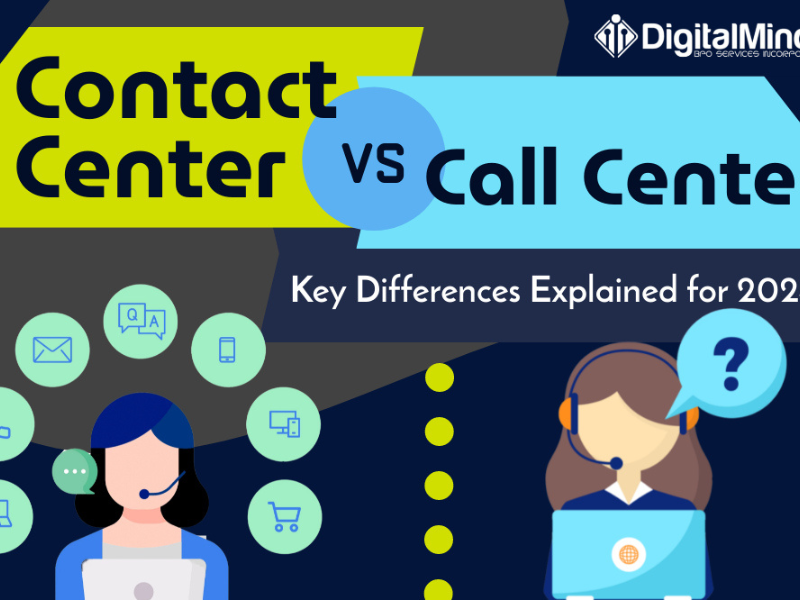
Yes, contact centers handle interactions across multiple channels like phone, email, chats, and social media, while call centers focus on telephone communication. Contact center best practices expand on call center strategies with an additional emphasis on omnichannel communication and customer journey continuity.

更多信息

What is CCaaS? A Simple Guide to Contact Center as a Service

Top Enterprise Contact Center Solutions 可扩展支持

目录

索引