
A father calls 911. His daughter is unconscious, not breathing. The voice on the other end stays calm, asks three critical questions, and within 90 seconds, an ambulance is dispatched while the dispatcher guides him through CPR. By the time paramedics arrive, the girl’s heart is beating again.
That 90-second window—from panic to coordinated action—is where emergency medical call centers operate. They are the invisible first responders, making life-or-death decisions with incomplete information, frantic callers, and relentless time pressure.
Yet most people only know the number: 911. They don’t see the systems, protocols, and human judgment that turn a crisis call into a coordinated rescue. They don’t understand why some calls get answered in seconds while others wait. They don’t know what separates a flawless response from a preventable tragedy.
This guide lifts that curtain. You’ll see exactly how emergency medical call centers work—from the moment a call arrives to the moment help reaches the scene. You’ll learn how performance is measured, what goes wrong under pressure, and what actually improves outcomes when seconds count.
Key Takeaways at a Glance
- Every second counts—literally. In cardiac arrest cases, each minute without CPR reduces survival chances by 7-10%. Emergency call centers that recognize cardiac arrest within 60 seconds and coach bystander CPR can double or triple survival rates.
- Dispatchers don’t diagnose—they triage. They use structured protocols to sort calls by urgency (not medical condition), ensuring the sickest patients get resources first during system overload.
- Speed and accuracy must balance. Answer calls too slowly, and critical patients lose time. Classify them wrong, and ambulances go to the wrong place—or arrive too late.
- High call volume breaks systems. During disasters or flu season spikes, call centers can see 300% normal volume. Without surge capacity plans, response times collapse and preventable deaths occur.
- The hidden killer is burnout. Dispatchers hearing trauma daily experience PTSD rates comparable to combat veterans. Burned-out staff make more errors, quit faster, and cost systems both lives and money.
What Are Emergency Medical Call Centers?

Emergency medical call centers are the nerve centers of emergency response systems. They are staffed facilities—sometimes standalone buildings, sometimes embedded in fire departments or hospitals—where trained dispatchers answer crisis calls 24/7/365 and coordinate the entire emergency medical response.
In the United States, these centers typically operate as part of the 911 system, but their structure varies dramatically:
- Centralized regional hubs serve multiple counties (example: a single center covering 500,000+ residents across rural and suburban areas)
- City-specific centers operate independently (example: New York City’s 911 system handles 30,000+ calls daily with dedicated EMS dispatchers)
- Hybrid systems where fire, police, and EMS share dispatchers or use separate specialized teams
Regardless of structure, their core mission is the same: transform a panicked phone call into coordinated, life-saving action.
They are communication hubs, but that undersells their role. They:
- Answer emergency calls (often within seconds, even during system overload)
- Assess urgency using structured medical questioning (not diagnosis)
- Dispatch ambulances and first responders based on severity, location, and resource availability
- Provide pre-arrival instructions (CPR coaching, bleeding control, choking relief) that can save lives before help arrives
The Role of Emergency Medical Call Centers in Emergency Care
Emergency medical call centers are the entry point to emergency care. Every decision made here affects what happens next.
Dispatchers must quickly understand what’s happening, where it’s happening, and how serious it is. They do this without seeing the patient and often with panicked callers.
Key responsibilities include:
- Identifying life‑threatening situations early
- Prioritizing calls during high demand
- Sending the right resources to the right place
- Supporting callers with clear instructions
Consider cardiac arrest. Early recognition and immediate CPR instructions can double or triple survival chances. A delay of even one minute can change outcomes.
The same applies to trauma, stroke, or severe bleeding. If a call is misclassified as low priority, help arrives too late. If it’s overclassified, critical resources may be unavailable elsewhere.
Emergency medical call centers don’t provide treatment, but their decisions shape every treatment that follows.
How Emergency Medical Call Centers Operate Step by Step

Call Reception and Initial Assessment
Step 1: Call Reception and Initial Assessment (Target: 10-15 seconds)
The moment someone dials 911, the clock starts. The call routes automatically to the nearest available dispatcher based on the caller’s phone location (for mobile) or registered address (for landlines).
The dispatcher’s first 15 seconds determine everything that follows:
1. Answer immediately (industry standard: 90% of calls within 10 seconds)
- Every second of ring time increases caller panic
- In cardiac arrest, even 20 seconds of delay reduces bystander CPR rates
- Centers track “time to answer” as a core performance metric
2. Secure location FIRST—before asking anything else
- “What is your emergency?” comes AFTER “What’s the address of your emergency?”
- Why? Mobile calls can drop. Panicked callers can hang up. If the line goes dead without a location, responders have nowhere to go.
- In practice: “911, where is your emergency?” then immediately, “What’s happening there?”
3. Identify immediate life threats in under 30 seconds
- Is the patient conscious?
- Is the patient breathing?
- Is there severe bleeding or trauma?
These three questions screen for conditions where every second matters: cardiac arrest, choking, major trauma, severe allergic reactions.
4. Log details into the CAD system (Computer-Aided Dispatch)
CAD is the software backbone. As the dispatcher types, the system:
- Time-stamps every action
- Suggests nearest available ambulances
- Alerts EMS crews in real-time
- Records the entire call for quality review
Example in action:
Dispatcher: “911, where is your emergency?”
Caller: “123 Maple Street, my dad collapsed!”
Dispatcher: [typing location into CAD] “Is he conscious? Is he breathing?”
Caller: “No! He’s not moving!”
Dispatcher: [flags cardiac arrest protocol, dispatches ambulance] “Help is on the way. I’m going to tell you how to do CPR. Are you with him now?”
From call pickup to ambulance dispatch: 45 seconds.
Patient Information Triage
Triage means sorting calls by urgency, not diagnosing conditions.
Dispatchers follow structured protocols that guide questioning:
- Is the patient conscious and breathing?
- What symptoms are present?
- How quickly did the problem start?
High‑priority cases include cardiac arrest, severe breathing problems, or major trauma. Low‑priority cases may involve minor injuries or stable symptoms.
Example:
- Chest pain with shortness of breath → high priority
- Small cut with controlled bleeding → lower priority
Medical Dispatch and Resource Allocation
Once urgency is set, dispatchers choose resources.
They balance:
- Severity of the case
- Distance to available units
- Type of care needed
| Scenario | Typical Resource |
|---|---|
| Cardiac arrest | Advanced life support ambulance |
| Minor injury | Basic ambulance or referral |
| Multiple casualties | Multiple units + supervisors |
Over‑triage wastes resources. Under‑triage risks lives. Accuracy is the goal.
Ongoing Communication and Call Monitoring
Many calls stay open until help arrives.
Dispatchers may:
- Give CPR or bleeding‑control instructions
- Update EMS crews in real time
- Manage multiple calls at once
Scenario: A dispatcher stays on the line coaching CPR while updating the ambulance on patient status.
This continuous link improves readiness before responders reach the scene.
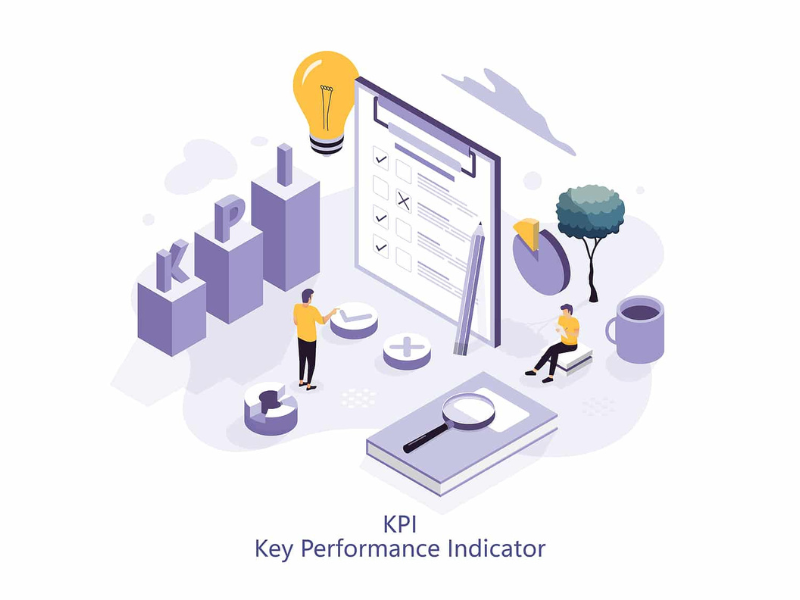
Key Performance Indicators Used to Evaluate Emergency Medical Call Centers
Call Handling Time
Call handling time measures how quickly calls are answered and processed.
Shorter times mean:
- Faster dispatch
- Less caller anxiety
- Better survival chances
Speed alone isn’t enough, but delays at this stage affect the entire response chain.
Medical Dispatch Accuracy
Accuracy reflects how well call priority matches real patient need.
Poor accuracy leads to:
- Under‑triage: delayed care for critical patients
- Over‑triage: system overload
Accurate dispatch improves patient safety and system balance.
Emergency Response Time Coordination
Response time includes:
- Call processing
- Dispatch decision
- Travel time
Traffic, weather, and staffing affect outcomes, but coordination reduces avoidable delays.
Quality Assurance and Continuous Monitoring
Quality assurance relies on regular review.
Common methods include:
- Call recording audits
- Protocol compliance checks
- Feedback from field crews
Strong feedback loops drive steady improvement.
Common Challenges Faced by Emergency Medical Call Centers
High Call Volume and Peak Demand
Disasters, severe weather, and pandemics can overwhelm systems.
Effects include:
- Longer wait times
- Dispatcher fatigue
- Higher error risk
Miscommunication and Incomplete Information
Challenges often stem from:
- Caller panic
- Language barriers
- Unclear locations
Structured questioning reduces errors but can’t eliminate them.
Dispatcher Stress and Burnout
Dispatchers hear crises daily.
Chronic stress leads to:
- Reduced focus
- Higher turnover
- Lower performance
Supporting staff is a safety issue, not a perk.
Technology and System Limitations
Outdated systems cause friction.
| Modern Systems | Outdated Systems |
|---|---|
| Integrated data | Manual handoffs |
| Real‑time updates | Delayed information |
Technology should simplify work, not slow it down.
How Emergency Medical Call Centers Impact Patient Outcomes
Emergency medical call centers directly influence survival.
Faster recognition of cardiac arrest leads to earlier CPR. Accurate stroke identification speeds hospital readiness. Clear instructions reduce complications before EMS arrives.
Key impacts include:
- Shorter time to first treatment
- Better resource matching
- Improved system reliability
Even small improvements at the call center level scale across thousands of calls each year.
Practical Strategies to Improve Emergency Medical Call Center Performance
Improving Dispatcher Training Programs
Effective training focuses on:
- Standard certification
- Scenario‑based simulations
- Communication under stress
Ongoing refreshers matter more than one‑time courses.
[Ảnh: training simulation]
Optimizing Triage Protocols and Workflows
Simpler protocols reduce errors.
Best practices include:
- Clear priority definitions
- Regular updates
- Reduced unnecessary branching
Leveraging Technology Without Over-Complexity
Technology should assist, not replace, judgment.
| Benefit | Risk |
|---|---|
| Faster data access | Alert overload |
| Decision support | Over‑reliance |
AI‑assisted triage works best as support, not authority.
Supporting Dispatcher Mental Health
Effective support includes:
- Access to counseling
- Predictable scheduling
- Early stress intervention
Healthy dispatchers make better decisions.
Enhancing Coordination Across the EMS System
System‑wide coordination improves outcomes.
Key actions:
- Real‑time data sharing
- Feedback from hospitals
- Unified performance goals
Differences in Emergency Medical Call Centers Across Regions
| US | Europe |
|---|---|
| Localized funding | National coordination |
| Variable standards | More uniform protocols |
Policy and funding shape performance more than geography.
The Future of Emergency Medical Call Centers
Key trends include:
- Smarter decision support tools
- Expanded multilingual access
- Stronger system resilience planning
The focus is reliability, not hype.
Frequently Asked Questions (FAQ)

How fast should emergency calls be answered?
Most systems aim to answer the majority of calls within seconds. Faster answers improve outcomes and reduce caller panic.
Do dispatchers diagnose medical conditions?
No. Dispatchers assess urgency using protocols but do not diagnose or provide medical opinions.
Can technology replace human dispatchers?
No. Technology supports decision‑making, but human judgment remains essential in emergencies.
Why do some emergencies get slower responses?
High call volume, limited resources, and miscommunication can delay response despite best efforts.
Emergency medical call centers save lives before an ambulance ever arrives. Improving training, workflows, and coordination doesn’t just improve metrics—it changes outcomes. Supporting these systems means faster care, safer communities, and more lives saved when it matters most.
Frequently Asked Questions (FAQ)
What is an emergency medical call center?
An emergency medical call center is a facility staffed by trained dispatchers who manage medical emergencies by receiving calls, assessing the situation, and coordinating appropriate resources like ambulances or responders.
How do emergency medical call centers evaluate calls?
Call centers use structured protocols, such as Medical Priority Dispatch Systems (MPDS), to triage calls based on severity, urgency, and resource need, ensuring critical patients receive priority care.
What is the average response time for emergency medical call centers?
Response time varies but typically ranges from 1-2 minutes for call triage and 8-15 minutes for ambulance dispatch, depending on location, traffic, and resource availability.
What should I do when calling an emergency medical call center?
Stay calm, provide your location, describe the medical emergency clearly, and follow any instructions given by the dispatcher, such as performing CPR or controlling bleeding.
Can technology improve performance in emergency medical call centers?
Yes, technologies like computer-aided dispatch (CAD) systems, GPS tracking, and AI-assisted triage can enhance efficiency, accuracy, and resource allocation in emergency responses.
How do call centers reduce dispatcher stress and burnout?
Call centers support mental health with counseling, adequate staffing, rotating shifts, and stress management programs to enhance resilience and performance under pressure.
Why is accurate location information important for emergency responses?
Accurate location details help dispatchers direct emergency responders quickly, optimizing response time and potentially saving lives, especially in time-critical situations like cardiac arrest.
Are there differences between emergency medical call centers in the US and other regions?
Yes, differences often lie in funding, protocols, and resource availability. For example, the US relies heavily on 911 systems, while Europe often uses a mix of public and private services.
What are the key metrics used to evaluate emergency medical call centers?
Common performance indicators include call handling time, dispatch accuracy, response times, and quality assurance measures to ensure effective service and improved patient outcomes.
Read more:
Customer Service Best Practices: 12 Proven Ways to Improve CX
CX Leaders Challenges 2026: Proving Value in an AI Era


 English
  Russian
  Chinese