
Most growing businesses hit the same bottleneck: customer support volume doubles every 6-12 months, but hiring and training in-house teams takes 8-12 weeks minimum. For companies launching new products, expanding into new markets, or handling seasonal spikes, this lag creates real problems—missed revenue, poor customer experience, and burned-out existing staff covering the gap.
Contact center outsourcing solves the timing problem. Instead of building everything in-house, you partner with specialized providers who already have trained agents, multi-channel infrastructure, and proven processes. The result: you can scale support capacity in 2-6 weeks instead of 3-6 months, convert fixed costs to variable costs, and maintain service levels during growth periods.
This guide walks through how contact center outsourcing actually works in practice—from choosing vendors to managing quality to measuring ROI. You’ll learn when outsourcing makes business sense, what realistic costs look like, and how to avoid common implementation mistakes that tank service quality.
Key Takeaways

-
- Speed advantage: Outsourcing cuts setup time from 3-6 months (hiring in-house team) to 2-6 weeks (onboarding with established BPO). Critical for businesses that can’t wait months to launch support in new markets or channels.
- Cost structure shift: In-house teams cost $50,000-85,000 per agent annually (salary + benefits + infrastructure). Outsourcing converts this to $10-45/hour depending on location—offshore (Philippines/India) runs $10-18/hour, nearshore (Mexico/Colombia) $18-28/hour, onshore (US/Canada) $30-45/hour.
- Best fit scenarios: Companies with seasonal volume spikes (retail, tax services), rapid growth (startups scaling 100%+ year-over-year), or multi-lingual expansion (entering 3+ new countries simultaneously). Not ideal for highly complex products requiring deep expertise or premium customer segments expecting white-glove service.
- Quality requires active governance: Successful outsourcing needs 5-10 hours/week management oversight—weekly call reviews, monthly QA audits, quarterly business reviews. “Set it and forget it” approaches consistently fail, with CSAT dropping 15-25 points within 6 months.
- Realistic savings: Expect 40-60% total cost reduction vs building equivalent in-house team, but factor in 2-4 weeks initial ramp-up where quality may dip 10-15% as agents learn your product and processes.
What Is Contact Center Outsourcing?
Contact center outsourcing means hiring a third-party provider to manage customer interactions—phone calls, live chat, email, social messaging, and support tickets—on your behalf. It sits within Business Process Outsourcing (BPO), where companies delegate non-core operations to external specialists who already have the infrastructure, training, and processes in place.
Why businesses outsource customer support
The decision typically comes down to three factors:
1. Speed to scale: Hiring and training 20 in-house agents takes 3-4 months when you account for recruiting, onboarding, and reaching full productivity. Outsourcing to an established BPO can get you live in 2-6 weeks because they already have trained agents and multi-channel infrastructure ready. For time-sensitive launches—like a fintech app adding 24/7 support during a funding round, or an ecommerce brand preparing for holiday season—this speed difference is often the deciding factor.
2. Cost predictability: In-house teams carry fixed costs—salaries, benefits, office space, management overhead—regardless of call volume. If support tickets drop 40% during slow months, you’re still paying full team salaries. Outsourcing converts this to variable cost, making budgets more predictable and easier to adjust based on actual demand.
3. Channel expertise: Modern customers expect seamless support across phone, chat, email, and social media. Building this omnichannel capability in-house requires unified ticketing systems, workforce management software, quality assurance processes, and specialized training—capabilities most BPOs already have standardized and running. Instead of building from scratch, you plug into their existing infrastructure.
Example: An online gaming platform launches in three new markets (Brazil, India, Philippines). Instead of hiring 60 agents across time zones and languages, they outsource to a BPO with existing Portuguese, Hindi, and Tagalog-speaking teams. Time to launch: 4 weeks instead of 6+ months. Cost: $450,000/year instead of $2.1M+ for equivalent in-house team.
Inbound vs Outbound Support
- The skills and infrastructure requirements differ significantly:
- Inbound support handles incoming requests—customer service, technical troubleshooting, billing questions, order tracking. Success here requires product knowledge, empathy, and problem-solving skills. Average handle time runs 4-8 minutes per contact, and agents work from queues with fluctuating volume throughout the day.
- Outbound support focuses on proactive outreach—appointment setting, follow-ups, sales calls, renewals, collections. Success requires sales skills, resilience (handling rejection), and compliance awareness (TCPA regulations for US markets, GDPR for EU). Agents typically work from lists with specific daily/weekly targets (e.g., 60-100 calls per day, 15-20% connection rate).
Why this matters for outsourcing: Most BPOs specialize in one or the other. Inbound providers excel at handling high-volume customer service but lack sales training. Outbound specialists have dialer infrastructure and compliance expertise but struggle with technical support. If you need both, verify the provider has proven experience in your specific use case—ask for client references doing similar work.
Contact Center vs Call Center
The terminology matters for procurement and vendor evaluation:
| Aspect | Call Center | Contact Center | Business Impact |
|---|---|---|---|
| Channels | Phone only | Phone, chat, email, social | Contact centers reduce customer effort—one conversation continues across channels instead of restarting each time |
| Customer view | Fragmented (separate tickets per channel) | Unified (one conversation history) | Unified view cuts repeat questions by 30-40%, improving CSAT and reducing handle time |
| Reporting | Call metrics only (AHT, ASA, FCR) | Omnichannel analytics (cross-channel resolution, customer journey) | Better visibility into true customer experience, not just phone performance |
| Pricing model | Per seat or per minute | Often per interaction (varies by channel) | More complex billing but better aligned with actual workload—chat typically costs 40-60% less than voice per interaction |
| Use case | Basic phone support (e.g., order status hotline) | Modern CX operations (e.g., SaaS support, ecommerce customer service) | Contact centers handle 2-3x more volume per agent by mixing channels efficiently |
Example of unified vs fragmented experience:
Fragmented (call center): Customer starts chat session asking about order delay. Agent doesn’t see they called 2 hours ago about the same issue. Customer repeats entire story. Frustration increases.
Unified (contact center): Customer starts chat. Agent sees prior phone call in history: “I can see you spoke with Maria earlier about order #12345. Let me pick up where she left off…” Issue resolves faster, customer feels heard.
Why this matters for outsourcing: If you select a “call center” provider when you actually need multi-channel support, you’ll end up with siloed operations and poor customer experience. Always verify the provider can handle your actual channel mix—and that their reporting shows unified customer journeys, not just per-channel metrics.
Simple Example
An ecommerce brand outsources chat and phone support during peak seasons. The provider uses shared tools to access order data and FAQs. Customers get fast answers. The brand avoids hiring temporary staff.
How Contact Center Outsourcing Works in Practice
Step 1: Assess Business Needs and Support Volume
Start with clarity.
- Channels needed: phone, chat, email, social.
- Daily and peak ticket volume.
- Coverage hours and time zones.
- Languages and regional support needs.
- Service level expectations like response time and resolution time.
Do a rough cost comparison between hiring internally and outsourcing. Include hiring, training, management, and tools.
Step 2: Choose an Outsourcing Partner
Shortlist vendors based on fit, not hype.
- Industry experience with similar customers.
- Technology stack that integrates with your CRM (customer relationship management system).
- Cultural and language alignment with your customers.
- Clear pricing and transparent contracts.
Examples of providers include global BPO firms and regional specialists. Treat examples as references, not endorsements.
Step 3: Onboarding, Agent Training, and Knowledge Transfer
This phase decides success or failure.
- Share product documentation, workflows, FAQs, and edge cases.
- Define brand voice, tone, and escalation rules.
- Train agents on real scenarios, not scripts only.
A realistic onboarding timeline is 2–6 weeks, depending on complexity.
Step 4: Daily Operations and Performance Tracking
Once live, focus on visibility.
- Integrate the provider into your CRM and ticketing system.
- Set weekly or monthly performance reviews.
- Track agreed KPIs and listen to real interactions.
Treat the outsourced team as an extension of your business, not a black box.
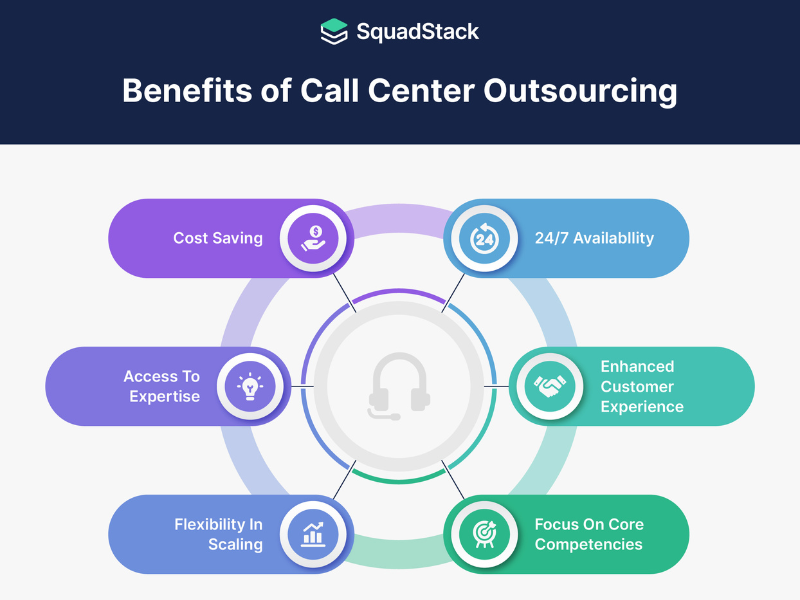
Key Benefits of Contact Center Outsourcing
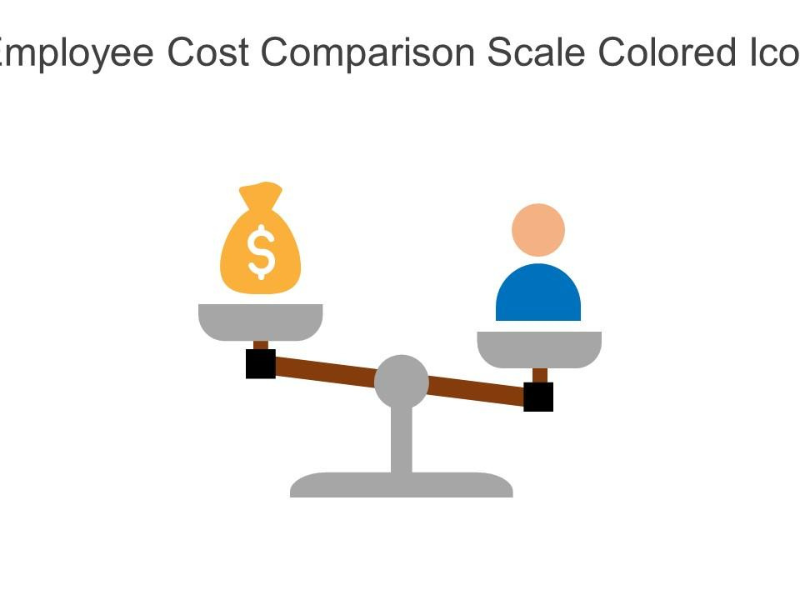
- 1. Lower operational costs—with realistic caveatsIn-house support teams carry fixed costs regardless of call volume. Here’s the typical breakdown per agent:
- Salary: $45,000-65,000 annually (US market, varies by region and experience)
- Benefits: +30% ($13,500-19,500) for health insurance, 401k, payroll taxes
- Infrastructure: $3,000-5,000 per seat annually (office space, hardware, software licenses)
- Management overhead: One supervisor per 10-15 agents ($65,000-85,000 salary)
Total cost per in-house agent: $58,000-85,000 annually
Outsourcing converts this to hourly variable cost:
- Offshore (Philippines, India): $10-18/hour per agent
- Nearshore (Mexico, Colombia): $18-28/hour per agent
- Onshore (US, Canada): $30-45/hour per agent
For a 20-agent team handling 40 hours/week:
- In-house annual cost: $1.16M-1.7M (fixed, paid regardless of volume)
- Offshore outsourcing: $333K-624K/year (60-70% savings)
- Nearshore outsourcing: $624K-1.04M/year (40-50% savings)
The caveat: These savings assume consistent service quality and minimal management overhead. Poor vendor selection or lack of governance often requires 10-15 hours/week internal oversight to maintain quality—reducing actual savings to 20-30%. The math only works if you choose the right provider and stay actively involved in performance management.
When cost savings matter most: Seasonal businesses (retail during holiday), early-stage companies (limited runway), or high-volume transactional support (ecommerce order status) where service interactions are relatively simple and standardized.
When cost savings matter less: Premium customer segments (enterprise SaaS), complex technical products (B2B software requiring deep expertise), or industries where customer lifetime value is high and retention depends on exceptional support quality.
- 2. Faster scalability—critical during growth or seasonal spikesThe speed difference becomes business-critical during three scenarios:Scenario A: Unexpected growth spike
A fintech app launches a viral referral program. Support tickets jump from 300/day to 1,200/day within one week.
- In-house response time:
- Week 1: Post job listings, reach out to recruiters
- Weeks 2-4: Screen candidates, conduct interviews
- Weeks 5-6: Hire and onboard new agents
- Weeks 7-10: Train on product, systems, and processes
- Total time to full productivity: 10-12 weeks
- During this gap: Wait times spike to 45+ minutes, CSAT drops from 82% to 58%, negative app store reviews accumulate, customer churn increases 15-20%
- Outsourcing response time:
- Day 1-2: Contact BPO partner, share volume projection
- Days 3-7: BPO allocates agents from existing trained pool
- Week 2: Brief agents on product specifics and current hot issues
- Total time to operational capacity: 1-2 weeks
- Result: Wait times stay under 5 minutes, CSAT stabilizes at 78-80% (slight dip during ramp-up), minimal churn impact
Time advantage: 8-10 weeks faster → difference between capturing growth opportunity and losing customers to competitors with better response times.
Scenario B: Seasonal volume swings
An online gaming platform experiences 250% volume increase during major sports events (World Cup, Super Bowl, playoffs). Base load: 30 agents. Peak load: 75 agents needed for 4-6 weeks/year.
- In-house challenge:
- Hiring 45 temporary agents for 6 weeks is inefficient
- Recruiting and training cost: $180,000-270,000
- Agents leave after peak season, requiring repeat hiring next year
- Alternative: Maintain 75 agents year-round and accept 60% unused capacity 10 months/year (massive waste)
- Outsourcing solution:
- Maintain 30 baseline agents (in-house or outsourced)
- Contract with BPO for 45 flex agents during peak periods only
- Activate/deactivate within 1-2 weeks as needed
- Annual cost comparison:
- 75 in-house year-round: $4.35M-6.38M
- 30 baseline + 45 outsourced (6 weeks): $1.74M + $270K = $2.01M
- Savings: $2.34M-4.37M annually (54-69% reduction)
Scenario C: Multi-market expansion
A crypto exchange expands from English-only to Spanish (LATAM), Portuguese (Brazil), and Tagalog (Philippines) simultaneously.
- In-house timeline:
- 4-6 months to hire native speakers in each language
- Staggered launches (one market every 4-6 months = 12-18 months total)
- Limited talent pool in each geography
- Training cost: $120,000-180,000 per market
- Outsourcing timeline:
- BPOs already have multilingual talent pools
- Launch all three languages simultaneously in 4-6 weeks
- Total cost: $450,000-600,000 for first year
- Time-to-market advantage: 12+ months faster → critical in competitive industries where first-mover advantage drives market share
Key insight: Scalability matters most when timing is competitive advantage—product launches, seasonal events, market expansion, or viral growth. For stable, predictable volume, the speed advantage is less valuable.
- In-house response time:
- Access to trained agents. Providers specialize in customer support and maintain ready talent pools.
- Multi-channel coverage. Outsourced contact centers support voice, chat, and email from day one.
- Improved customer experience. Consistent processes and coverage reduce wait times and missed requests.
- Operational focus. Your internal team stays focused on product and growth.
Mini example: A SaaS company scaled from weekday-only support to 24/7 coverage in one month by outsourcing night shifts.
Common Business Scenarios Where Outsourcing Makes Sense

- Rapid growth. Support demand grows faster than internal hiring capacity.
- Seasonal spikes. Retail and travel businesses handle short-term volume surges.
- Multilingual support. Expansion into new regions requires local language coverage.
- Limited internal expertise. Early-stage teams lack CX operations experience.
- Cost pressure. Businesses need predictable support costs without sacrificing quality.
In these cases, outsourcing buys speed and flexibility.
Potential Risks and Limitations to Consider

| Risk | Mitigation |
|---|---|
| Inconsistent brand voice | Clear training and call reviews |
| Quality control issues | Strong SLAs and QA sampling |
| Data security concerns | Compliance checks and access control |
| Less product context | Ongoing knowledge updates |
| Vendor dependency | Exit clauses and hybrid models |
Outsourcing works when governance is active, not passive.
Types of Contact Center Outsourcing Models
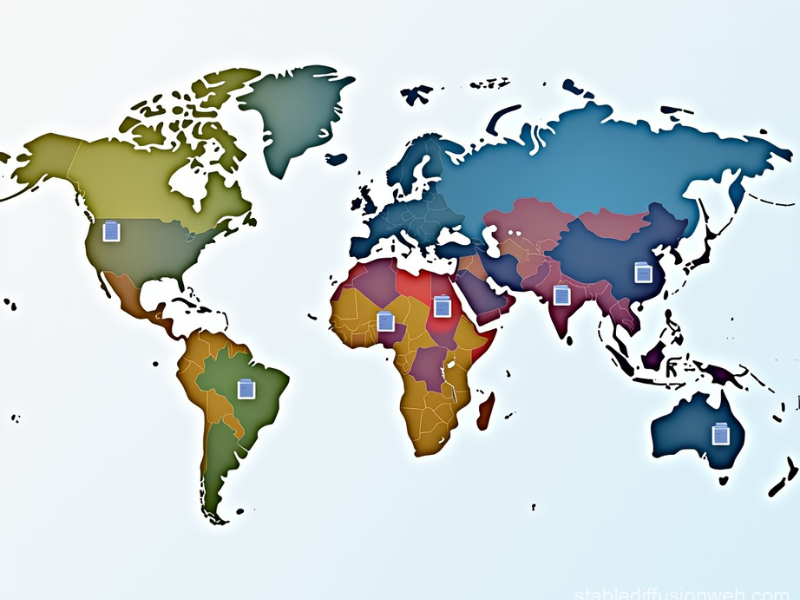
| Model | Best For | Key Trade-off |
|---|---|---|
| Onshore | High-touch support | Higher cost |
| Nearshore | Time zone alignment | Limited talent pool |
| Offshore | Cost efficiency | Accent and cultural gaps |
[Ảnh: World map highlighting regions]
In-House vs Contact Center Outsourcing
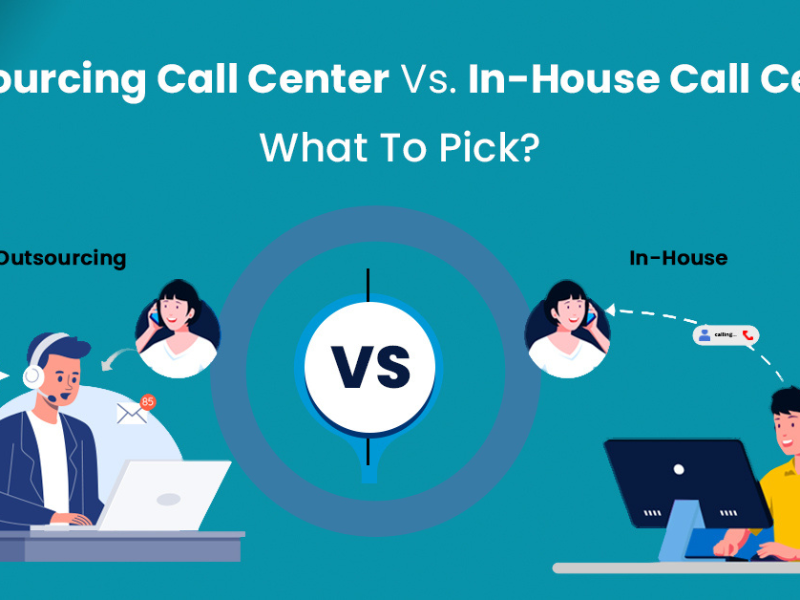
In-house teams offer control and deep product knowledge. Outsourced teams offer speed and flexibility.
| Factor | In-House | Outsourced |
|---|---|---|
| Cost structure | Fixed | Variable |
| Scalability | Slow | Fast |
| Setup time | Long | Short |
| Control | High | Shared |
Many businesses adopt a hybrid model: core support in-house, overflow outsourced.
How to Choose the Right Contact Center Outsourcing Partner

- Define success first. Know your KPIs, budget, and non-negotiables.
- Check relevant experience. Similar industry beats generic scale.
- Evaluate technology fit. CRM integration is mandatory.
- Review training approach. Ask how agents learn your product.
- Inspect QA processes. Sampling, scoring, and coaching matter.
- Ask the hard questions. Attrition rates, escalation handling, data access.
- Watch for red flags. Vague pricing, no SLAs, or poor transparency.
Choose a partner you can work with weekly, not just contract with.
Performance Metrics to Measure Success

- CSAT (Customer Satisfaction Score): Shows how customers feel after interactions.
- FCR (First Contact Resolution): Measures issue resolution without follow-ups.
- AHT (Average Handle Time): Tracks efficiency without encouraging rushed calls.
- Service level: Confirms response time commitments are met.
Contact Center Outsourcing vs CCaaS

- Outsourcing provides people and operations.
- CCaaS (Contact Center as a Service) provides software and tools.
- A hybrid approach uses CCaaS tools with outsourced agents for control and scale.
Is Contact Center Outsourcing Right for Your Business?
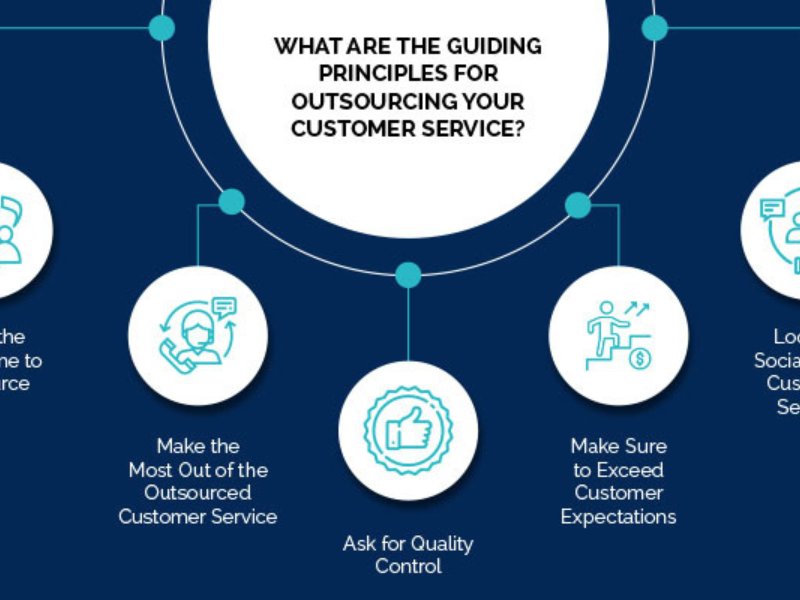
Ask yourself:
- Are support costs rising faster than revenue?
- Do customers expect faster or broader channel coverage?
- Is scaling internal support slowing growth?
- Can quality be maintained with clear processes?
If you answer yes to several, outsourcing is worth evaluating. Start with a pilot, not a full switch.
Frequently Asked Questions About Contact Center Outsourcing

What channels can outsourced contact centers handle?
Most providers support phone, chat, email, and social messaging from one system.
How do I control service quality with an external team?
Use SLAs, call reviews, shared dashboards, and regular feedback sessions.
Is contact center outsourcing secure?
Reputable providers follow data protection standards and restrict system access.
How long does it take to get started?
Typical onboarding takes 2–6 weeks, depending on complexity.
Can I outsource only part of my support?
Yes. Many companies outsource overflow, after-hours, or specific channels.
Conclusion & CTA

Contact center outsourcing gives businesses a practical way to control costs, scale support, and improve customer experience. The key is choosing the right partner and staying involved.
If you are evaluating customer support options, map your needs and speak with providers to compare real trade-offs.
Read more:
Benefits of Omnichannel Customer Service for Growth
Bogota Colombia Outsourcing Destination: Practical US Guide


 English
  Russian
  Chinese