
Customer experience management helps you design, control, and improve every interaction customers have with your brand. This guide explains what CXM is, why it matters today, and how you can implement it step by step to increase satisfaction, loyalty, and long-term growth.
Key Takeaways About Customer Experience Management
- Customer experience management focuses on the full customer journey rather than isolated interactions—ensuring customers don’t experience inconsistent service when moving from sales calls to support tickets to billing inquiries. When implemented well, CXM directly impacts satisfaction, loyalty, and brand advocacy by creating predictable, positive experiences across every touchpoint. Strong CXM programs reduce churn by catching friction points early, addressing problems before customers decide to leave.
- CXM and CRM serve different purposes but work best when combined.
- Journey mapping is the foundation of any effective CXM strategy.
- Consistent omnichannel experiences build trust and reduce friction.
- Feedback only creates value when you act on it and close the loop.
What Is Customer Experience Management?

Customer Experience Management Meaning in Simple Terms
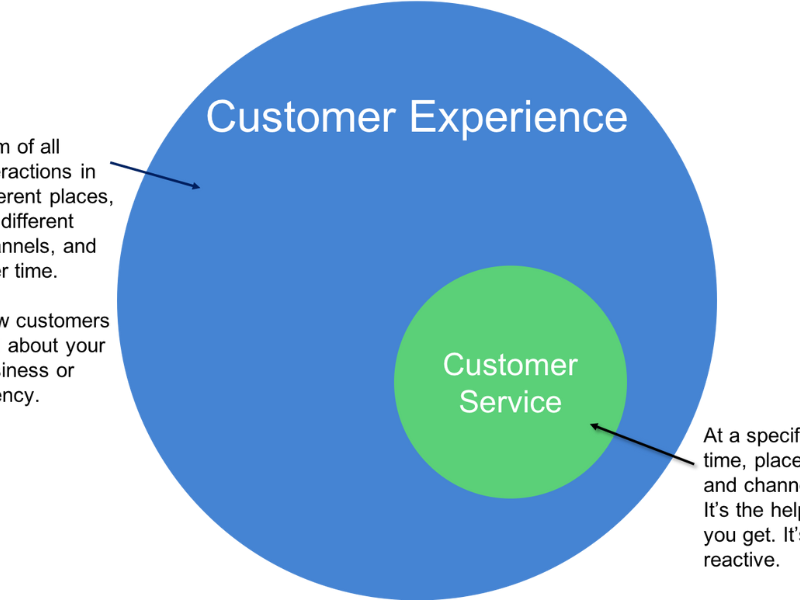
Customer experience management (CXM) is how a business plans, tracks, and improves every interaction a customer has with the brand to create a consistent and positive experience.
What CXM Covers Across the Customer Journey
CXM spans the entire customer journey, from first awareness to long-term loyalty. It ensures each touchpoint works together instead of in isolation.
- Discovery and marketing touchpoints
CXM looks at how customers first encounter your brand—through ads, content, or referrals. Clear messaging and realistic promises matter because they shape expectations from day one. If your marketing promises 24/7 support but customers later discover support only operates weekdays, that gap creates immediate distrust that colors every future interaction. - Evaluation and decision stage
Website usability, pricing clarity, and sales conversations all influence trust during the decision stage. CXM identifies and removes friction that slows decisions—confusing pricing tiers, unclear product comparisons, or sales reps who can’t answer technical questions create doubt that delays purchases or sends prospects to competitors. - Purchase and onboarding
Smooth checkout processes, clear confirmation messaging, and guided onboarding reduce customer anxiety during the critical first days. This stage is where many experiences break down without CXM oversight: customers receive their welcome email but can’t figure out how to activate their account, or they complete purchase but receive no communication about next steps for three days. - Product or service usage
CXM tracks how customers actually use what they bought, identifying patterns that indicate satisfaction or frustration. A customer who logs in daily for the first week then stops completely signals a problem worth investigating. Pain points during usage—confusing interfaces, missing features, or unclear value—often predict churn months before customers explicitly complain. - Support and issue resolution
Fast, empathetic support shapes how customers remember problems. A good recovery often builds more loyalty than a perfect first experience. - Retention and advocacy
Follow-ups, feedback requests, and loyalty programs turn satisfied customers into repeat buyers and advocates.
Why Customer Experience Management Matters for Businesses Today
How CXM Impacts Customer Satisfaction and Loyalty
Customer satisfaction results from repeated experiences that meet or exceed expectations—not from any single perfect interaction. CXM connects these individual experiences into one coherent journey, so customers feel like they’re dealing with one unified company rather than separate departments that don’t talk to each other.
When experiences feel consistent, customers trust the brand more. When experiences feel fragmented—when a customer has to re-explain their problem to three different support agents, or when the sales rep promised a feature the product team never built—confidence drops immediately. Customers start questioning whether the company can actually deliver on its promises.
Research from McKinsey shows companies leading in customer experience grow revenues 5-10% faster than competitors while achieving 20% higher customer satisfaction scores. Gartner research consistently links strong CX programs to measurably higher loyalty and advocacy—customers who rate their experience as “easy” are 94% more likely to repurchase and 88% more likely to increase spending.
Effective CXM creates three key business impacts. First, customers feel understood rather than processed—when a support agent sees the full history of previous interactions, customers don’t waste time re-explaining their situation. Second, issues get resolved faster because teams share context across departments—the billing team knows what the sales rep promised, reducing contradictions and confusion. Third, positive experiences compound over time, increasing customer lifetime value as satisfied customers buy more, stay longer, and refer others.
Consistent experiences matter more than occasional “wow” moments. CXM makes consistency possible at scale.
The Role of CXM in Customer Retention and Churn Reduction
Churn is when customers stop doing business with you. Most churn is preventable and tied directly to poor experiences.
CXM reduces churn by making problems visible early and enabling proactive action.
CXM reduces churn through four mechanisms that catch problems early. First, it captures feedback at critical moments—post-purchase surveys, support interaction ratings, or usage milestone check-ins—detecting frustration before it escalates into cancellation decisions. Second, it connects behavioral signals across channels: a customer who complained via email, then called support twice in one week, then stopped logging in entirely shows a clear pattern worth immediate attention. Third, CXM enables proactive outreach based on these signals rather than waiting for customers to submit cancellation requests. Finally, it improves recovery experiences when problems occur—because having full context about what went wrong allows teams to fix issues faster and rebuild trust more effectively.
Keeping an existing customer costs far less than acquiring a new one. CXM shifts the focus from reactive retention to preventive experience design.
CXM as a Driver of Business Growth Strategy
CXM supports sustainable growth by aligning the business around customer needs.
- Better experiences increase repeat purchases and referrals.
- Loyal customers are less price-sensitive and more forgiving.
- Insights from CXM guide product and service improvements.
Customer-centric companies grow by design, not by chance.
Customer Experience Management vs CRM
Key Differences Between CXM and Customer Relationship Management
| Aspect | CXM | CRM |
|---|---|---|
| Primary focus | Customer perceptions and experiences | Customer data and relationships |
| Scope | End-to-end customer journey | Sales, marketing, and service records |
| Goal | Satisfaction, loyalty, advocacy | Efficiency and revenue tracking |
| Key question | How does the customer feel? | What did the customer do? |
CRM manages information—tracking customer data, interaction history, and transaction records. CXM manages experience—focusing on how customers perceive those interactions and whether the journey feels smooth or frustrating. While related, they serve different purposes and answer different questions. CRM tells you what happened; CXM tells you how it felt and why it matters.
How CXM and CRM Work Together in Practice
- CRM provides customer history and interaction data.
- CXM uses that data to design better experiences.
- Together, they enable relevant, timely, and consistent interactions.
CRM is the engine. CXM is the steering wheel.
When CRM Alone Is Not Enough
CRM systems rarely capture emotions, expectations, or friction points. They show what happened, not how it felt.
CRM systems capture transactions but rarely capture the emotional reality of customer experiences. Experience gaps that CRM typically misses include confusing handoffs between teams—when sales promises a feature that support doesn’t know about, or when billing can’t see support ticket history and asks customers to re-explain refund requests. CRM also misses inconsistent tone across channels: professional and helpful via email but rushed and dismissive on phone calls, creating an unpredictable brand experience. Finally, CRM logs repetitive processes but doesn’t flag the frustration they cause—like requiring customers to verify their identity three separate times during one call, or asking for the same information on every support interaction because systems don’t share data.
CXM fills these gaps by focusing on perception, not just transactions.
Core Components of Effective Customer Experience Management
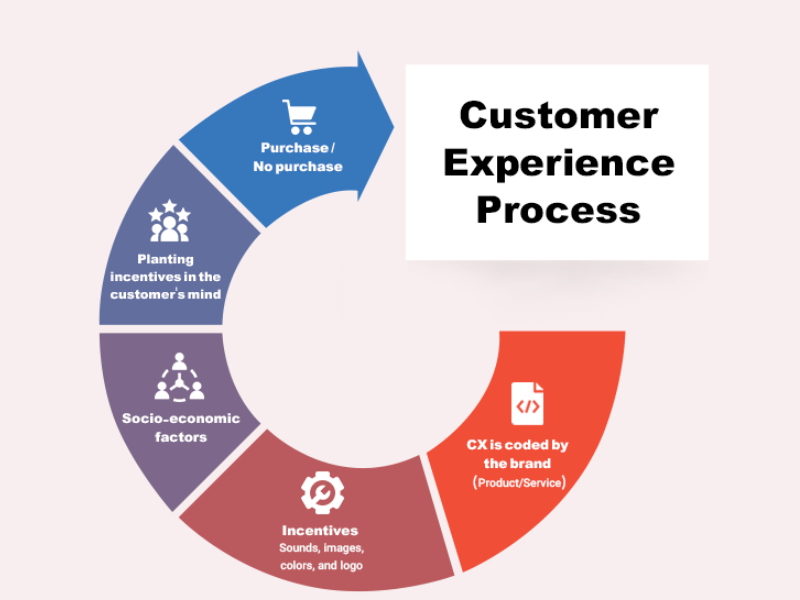
Customer Journey Mapping and Optimization
Customer journey mapping visualizes how customers move through your business and where friction appears.
Basic steps:
- Define key journey stages such as awareness, purchase, usage, and support.
- List touchpoints customers use at each stage.
- Identify pain points and moments of truth where experience matters most.
- Prioritize fixes based on impact and effort.
Example: SaaS Onboarding Journey Map
A SaaS company maps their onboarding journey and discovers 45% of trial users abandon the product during initial setup. By analyzing where exactly users stop:
- 60% quit during the API integration step (too technical, unclear documentation)
- 25% quit when asked to configure settings with no default recommendations
- 15% complete setup but never invite team members (unclear value in doing so)
By simplifying the API integration with one-click templates, providing smart defaults for settings, and adding an onboarding checklist highlighting team collaboration features, activation rates improved from 55% to 78% within two months.
Omnichannel Customer Experience Consistency
Omnichannel means customers move between channels without friction. The experience should feel continuous, not fragmented.
Inconsistent omnichannel experiences create three major problems. First, customers face repeated questions and explanations—starting a conversation via chat, continuing it by phone, then being asked to explain everything again via email wastes time and creates frustration. Second, customers receive conflicting information across channels: the website says shipping takes 3-5 days, the sales rep says 7-10 days, and the confirmation email says 2 weeks, destroying credibility. Third, inconsistency directly increases customer effort, and research consistently shows that high-effort experiences drive churn even when problems eventually get resolved.
To ensure consistency:
- Align messaging, policies, and tone across channels.
- Share customer context between teams.
- Design journeys from the customer’s perspective, not the channel’s.
Consistency reduces effort, which strongly correlates with satisfaction.
Personalization in CX Using Data-Driven Insights
Personalization tailors experiences based on behavior, preferences, and context.
Common data sources include usage data, purchase history, and feedback. AI-powered tools can help scale personalization, but simplicity matters.
When done well, personalization creates three key benefits. First, interactions become more relevant—customers see product recommendations based on actual purchase history rather than generic bestsellers, saving time and increasing purchase likelihood. Second, engagement and conversion rates improve because personalized messaging addresses specific needs rather than broadcasting generic value propositions. Third, personalization builds emotional connection when customers feel the company remembers their preferences and respects their context.
However, personalization fails when data quality is poor—recommending products customers already bought, sending birthday offers on the wrong date, or using incorrect names destroys trust faster than generic communication would. Overuse also backfires: referencing too many data points in one interaction feels intrusive rather than helpful, crossing the line from “they know me” to “they’re watching me too closely.” Effective personalization adds value without feeling creepy.
Effective personalization respects context and adds real value.
Feedback Loops and Continuous Improvement
A feedback loop turns customer input into action.
Effective feedback loops follow five connected steps. First, collect feedback through multiple channels—post-interaction surveys, online reviews, support tickets, and direct conversations—capturing input at moments when experiences are fresh. Second, analyze patterns rather than reacting to isolated comments; one customer complaining about slow shipping might be an outlier, but twenty customers mentioning it signals a systemic problem worth addressing.
Third, act on insights with clear ownership—assign specific people or teams responsibility for implementing changes, avoiding the common trap where feedback gets acknowledged but never addressed. Fourth, close the loop by informing customers what changed based on their input; this step transforms feedback from a perfunctory survey into genuine dialogue that builds trust. Finally, measure whether changes actually improved the experience and repeat the cycle, recognizing that customer needs evolve over time.
Closing the loop builds trust and shows customers they are heard.
How to Get Started With Customer Experience Management
Step 1: Define Your CX Vision and Goals
-
Start by clarifying what kind of experience you want to deliver—not vague aspirations like “world-class service,” but specific, observable characteristics. For example: “Customers can resolve common issues without contacting support” or “Every customer interaction feels consistent regardless of which team member they reach.”
Align these experience goals with business outcomes. If retention is your priority, focus CX efforts on onboarding and renewal experiences. If acquisition is the goal, focus on trial-to-paid conversion touchpoints. Set simple success metrics that directly measure experience quality: Net Promoter Score (NPS), Customer Effort Score (CES), or First Contact Resolution rate work better than vanity metrics like total support tickets handled.
Output: Clear CX direction stating what you’re optimizing for and how you’ll measure success.
Step 2: Map Your Current Customer Journey
-
Document how customers actually move through your business today, not how you wish they would. Shadow real customer interactions, review support tickets, and analyze drop-off points in your data to understand where journeys break down. Identify specific sources of friction (unclear instructions), delays (waiting three days for email responses), and confusion (conflicting information from different teams).
Focus your initial mapping efforts on high-impact stages—typically onboarding, first purchase, and support issue resolution—rather than trying to map every possible touchpoint at once. Starting broad and shallow allows you to identify the biggest problems quickly.
Output: Prioritized list of specific experience gaps with clear impact on business outcomes
Step 3: Fix the Biggest Pain Points First
-
Choose improvements that deliver clear customer impact without requiring months of development work. If customers repeatedly complain about confusing documentation, rewriting the top ten FAQ articles improves experiences immediately. If handoffs between sales and support create friction, establishing a shared notes system costs little but prevents repeated explanations.
Start small and test changes quickly rather than pursuing perfect solutions. A simple improvement implemented next week beats a comprehensive overhaul that takes six months. Involve cross-functional teams early—CX problems rarely have single-department solutions. Sales, support, product, and engineering need shared visibility into experience gaps and coordinated action to fix them.
Output: Visible improvements customers can feel within weeks, building momentum for larger CXM initiatives.
Step 4: Measure, Learn, and Iterate
- Track satisfaction, effort, and retention.
- Review feedback regularly.
- Adjust based on real behavior, not assumptions.
Output: Continuous CX improvement cycle.
Common Customer Experience Management Mistakes to Avoid
Treating CXM as a Software-Only Initiative
Many organizations buy expensive CX platforms expecting automatic improvement, then wonder why nothing changes. Tools don’t fix broken experiences by themselves—they only make existing processes visible and scalable. A journey mapping tool won’t tell you which touchpoints to prioritize or how to redesign them. A feedback platform won’t magically turn customer complaints into implemented improvements.
CX programs fail when companies focus on platform selection instead of process design and cultural change. Without clear ownership of customer experience, shared goals across departments, and commitment to acting on insights, even the best software sits unused while experiences remain fragmented. Strategy must come before software—understand what you need to accomplish, then choose tools that enable that work.
Ignoring Employee Experience and Internal Alignment
Employees deliver customer experiences directly—support agents, sales reps, account managers, and delivery teams all shape how customers perceive your brand. When these employees lack clear guidance, don’t have access to relevant customer context, or work toward conflicting goals, they create inconsistent customer interactions despite good intentions.
A support agent told to minimize handle time while also thoroughly resolving issues faces impossible trade-offs. A sales rep who doesn’t know what the product team is building makes promises the company can’t keep. Misaligned teams and poor employee experience guarantee poor customer experience, regardless of how much effort goes into journey mapping or feedback collection.
Collecting Customer Feedback Without Taking Action
Asking customers for feedback then doing nothing with it actively damages trust—worse than never asking at all. Customers who take time to complete surveys or provide detailed input expect companies to listen and respond. When nothing visibly changes and no one acknowledges their feedback, customers conclude the company doesn’t actually care about their opinions, just about appearing to care.
This mistake is extremely common. Organizations collect extensive feedback through multiple channels, analyze it thoroughly, present findings in meetings—then fail to implement any changes because “priorities shifted” or “resources weren’t available.” Always close the loop: either act on feedback and tell customers what changed, or explain why you can’t address specific issues right now. Acknowledgment with honest limitations builds more trust than silence after soliciting input.
Customer Experience Management Tools and Software Overview
CXM tools help manage data, feedback, and journeys at scale.
Common categories include:
- Customer feedback platforms
- Journey mapping tools
- Analytics and reporting solutions
- Integrated CX platforms
Use software when manual processes limit visibility or speed.
Real-World Examples of Customer Experience Management
-
Retail Example: Unified Returns Across Channels
A retail company allows customers to buy online and return in-store, or buy in-store and return by mail—creating convenience that increases initial purchase confidence. However, this capability requires strong system integration: store associates need real-time access to online order history, inventory systems must update across channels instantly, and return policies must remain consistent regardless of where customers complete the transaction.
When integration breaks down, the experience deteriorates quickly: customers arrive at stores to return online purchases but staff can’t locate the order, leading to delays and frustration. Successfully implementing omnichannel returns requires coordinated work across e-commerce platforms, point-of-sale systems, inventory management, and employee training—not just deciding to offer the feature.
-
SaaS Example: Guided Onboarding Optimization
A SaaS company discovers that 40% of trial users never complete initial product setup, abandoning during configuration steps. By implementing guided onboarding—progressive disclosure of features, contextual tooltips, and recommended settings based on user role—activation rates improve from 60% to 82%.
However, this improvement requires ongoing optimization, not one-time implementation. User behavior changes as features evolve, new user segments have different needs, and initial guidance that worked well becomes outdated. The company establishes quarterly onboarding reviews, analyzing where new users still drop off and continuously refining the guided experience based on behavioral data.
- Financial services: Proactive support builds trust but must balance compliance.
Each example shows trade-offs between effort and impact.
FAQ – Customer Experience Management Explained
What is the main goal of customer experience management?
The goal is to deliver consistent, positive experiences that increase satisfaction, loyalty, and long-term value.
Is CXM only for large companies?
No. Small and mid-sized businesses benefit by fixing high-impact experience gaps early.
How long does it take to see results from CXM?
Small improvements can show results in weeks. Cultural change takes longer but compounds over time.
Conclusion
Customer experience management is not a passing trend—it’s fundamental business discipline that directly shapes how customers perceive your brand at every interaction. Organizations that treat CX as strategic priority rather than nice-to-have initiative consistently outperform competitors in retention, loyalty, and growth.
Strong CXM reduces churn by catching problems early, builds loyalty through consistent positive experiences, and supports sustainable growth by turning satisfied customers into advocates. It aligns previously siloed teams around a shared goal: delivering experiences customers actually want, not experiences companies find convenient to provide.
Start with manageable scope rather than attempting comprehensive transformation immediately. Map one critical customer journey end-to-end. Identify the three biggest pain points in that journey. Fix one of them completely within the next month. Collect feedback on whether the change actually improved the experience. Use that learning to guide the next improvement.
The companies winning on customer experience didn’t achieve it through grand CX strategies launched all at once. They achieved it through consistent, incremental improvements guided by real customer feedback and measured by actual behavior changes. Your first step: choose one journey to map this week.
Read more:
Call Center Outsourcing Singapore: Costs and Compliance
Call Center SLA Template: Simple Structure and Real Examples



 English
  Russian
  Chinese