
Contact center training determines whether your agents resolve issues in one call—or create repeat contacts that cost you $5-15 each.
In high-volume operations, the difference between trained and untrained agents shows up immediately: longer handle times, lower first-call resolution, higher escalations, and frustrated customers who call back multiple times.
This guide is for operations managers, HR/L&D leaders, and business owners who need to build or improve training programs that deliver measurable results. You’ll get practical frameworks, implementation steps, and metrics to track ROI—not theory.
Contact center training is a structured program that prepares agents, supervisors, and managers to handle customer interactions across phone, chat, email, and social channels while maintaining speed, quality, and compliance.
Unlike general customer service training, contact center programs focus on:
- High-volume environments where small efficiency gains multiply across thousands of interactions daily
- Strict performance metrics like Average Handle Time (AHT), First Contact Resolution (FCR), and Customer Satisfaction (CSAT)
- Specialized technology including CRM systems, predictive dialers, call recording, and quality monitoring tools
- Regulatory compliance particularly critical in financial services, healthcare, and other regulated industries
The challenge: Traditional training takes 10-12 weeks before new agents reach full productivity. For fast-growing operations or seasonal businesses, that timeline is too slow and too expensive.
Key Takeaways

- Effective contact center training directly improves customer experience, agent performance, and operational efficiency.
- Core training should balance communication skills, emotional intelligence, product knowledge, and technology basics.
- Blended learning consistently delivers better results than relying on a single training format.
- Measuring training impact with the right metrics is essential to justify investment and drive continuous improvement.
What Is Contact Center Training?

Contact center training is structured education designed to prepare agents, supervisors, and managers to handle customer interactions across channels like phone, chat, email, and social.
Unlike general customer service training, it focuses on high-volume environments, strict performance metrics, and specialized tools.
Common areas include:
- Call center and omnichannel support workflows
- Customer support communication standards
- Contact center technology and quality controls
Why Contact Center Training Matters for Business Performance

Contact center training has a direct, measurable impact on business results. In high-volume environments, small skill gaps scale into major costs—a single untrained agent handling 50 calls daily creates 250 preventable issues per week.
Impact on Customer Experience
Well-trained agents resolve issues faster and more accurately, which reduces customer effort and prevents the frustration that drives churn.
Specific improvements:
Higher CSAT scores: Trained agents use clearer communication and avoid unnecessary transfers. Industry data shows training programs typically increase CSAT by 8-15 percentage points within 90 days.
Example: An agent trained in de-escalation techniques handles an angry customer disputing a charge. Instead of immediately offering a refund (which may not be policy), they acknowledge the frustration, explain the investigation process, and set a clear timeline. The customer feels heard even if the outcome isn’t immediate—CSAT stays high.
Better first contact resolution: Agents who understand products, policies, and systems solve problems without callbacks or escalations. Industry benchmark for FCR is 70-75%; untrained teams often sit at 55-65%.
The math: A contact center handling 5,000 calls daily at 65% FCR generates 1,750 repeat contacts. Improving to 75% FCR reduces repeats to 1,250—saving 500 contacts daily. At $5 per contact, that’s $2,500 saved per day ($75,000 monthly).
Consistent quality across channels: Customers expect the same experience whether they call, chat, or email. Training ensures agents apply the same problem-solving approach regardless of channel.
Challenge: Untrained agents often provide different answers to the same question depending on channel—phone agents may have access to information that chat agents don’t, creating inconsistency that damages trust.
Impact on Agent Performance
Training sets clear expectations and builds confidence. Agents who understand the process spend less time guessing, which directly improves efficiency and reduces stress.
Measurable performance improvements:
Lower average handle time (without rushing): Trained agents work efficiently because they know where to find information and what steps to take. They reduce AHT by 15-25% compared to untrained peers—not by rushing customers, but by eliminating wasted time.
Example: An untrained agent spends 90 seconds navigating the CRM to find account history while the customer waits on hold. A trained agent accesses the same information in 15 seconds because they learned the keyboard shortcuts and screen layout during onboarding.
Fewer escalations to supervisors: When agents understand policies and have clear decision-making authority, they handle more situations independently. Training typically reduces escalations by 20-30%.
The supervisor cost: Each escalation consumes 5-10 minutes of supervisor time. In a 100-agent center with 15% escalation rate (750 escalations daily), supervisors spend 60-120 hours daily just handling escalated calls—equivalent to 8-15 full-time positions.
Higher adherence to scripts and compliance requirements: Trained agents understand why certain questions must be asked or disclosures made, not just what to say. This improves compliance without making interactions feel robotic.
Compliance example: In financial services, agents must verify identity before discussing account details. Untrained agents skip steps when customers seem rushed, creating regulatory risk. Trained agents know how to verify quickly while maintaining conversational flow.
Retention and attrition
Poor training is a major driver of agent burnout. New hires who feel unprepared leave early.
In practice:
- Strong onboarding reduces early attrition
- Ongoing training keeps experienced agents engaged
- Clear career paths improve internal promotion rates
Operational efficiency and hidden costs
Lack of training creates invisible drains on operations.
Common hidden costs include:
- Repeat contacts from incorrect resolutions
- Rework caused by policy or compliance mistakes
- Supervisor time spent fixing avoidable errors
Mini case study: before and after training
Before:
A 50-seat support center relied on shadowing only. New agents reached productivity in 10–12 weeks. CSAT was unstable.
After:
They introduced a structured 4-week training program with eLearning, live coaching, and QA feedback. Time to proficiency dropped to 6 weeks. CSAT increased by 12%. Escalations fell by 18%.
Core Skills Every Contact Center Training Program Should Cover
Customer Service and Communication Skills
Communication is the foundation of every contact center role. Scripts and tools fail if agents can’t listen and respond clearly.
Step-by-step communication framework
- Active listening
Agents focus on the customer’s words and tone without interrupting. This reduces misdiagnosis. - Clarifying intent
Agents confirm the real issue with simple questions. This avoids solving the wrong problem. - Setting expectations
Agents explain next steps and timelines clearly. Customers know what will happen and when.
Channel-specific examples
- Phone: Use verbal empathy and controlled pacing. Silence is managed, not awkward.
- Chat: Short sentences and confirmation messages prevent confusion.
- Email: Structured responses with clear actions reduce back-and-forth.
Trained agents sound calm and consistent. Untrained agents jump to solutions too fast.
Soft Skills and Emotional Intelligence
Emotional intelligence is the ability to recognize and manage emotions, both yours and the customer’s. In contact centers, this is critical during peak volume and conflict.
De-escalation framework
- Acknowledge the emotion, not just the issue
- Apologize for the experience, not the policy
- Reframe the problem into a solvable action
- Offer a clear next step
Stress management for agents
Practical training includes:
- Short reset techniques between calls
- Clear escalation paths to reduce pressure
- Coaching on handling angry customers without personalization
Agents trained in emotional control stay productive under load.
Product, Policy, and Process Knowledge
Product knowledge directly affects first contact resolution. If agents don’t understand what they support, no script can save the interaction.
Best practices for training
- Maintain a searchable knowledge base with real scenarios
- Use scenario-based learning instead of slide-heavy sessions
- Reinforce updates with short refreshers, not long retraining
Compliance and data protection
Agents must understand what data they can access and share. This is trained at a high level with clear do’s and don’ts, not legal theory.
Quality Assurance and Performance Standards
Quality assurance defines what “good” looks like in daily work.
Core elements:
- QA scorecards aligned with business goals
- Regular feedback loops, not surprise audits
- Coaching focused on improvement, not punishment
Contact Center Technology and Tools
Training should cover tools agents use daily, without deep technical detail.
Typical tools include:
- CRM systems for customer history
- Omnichannel platforms for routing and context
- AI-assisted features for suggestions and summaries
Types of Contact Center Training Formats
On-Demand and eLearning
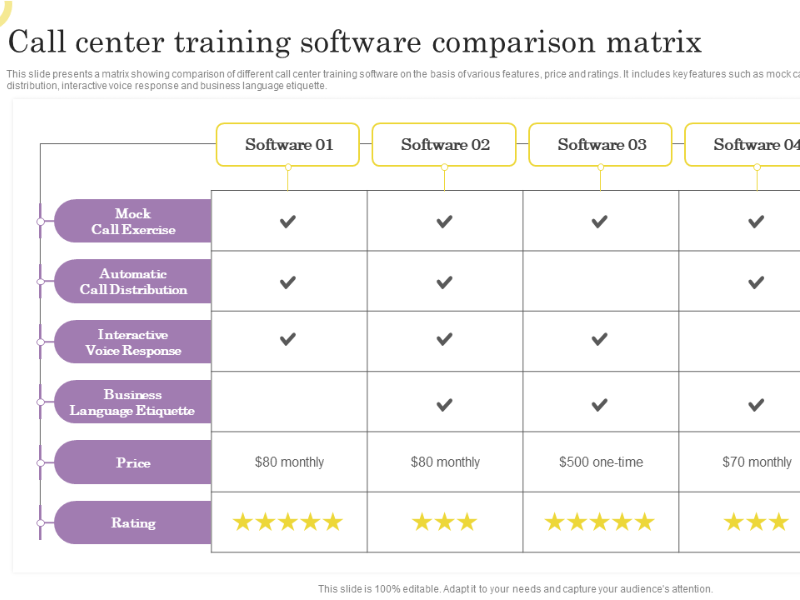
On-demand training allows agents to learn at their own pace through an LMS (learning management system).
Pros
- Flexible scheduling
- Scales well for large teams
- Consistent content delivery
Cons
- Limited real-time interaction
- Requires strong self-discipline
Best used for onboarding basics and refreshers.
Live Virtual Training
Live virtual training combines instructor-led sessions with online delivery.
Effective for:
- Role-play and scenario practice
- QA calibration sessions
- Complex topics requiring discussion
Best practices:
- Small class sizes
- Frequent breaks
- Interactive exercises
In-Person Contact Center Training
In-person training works best for:
- New team launches
- Leadership development
- Team-building initiatives
It is costly but powerful when culture change is the goal.
Blended Learning Approaches
Blended learning combines on-demand, live virtual, and in-person formats into one program.
Why blended learning works better
- Agents learn theory on demand
- Practice happens in live sessions
- Reinforcement continues on the job
Example learning journey
- Week 1: eLearning fundamentals
- Week 2: Live role-play and coaching
- Week 3: QA feedback and targeted refreshers
Compared to single-format training, blended programs improve retention and speed to proficiency.
Role-Based Contact Center Training

Training should match responsibility level.
- Agents: Communication, tools, product knowledge
- Supervisors: Coaching, QA, real-time performance management
- Managers: Workforce planning, analytics, leadership
Clear progression paths improve engagement and retention.
Certification vs. Non-Certification Contact Center Training
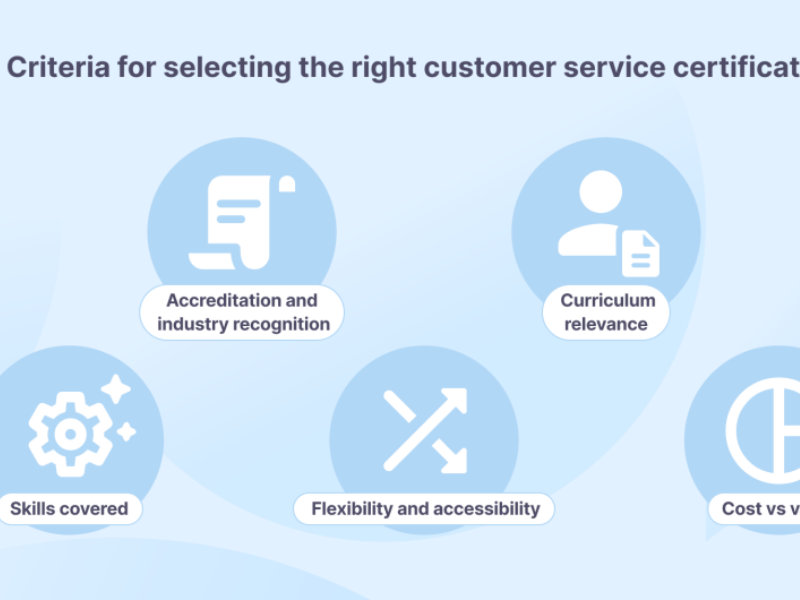
Certification programs validate skills externally. Non-certification training focuses on internal performance.
| Aspect | Certification | Non-Certification |
|---|---|---|
| Best for | Career growth | Immediate performance |
| Cost | Higher | Flexible |
| Example | ICMI programs | Custom internal training |
Choose based on business goals, not prestige.
How to Choose the Right Contact Center Training Program
Step-by-step decision framework
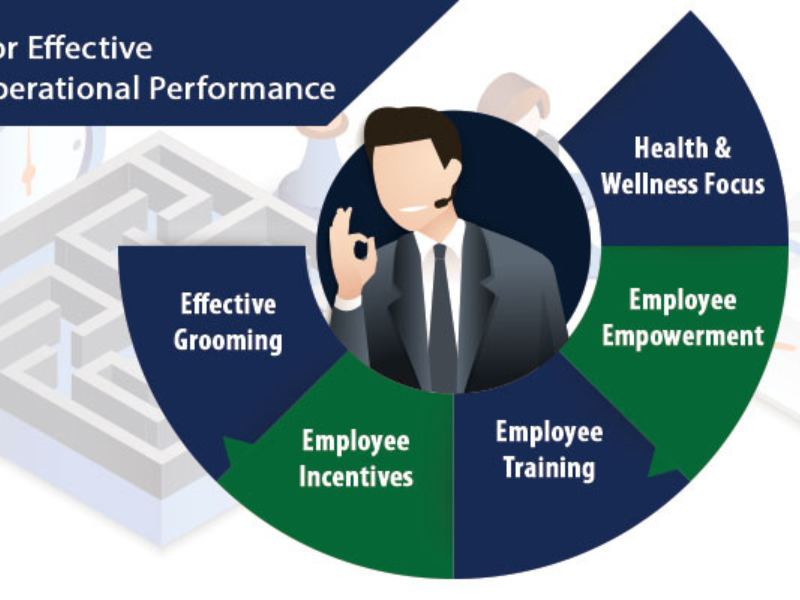
- Define business goals, not just skills
- Identify role-specific gaps
- Decide on delivery format
- Evaluate content relevance
- Check instructor or provider experience
Vendor selection checklist
- Proven contact center experience
- Customizable content
- Clear outcomes and metrics
- Ongoing support options
Common mistakes to avoid
- Buying generic courses without customization
- Overloading agents with theory
- Ignoring follow-up coaching
Measuring the Effectiveness of Contact Center Training

Training must be measured to prove value.
Key metrics include:
- CSAT trends
- First contact resolution
- Average handle time
- QA scores before and after training
Feedback loops turn data into improvement.
Common Challenges and How to Overcome Them

| Challenge | Practical Solution |
|---|---|
| High agent turnover | Short, focused onboarding and mentoring |
| Limited training time | Microlearning modules |
| Outdated content | Scheduled quarterly updates |
| Inconsistent coaching | Standardized QA frameworks |
Effective programs evolve with operations.
FAQ: Contact Center Training

What is the ideal length of contact center training?
Most programs range from 2 to 6 weeks, depending on complexity and role.
Is on-demand training enough on its own?
It works for basics, but performance improves with live coaching and feedback.
How often should agents be retrained?
Core refreshers every 3–6 months keep skills aligned with changes.
Does training really reduce costs?
Yes. It lowers repeat contacts, escalations, and attrition.
Conclusion & CTA

Contact center training is not a one-time event. It’s a system that drives customer satisfaction, agent confidence, and operational efficiency.
Teams that invest in structured, role-based, and blended training see faster onboarding, better performance, and lower attrition. The return shows up in metrics that matter.
Start by evaluating your current training gaps. Then build a program that fits your operation, not generic theory.
CTA: Review your existing contact center training today and take the first step toward a more prepared, high-performing workforce.
FAQs

What is contact center training?
Contact center training is a structured program aimed at developing the skills, knowledge, and tools that employees need to perform effectively in customer support and communication roles. It covers customer service skills, technology usage, and company policies.
Why is contact center training important?
Effective training enhances customer interactions, improves employee performance, and reduces operational inefficiencies. It also helps lower turnover rates, increases first contact resolution rates, and optimizes customer satisfaction (CSAT) scores.
What are the core skills included in contact center training programs?
Core skills include customer service and communication abilities, emotional intelligence, de-escalation techniques, process and product knowledge, quality assurance, and proficiency with contact center tools and technology like CRM systems.
How do I choose the right contact center training for my team?
Start by identifying your team’s skill gaps and business goals. Look for training that aligns with your needs—whether on-demand, live virtual, or blended learning—and assess the program’s credibility, expert trainers, and customization options.
What is the difference between certification and non-certification contact center training?
Certified programs offer formal recognition of skills, which can enhance career opportunities and credibility. Non-certification programs are typically faster and less expensive, focusing on practical skills without providing formal credentials.
Are there online options for contact center training?
Yes, many providers offer online training, including on-demand e-learning and live virtual sessions. These options are flexible, cost-effective, and ideal for remote teams or individuals with limited time for in-person learning.
What tools are commonly used in contact center training?
Key tools include customer relationship management (CRM) software, omnichannel communication platforms, and AI-driven customer service solutions. Training may also involve simulated scenarios and knowledge base systems.
How can I measure the effectiveness of contact center training?
Effectiveness can be measured through metrics like first contact resolution (FCR), average handle time (AHT), customer satisfaction (CSAT) scores, and employee engagement surveys. Feedback loops and assessments also help track the impact of training.
Read more:
Benefits Offshore Outsourcing: Cost Savings, Talent, Scale
Big Data Call Centers Analytics: Turn Customer Data Into Action
 English
  Russian
  Chinese