
Choosing a logistics BPO partner directly impacts delivery speed, customer trust, and operating costs. A wrong choice doesn’t just waste budget—it triggers SLA penalties (often 5-10% of contract value), increases customer churn (industry average: 15-25% when delivery experience declines), and creates operational firefighting that consumes your team’s time.
From real-world experience, most logistics failures don’t start with transportation. They start with communication breakdowns: delayed exception alerts, inaccurate status updates, and slow response to customer inquiries.
This guide helps you evaluate logistics BPO partners using criteria that actually predict operational success—not just check boxes on an RFP scorecard.
Key Takeaways When Choosing a Logistics BPO Partner
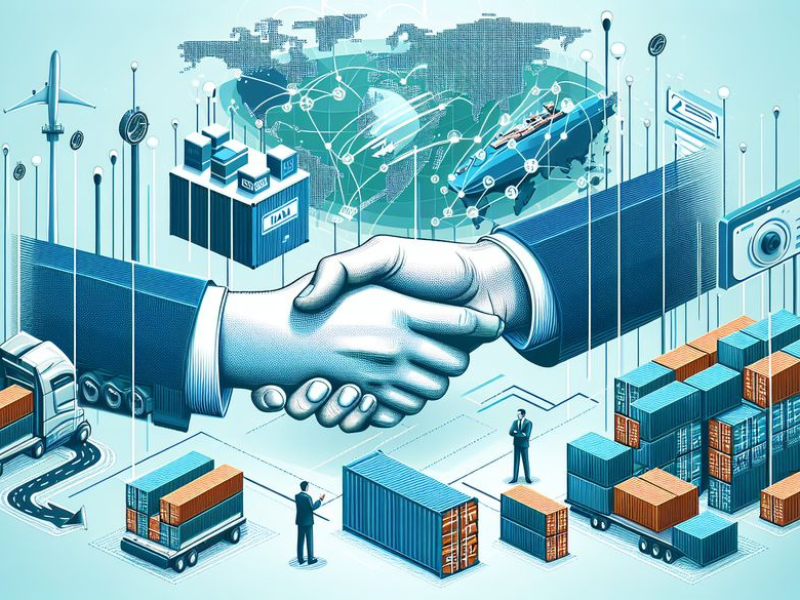
- A specialized logistics BPO reduces SLA risk and improves customer experience through domain expertise.
- System integration and real-time visibility matter more than headcount size.
- Scalability protects your operations during peak seasons and disruptions.
- Clear SLAs and transparent performance dashboards prevent hidden failures.
- Compliance and data security are non-negotiable in cross-border logistics.
Why Choosing the Right Logistics BPO Partner Matters

Logistics BPO is not a back-office function. It sits at the center of your supply chain and customer experience.
Every missed update, delayed exception response, or incorrect shipment status creates downstream damage. Customers lose trust. Costs rise through SLA penalties and rework. Internal teams waste time firefighting instead of optimizing operations.
From real-world experience, most logistics failures do not start with transportation. They start with process breakdowns and poor communication.
A specialized logistics BPO partner helps you:
- Resolve shipment exceptions faster before they escalate.
- Maintain accurate, real-time order and delivery updates.
- Protect SLAs across carriers, regions, and peak demand periods.
By contrast, generic BPOs often rely on scripts and manual workflows. They struggle with freight terminology, system navigation, and exception handling. This leads to slow resolution times and inconsistent customer messaging.
A $2M annual e-commerce account ships 500 packages daily through your logistics network. Port congestion delays a critical shipment by 48 hours. Your BPO partner doesn’t flag the exception in time.
Timeline of failure:
- Hour 0: Port delay occurs
- Hour 24: BPO notices delay but doesn’t escalate (standard process is 48-hour delays only)
- Hour 36: Customer emails asking about order
- Hour 40: Agent confirms delay, customer is frustrated
- Hour 48: Delivery misses promised window
- Week 2: Customer lodges formal complaint
- Month 2: Account reviews contract, cites multiple similar incidents
- Month 4: Account terminates, moves to competitor
Total impact:
- Lost account value: $2M annually
- Replacement cost: 6-12 months of sales effort
- BPO contract value: $15,000/month ($180,000/year)
The failure cost 11x the BPO annual spend—because the BPO lacked logistics-specific exception handling protocols.
This is why choosing the right logistics BPO partner is a strategic decision, not a procurement checkbox.
Choosing the right logistics BPO partner is a strategic decision that protects revenue, reputation, and long-term supply chain stability.
What a Logistics BPO Partner Is Responsible For
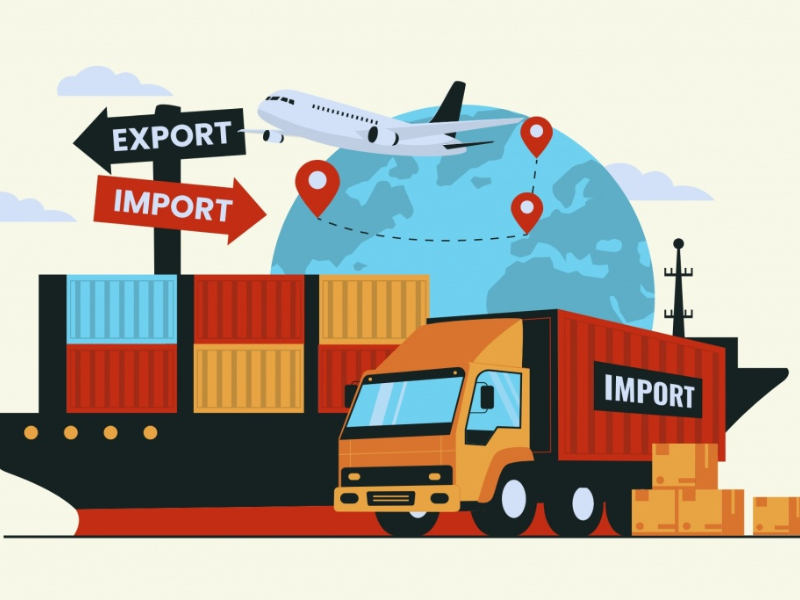
What Is a Logistics BPO Partner?
A logistics BPO partner manages logistics-related processes, not physical movement of goods.
Key responsibilities include:
- Shipment tracking and exception handling.
- Customer and carrier communication.
- Order, freight, and claims documentation.
- SLA monitoring and performance reporting.
Unlike a 3PL (third-party logistics provider), a logistics BPO focuses on process execution, coordination, and visibility rather than warehousing or transportation assets.
7 Key Factors to Evaluate When Choosing a Logistics BPO Partner
Logistics-Specific Expertise (Not a Generic BPO)
Logistics is operationally complex. A capable partner must understand how shipments actually move and fail.
Look for:
- Familiarity with TMS (Transportation Management System), freight terms, and delivery SLAs.
- Experience handling exceptions like delays, damages, and misroutes.
- Case studies in logistics, not adjacent industries.
Red flags:
- Script-based support with no escalation logic.
- Agents who rely on internal teams for basic shipment questions.
- No measurable logistics performance outcomes.
Example: Generic BPO vs Logistics-Specialized BPO
Scenario: Customer calls about a delayed shipment.
Generic BPO agent response:
- “Let me check with the logistics team…” (puts customer on hold)
- Doesn’t understand freight terms like “port dwell time” or “customs clearance”
- Escalates to your internal team for every exception
- Resolution time: 15-20 minutes per call
- Customer satisfaction: 65%
Logistics-specialized BPO agent response:
- Immediately accesses TMS and sees: “Port congestion – vessel delayed 48 hours”
- Knows this is routine for this trade lane and has proactive solutions ready
- Offers alternatives: expedited routing, partial shipment, delivery date adjustment
- Resolution time: 3-5 minutes per call
- Customer satisfaction: 85%
Impact over 1,000 calls/month:
- Generic BPO: 250+ agent hours wasted on escalations
- Specialized BPO: 50-80 hours total handling time
- Efficiency gain: 70%
- Cost savings: $15,000-$20,000 monthly in agent productivity
Domain expertise isn’t a nice-to-have—it’s the difference between functional support and strategic operational advantage
Technology Integration and System Compatibility
Technology gaps create operational blind spots.
A strong logistics BPO should:
- Integrate directly with your TMS, WMS (Warehouse Management System), or OMS (Order Management System).
- Use API connections (automated data exchange) instead of manual lookups.
- Update ticket and shipment status in real time.
Good vs Poor Integration
| Good Integration | Poor Integration |
|---|---|
| Real-time shipment visibility | Manual status checks |
| Single source of truth | Duplicate or conflicting data |
| Faster resolution | Delays and rework |
From experience, poor integration causes delayed updates, duplicated tickets, and customer confusion.
Scalability and Flexibility During Demand Surges
Logistics demand is never static.
Your BPO partner must handle:
- Seasonal peaks like Black Friday and holidays.
- Unexpected disruptions such as port congestion or weather events.
- Rapid volume spikes without quality drops.
Evaluate:
- Elastic staffing models with trained backup capacity.
- Clear ramp-up timelines.
- Business continuity and disaster recovery plans.
Background: An e-commerce logistics provider typically handles 2,000 shipments daily with 30 BPO agents covering customer inquiries.
Black Friday week scenario:
- Shipments spike to 8,000 daily (4x normal volume)
- Customer inquiry volume jumps to 1,200 calls/day (vs 300 typical)
- Exceptions increase 300% (address issues, delivery changes, delays)
Scalable BPO Response:
Day -7 (pre-planning):
- BPO activates pre-trained backup capacity: 50 additional agents on standby
- Runs simulation drills with peak-season call scripts
Day 0 (Black Friday):
- Deploys full 80-agent team within 2 hours
- Maintains average response time: 45 seconds
- Handles 1,200 calls with 92% first-contact resolution
Week outcome:
- Zero SLA breaches
- Customer satisfaction: 88% (vs 85% baseline)
- Client retains business, increases volume
Unscalable BPO Response:
Day -7:
- No surge planning (assumes volume won’t spike)
Day 0:
- Unprepared, only 30 agents available
- Call queue time jumps to 8-12 minutes
- Agents overwhelmed, many calls dropped
Day 1:
- BPO scrambles to hire temporary staff
- New agents untrained on TMS, can’t resolve issues
- Resolution time increases from 4 minutes to 15+ minutes
Day 2-7:
- Backlog builds to 2,500+ unresolved tickets
- Customer complaints escalate
- SLA breach penalties: $35,000 for the week
Week outcome:
- Client relationship damaged
- Post-peak review reveals operational failure
- Contract terminated within 90 days
The cost difference:
- Scalable BPO cost for surge: $18,000 (additional agent hours)
- Unscalable BPO impact: $35,000 penalties + $500,000 lost annual contract
Scalability isn’t about having unlimited capacity—it’s about having predictable, tested processes to handle predictable surges.
Service Quality, SLAs, and Performance Visibility
You cannot manage what you cannot see.
A reliable logistics BPO provides:
- Clear SLA ownership, not vague shared responsibility.
- KPIs that reflect operational impact, not just ticket volume.
- Live dashboards and structured performance reviews.
KPIs that matter:
- Resolution time for shipment exceptions.
- On-time customer updates.
- First-contact resolution rate.
| KPI | Why It Matters |
|---|---|
| Resolution time | Prevents delivery escalation |
| On-time updates | Protects customer trust |
| SLA adherence | Controls penalties |
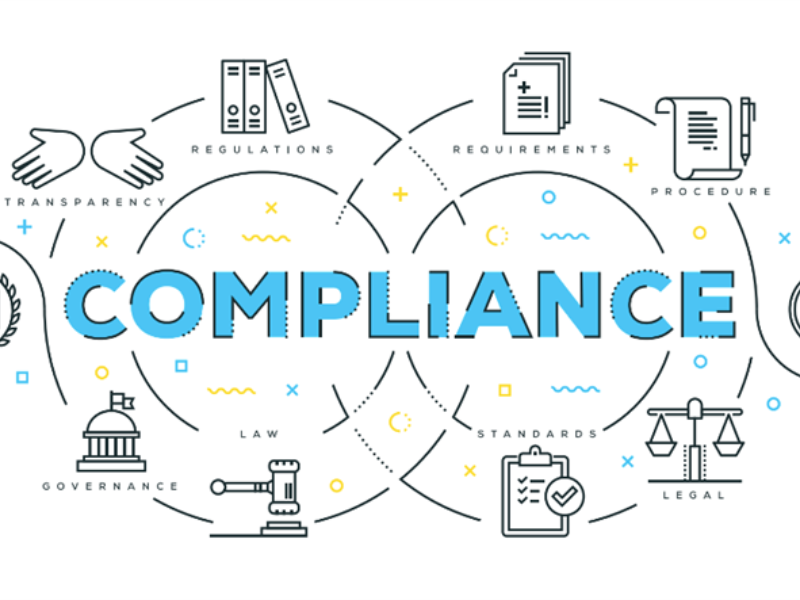
Compliance, Data Security, and Governance
Logistics data crosses borders and regulations.
Your BPO partner must ensure:
- Secure handling of shipment and customer data.
- Compliance with regional and cross-border regulations.
- Clear governance and audit readiness.
Ask about:
- Data access controls.
- Incident response processes.
- Compliance reporting cadence.
Weak governance exposes you to legal risk and operational disruption.
Geographic Coverage and Multilingual Support
This matters most when you operate across regions.
Evaluate:
- Time zone alignment with your key markets.
- Language coverage for customer and carrier communication.
- Consistency of service quality across regions.
Limited coverage creates handoff delays and inconsistent experiences.
Cost Structure and Pricing Transparency
Low cost often hides higher risk.
Common pricing models include:
- Per ticket or transaction.
- FTE-based pricing.
- Hybrid models.
Watch for hidden costs:
- After-hours support fees.
- Surge pricing during peak seasons.
- Charges for system integration or reporting.
Transparent pricing protects long-term ROI.
Common Mistakes Businesses Make When Selecting a Logistics BPO

- Choosing based on price instead of logistics expertise.
- Ignoring system integration until after contract signing.
- Overlooking scalability until peak season hits.
- Accepting vague SLAs with no enforcement mechanism.
- Treating the BPO as a vendor, not an operational extension.
Each mistake increases operational risk and long-term cost.
Must-Have vs. Nice-to-Have Criteria for Shortlisting Partners

| Must-Have | Nice-to-Have |
|---|---|
| Logistics domain expertise | Advanced analytics tools |
| System integration capability | AI-based forecasting |
| Clear SLAs and KPIs | Custom reporting formats |
| Proven scalability | White-labeled support |
This separation keeps decisions focused and avoids overbuying.
A Simple Checklist for Choosing a Logistics BPO Partner
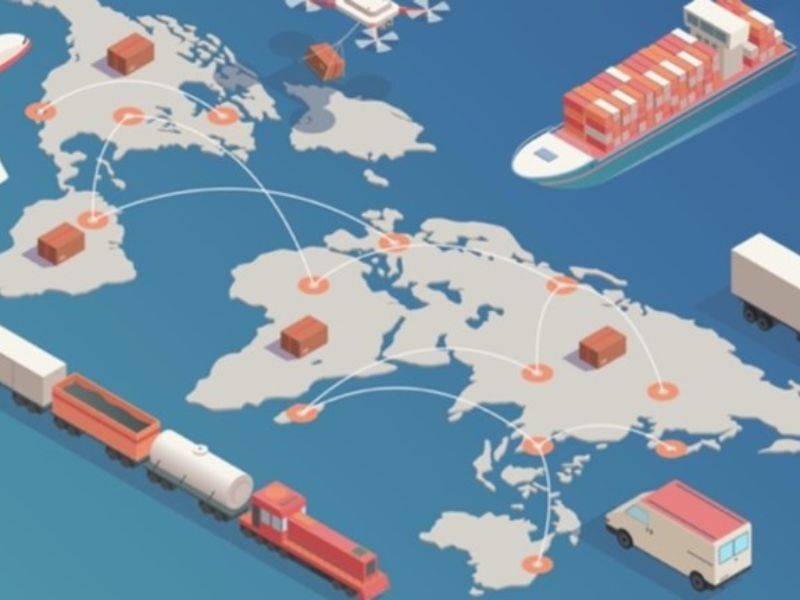
- Proven logistics experience with real case examples.
- Direct integration with your core systems.
- Scalable staffing with defined ramp-up plans.
- Transparent SLAs, KPIs, and reporting.
- Strong data security and compliance framework.
- Clear pricing with no hidden fees.
If any item is unclear, treat it as a warning sign.
How to Make a Confident Final Decision
- Align the BPO scope with your business goals.
- Start with a pilot or phased rollout.
- Define governance cadence before onboarding.
- Review performance early and adjust fast.
Confidence comes from clarity, not speed.
Frequently Asked Questions (FAQs)

What makes a logistics BPO different from a generic BPO?
A logistics BPO understands freight workflows, exceptions, and SLAs, while generic BPOs rely on scripts and lack domain depth.
When should a company consider logistics BPO outsourcing?
When shipment volume grows, exceptions increase, or internal teams struggle to meet SLAs consistently.
Is logistics BPO only for large enterprises?
No. SMBs and mid-market companies often benefit the most due to limited in-house logistics resources.
Conclusion & Call to Action

Choosing the right logistics BPO partner is a strategic decision, not a procurement task. The right partner protects SLAs, improves customer experience, and stabilizes your supply chain during growth and disruption.
Review your current operations. Shortlist partners with proven logistics expertise. Start with a focused pilot and scale with confidence.
FAQs

What is a logistics BPO partner?
A logistics BPO partner is a third-party service provider specializing in managing logistics-related processes, such as customer support, freight claims, documentation, and tech integration, to enhance supply chain efficiency and customer experience.
How can a logistics BPO partner improve CX?
They streamline customer interactions like WISMO queries, exception handling, and multilingual support, ensuring faster resolution, accurate updates, and consistent communication across channels.
What factors should I prioritize when choosing a logistics BPO partner?
Focus on logistics expertise, system integration capabilities, scalability during peak demand, compliance certifications, multilingual omnichannel support, and transparent pricing models.
What are the risks of choosing a generic BPO for logistics?
Generic BPOs often lack domain expertise, leading to errors in freight workflows, SLA breaches, and mismanagement of technology integrations, ultimately harming customer satisfaction and operational efficiency.
How do I assess SLA adherence and performance visibility in a BPO?
Look for live performance dashboards, comprehensive QA processes, and co-ownership of key logistics KPIs, such as response times, resolution rates, and compliance metrics.
Can logistics BPO partners handle seasonal demand surges?
Yes, the right partner offers elastic staffing models, pre-trained agents, and predictive analytics to quickly scale support during peak seasons or disruptions.
What role does technology play in a logistics BPO setup?
Technology integration, such as TMS, WMS, and OMS APIs, ensures real-time access to shipment data and seamless operations. Advanced tools like AI and analytics enhance forecasting and workflow optimization.
How do I ensure compliance and data security with a logistics BPO partner?
Verify certifications like SOC 2, ISO 27001, and GDPR compliance, and check for governance frameworks with regular audits, privacy checkpoints, and secure APIs.
What are the benefits of a specialized logistics BPO versus a multi-vertical provider?
Specialized logistics BPOs offer tailored knowledge in shipment queries, exception handling, and cross-border compliance, ensuring enhanced operational precision over generic multi-vertical providers.
Read more:
AI Technology Customer Support Training to Scale Agent Skills
Benefits Offshore Outsourcing: Cost Savings, Talent, Scale


 English
  Russian
  Chinese