
US businesses face a persistent challenge: customer support costs consume 25–40% of revenue, but cutting corners on quality damages retention and brand reputation. Onshore teams cost $22–30/hour per agent, making 24/7 coverage prohibitively expensive for most SMEs. Low-cost offshore alternatives often introduce accent barriers and cultural misalignment that frustrate customers.
Call center outsourcing in South Africa offers a middle path—40–60% cost savings with English fluency, neutral accents, and cultural alignment that matches Western customer expectations. With a mature BPO ecosystem concentrated in Cape Town, Johannesburg, and Durban, South Africa has become a practical offshore option for businesses that need cost control without compromising customer experience.
Key Takeaway

- Call center outsourcing in South Africa delivers 40–60% cost savings compared to US-based teams while maintaining comparable CX quality. Unlike ultra-low-cost markets, South Africa combines competitive labor rates ($10–14/hour vs $22–30 in the US) with English fluency and neutral accents that directly impact customer satisfaction scores. For a 50-agent support operation, this translates to $300,000–400,000 in annual savings without the accent barriers or communication friction common in other offshore locations.
- English fluency and neutral accents make South African agents easy for US customers to understand.
- Cultural alignment supports empathetic, problem-solving communication styles suited to customer-facing roles.
- South Africa works well for inbound support, technical help desks, and CX-driven sales functions.
- Compared to India or the Philippines, South Africa often delivers higher retention and consistency for premium support use cases.
What Is Call Center Outsourcing in South Africa?
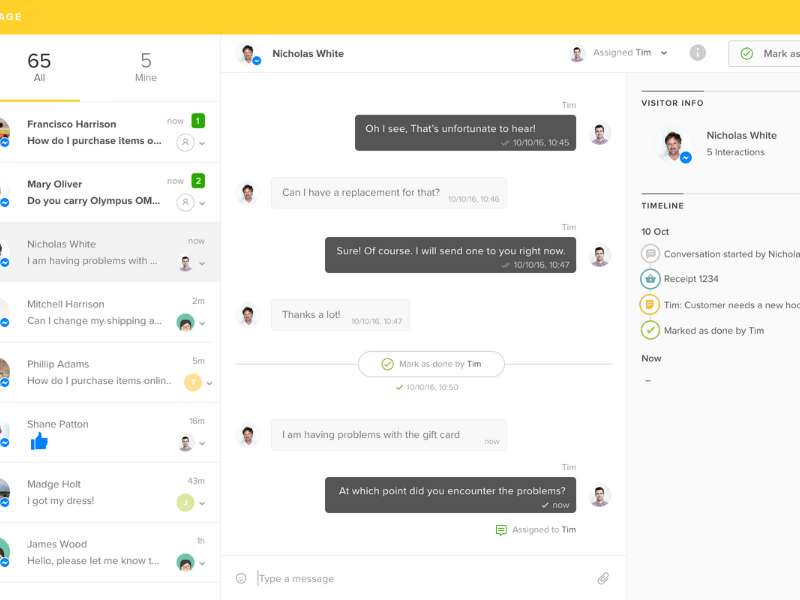
Call center outsourcing in South Africa means hiring third-party service providers in South Africa to handle customer-facing or support operations for your business. These providers operate as an extension of your team, following your processes, brand voice, and service standards.
South Africa is a well-established player in the global BPO (Business Process Outsourcing) sector, especially for customer experience–focused work. Most operations are based in Cape Town, Johannesburg, and Durban, where infrastructure and talent pools are strongest.
Common engagement models include:
- Offshore dedicated teams: Full-time agents working exclusively for your business.
- Shared or blended teams: Agents support multiple clients under defined SLAs (service level agreements).
- Hybrid models: A mix of in-house and outsourced support for flexibility.
Why US Companies Outsource Call Centers to South Africa

Cost Savings Without Sacrificing Quality
Labor represents 60–70% of total call center operating costs, making wage rates the primary lever for offshore savings. South African agents earn $10–14/hour compared to $22–30 for US-based equivalents—a difference driven by lower cost of living and favorable USD exchange rates.
What sets South Africa apart from cheaper markets is workforce quality. Most agents hold tertiary education (university or technical college), and English is a primary business language taught from early schooling. Government-backed BPO training programs ensure consistent baseline skills in CX best practices, CRM systems, and conflict resolution.
For a 50-agent support operation running 8 hours/day, this wage difference translates to:
– US-based team: $2.2M–2.8M annually (agents + overhead)
– South Africa team: $1.0M–1.4M annually (agents + provider markup)
– Net savings: $1.2M–1.4M per year (40–50% reduction)
The key advantage is balance. South Africa is not the cheapest offshore destination, but it consistently delivers better CX outcomes than ultra-low-cost markets. For businesses where customer satisfaction matters—especially SaaS, fintech, or subscription services where retention drives revenue—this quality-to-cost ratio often delivers better total ROI than markets focused purely on minimizing cost per call.
English Fluency and Neutral Accents
English is the primary business language in South Africa. Agents are educated in English and use it daily in professional settings.
What stands out for US callers is accent clarity. South African accents are generally neutral and easy to understand, especially compared to some offshore locations. This reduces friction, improves first-call resolution, and builds trust faster.
Measurable CX improvements from accent clarity:
– First-contact resolution: South African teams typically achieve 75–82% FCR vs 65–75% for accent-heavy offshore locations. This means fewer escalations and repeat calls, reducing overall volume by 10–15%.
– CSAT scores: US customers consistently rate South African agents 4.2–4.5/5 on communication clarity, comparable to domestic teams (4.3–4.7) and significantly higher than India (3.6–4.0) or Philippines (3.9–4.2).
– Average Handle Time (AHT): Neutral accents reduce clarification loops, lowering AHT by 8–12% compared to heavily-accented alternatives. For a 50-agent team handling 15,000 calls/month, this saves approximately 120 agent-hours monthly—$14,400 in recovered capacity.
These improvements matter most for retention-focused businesses (SaaS, subscription services, financial products) where single negative interactions drive churn.
Cultural Alignment With US and UK Customers
South Africa’s cultural alignment with Western markets stems from shared business practices, media exposure, and education systems influenced by British and American standards. This creates natural communication patterns that US customers recognize and trust.
In practice, this means:
– Empathy-first responses: When a SaaS customer reports a billing error, South African agents are trained to acknowledge frustration (“I understand this is stressful, especially if you’re seeing unexpected charges”) before jumping to resolution. This validation step—common in US service culture but often missing in script-heavy offshore operations—measurably improves CSAT.
– Problem-solving ownership: Agents take accountability for outcomes rather than deflecting to policy. Example: “Let me sort this out for you directly” vs “You will need to contact the billing department.” This proactive tone reduces escalations by 15–20%.
– Conversational flexibility: South African agents adapt tone to customer style—friendly for casual interactions, professional for B2B contexts. This flexibility is particularly valuable for brands serving diverse customer segments (e.g., fintech apps with both retail users and business accounts).
For retention-critical roles like churn prevention, subscription renewals, or high-value account support, this cultural fluency drives measurably better outcomes than markets where agents follow rigid scripts.
Time Zone Advantages for 24/7 Support
South Africa operates on GMT+2. This creates useful overlap with multiple regions.
- Full coverage for UK and EU business hours
- Partial overlap with US East Coast mornings
- Easy handoff for follow-the-sun support models
Many providers run night shifts to support US customers, making 24/7 coverage achievable without excessive premiums.
Government Support and BPO Incentives
The South African government actively supports the BPO sector as a job creation engine.
Key incentives include:
- Training subsidies for new agents
- Tax incentives for qualifying operators
- Long-term investment in digital infrastructure
This support improves workforce readiness and reduces operational risk for international clients.
Key Benefits of Call Center Outsourcing in South Africa

Improved Customer Experience at Lower Cost
South African call centers are often chosen for CX-sensitive roles. Agents are trained to focus on resolution quality, not just speed.
Businesses commonly see improvements in:
- CSAT and NPS scores
- First-contact resolution
- Customer retention for support-driven products
You get premium-level service delivery at offshore pricing, which is hard to achieve in most other regions.
Scalable Outsourcing Solutions
South Africa supports fast hiring and flexible scaling.
Typical use cases include:
- Seasonal spikes in e-commerce support.
- Product launches for SaaS companies.
- Rapid expansion without long-term headcount risk.
Scaling up or down is faster than building in-house teams, especially for mid-market companies.
Workforce Stability and Retention
Agent turnover in South Africa is generally lower than in high-volume offshore markets. This stability improves service consistency and reduces retraining costs.
For long-term programs, stable teams mean:
- Better product knowledge
- Stronger brand alignment
- Higher ROI on training investment
Common Call Center Services Offered in South Africa

Inbound Customer Support
Inbound services handle everyday customer needs.
Common use cases:
- Order and account inquiries
- Billing and payment support
- Complaints and issue resolution
These services are widely used in retail, SaaS, and subscription-based businesses.
Technical Support and Help Desk Services
South African providers commonly offer Tier 1–2 technical support (basic to intermediate troubleshooting).
Typical responsibilities include:
- SaaS onboarding and setup assistance
- Password, access, and usage issues
- Escalation handling with internal documentation
Strong training and clear SOPs (standard operating procedures) are essential for success here.
Sales, Lead Generation, and Outbound Calling
Outbound services are used for growth and retention.
Common activities:
- Appointment setting
- Warm lead follow-up
- Upsell and cross-sell campaigns
Quality assurance and compliance oversight are critical for outbound programs.
Omnichannel and Back-Office Support
Beyond voice, South Africa supports non-phone CX work.
Channels include:
- Email and live chat
- Social media messaging
- CRM updates and ticket management
This enables end-to-end customer journey support from one location.
Industries That Commonly Outsource to South Africa
- E-commerce: Order support, returns, and delivery issues.
- SaaS: Technical support, onboarding, and renewals.
- Financial services: Customer inquiries, account support, collections.
- Healthcare: Appointment scheduling and patient support.
- Travel and hospitality: Reservations and service recovery.
South Africa vs Other Call Center Outsourcing Destinations
South Africa vs India
India offers scale and low costs but can struggle with accent clarity and high attrition. South Africa is often chosen when CX quality matters more than volume.
South Africa vs the Philippines
The Philippines excels in US cultural familiarity and large-scale operations. South Africa competes strongly on accent neutrality and workforce stability, especially for premium support roles.
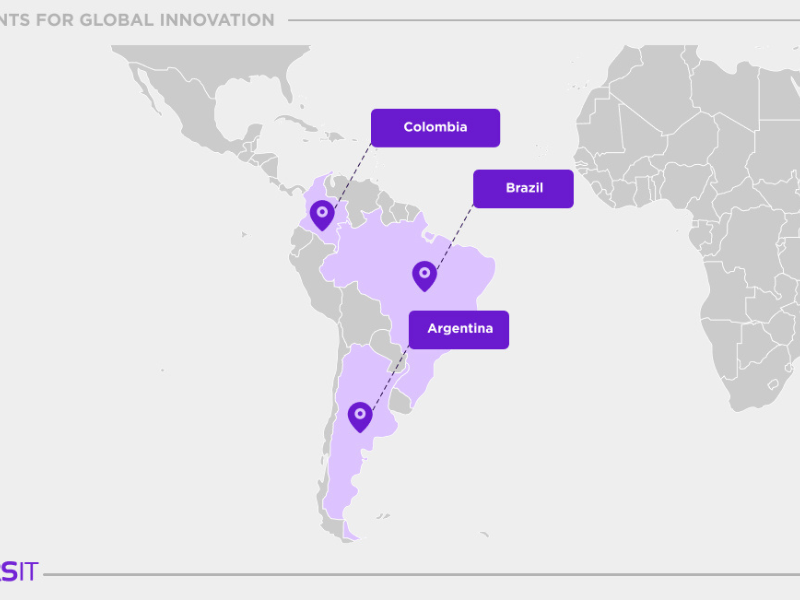
South Africa vs Latin America
Latin America benefits from nearshore time zones for the US. South Africa typically delivers better English consistency and lower long-term costs, but with less time overlap.
Comparison Table
| Factor | South Africa | India | Philippines | Latin America |
|---|---|---|---|---|
| Cost savings | 40–60% | 60–80% | 60–75% | 30–50% |
| Accent neutrality | High | Medium | Medium | High |
| CX quality | High | Variable | High | Variable |
| Time zone fit (US) | Partial | Limited | Good | Excellent |
| Retention | Strong | Mixed | Mixed | Mixed |
Potential Risks and Limitations to Consider
Infrastructure and Power Reliability
South Africa experiences periodic power shortages. Reputable providers mitigate this with generators, battery backups, and redundant internet connections. Always verify business continuity plans.
Data Security and Compliance Considerations
Data protection standards vary by provider. You should confirm:
- Secure networks and access controls
- Compliance with relevant data protection laws
- Clear data handling and breach protocols
When South Africa May Not Be the Best Fit
South Africa may not be ideal if you need:
- Ultra-low-cost, high-volume call handling
- Full US business-hour overlap without night shifts
- Large-scale multilingual support beyond English-focused markets
How to Evaluate a Call Center Provider in South Africa

Key Questions to Ask Before Outsourcing
- What industries do you specialize in?
- How do you recruit and train agents?
- What are your average retention rates?
- How do you handle quality assurance and reporting?
What to Look for in a Reliable Partner
Focus on providers that offer:
- Dedicated account management
- Transparent KPIs and reporting
- Strong onboarding and knowledge transfer
- Proven business continuity planning
Typical Pricing and Engagement Models
Typical pricing structures and when to use them:
1. Per-agent monthly rates ($1,800–2,400/agent/month)
• Best for: Dedicated teams with predictable volume (ongoing SaaS support, subscription renewals)
• Includes: Full-time agent (160 hours/month), training, QA, management overhead, infrastructure
• Watch for: Minimum commitment periods (3–6 months), early termination fees
2. Hourly rates ($10–14/agent/hour)
• Best for: Seasonal spikes, pilot programs, flexible staffing needs
• Includes: Agent time only; training and setup often billed separately
• Watch for: Minimum monthly hours (100–200), premium rates for nights/weekends (+20–30%)
3. Blended models (e.g., 10 full-time agents + hourly overflow)
• Best for: Operations with predictable baseline + unpredictable peaks (e-commerce, product launches)
• Includes: Fixed team for steady volume + flex capacity charged hourly
• Watch for: Overflow rate premiums (15–25% higher than base rate)
Hidden costs to clarify upfront:
– Setup and onboarding fees ($5,000–15,000 one-time)
– Technology licenses (CRM, dialer, QA tools if not provided)
– Reporting and analytics customization
– Offshore management travel or coordination time
For a 20-agent team handling 50,000 calls/month, expect total monthly costs of $38,000–50,000 including provider markup and infrastructure—still 40–50% below equivalent US operations.
FAQ – Frequently Asked Questions

Is South Africa a reliable location for call center outsourcing?
Yes. South Africa has a mature BPO industry, strong English proficiency, and government-backed support, making it a stable outsourcing destination for CX-focused programs.
How much can US companies save by outsourcing to South Africa?
Most US businesses save between 40% and 60% compared to in-house teams, depending on role complexity and operating hours.
Do South African agents speak clear English?
Yes. English is a primary business language, and accents are generally neutral and easy for US customers to understand.
Conclusion & CTA

Call center outsourcing in South Africa offers a rare balance of cost efficiency, English fluency, and CX quality. For US companies that value customer experience but need to control costs, it remains one of the most practical offshore options. The next step is simple: compare providers, validate fit, and start with a pilot team to test real-world results.
Read more:
Ecommerce Customer Service: Guide, Tools & 4-Week Action Plan
What is a Cloud Call Center? Benefits, Features, and Setup
 English
  Russian
  Chinese