
Key Takeaways at a Glance

The UK BPO market is changing fast. Talent shortages, post-Brexit complexity, and rising customer expectations are forcing outsourcing providers to rethink how they operate.
What used to work—low-cost offshore teams running basic scripts—no longer cuts it. Today’s UK clients demand AI-powered operations, compliance-ready infrastructure, and the ability to scale teams up or down in days, not months.
This article covers the seven most important trends reshaping UK BPO in 2025, explains what’s driving them, and outlines what businesses should expect next.
Quick summary of key trends:
-
- AI and automation are baseline requirements, not premium features
- Hybrid delivery models (UK + nearshore + offshore) dominate new contracts
- Knowledge Process Outsourcing (KPO) grows faster than traditional BPO
- Digital-first, omnichannel customer service replaces phone-only operations
- Compliance and ESG considerations now influence every vendor selection decision
Introduction – How the UK BPO Market Is Changing

Business Process Outsourcing (BPO) in the UK has evolved far beyond basic cost cutting. Today, outsourcing supports scalability, regulatory compliance, and digital transformation—especially for companies navigating post-Brexit complexity.
Three forces are reshaping the market:
1. Talent shortages: UK unemployment sits at historic lows, but contact centers struggle with 15-20% vacancy rates. Hiring permanent staff takes months; outsourcing fills gaps in days.
2. Regulatory pressure: Post-Brexit compliance requirements increased operational workload by an estimated 30-40% for companies handling EU customers. BPO providers absorb this complexity.
3. Digital-first customer expectations: Customers expect instant responses across phone, chat, email, and social media. Most UK companies lack the infrastructure or expertise to deliver omnichannel service in-house.
The result: UK companies now treat BPO providers as strategic partners, not just cost-saving vendors. If you’re new to outsourcing models, this guide on customer service BPO explains how it works, key benefits, and how to choose the right provider. This article breaks down the seven most important BPO trends in the UK, explains what’s driving them, and outlines what to expect through 2030.
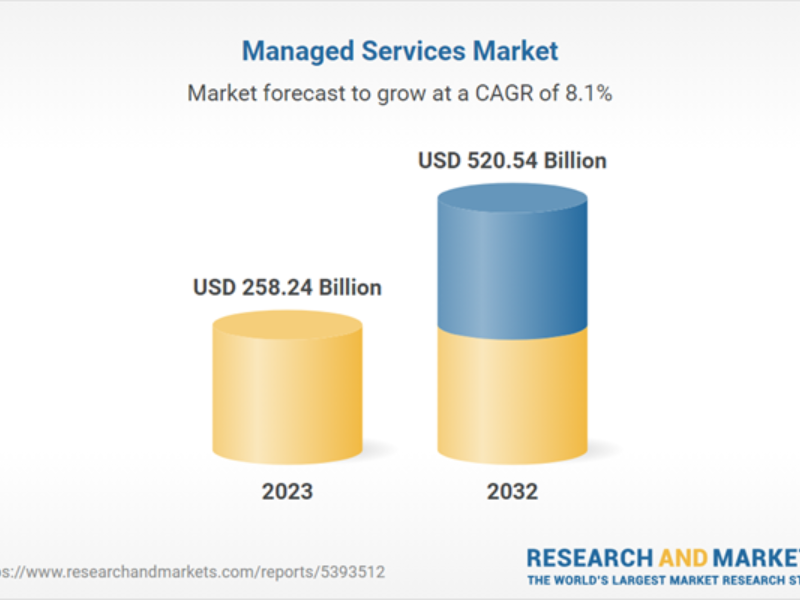
UK BPO Market Snapshot: Size and Growth Outlook

The UK remains one of Europe’s most mature and resilient outsourcing markets.
Current market snapshot:
- Estimated market size (2025): USD 31–32 billion
- Expected growth rate: ~4–5% CAGR through 2030
- Projected market value by 2030: USD 38–40 billion
These figures align with estimates from Statista, IBISWorld, and Grand View Research.
How the UK compares:
- The UK is the largest BPO market in Europe, ahead of Germany and France.
- Europe as a whole grows slower than Asia-Pacific but offers higher compliance maturity.
- Globally, BPO growth is faster, but UK demand remains stable and predictable.
Industries driving UK BPO demand:
- Financial services and insurance
- Healthcare and life sciences
- Retail and eCommerce
- Technology and SaaS
- Logistics and professional services
What the numbers mean for decision-makers:
- Growth is steady, not explosive, which favors experienced providers.
- Buyers prioritize reliability, compliance, and scalability over pure cost savings.
- Providers with UK regulatory knowledge and digital capability gain a clear edge.
Key BPO Market Trends in the UK
AI and Automation Becoming Standard in Outsourcing
AI is no longer a premium add-on in UK BPO—it’s a baseline requirement. Clients expect AI-powered efficiency from day one, not after months of implementation.
The most common AI applications include:
Chatbots and virtual agents handle tier-1 customer queries—order tracking, password resets, basic FAQs—without human involvement. This frees agents to focus on complex cases requiring empathy and judgment.
RPA (robotic process automation) mimics human actions for repetitive tasks like data entry, invoice processing, and system updates. A single RPA bot can process 500+ invoices per hour with zero errors—work that would take a team of five people an entire day.
Predictive analytics forecast call volume spikes, identify fraud patterns, and prioritize high-value leads. For example, a UK fintech BPO uses predictive models to route suspected fraud cases to specialized agents within seconds, reducing response time from 15 minutes to under 2 minutes.
Automated document processing extracts data from PDFs, scanned forms, and emails using OCR (optical character recognition) and natural language processing. UK insurance BPOs use this to process claims 3-5 times faster than manual review.
Typical AI-enabled BPO workflow:
- Customer request enters via chat, email, or phone.
- AI classifies intent and urgency.
- Simple cases resolve automatically.
- Complex issues route to trained agents with AI suggestions.
- Analytics track performance and identify improvements.
Lower operating costs: AI handles 40-60% of tier-1 queries without human intervention, reducing headcount requirements. A 100-agent contact center can often reduce to 60-70 agents after implementing AI chatbots and RPA—saving £150,000-£200,000 annually in salary costs alone.
Faster response and resolution: Chatbots respond instantly, 24/7. Average first-response time drops from 3-5 minutes (human agent) to under 10 seconds (AI). For time-sensitive industries like crypto or fintech, this speed difference directly impacts customer retention.
Consistent service quality: AI delivers the same answer every time—no bad days, no training gaps, no script deviations. This consistency is critical for compliance-heavy sectors where incorrect information creates regulatory risk.
Easy scaling during peak demand: AI scales instantly. During Black Friday or tax season, traditional BPOs scramble to hire temporary staff. AI-powered operations simply adjust server capacity and handle 3-5x normal volume without hiring anyone.
Risks to Manage
Over-automation hurting customer experience: Chatbots that can’t escalate to humans frustrate customers. UK research shows 67% of customers abandon chatbot conversations that don’t offer a clear path to a human agent within 2-3 exchanges.
Poor data quality leading to wrong decisions: AI predictions are only as good as training data. If historical data contains biases or errors, AI will amplify them. For example, an AI model trained on biased loan approval data will perpetuate those biases at scale.
Lack of human oversight in sensitive cases: AI should never make final decisions on complex issues—loan denials, insurance claim rejections, account closures. These require human judgment and empathy. Best practice: AI flags and routes; humans decide.
Mini example:
A UK retailer uses AI chatbots to handle order tracking and returns. Human agents focus only on complaints and exceptions, cutting response times without reducing satisfaction.
Rise of Hybrid Outsourcing Models
Hybrid outsourcing splits operations across multiple locations—UK (onshore), Europe/Africa (nearshore), and Asia (offshore)—to balance cost, compliance, and control.
Here’s how each location type fits:
Onshore (UK-based teams) handle sensitive or highly regulated work—financial advice, legal queries, healthcare consultations, or any customer interaction requiring deep cultural knowledge and regulatory compliance. Cost is highest (£15-25 per hour), but risk is lowest.
Nearshore (Europe, North Africa, South Africa) provides time-zone alignment and cultural similarity at lower cost (£8-15 per hour). For example, a London-based BPO might run overflow customer support from Lisbon or Cape Town—agents work similar hours, speak native-level English, and cost 40-50% less than UK staff.
Offshore (India, Philippines, Malaysia) delivers maximum cost efficiency (£4-10 per hour) and high scalability—ideal for high-volume, process-driven work like data entry, basic customer queries, or back-office processing. Time-zone differences (8-12 hours) can actually be an advantage for 24/7 operations.
Why Hybrid Models Work for Post-Brexit UK
Post-Brexit, UK companies face tighter compliance requirements when handling EU customer data. A pure offshore model creates regulatory risk. A pure onshore model is cost-prohibitive for high-volume operations.
Hybrid solves both problems: sensitive work stays in the UK or EU (GDPR-compliant), while repetitive tasks move offshore. This structure typically saves 25-35% compared to all-UK operations while maintaining compliance.
Post-Brexit, UK firms favor hybrid models to reduce risk while controlling quality.
Why hybrid works for UK businesses:
- Sensitive or regulated work stays in the UK.
- High-volume tasks move offshore.
- Flexibility to adjust delivery as regulations change.
Best-fit use cases:
- Financial services operations
- Multilingual customer support
- Seasonal or campaign-based workloads
When hybrid is not ideal:
- Very small teams with limited management capacity
- Highly confidential work without strong governance
Growing Demand for Knowledge Process Outsourcing (KPO)
Knowledge Process Outsourcing (KPO) represents the evolution of traditional BPO. Instead of outsourcing repetitive tasks, companies outsource specialized knowledge work that requires domain expertise.
BPO vs KPO: Understanding the Difference
Traditional BPO handles transactional, process-driven tasks with clear scripts and procedures:
- Answering customer service calls
- Processing insurance claims
- Data entry and invoice processing
- Appointment scheduling
These tasks follow defined workflows. Training takes days or weeks. Performance metrics focus on speed and volume (calls per hour, tickets closed per day).
KPO, in contrast, handles analytical and research-driven work requiring specialized skills:
- Financial modeling and investment research
- Legal contract review and regulatory analysis
- Medical coding and clinical trial data analysis
- Market research and competitive intelligence
These tasks require professional judgment. Training takes months. Performance metrics focus on accuracy, insight quality, and business impact.
Common KPO Services in the UK
Data and business analytics: UK retail companies outsource customer segmentation, sales forecasting, and pricing optimization analysis to KPO teams with data science expertise. This provides 24/7 analytical coverage without hiring £60,000-£80,000 per year data analysts in-house.
Legal and regulatory research: Law firms and financial services companies outsource contract review, compliance monitoring, and case research. KPO providers employ lawyers and compliance specialists who work at 40-50% lower cost than UK-based equivalents.
Financial modeling and reporting: Investment firms outsource company valuation models, portfolio risk analysis, and earnings forecasts. A KPO team with CFA-qualified analysts costs £15-25 per hour versus £50-80 per hour for London-based analysts.
Market and customer research: Marketing teams outsource competitor analysis, customer surveys, and trend reports. KPO providers deliver research reports in 48-72 hours that would take internal teams 2-3 weeks.
Why UK Firms Adopt KPO
Pressure to become data-driven: Every industry now competes on analytics—customer insights, operational efficiency, predictive modeling. Most UK companies lack the in-house expertise to execute this work at scale.
Shortage of specialist talent: The UK faces acute shortages of data scientists, compliance analysts, and specialized researchers. Hiring takes 3-6 months; KPO providers deliver expertise in days.
Need for faster insights without permanent hires: Market conditions change rapidly. Companies need analytical firepower during strategic initiatives (M&A, product launches, market expansions) but don’t want permanent headcount. KPO provides surge capacity.
Common KPO services in the UK:
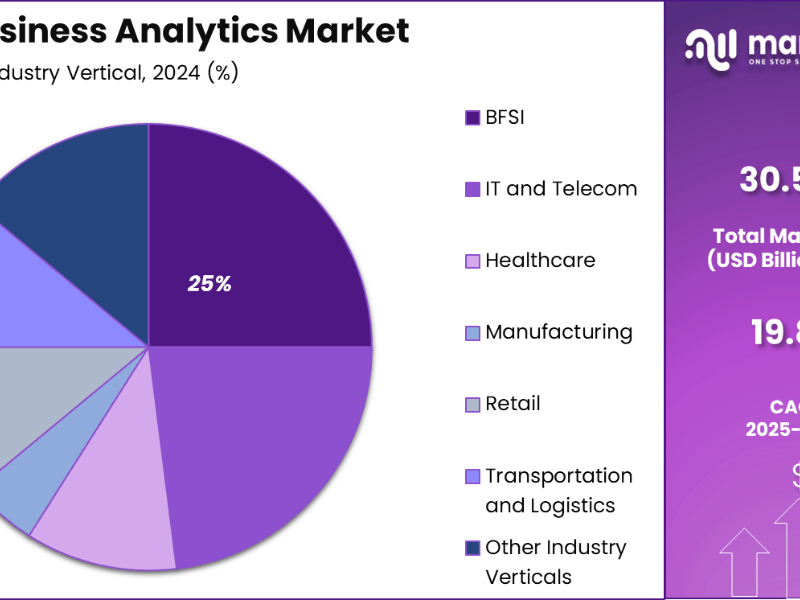
- Data and business analytics
- Legal and regulatory research
- Financial modeling and reporting
- Market and customer research
Why UK firms adopt KPO:
- Pressure to become data-driven
- Shortage of specialist talent
- Need for faster insights without permanent hires
Example:
A UK investment firm outsources financial analysis to a KPO provider, gaining 24/7 research coverage without expanding headcount.
Digital-First and Omnichannel Customer Experience Services
Omnichannel CX means delivering a consistent experience across all customer touchpoints.
Key channels in the UK:
- Phone and email
- Live chat
- Social messaging
- Self-service portals
Cloud platforms and CRM systems connect these channels into one view.
Risks of poor integration:
- Repeated customer information
- Inconsistent answers
- Frustrated customers and agents
Practical advice for UK brands:
- Centralize customer data
- Define clear escalation rules
- Blend automation with human support
Compliance-Driven Outsourcing for UK Businesses
Compliance is a top vendor selection factor.
Key regulations:
- GDPR (data protection)
- Financial conduct rules
- Healthcare data standards
Industries most affected:
- Banking and insurance
- Healthcare
- Public sector
Checklist when choosing a provider:
- Proven GDPR processes
- Clear data residency policies
- Regular audits and certifications
- Transparent incident response plans
ESG and Ethical Outsourcing Influencing Decisions
Environmental, Social, and Governance (ESG) considerations now influence most enterprise BPO procurement decisions in the UK. This shift reflects both regulatory pressure (ESG reporting requirements) and reputational risk management.
What ESG Means in Outsourcing Context
Environmental (E):
- Carbon footprint of operations—data center energy usage, office facilities, employee commuting
- Renewable energy commitments (target: 50%+ renewable by 2027-2028 is becoming standard)
- Waste reduction and recycling programs
- Paperless operations (digital-first processes)
Social (S):
- Fair wages—agents earning at or above living wage in their location
- Safe working conditions—ergonomic workstations, mental health support, reasonable working hours
- Diversity and inclusion policies with measurable targets
- Training and career development opportunities (not just dead-end jobs)
- No forced overtime or exploitative practices
Governance (G):
- Transparent reporting on labor practices and ESG metrics
- Anti-corruption policies and whistleblower protections
- Board-level ESG accountability
- Regular third-party audits of compliance and working conditions
Why UK Companies Care About Outsourcing Partner ESG
Regulatory requirement: Large UK companies (11,000+ businesses) must publish annual ESG reports under new UK regulations. This reporting increasingly covers supply chain practices, including BPO providers.
Reputational risk: A single exposé about poor working conditions at an outsourcing partner can trigger customer boycotts, media scrutiny, and employee morale problems. UK brands can’t afford “modern slavery” or “sweatshop” headlines.
Customer expectations: 73% of UK consumers say they consider a company’s ethical practices when making purchase decisions (2024 UK consumer research). Younger demographics care even more.
Practical ESG Due Diligence Questions
Before selecting a BPO provider, ask:
Environmental:
- What percentage of your energy comes from renewable sources?
- Do you measure and report carbon emissions per agent/per hour of service?
- What are your waste reduction targets?
Social:
- What’s your agent attrition rate? (High attrition often signals poor conditions.)
- What’s average agent tenure? (Short tenure = burnout or dissatisfaction.)
- Do you pay above minimum wage? What’s the gap to living wage in your locations?
- What mental health and wellbeing support do you provide?
- Can we visit your facilities and speak with agents?
Governance:
- Who on your leadership team owns ESG accountability?
- What third-party ESG audits have you completed?
- Will you share audit reports with clients?
- Do you publish an annual ESG or sustainability report?
The Cost Trade-Off
ESG-compliant providers typically cost 10-20% more than lowest-cost offshore alternatives. However, this premium buys:
- Lower reputational risk
- More stable operations (lower attrition = better service quality)
- Regulatory compliance (avoiding supply chain reporting issues)
- Alignment with corporate values (important for internal morale and recruiting)
For most UK enterprise clients, this trade-off makes business sense.
What’s Driving These UK BPO Market Trends
Talent Shortages in the UK Labor Market
The UK faces shortages in:
- Customer service
- IT and cybersecurity
- Data and analytics
Outsourcing fills gaps quickly and scales teams on demand.
Advisory note:
Low-cost providers without training or governance create long-term risk. Quality matters more than hourly rates.
Digital Transformation Across UK Industries
Cloud adoption, AI, and automation reshape operations.
Outsourcing accelerates transformation by:
- Providing ready-made digital platforms
- Reducing upfront investment
- Offering specialist expertise on demand
Post-Brexit Trade and Regulatory Changes
Key impacts:
- Increased reporting and compliance workload
- Greater focus on data sovereignty
- Diversification of delivery locations
UK firms use outsourcing to spread risk across regions.
Cost Efficiency and Business Scalability Needs
Rising wages and overheads pressure margins.
BPO converts fixed costs into variable costs:
- Scale up during growth
- Scale down during uncertainty
This flexibility appeals strongly to SMEs and high-growth firms.
Fast-Growing BPO Service Areas in the UK

Customer Service and Contact Centers
- Multichannel support and chatbot integration
- High demand from retail and eCommerce
- Best for customer-focused brands
Finance and Accounting Outsourcing
- Payroll, invoicing, reporting
- Driven by compliance and accuracy needs
- Best for SMEs and regulated firms
HR and Recruitment Process Outsourcing
- Talent sourcing, onboarding, payroll
- Supports hybrid workforces
- Best for growing companies
IT and Cloud-Based Outsourcing
- Infrastructure management and security
- Strong demand from tech-driven sectors
- Best for digital-first businesses
What to Expect Next: UK BPO Market Outlook

Over the next 3–5 years:
- AI adoption will deepen, not disappear.
- Hybrid delivery models will dominate.
- Compliance demands will tighten further.
- ESG will move from preference to requirement.
Emerging risks:
- Data privacy breaches
- Over-reliance on automation
- Vendor lock-in
Strategic implication:
UK businesses should prioritize adaptable partners with strong governance and digital maturity.
Key Takeaways for UK Businesses

- BPO in the UK is now a strategic growth tool, not just a cost lever.
- AI, hybrid delivery, and compliance readiness are baseline expectations.
- KPO offers access to scarce expertise without long-term hiring risk.
- Ethical and ESG-aligned providers improve long-term resilience.
- Early evaluation of partners reduces operational and regulatory risk.
Frequently Asked Questions (FAQ)

What are the main BPO market trends in the UK?
AI adoption, hybrid outsourcing models, compliance-driven services, and growth in knowledge-based outsourcing define the current UK BPO landscape.
How big is the UK BPO market?
The market is valued at around USD 31–32 billion in 2025 and is projected to reach nearly USD 40 billion by 2030.
Why are hybrid outsourcing models popular in the UK?
They balance compliance, cost control, and flexibility, especially in a post-Brexit regulatory environment.
Which UK industries outsource the most?
Financial services, healthcare, retail, technology, and logistics lead BPO adoption.
Is outsourcing safe for data-sensitive operations in the UK?
Yes, when providers follow GDPR, maintain strong security controls, and offer transparent governance.
Read more:
7 Smart Ways to Manage High Call Volume & Reduce Wait Times
What Is Interactive Voice Response (IVR)? A Complete Guide
More in Operations & CX Optimization
View all →
Customer Experience Transformation: Framework and Steps
A telecom customer calls support about a billing error. They explain the problem to the IVR system. Then to the first agent. Then get transferred and explain again. Then escalated—and explain a third time. Forty minutes later, they're exhausted and the problem still isn't solved. This is what broken customer experience looks like. And it's costing you customers. Customer experience…


Web Caller Meaning: JavaScript caller, Calling Tools or Portals
“Web caller” is one of those phrases where the search results and the searcher are frequently talking about different things. Three unrelated audiences use it: developers hitting an error on the legacy JavaScript caller property, buyers evaluating browser-based calling software, and people trying to reach a specific portal or training page whose exact name they cannot recall. That fragmentation is…

Customer Experience Strategy: How to Build One That Works
Customer experience is getting worse, not better. Forrester's 2025 Global CX Index found that 21% of brands declined in CX quality while only 6% improved — and in the US, 25% declined against 7% that improved, the second consecutive year of that pattern. Most of those brands were not neglecting customer experience. They were working on it without a strategy…


 English
  Russian
  Chinese