
Your marketing team has too much work and not enough hands. Hiring takes months. Freelancers disappear mid-project. Agencies pitch ideas but don’t execute the daily grind.
BPO marketing services solve this by giving you dedicated execution teams without the complexity of hiring full-time staff. If you’re a founder, CMO, or marketing manager drowning in execution work while strategy sits on the backburner, this guide shows you how BPO works in practice and how to choose the right partner.
If you’re new to outsourcing or still evaluating whether it’s the right fit, this guide on customer service BPO explains how outsourcing works, its benefits, and how to choose the right provider.
Key Takeaways
-
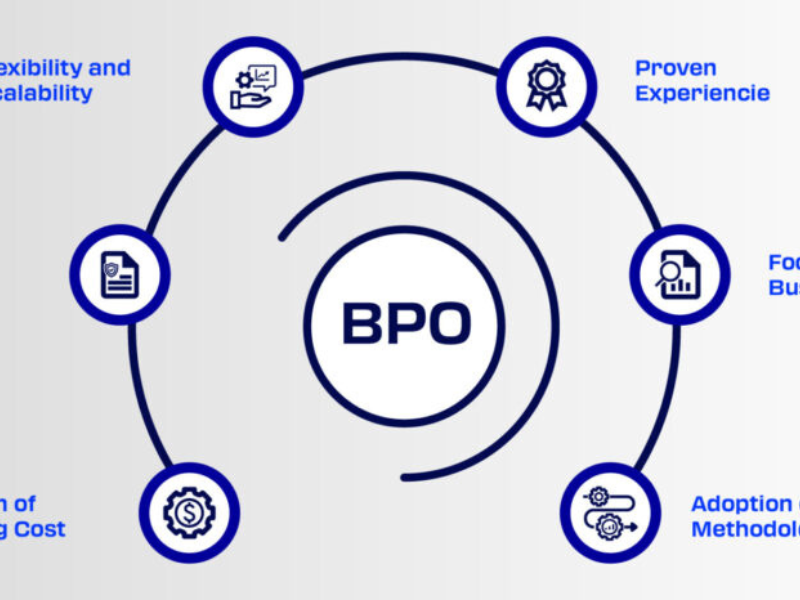
BPO handles execution, you keep strategy. Outsource the time-consuming tasks—content production, SEO updates, ad campaign management—while maintaining full control over brand direction and decision-making.
Predictable costs, flexible capacity. Pay a fixed monthly rate for dedicated resources. Scale up during growth phases, scale down during slow periods—no hiring delays, no severance costs.
Success requires clarity upfront. BPO performs best when you define exactly which tasks to delegate, what success looks like, and how performance gets measured. Vague scope = wasted spend.
Location matters for collaboration. Nearshore BPO teams (Latin America for US companies) offer time zone overlap and cultural alignment that offshore models often lack—critical for marketing roles requiring daily communication.
What Are BPO Marketing Services?
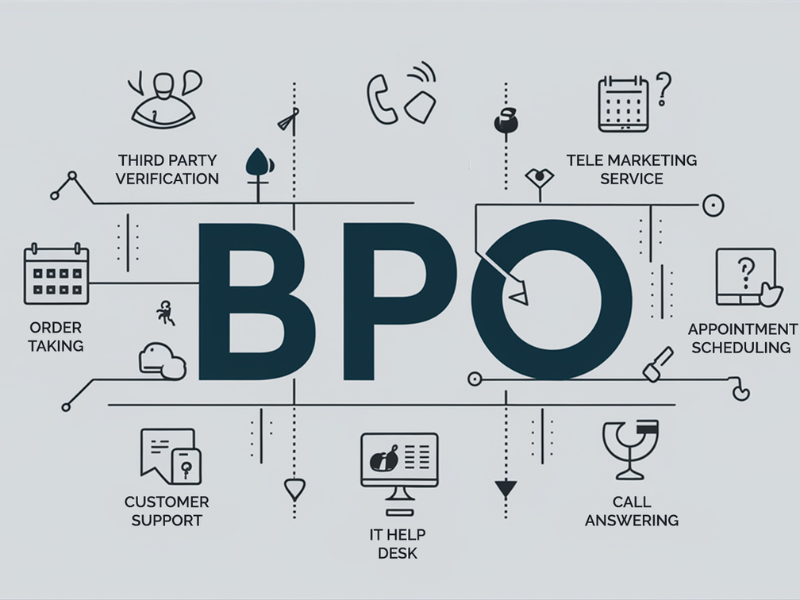
BPO marketing services give you a dedicated external team that handles execution-heavy marketing tasks as an extension of your business. BPO stands for Business Process Outsourcing—think repeatable processes like content production, SEO optimization, or campaign management that consume time but don’t require strategic decisions.
The core distinction: You keep strategy and brand ownership in-house. The BPO team executes against your playbooks, KPIs, and approval processes.
Practical example: Your CMO decides the company needs 8 blog posts monthly, 20 landing pages, weekly email campaigns, and ongoing SEO updates. Hiring four specialists would take 3-4 months and cost $300K+ annually.
With BPO, you get that same execution capacity for $8K-12K/month with a team that onboards in 2-3 weeks. Your CMO still owns content strategy and final approval—the BPO team writes, optimizes, publishes, and reports.
Where BPO Marketing Fits
BPO sits in the gap between in-house teams and traditional agencies—each serves different needs:
In-house teams own your brand’s strategic direction. They make decisions on positioning, messaging, and long-term priorities. Strength: Deep brand knowledge. Limitation: Expensive to scale, slow to hire.
Agencies excel at campaign ideas and creative execution. They pitch concepts, design campaigns, and deliver finished projects. Strength: Fresh perspective and specialized expertise. Limitation: High cost per deliverable, limited ongoing support.
BPO marketing services focus on the operational grind between strategy and campaigns. They execute repetitive, time-consuming tasks at scale—publishing content, updating landing pages, running ad campaigns, managing CRM workflows. Strength: Consistent execution, predictable costs, long-term capacity. Limitation: Not designed for strategic consulting or creative concepting.
When to use BPO: Your strategy is defined, but execution bottlenecks prevent you from hitting goals. You need hands on keyboards daily, not quarterly campaign pitches.
Marketing BPO vs Marketing Agency
Key differences matter in practice.
- Control: BPO teams work under your tools, processes, and KPIs. Agencies use theirs.
- Cost structure: BPO offers predictable monthly pricing. Agencies charge per project or retainer.
- Continuity: BPO teams stay long-term. Agency teams often rotate.
- Focus: BPO executes tasks. Agencies sell ideas and campaigns.
Marketing BPO vs General Outsourcing
General outsourcing often means task-based work with limited context.
Marketing BPO is role-based and integrated.
- Dedicated marketers, not shared resources.
- Ongoing collaboration with internal stakeholders.
- Performance tracked against business goals, not just task completion.
Why Businesses Use BPO Marketing Services
Most SMBs hit the same operational wall around 20-50 employees: marketing workload doubles, but adding headcount takes months and strains budgets.
The growth paradox: Revenue increases, but marketing execution falls behind. Your three-person team can’t scale to meet demand, and hiring takes 3-6 months per role. By the time new hires onboard, priorities have shifted again.
Common breaking points:
Execution bottlenecks: Your content calendar shows 12 blog posts due this month. You’ve published 4. Landing pages for the product launch sit half-finished. Email campaigns go out late or get skipped entirely.
Hiring delays kill momentum: You need a content writer, SEO specialist, and ads manager. Recruiting takes 4-5 months. Onboarding adds another 2 months. That’s half a year of lost execution while competitors move faster.
Rising payroll costs: Three marketing hires cost $240K+ annually (salary + benefits + taxes). When workload drops 40% post-launch, you still pay full salaries. Layoffs damage morale and create knowledge gaps.
Strategy stalls: Your CMO spends 70% of their time managing execution tasks instead of planning next quarter’s growth initiatives. Strategic thinking gets pushed to “when things slow down”—which never happens.
How BPO solves this: BPO adds execution capacity in 2-3 weeks, not months. You get dedicated team members at 40-60% the cost of full-time hires, with flexibility to scale up during growth phases and scale down during plateaus—no severance, no morale hit.
Real-World Example
A 30-person SaaS company sells project management software. Their marketing needs:
- 4 blog posts weekly (thought leadership + SEO)
- 8-10 new landing pages monthly (feature launches, campaigns)
- Ongoing SEO optimization (keyword research, on-page updates)
- Weekly CRM reporting and campaign performance analysis
Option 1: Hire in-house
- Content writer: $65K/year
- SEO specialist: $75K/year
- Landing page designer/developer: $80K/year
- Marketing ops analyst: $70K/year
- Total: $290K/year + 4-6 months to hire all roles
Option 2: BPO marketing services
- Dedicated team of 4 specialists: $10K/month = $120K/year
- Team onboards in 3 weeks
- Savings: $170K/year + 4 months faster time-to-execution
Outcome after 6 months:
- Published 96 blog posts (vs 20-30 if waiting to hire)
- Launched 60 landing pages (vs 15-20 with in-house delays)
- Organic traffic increased 180% (consistent SEO execution)
- CMO focuses on strategy instead of managing hiring pipeline
The BPO team executes against the CMO’s content calendar, brand guidelines, and approval workflows. Strategy stays internal. Execution scales immediately.
How BPO Marketing Services Work in Practice
BPO marketing services follow a structured operating model. When done right, it feels like extending your internal team.
Step 1: Scope and Goal Alignment
Everything starts with clarity.
You define:
- Which marketing functions to outsource.
- What success looks like.
- What stays internal.
Good BPO partners push back if scope is unclear.
This step prevents wasted spend later.
Step 2: Team Setup
Based on scope, the BPO provider builds a team.
This may include:
- Content writers and editors.
- SEO and website specialists.
- Paid ads operators.
- Social media managers.
- Marketing operations support.
Roles are assigned like internal hires.
You review profiles before onboarding.
Step 3: Execution and Reporting
The team works inside your systems.
Typical tools include:
- CRM platforms (customer relationship management systems).
- Project management tools.
- Shared dashboards for KPIs.
Execution follows your playbooks, not theirs.
Weekly or biweekly reporting keeps performance visible.
Step 4: Optimization and Scaling
As results come in, you adjust.
- Add roles during growth phases.
- Reduce capacity during slower periods.
- Shift focus between channels.
This flexibility is where BPO delivers real value.
Best Practices from Real Deployments
- Start with execution-heavy tasks first.
- Document processes early.
- Assign one internal owner per function.
- Review output weekly, not monthly.
BPO works when communication is simple and consistent.
Marketing Functions You Can Outsource Through BPO
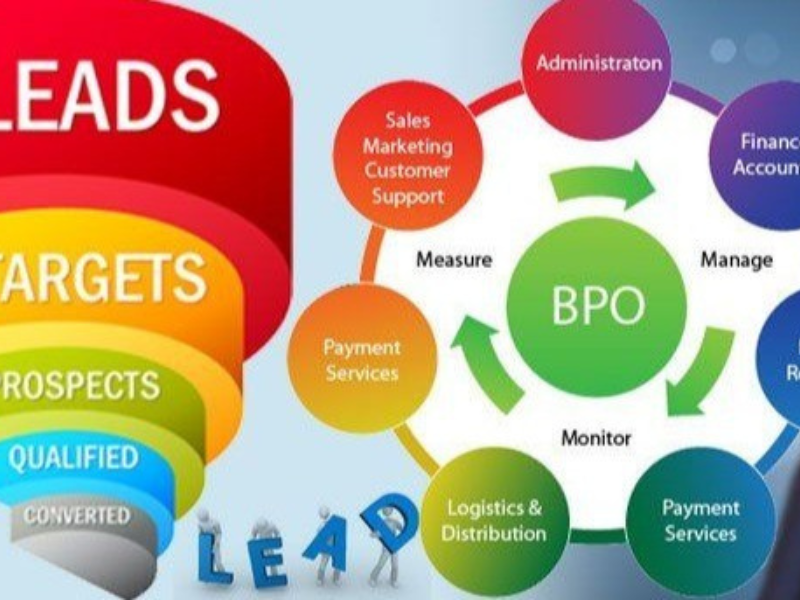
Content and Creative Support
Content is one of the easiest functions to outsource through BPO.
Common tasks include:
- Blog posts and long-form content.
- Landing pages and product pages.
- Email newsletters and campaigns.
- Basic visual assets using templates.
Brand consistency matters.
You maintain:
- Brand voice guidelines.
- Editorial standards.
- Final approval.
The BPO team executes against those rules.
When this works best:
You need consistent output but don’t want to hire a full content team.
SEO and Website Optimization
BPO works best for SEO execution, not strategy.
Typical outsourced tasks:
- Keyword research support.
- On-page optimization.
- Content publishing and updates.
- Technical fixes based on audits.
Strategy usually stays internal or with a senior consultant.
Realistic expectations:
BPO accelerates execution. Results still take time.
Case example:
A growing eCommerce brand used BPO to scale content production and on-page SEO while keeping strategy in-house.
Paid Ads and Campaign Support
BPO supports paid media operations.
Common responsibilities:
- Campaign setup and QA.
- Bid adjustments and budget pacing.
- Ad variations testing.
- Performance reporting.
Strategic decisions stay with your internal team.
BPO ensures campaigns run smoothly and consistently.
This works well when ad volume grows faster than your team.
Social Media and Community Management
Social media requires daily attention.
BPO teams handle:
- Content scheduling.
- Comment moderation.
- Community engagement.
- Basic customer responses.
Nearshore teams often perform better here due to time zone alignment and cultural understanding.
This improves response speed and customer experience.
Marketing Operations and Analytics
This is often the fastest win.
BPO teams support:
- CRM updates and hygiene.
- Dashboard creation and maintenance.
- Weekly and monthly reporting.
- Data validation across tools.
Clean data improves decision-making across marketing and sales.
Key Benefits of BPO Marketing Services
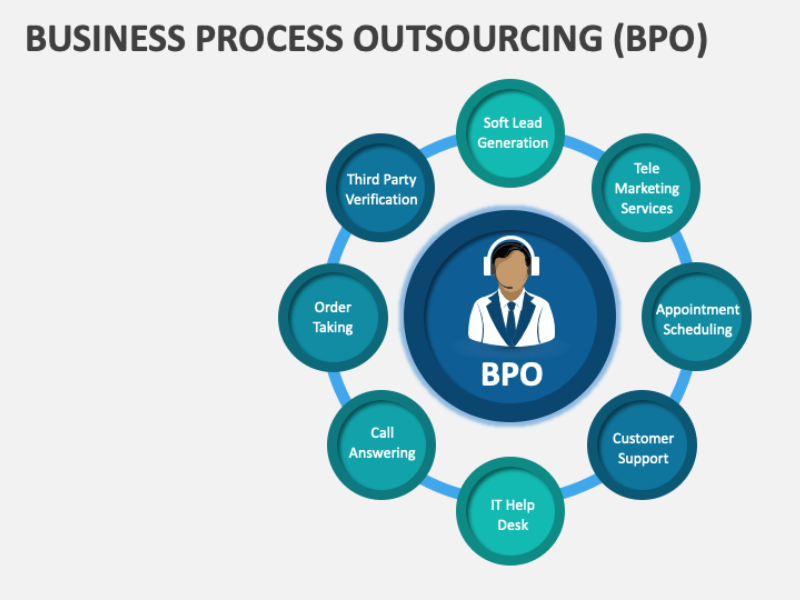
Cost Efficiency and Budget Control
BPO reduces fixed costs.
You avoid:
- Full-time salaries and benefits.
- Long hiring cycles.
- Overstaffing during slow periods.
Monthly pricing stays predictable and scalable.
Access to Specialized Marketing Talent
You get the skills you need, when you need them.
No long-term commitment to niche roles.
This prevents skill gaps as channels evolve.
Scalability and Flexibility
BPO scales with your business.
- Add capacity during launches.
- Reduce scope during plateaus.
- Shift focus without rehiring.
This flexibility is hard to replicate in-house.
Faster Execution and Time-to-Market
Dedicated teams move faster.
Nearshore BPO offers:
- Time zone overlap.
- Faster feedback loops.
- Better collaboration.
Campaigns launch sooner with fewer bottlenecks.
BPO Marketing Services vs In-House Teams vs Agencies
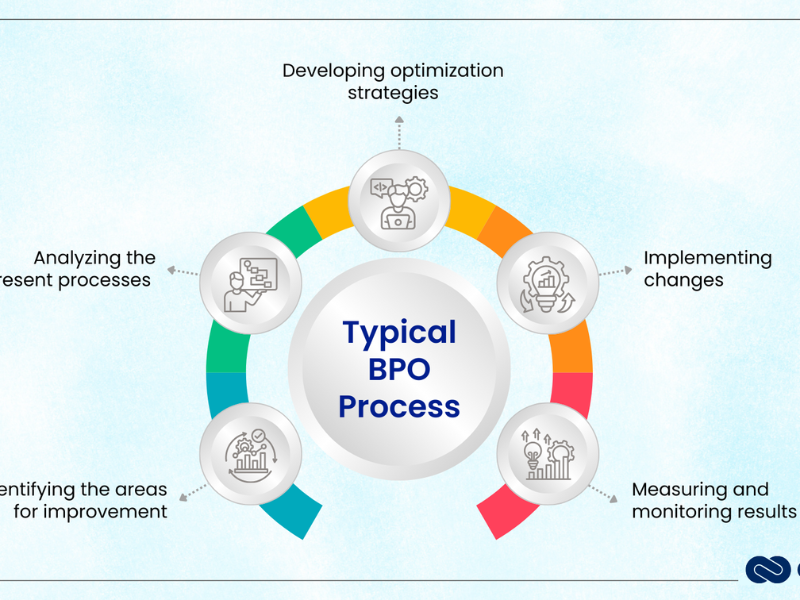
| Model | Best For | Limitations |
|---|---|---|
| In-house | Strategy, leadership, brand | Expensive, slow to scale |
| Agency | Campaign ideas, short-term needs | High cost, less control |
| BPO | Execution at scale | Needs clear management |
Choose based on:
- Budget constraints.
- Growth stage.
- Internal leadership strength.
Most growing businesses use a hybrid model.
When Should a Business Consider BPO Marketing Services?
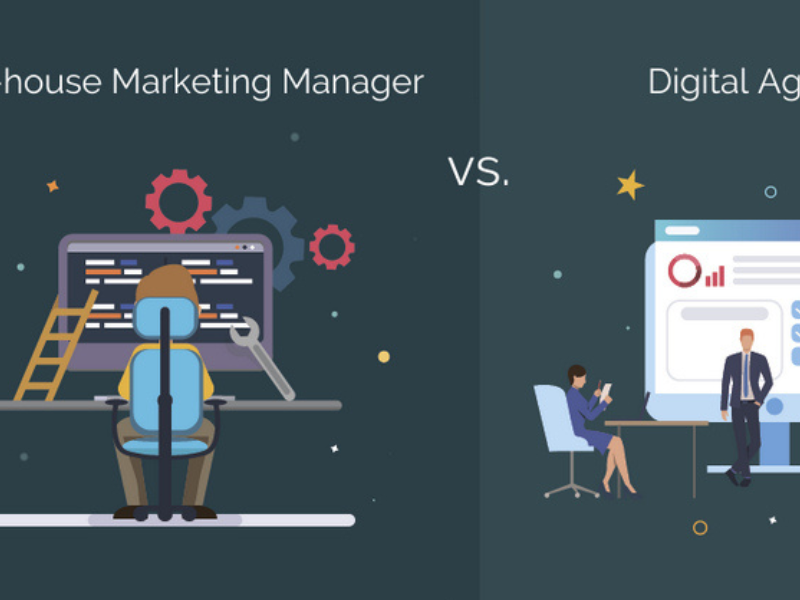
Clear signals include:
- Strategy is defined but execution lags.
- Internal team is overloaded.
- Hiring takes too long.
- Output quality is inconsistent.
BPO fits best during early to mid growth stages.
It’s less about size and more about operational strain.
Nearshore vs Offshore BPO Marketing Services
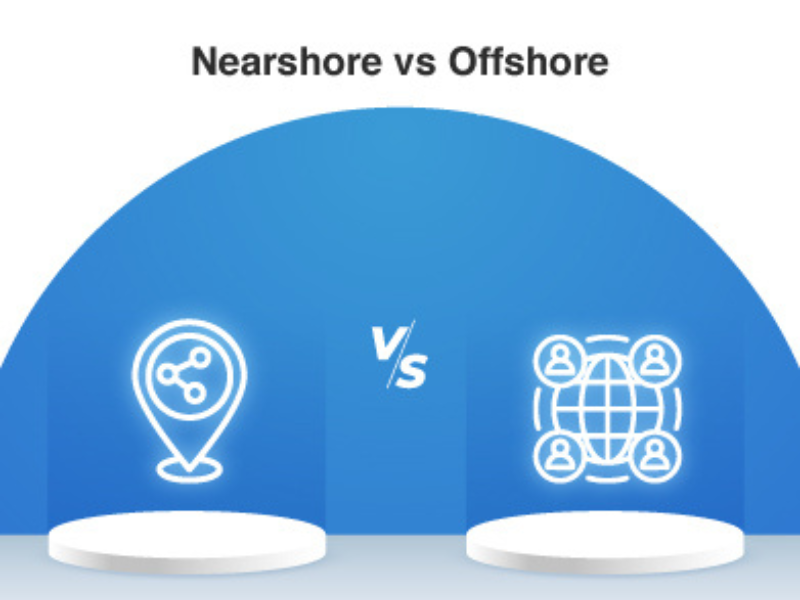
Nearshore BPO:
- Time zone alignment with the US.
- Strong English proficiency.
- Better cultural fit.
Offshore BPO:
- Lower costs.
- Larger talent pools.
- Less overlap for collaboration.
Many businesses prefer nearshore for marketing roles.
Pricing Models for BPO Marketing Services
Common models include:
- Dedicated team: Fixed monthly cost per role.
- Role-based pricing: Pay per function.
- Hourly support: Flexible but less predictable.
Costs depend on skill level, location, and scope.
Risks and Limitations of BPO Marketing Services

Common risks:
- Poor onboarding.
- Unclear expectations.
- Weak communication.
Mitigation strategies:
- Document processes early.
- Set clear KPIs.
- Schedule regular check-ins.
BPO fails more from management issues than talent gaps.
How to Choose the Right BPO Marketing Services Partner

Define Clear Goals and Outsourcing Scope
Start small.
Choose tasks that are:
- Repeatable.
- Time-consuming.
- Easy to measure.
Define KPIs before onboarding.
Evaluate Talent, Experience, and Industry Fit
Review:
- Role-specific experience.
- Client references.
- Sample work.
Some providers, like Intugo, focus on dedicated nearshore teams for long-term alignment.
Use examples as benchmarks, not endorsements.
Review Collaboration, Reporting, and Transparency
Strong partners offer:
- Clear communication cadence.
- Shared dashboards.
- Direct access to team members.
Transparency builds trust over time.
Common Misconceptions About BPO Marketing Services

- BPO replaces strategy. It doesn’t.
- BPO lowers quality. Quality depends on management.
- BPO is only for large companies. SMBs benefit the most.
FAQ: BPO Marketing Services Explained
Is BPO marketing the same as a marketing agency?
No. BPO focuses on execution using dedicated teams working under your systems.
Can small businesses use BPO marketing services?
Yes. SMBs often see the biggest impact due to limited internal resources.
What should stay in-house when using BPO?
Strategy, brand ownership, and final decision-making should remain internal.
Conclusion & Call to Action

BPO marketing services help businesses grow without overbuilding internal teams. The biggest benefits are cost efficiency, scalability, and faster execution.
BPO doesn’t replace your marketing team. It strengthens it.
Start by identifying one execution-heavy function. Define success clearly. Choose a partner that integrates with your workflow.
If you want growth without operational chaos, BPO marketing services are a practical next step.
FAQs

What are BPO marketing services?
BPO marketing services involve outsourcing specific marketing tasks—like content creation, social media management, SEO, and ad campaign execution—to third-party providers. This enables businesses to save costs, access specialized talent, and scale operations efficiently.
How are BPO marketing services different from hiring a marketing agency?
While a marketing agency typically provides a packaged solution combining strategy and execution, BPO marketing services focus on executing specific tasks delegated by the business. BPO services work as an extension of your team, under your tools, processes, and KPIs, offering greater operational control.
When should a business consider outsourcing marketing through BPO?
Businesses should consider BPO marketing services when experiencing challenges like limited in-house resources, the need for scalability, or high costs of building a full marketing team. It’s particularly beneficial for businesses in growth phases or those requiring quick execution without compromising quality.
Are there risks associated with BPO marketing services?
Yes, risks include potential communication barriers, loss of brand consistency, and data security concerns. These risks can be mitigated by selecting a partner with transparent collaboration processes, secure data protocols, and experience in your industry.
What are the advantages of nearshore BPO marketing services for US businesses?
Nearshore services offer benefits like similar time zones, cultural alignment, fluent English-speaking teams, and faster communication compared to offshore models. This ensures better collaboration and quicker campaign execution.
How much do BPO marketing services typically cost?
BPO marketing costs vary based on the pricing model (hourly, role-based, or dedicated team) and the scope of work. Nearshore services are generally more affordable than in-house teams but slightly higher than offshore options due to their alignment and accessibility advantages.
Can BPO marketing services scale with business growth?
Absolutely. One of the biggest strengths of BPO marketing services is scalability. Businesses can start small with selected roles like SEO specialists or graphic designers and scale up to full campaigns or dedicated teams as their needs evolve.
Read more:
- How to Create an Effective Customer Success Plan: Step-by-Step
- Customer Success Interview Questions: Expert Guide for CSM Jobs
- AI Simulation Training: Build Real-World Skills Faster
More in Operations & CX Optimization
View all →
Customer Experience Transformation: Framework and Steps
A telecom customer calls support about a billing error. They explain the problem to the IVR system. Then to the first agent. Then get transferred and explain again. Then escalated—and explain a third time. Forty minutes later, they're exhausted and the problem still isn't solved. This is what broken customer experience looks like. And it's costing you customers. Customer experience…


Web Caller Meaning: JavaScript caller, Calling Tools or Portals
“Web caller” is one of those phrases where the search results and the searcher are frequently talking about different things. Three unrelated audiences use it: developers hitting an error on the legacy JavaScript caller property, buyers evaluating browser-based calling software, and people trying to reach a specific portal or training page whose exact name they cannot recall. That fragmentation is…

Customer Experience Strategy: How to Build One That Works
Customer experience is getting worse, not better. Forrester's 2025 Global CX Index found that 21% of brands declined in CX quality while only 6% improved — and in the US, 25% declined against 7% that improved, the second consecutive year of that pattern. Most of those brands were not neglecting customer experience. They were working on it without a strategy…



 English
  Russian
  Chinese