
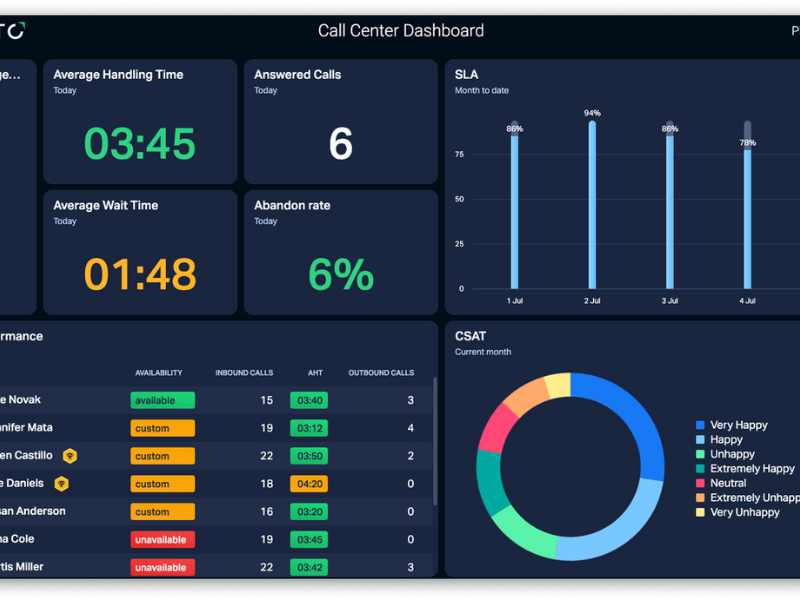
Contact center managers face an impossible challenge: coach 15-20 agents effectively while handling escalations, campaign adjustments, and compliance audits. Random call listening doesn’t scale. Memory-based feedback leads to inconsistent results. And when CSAT drops or attrition spikes, it’s unclear which behaviors to fix first.
This is why agent coaching software has become essential in 2026. The best platforms don’t just generate insights or analytics dashboards—they turn real interaction data into specific, repeatable coaching actions that measurably improve CSAT, first-call resolution, and agent confidence. More importantly, they help managers spend coaching time where it actually matters, not on random call reviews that miss critical patterns.
This guide explains what agent coaching software is, why modern contact centers depend on it, and how to choose a solution that fits your operation—whether you’re running a 20-agent support team or a 500-seat BPO handling multiple clients.
Key Takeaways
-
- Coaching software closes the scalability gap: One manager can effectively coach 15-20 agents when the system prioritizes which calls to review and which behaviors need attention—eliminating random call listening.
- Behavior change trumps insights: Dashboards showing “empathy scores” mean nothing without workflows that guide managers through actual coaching conversations and track whether agents improved.
- AI supports or replaces managers—choose wisely: AI-enabled tools help managers coach better. AI-led tools coach agents directly in real-time. Both work, but for different use cases and team structures.
- Coaching ≠ QA ≠ Training: QA evaluates performance after the fact. Training builds baseline skills. Coaching changes specific behaviors using real interaction evidence—and the best software reflects these distinct purposes.
- Integration determines success at scale: If coaching software can’t pull QA scores, call recordings, and performance metrics from your CCaaS, managers waste hours on data entry instead of coaching conversations.
- Wrong tool = wasted budget: A 50-agent crypto exchange doesn’t need the same coaching platform as a 2,000-agent insurance BPO. Match your software to your operation size, industry, and coaching culture—not vendor hype.
What Is Agent Coaching Software?

Agent coaching software is a platform that transforms raw interaction data—calls, chats, emails—into prioritized coaching actions for contact center managers. Instead of randomly selecting calls to review or relying on memory from floor monitoring, the software identifies which agents need coaching, on which specific behaviors, and provides the evidence managers need to deliver effective feedback.
The core job it does: Close the gap between knowing performance is slipping and understanding exactly how to fix it. For example, if an agent’s CSAT drops from 85% to 72% over two weeks, coaching software doesn’t just surface the trend—it highlights the 8-12 calls where empathy statements were rushed, holds were too long, or the agent missed opportunities to acknowledge customer frustration. Managers then coach on those specific moments, set improvement goals, and track whether the behavior actually changes.
This is fundamentally different from QA (which scores performance) or training (which teaches new skills). Coaching is about changing existing behaviors using evidence from real customer interactions.
How it fits in the contact center stack
Agent coaching software typically sits between:
- Interaction data (calls, chats, emails)
- Quality assurance (QA scores, evaluations)
- Performance metrics (CSAT, FCR, AHT)
It connects these inputs and turns them into coaching actions managers can actually execute.
Coaching vs. training vs. QA
| Function | Primary goal | Timing | Outcome |
|---|---|---|---|
| Training | Build baseline skills | Before or early tenure | Knowledge acquisition |
| QA | Evaluate performance | After interactions | Scores and compliance |
| Coaching | Change behavior | Ongoing | Sustained improvement |
Training teaches. QA judges. Coaching develops.
How coaching works step by step
- The system analyzes interactions and performance data.
- It flags specific behaviors that need improvement.
- Managers receive prioritized coaching recommendations.
- Coaching sessions focus on real calls or chats.
- Goals are set and tracked.
- Performance is re-measured to validate improvement.
Practical example
A supervisor manages 18 agents at a fintech company handling loan application support. One agent—Sarah—has consistently good QA scores (88-92 out of 100) but her CSAT suddenly drops from 84% to 71% over two weeks.
Traditional approach: Manager would randomly listen to a few of Sarah’s recent calls, might not find the pattern, and default to generic feedback like “be more empathetic.”
With coaching software: The system automatically analyzes Sarah’s last 200 interactions and flags a specific pattern: in 14 calls where customers expressed frustration about document requirements, Sarah used the correct empathy statements (“I understand this is frustrating”) but immediately jumped to the next step without pausing. Customers felt rushed despite technically correct responses.
The manager reviews three flagged call clips with Sarah—complete with transcripts and sentiment analysis showing customer frustration spiking right after Sarah’s empathy statements. Together they practice adding a 2-3 second pause after acknowledging frustration, then asking “What questions do you have about the documents?” instead of immediately listing requirements.
Goal set in software: Reduce rushed empathy instances from 14 per week to under 3.
Two weeks later: Sarah’s CSAT recovers to 82% and holds steady. The software confirms empathy-timing issues dropped to 1-2 per week. More importantly, Sarah understands exactly what changed—not vague “be more empathetic” advice, but specific timing and pacing adjustments tied to real customer reactions.
Why Agent Coaching Software Matters for Contact Centers

Coaching directly impacts the metrics contact centers care about most.
The KPI connection
- CSAT improves when agents adjust tone, empathy, and problem-solving.
- FCR rises when coaching addresses root-cause handling.
- AHT stabilizes when agents learn efficient call control.
- Attrition drops when feedback feels fair and actionable.
Without software, this connection is weak and inconsistent.
The scalability problem
Managers often oversee 12–20 agents. Listening to random calls does not scale. Important issues get missed. Feedback becomes reactive.
Agent coaching software prioritizes where to spend coaching time, so managers focus on what actually moves results.
Before vs. after structured coaching
Before
- Feedback based on memory or isolated QA scores
- Inconsistent coaching quality between managers
- No proof coaching worked
After
- Coaching tied to specific behaviors and calls
- Consistent framework across teams
- Clear improvement tracking
Real-world insight
In large operations, the biggest coaching failure is not effort—it’s focus. Software narrows attention to the few behaviors that matter most, week after week.
Common Problems Agent Coaching Software Solves

- Inconsistent feedback across managers: Software standardizes what “good coaching” looks like.
- Overreliance on QA scores: QA tells you what failed; coaching software shows how to fix it.
- Limited manager time: Automated prioritization replaces random call listening.
- Poor follow-through: Goals and progress tracking keep coaching from becoming a one-time talk.
- Low agent trust: Evidence-based feedback reduces defensiveness.
- Difficulty proving impact: Effectiveness tracking ties coaching to performance changes.
Operational risk if ignored: As teams grow, performance gaps widen, agent morale drops, and customer experience becomes unpredictable.
How Agent Coaching Software Works in Practice

- Capture 100% of interactions across channels.
- Analyze behavior patterns and performance signals.
- Surface prioritized coaching opportunities.
- Guide managers through structured coaching sessions.
- Track goals, actions, and outcomes.
- Validate improvement with new data.
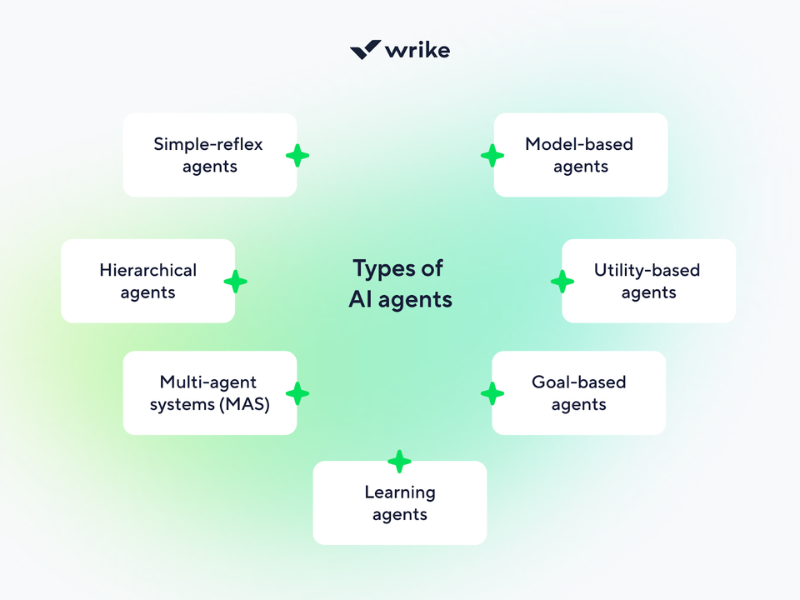
Main Types of Agent Coaching Software
AI-Enabled Coaching (Manager-Led)
AI-enabled platforms support managers without replacing them.
How it works
- AI identifies coaching opportunities and suggests next actions.
- Managers review evidence and lead the conversation.
- The system tracks outcomes over time.
Pros
- Preserves human judgment and trust.
- Strong alignment with leadership development.
- Better long-term behavior change.
Cons
- Requires manager engagement and discipline.
Best for
- Mid-sized to large contact centers.
- Teams that value consistent coaching culture.
AI-Led Coaching (Direct-to-Agent)
AI-led tools coach agents directly, often in real time.
How it works
- Agents receive live prompts during interactions.
- Feedback bypasses managers.
Pros
- Immediate behavior correction.
- Useful for compliance or scripting.
Cons
- Alert fatigue risk.
- Limited skill development.
- Can reduce manager ownership.
Best for
- High-volume, transactional environments.
- Short-term performance control.
QA-Integrated Coaching Tools
These tools turn QA results into coaching workflows.
How it works
- QA evaluation flags a weak behavior.
- A coaching task is automatically created.
- The manager reviews examples and coaches.
- The system tracks metric improvement.
Strength
- Clear bridge between evaluation and development.
Limitation
- Depth depends on QA quality and consistency.
CCaaS Platforms With Coaching Features
Some CCaaS platforms offer built-in coaching tools.
Trade-off
- Convenient and integrated.
- Often shallow in coaching depth and effectiveness tracking.
Best as a starting point, not a long-term coaching system.
Must-Have Features to Look For
Coaching Effectiveness Tracking
Why it matters If you can’t measure improvement, coaching becomes opinion-based.
Good implementation
- Pre- and post-coaching metric comparison.
- Behavior-level tracking.
Buying tip Ask vendors how they prove coaching worked.
Real-Time and Post-Interaction Coaching
Why it matters Different behaviors require different timing.
Good implementation
- Real-time alerts for critical issues.
- Post-interaction review for skill development.
Actionable, Data-Driven Frameworks
Why it matters Insights without action waste manager time.
Good implementation
- Clear recommendations.
- Structured coaching templates.
QA & Performance Management Integration
Why it matters Coaching must align with how agents are evaluated.
Good implementation
- Shared metrics and evidence.
- No duplicate work.
Ease of Use
Why it matters Managers won’t use complex tools consistently.
Good implementation
- Minimal clicks.
- Clear priorities.
Common Use Cases
- Customer support teams improving empathy and resolution.
- Sales teams coaching objection handling.
- BPOs maintaining consistency across clients.
- Retention teams reducing churn through better conversations.
Popular Agent Coaching Software Examples
AmplifAI
Known for AI-enabled, manager-led coaching with effectiveness tracking.
Strengths
- Clear link between coaching and outcomes.
- Strong performance management integration.
Limitations
- Best suited for teams ready to coach consistently.
Ideal for Mid-sized and enterprise contact centers.
Genesys
Known for CCaaS platform with coaching features.
Strengths
- Deep integration with interaction data.
- Enterprise-ready.
Limitations
- Coaching depth depends on configuration.
Ideal for Existing Genesys customers.
Balto AI
Known for Real-time, AI-led agent guidance.
Strengths
- Immediate impact during live calls.
- Strong compliance support.
Limitations
- Limited long-term coaching measurement.
Ideal for High-volume, script-driven teams.
Other Notable Tools
- CallMiner: Analytics-driven coaching insights.
- Verint: QA-focused coaching workflows.
- Observe.AI: Real-time assistance with analytics.
How to Choose the Right Agent Coaching Software

- Define the behaviors you want to change.
- Decide who leads coaching—managers or AI.
- Check how effectiveness is measured.
- Validate QA and data integrations.
- Pilot with a small team.
- Gather manager and agent feedback.
Common mistake Choosing based on AI hype instead of coaching outcomes.
ROI and Business Impact
- Higher CSAT and FCR.
- Lower agent attrition.
- Reduced manager prep time.
- More predictable performance at scale.
Expect incremental gains, not overnight transformation.
Best Practices for Implementation

- Train managers on coaching conversations.
- Start with one or two behaviors.
- Share wins early.
- Reinforce coaching as development, not punishment.
FAQ
What is the difference between agent coaching and QA?
QA evaluates performance; coaching changes behavior using that evaluation.
Is AI coaching better than human coaching?
AI supports scale, but human-led coaching drives lasting skill growth.
How long before results appear?
Most teams see measurable changes within 30–60 days.
Does coaching software replace managers?
No. The best tools make managers more effective.
Conclusion & Buyer CTA
Agent coaching software is no longer optional in 2026. It is how modern contact centers turn data into performance, and performance into customer trust.
The right platform helps managers coach consistently, agents improve confidently, and leaders prove impact with real metrics. Focus on tools that prioritize behavior change over noise.
Assess your goals. Shortlist based on fit. Run a pilot. Choose software that helps your people get better—every week.
FAQs
What is agent coaching software?
Agent coaching software is a solution designed to improve call center agent performance through data-driven feedback, structured training processes, and real-time or post-call insights. It supports leaders in delivering measurable, effective coaching sessions.
Why is agent coaching software important for contact centers?
Agent coaching software helps improve key performance indicators like CSAT, first-call resolution, and average handling time (AHT). It provides structured feedback and training, scales manager efforts, and ensures consistent coaching outcomes across teams.
What are the main types of agent coaching software?
Agent coaching software includes:
- AI-enabled coaching: Provides insights to managers for better guidance.
- AI-led coaching: Delivers real-time prompts directly to agents.
- QA-integrated tools: Converts QA scores into coaching actions.
- CCaaS platforms: Offers add-on coaching features alongside other solutions.
What features should I look for in agent coaching software?
Key features include:
- Coaching effectiveness tracking
- Data-driven frameworks
- Real-time and post-interaction coaching insights
- Integration with QA and performance systems
- User-friendly interfaces for managers
How does agent coaching software measure performance improvement?
Performance improvements are tracked using metrics like customer satisfaction scores (CSAT), first-call resolution rates, call quality metrics, and agent adherence. Some tools provide direct comparisons between pre- and post-coaching performance.
What is the difference between AI-enabled and AI-led coaching?
AI-enabled coaching supports managers by providing next-best-action insights and tracking coaching effectiveness. AI-led coaching delivers real-time prompts directly to agents without leader involvement, focusing on immediate behavior changes.
How can small call centers benefit from agent coaching tools?
Small call centers can use coaching software to streamline feedback, scale manager abilities, and improve agent performance without hiring additional supervisors. Tools with built-in templates and analytics simplify operations for smaller teams.
What is the ROI of agent coaching software?
ROI is measured via improved KPIs like higher CSAT, reduced agent turnover, and increased first-call resolution. Tools that track coaching effectiveness help organizations connect coaching efforts directly to better business outcomes.
How do AI tools assist during real-time agent interactions?
AI tools provide real-time alerts, scripting guidance, and situational advice during live calls. This ensures agents deliver consistent service and resolve issues faster, improving customer satisfaction and operational efficiency.
Are there best practices for implementing coaching software?
Best practices include:
- Setting clear objectives for coaching.
- Training managers and agents to use the software effectively.
- Integrating tools into existing workflows.
- Using data to provide actionable, constructive feedback.
Read more:
- Reliable Global Outbound Call Solutions to Boost Sales
- Simplify International Outbound Calls for Games Today
- Philippines Call Center Guide Costs Companies Benefits
More in AI & QA
View all →
AI for Customer Success: 10 Use Cases That Actually Work
Customer success has never been more demanding. Your teams process mountains of data, manage multi-channel conversations, and meet customers who expect instant, personalized responses at every touchpoint. Sound familiar? Here's the good news: AI for customer success helps teams scale intelligently without losing the human connection that drives loyalty. When implemented correctly, AI detects churn signals weeks before customers disappear,…

10 Best Accounts Receivable Collection Software Tools (2026)
Finance teams waste 15-20 hours per week chasing late payments. Manual follow-ups get forgotten, customers claim they never received invoices, and cash flow forecasts change weekly without explanation. Accounts receivable collection software eliminates this chaos. It automates payment reminders, tracks every invoice status in real-time, and gives finance teams complete visibility into incoming cash—without adding headcount or complexity. This guide…
First Call Resolution Software: Improve FCR and CSAT Fast
For contact center managers, First Call Resolution (FCR) isn't just another metric—it's the single clearest indicator of whether your operation is working. When customers need multiple calls to solve one issue, they leave. When agents resolve problems completely the first time, satisfaction scores rise and costs drop. This guide explains what drives FCR in modern contact centers, how first call…

 English
  Russian
  Chinese